
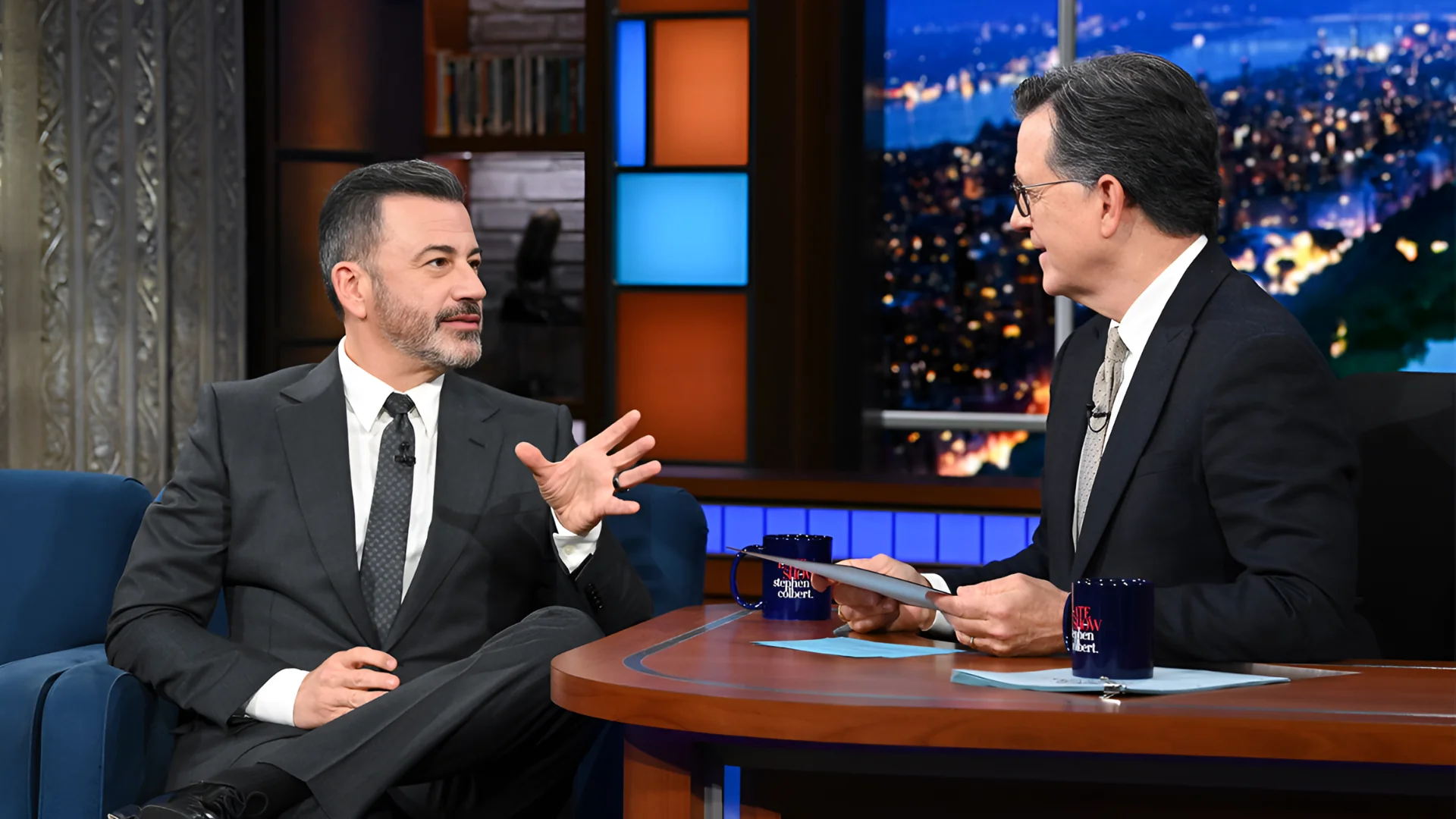
The Late Show with Stephen Colbert broadcast its series finale on Thursday, May 21, 2026, closing a television franchise that ran for 33 years and 22 seasons under David Letterman before Colbert took over in 2015. CBS will not replace it with another late-night program.
A Cancellation CBS Called Financial, and the Timeline That Complicated That Claim
CBS and its parent company, Paramount Global, announced the show's cancellation on July 17, 2025, describing it as a purely financial decision driven by a challenging late-night advertising environment. Unnamed network sources placed the show's annual losses at $40 million, citing a 200-person staff and Colbert's reported $20 million annual salary. That figure has not been independently confirmed from a public filing or earnings document.
What made the financial explanation difficult to accept at face value was the sequence of events immediately preceding the announcement. Days before CBS went public with the cancellation, Colbert had criticized Paramount on air over the company's $16 million settlement of a Donald Trump lawsuit stemming from a "60 Minutes" interview, calling it a "big fat bribe." The cancellation announcement also came just ahead of the Federal Communications Commission approving the $8 billion acquisition of Paramount by Skydance Media, led by David Ellison, a figure with close ties to the Trump administration. Colbert himself noted publicly that CBS had pushed him to sign a new long-term contract as recently as 2023, and that he had agreed to a three-year extension rather than the five-year deal the network sought.
None of that sequence proves CBS cancelled the show for political rather than financial reasons. But it meant the network's stated explanation entered the public record alongside a set of facts that pointed in a different direction, and that tension has not resolved.
What the Skydance Transition Has Meant for CBS News and Talent
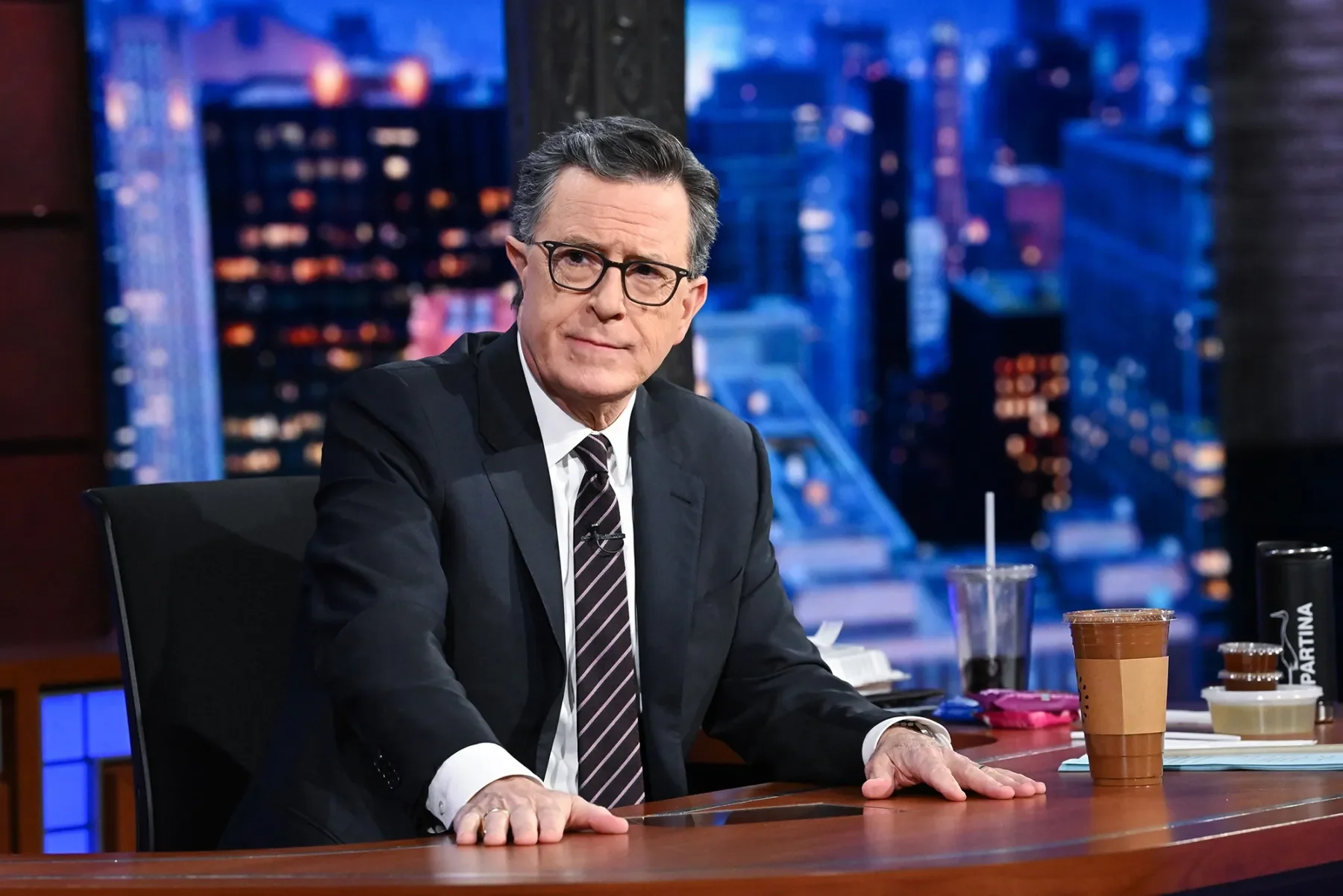
The Skydance acquisition brought leadership and editorial changes across CBS properties that extended well beyond late night. Under new ownership and incoming executive leadership — including figures associated with the media outlet The Free Press, founded by Bari Weiss — CBS saw the departures of high-profile journalists including Anderson Cooper and John Dickerson, along with the termination of CBS Radio News. Those changes, taken together, describe a network undergoing a significant editorial reorientation, not simply a cost-cutting exercise confined to one time slot.
That context matters for how the Late Show cancellation is read within the industry. David Letterman, whose name the franchise carried for 22 years before Colbert's tenure, said publicly that network executives were "lying" about the cancellation's purely financial basis. Whether or not that assessment is accurate, it reflects how the decision landed among the show's closest observers, including the man who built the franchise CBS is now shutting down.
The Finale, the Solidarity, and What Fills the Time Slot Next
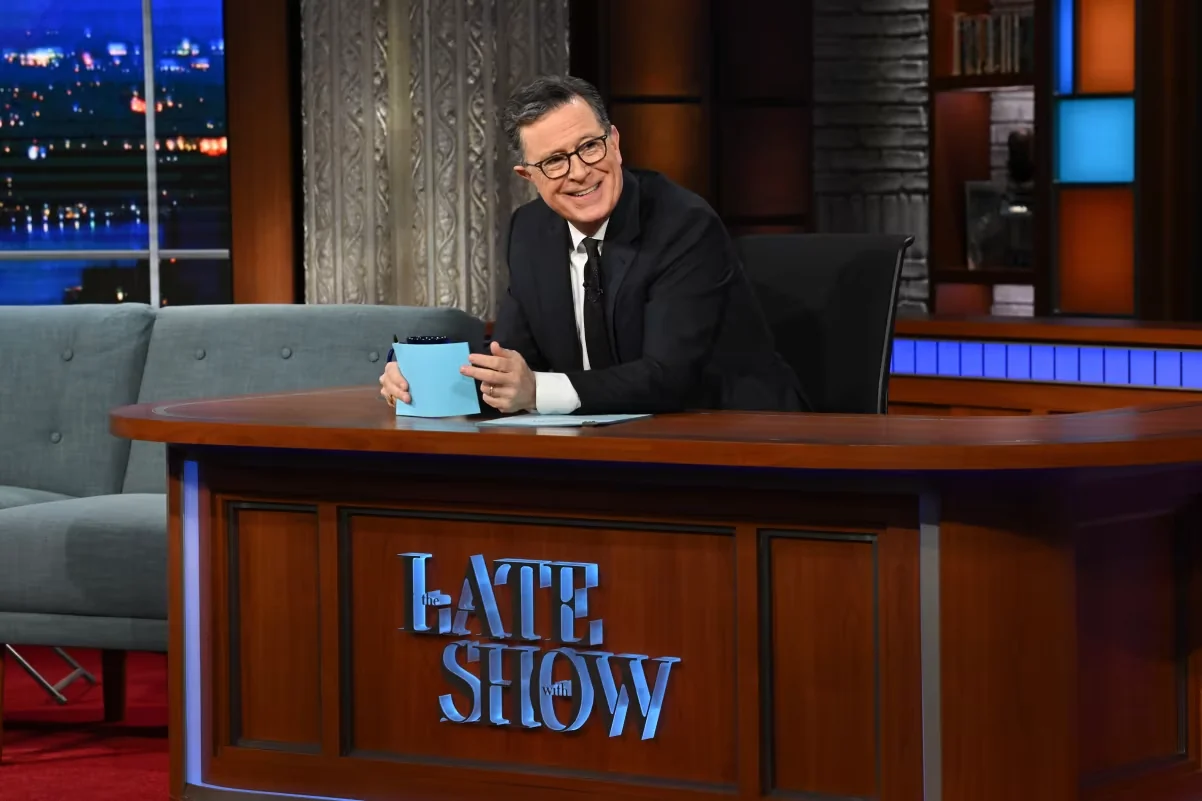
The final weeks of the show brought out figures who rarely appear on late-night television. Jon Stewart, Steven Spielberg, Bruce Springsteen, Tom Hanks, and former President Barack Obama all appeared in the lead-up to the finale. In the show's closing days, Colbert and Letterman threw a cake reading "The Late Show: 1993–2026" — along with studio furniture — from the roof of the Ed Sullivan Theater.
The industry's response carried its own signal. Jimmy Kimmel, Jimmy Fallon, John Oliver, and Seth Meyers appeared together on the show during its final month. On the night of the finale itself, both Kimmel and Fallon chose to air reruns rather than program new episodes against it — a deliberate act of professional solidarity that is uncommon in a competitive late-night landscape.
Beginning May 22, 2026, the 11:35 p.m. time slot will be filled by "Comics Unleashed," a syndicated comedy program from Byron Allen's Allen Media Group in a time-buy arrangement worth tens of millions of dollars. The show is non-topical and non-political. CBS is not producing a successor program; it is leasing the hour for immediate revenue. That structural choice is, in practical terms, more revealing than any financial justification the network offered for the cancellation: CBS is exiting the late-night production business, not simply replacing one host with another.
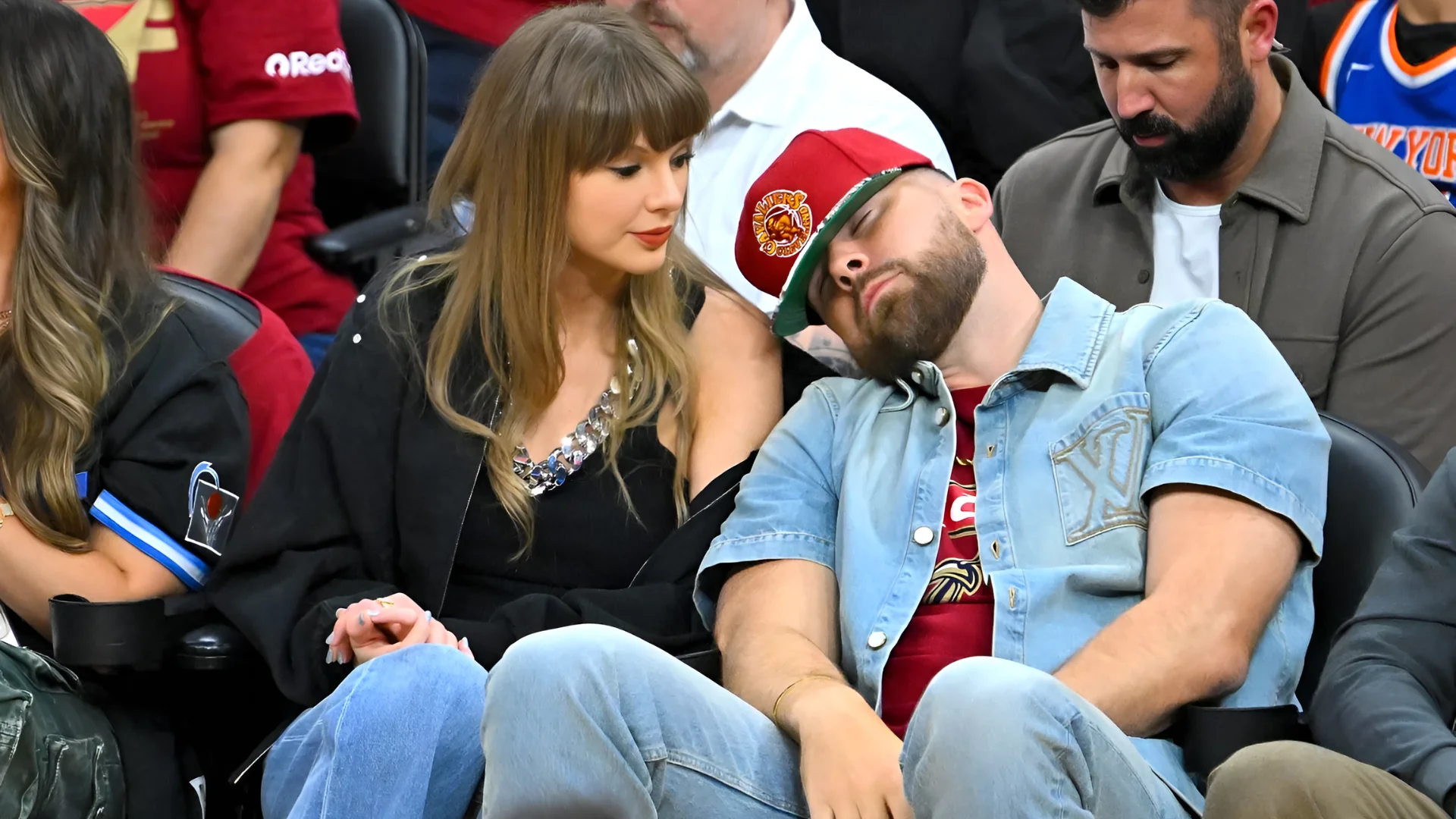
Taylor Swift and Travis Kelce at Cavs-Knicks Game 3
Pop star Taylor Swift and NFL tight end Travis Kelce attended Game 3 of the Knicks-Cavaliers Eastern Conference Finals in Cleveland, generating viral moments despite a Cavs blowout loss.

2026 ACM Awards: Ella Langley Wins 5, Cody Johnson Rules
Ella Langley swept every nomination at the 2026 ACM Awards, winning Song, Single, Music Event, Female Artist, and Artist-Songwriter. Cody Johnson won Entertainer and Male Artist of the Year.
Comments (0)
Please sign in to join the discussion.
No comments yet.
Be the first to share your perspective on this topic.