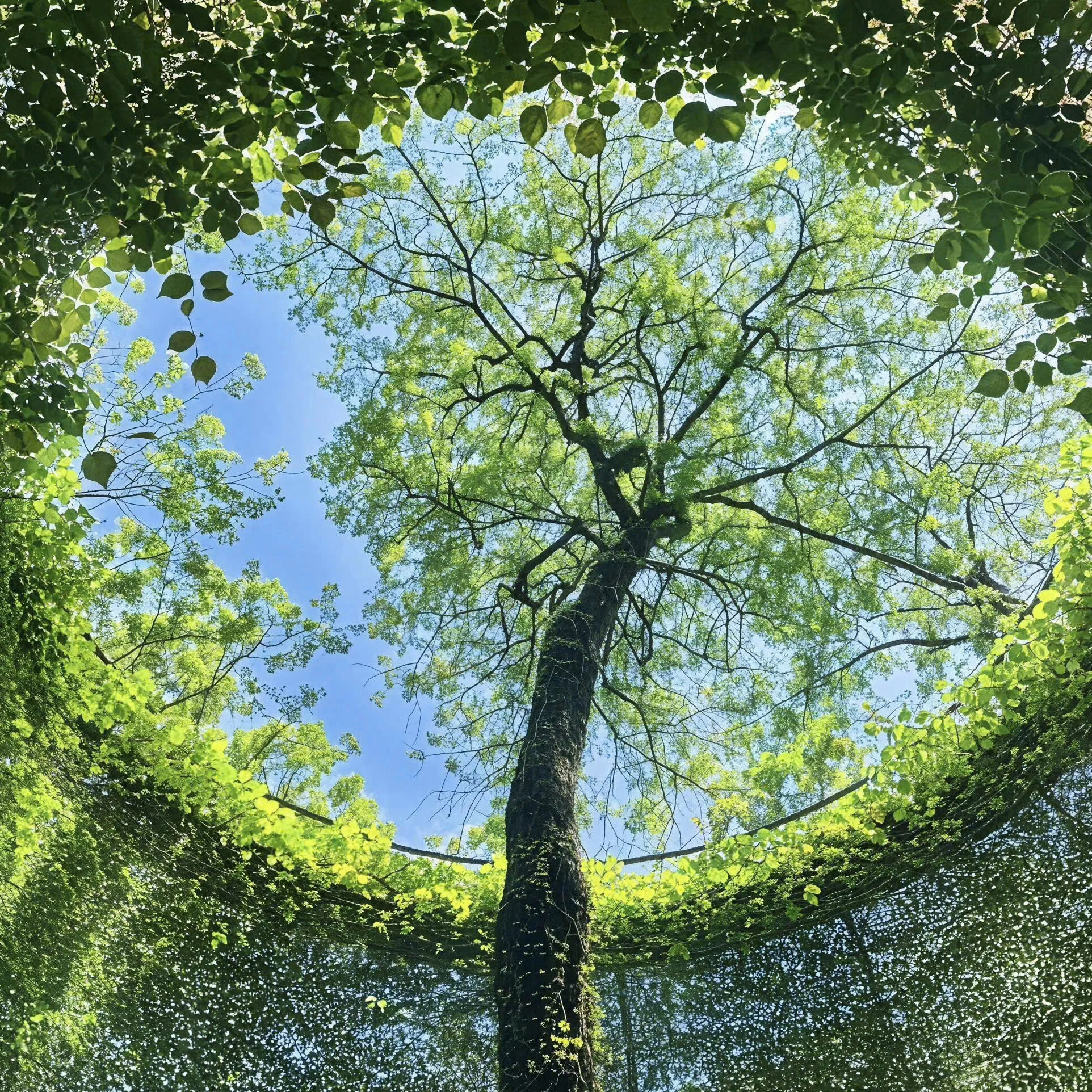
Mouse and Stem Cell Data Show the Brain Has Two Separate Origins
A Stanford lineage-tracing study finds two separate progenitor cells, marked by Otx2 and Gbx2, build the forebrain/midbrain and hindbrain from gastrulation.
Documenting the latest breakthroughs in scientific research, space exploration, and human discovery, BytePith Science is your window into the wonders of the natural world and beyond. We translate complex scientific papers into engaging stories about climate science, astrophysics, and revolutionary laboratory findings. Our mission is to foster curiosity and provide an authoritative look at the evidence-based discoveries that expand our understanding of existence.
A Stanford lineage-tracing study finds two separate progenitor cells, marked by Otx2 and Gbx2, build the forebrain/midbrain and hindbrain from gastrulation.

New analysis of 1,510 NOAA Hurricane Hunter radar scans reveals why some tilted tropical cyclones quickly align vertically while others stay leaning and weak.
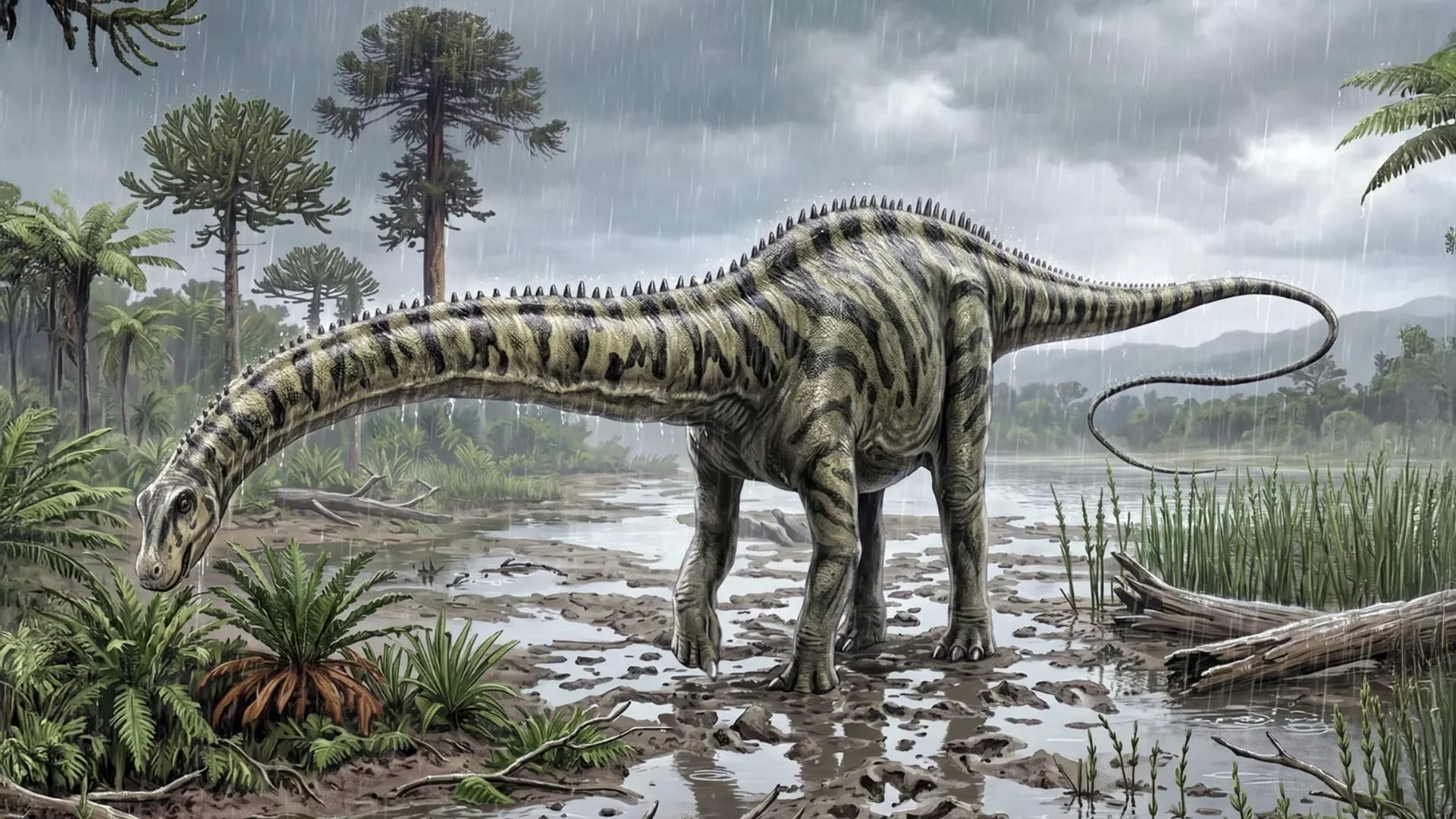
Diplodocus in Spain: 14 tail vertebrae from Teruel are the first formal European record. Three of five experts back the ID; two call the tail too thin.
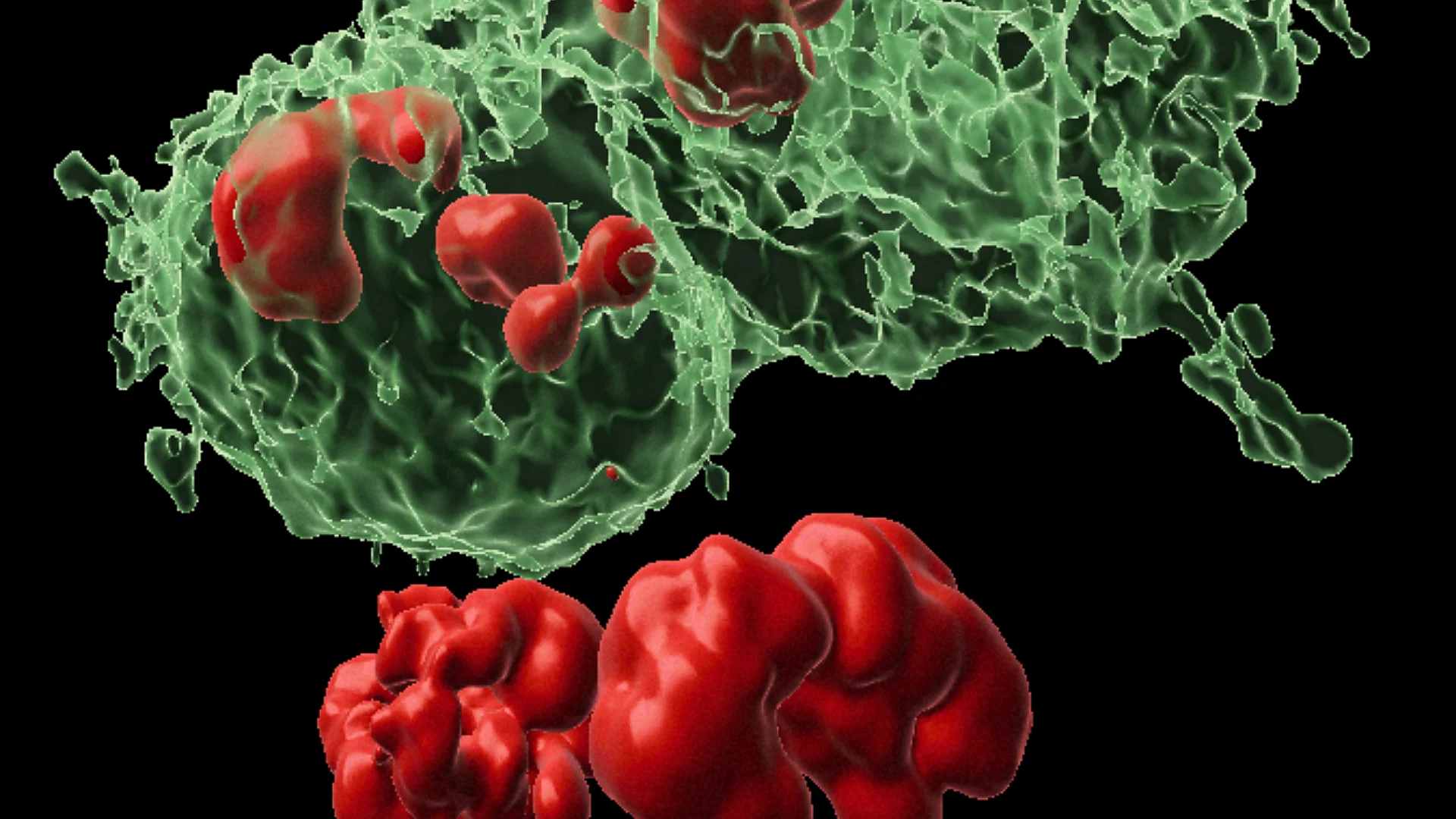
Dronc-activating DARE cells grew from about 10% to nearly 50% of irradiated fruit fly wing disc area within 48 hours, a Weizmann Institute-led study reports.
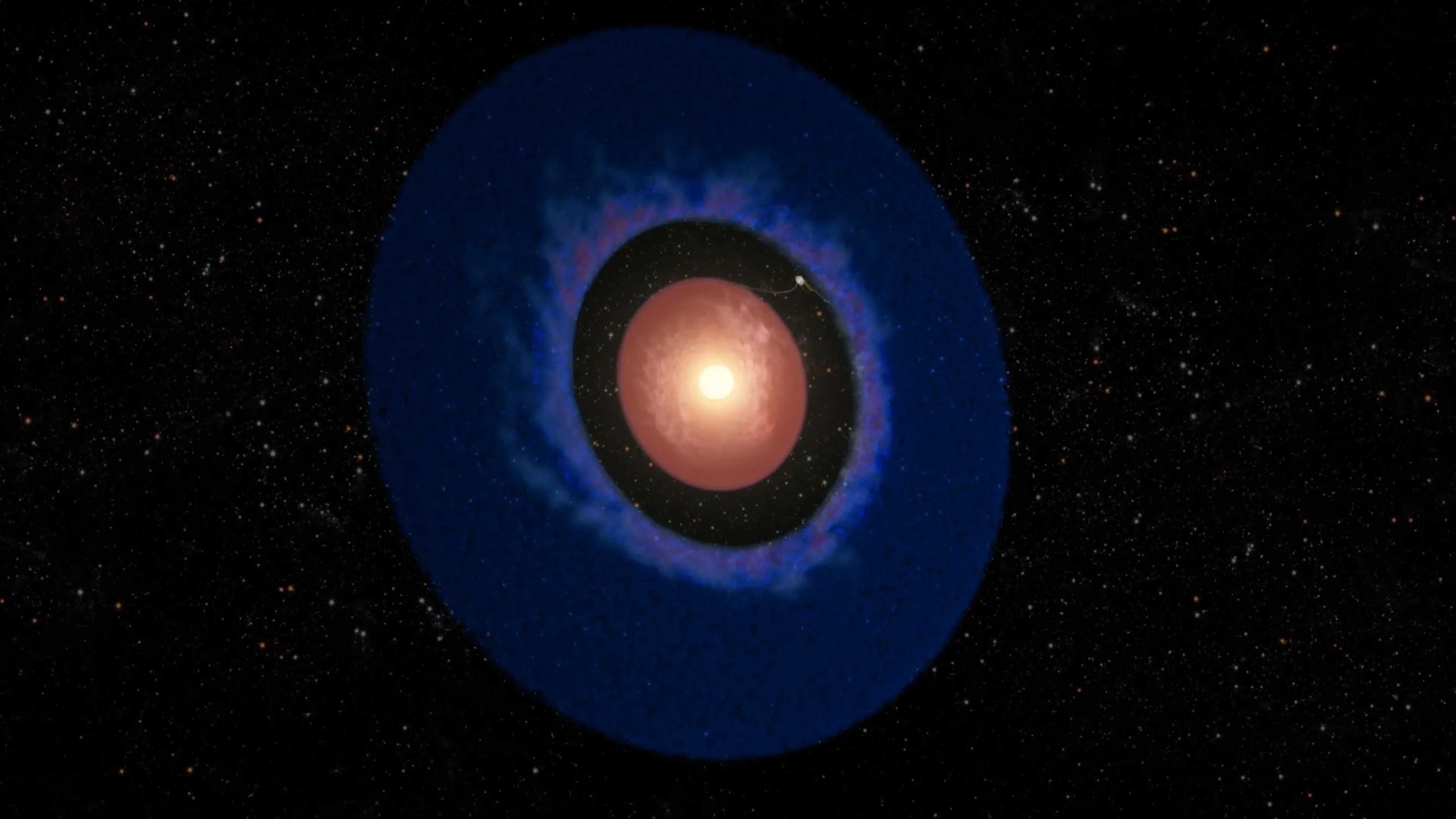
Elias 2-24 b, confirmed via Keck, ALMA and VLT data, is under 1 million years old, roughly five times younger than the previous exoplanet age record.
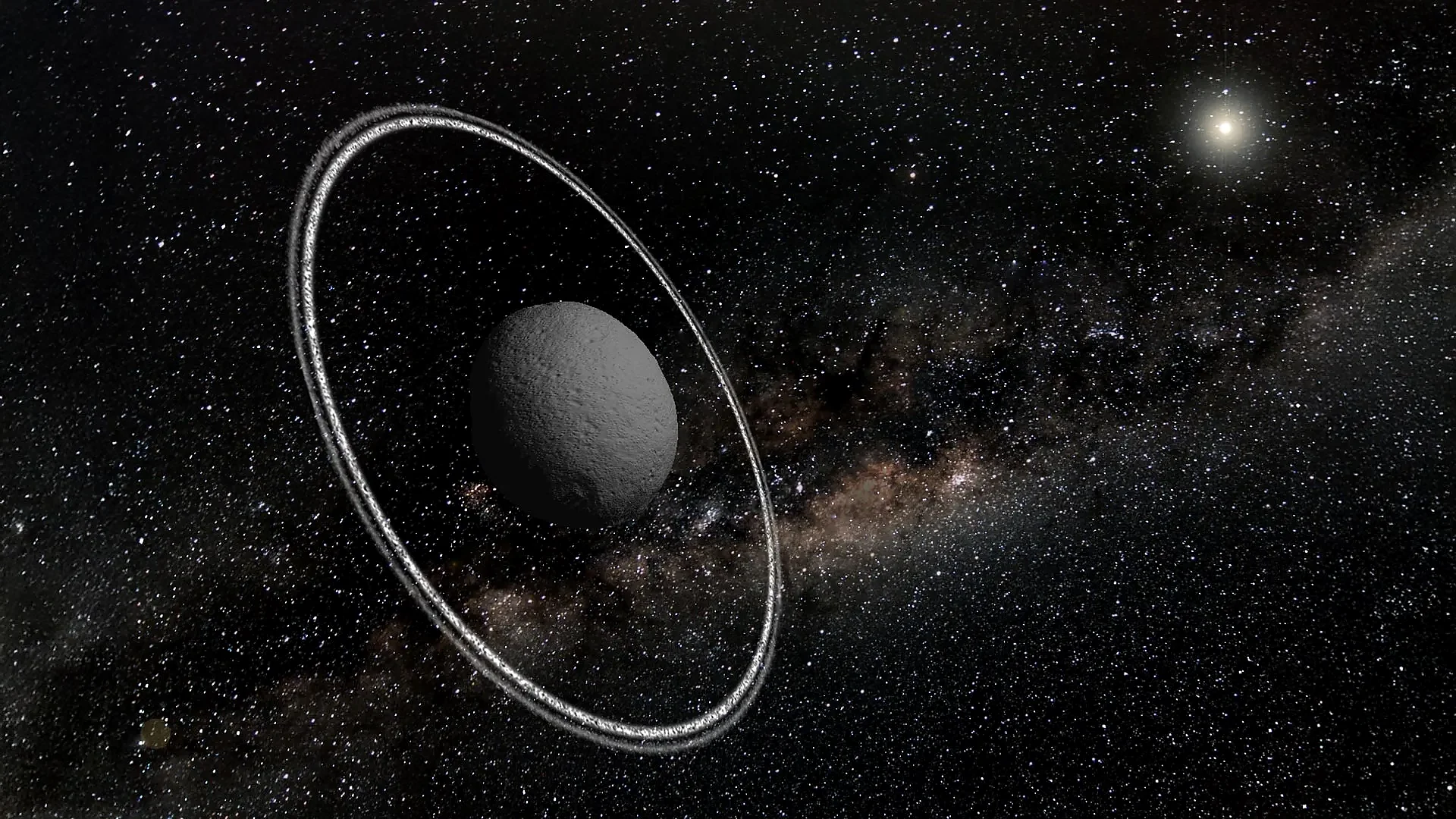
JWST's first predicted-and-observed stellar occultation reveals Chariklo's two rings changing in opposite directions within less than a decade.
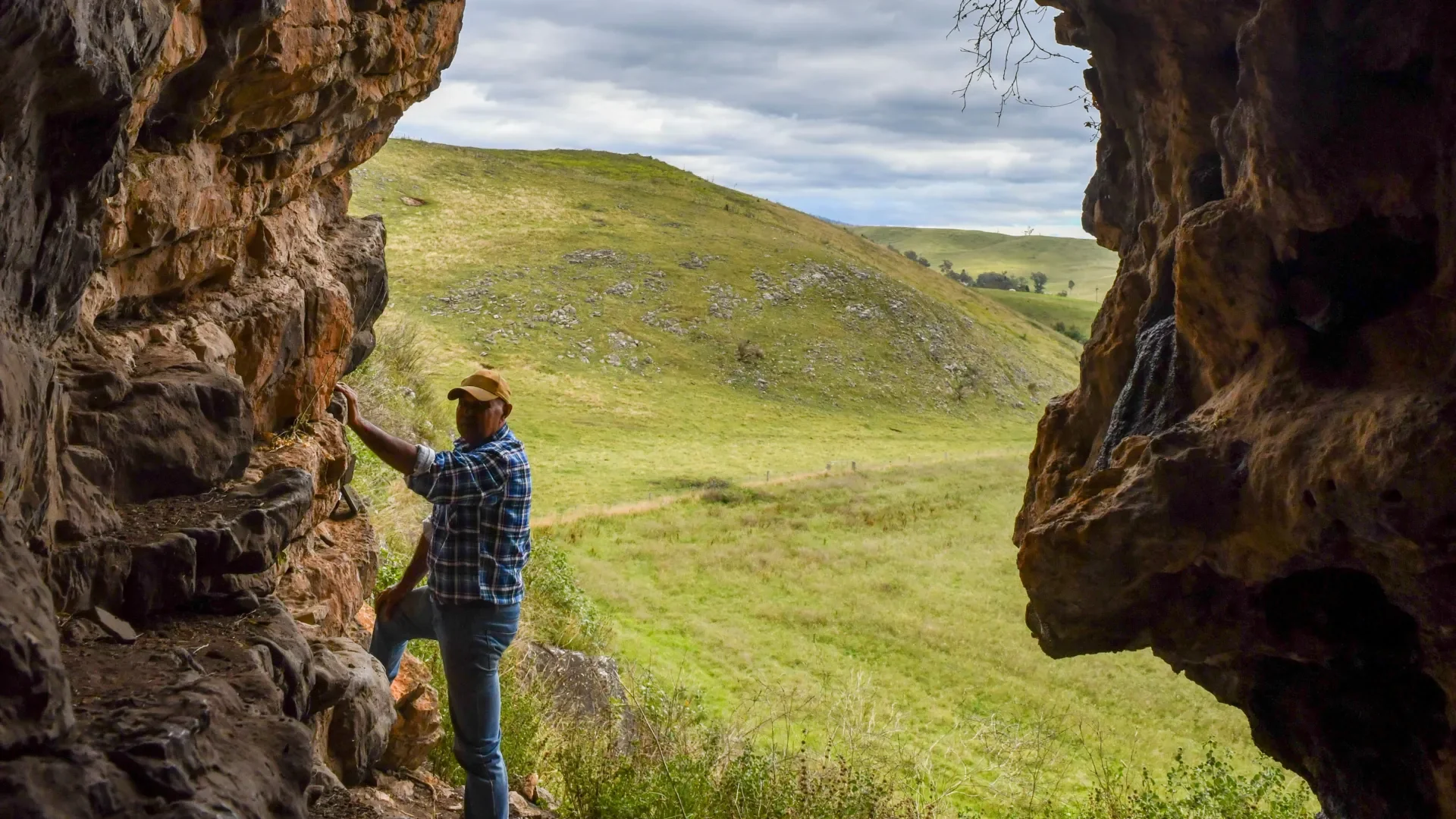
A phytolith study at Cloggs Cave in southeastern Australia found GunaiKurnai Old Ancestors burned whole grasses in ash layers for at least 25,000 years.
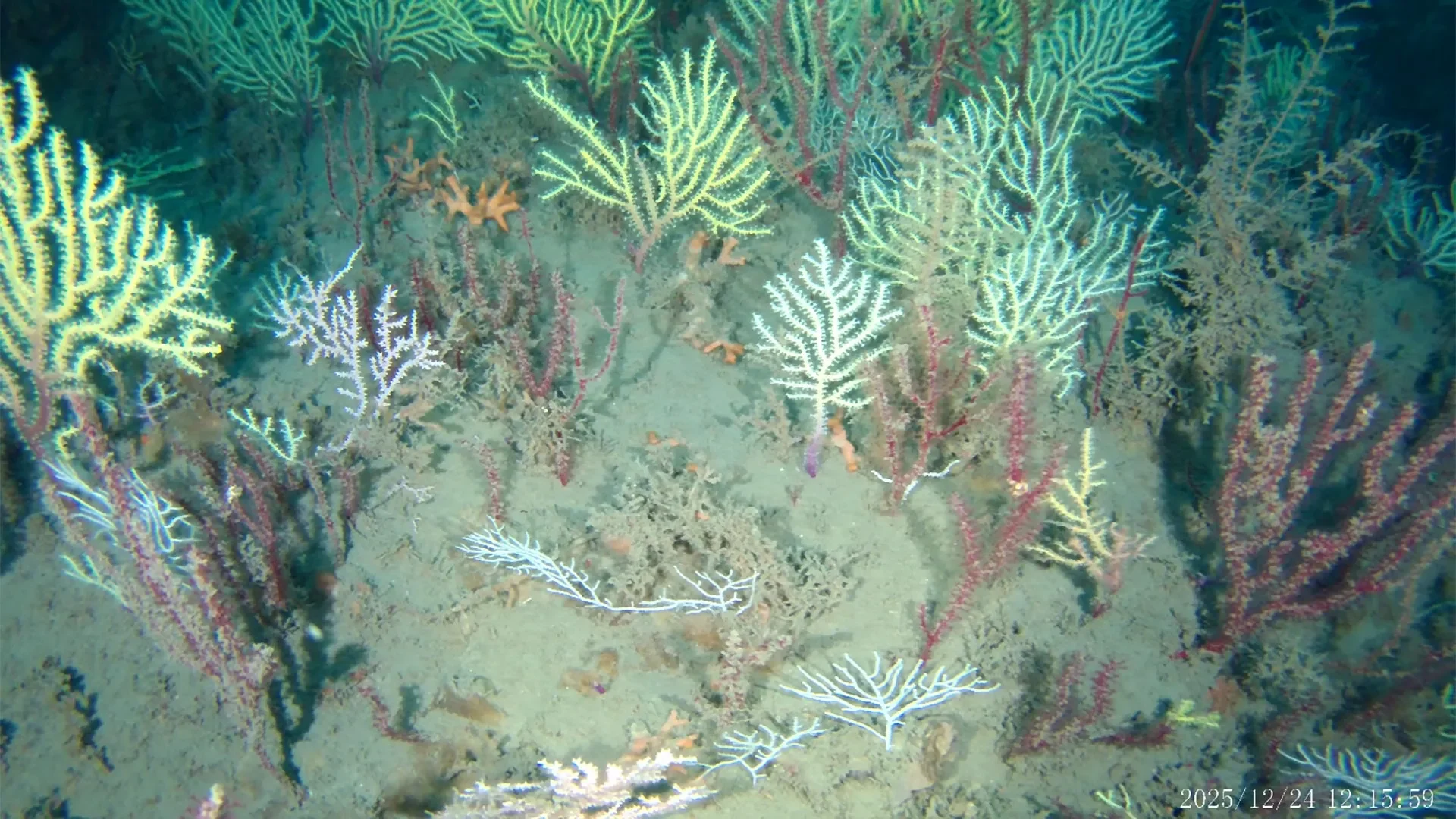
Sonar and a tethered drone found living octocoral gardens 54 meters deep off Benin, West Africa, reversing a 1966 verdict that had declared the reef dead.
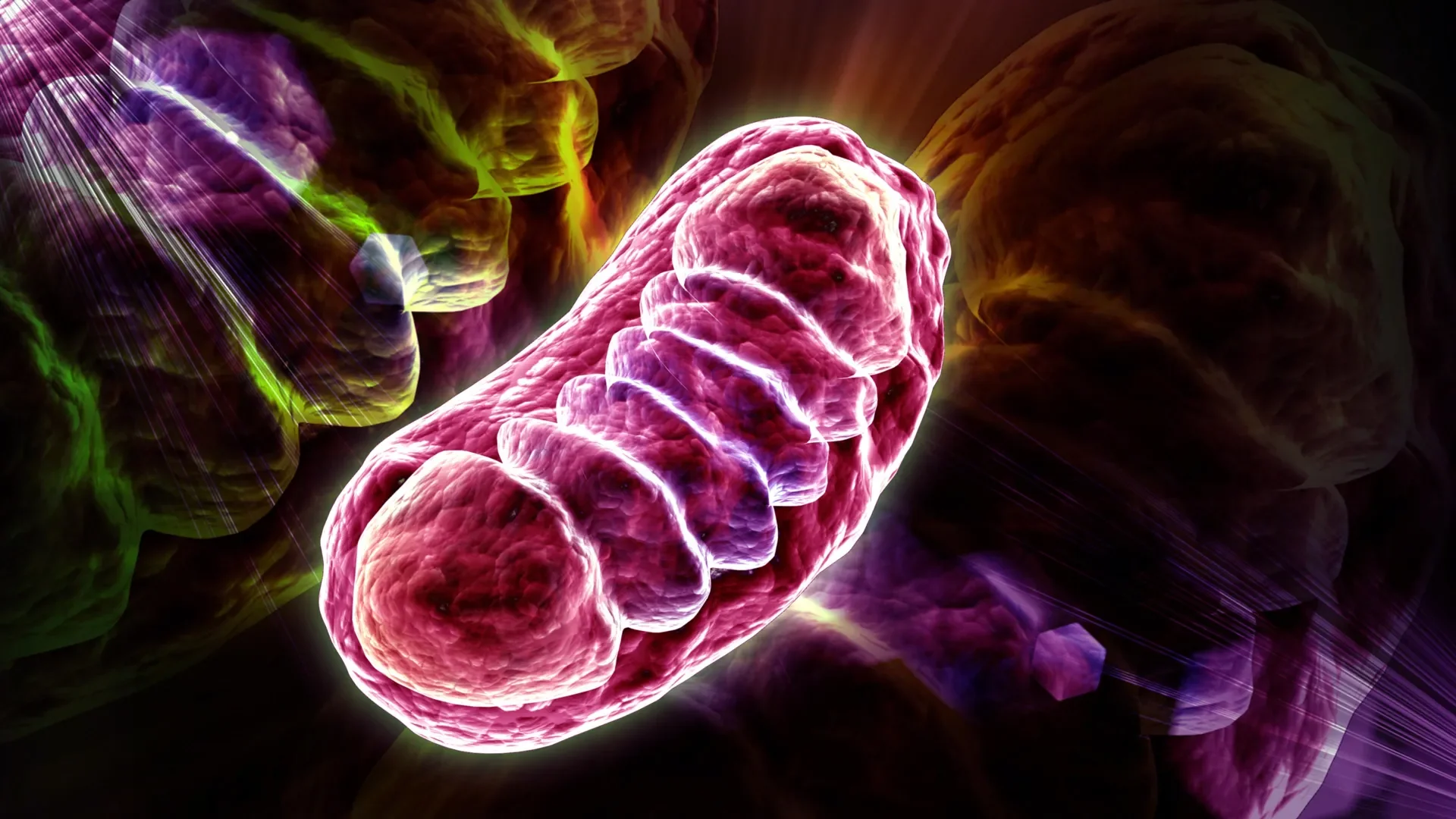
Senescent 'zombie' cells use a mitochondrial acetyl-CoA switch to activate inflammatory SASP genes, and blocking it eased frailty in aged mice, Nature reports.