
The Market for Lemons: How Hidden Quality Wrecks a Market
Asymmetric information about quality can push good products out of a market entirely. Akerlof's 1970 lemons model explains why, and how markets adapt.
Authoritative analysis of macroeconomics, central bank monetary policy, inflation trends, labor markets, and global trade agreements. We provide context on fiscal policies shaping international economic stability.
Asymmetric information about quality can push good products out of a market entirely. Akerlof's 1970 lemons model explains why, and how markets adapt.

South Korea's economy is now about 22 times bigger per person than North Korea's. 2024 Nobel-winning research on institutions explains why the gap opened.

Rising AML and KYC compliance costs come from structural drivers: manual case review, ongoing customer re-verification, and duplicated work across borders.
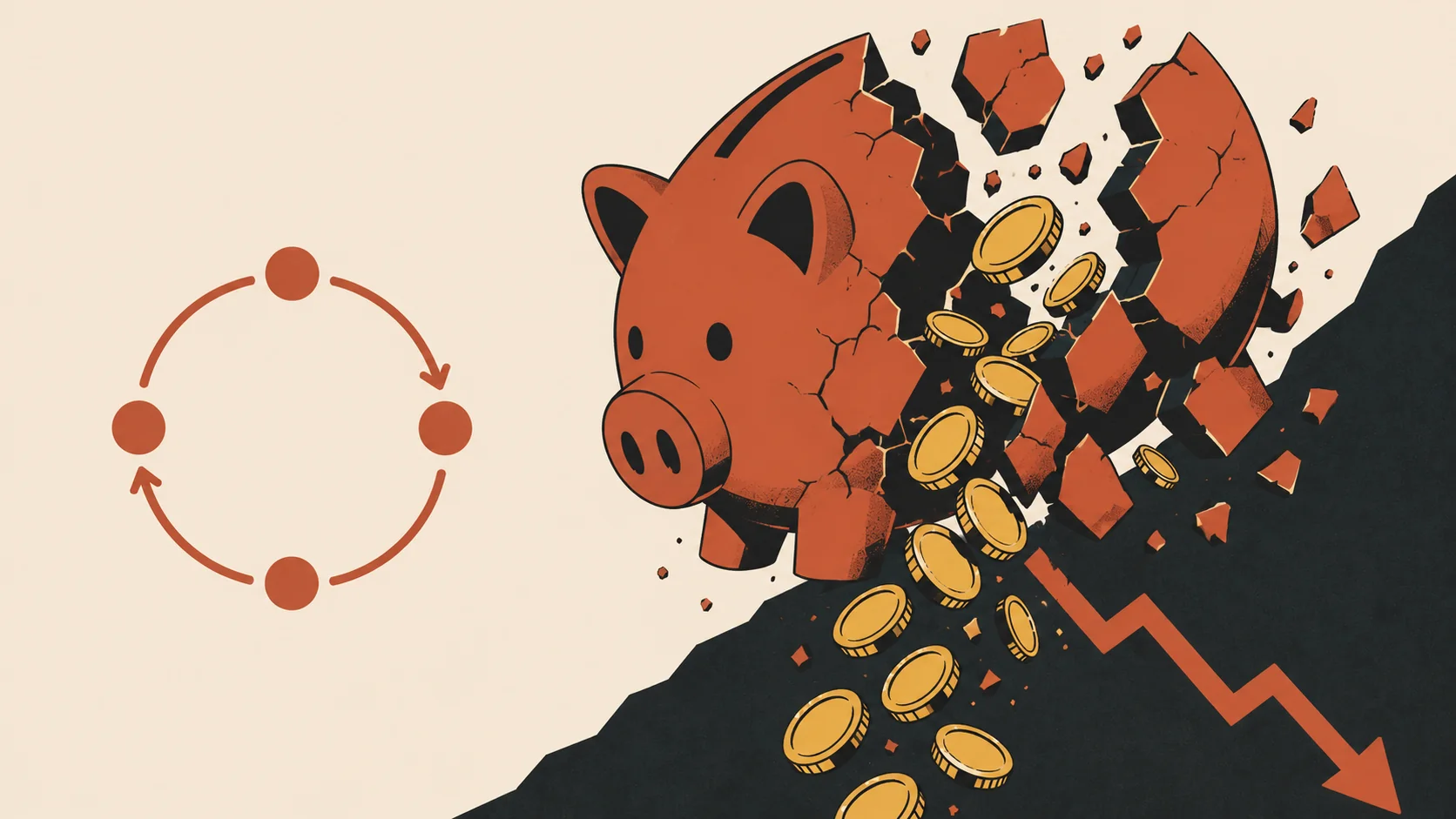
Keynes's paradox of thrift explains why saving more in a downturn can shrink the economy. The mechanism, real U.S. saving-rate data, and where the theory breaks down.
The middle-income trap isn't one problem: it's the handoff between labor-intensive growth and a knowledge economy, and automation is making it harder.

In August 1971, Nixon ended the dollar's gold convertibility, closing Bretton Woods and starting the fiat-money era that still shapes inflation debates today.

Iran's rial fell to 2.02 million per dollar as Treasury's Bessent unveiled sanctions on shipping, oil, gold and crypto tied to Tehran's trade network.
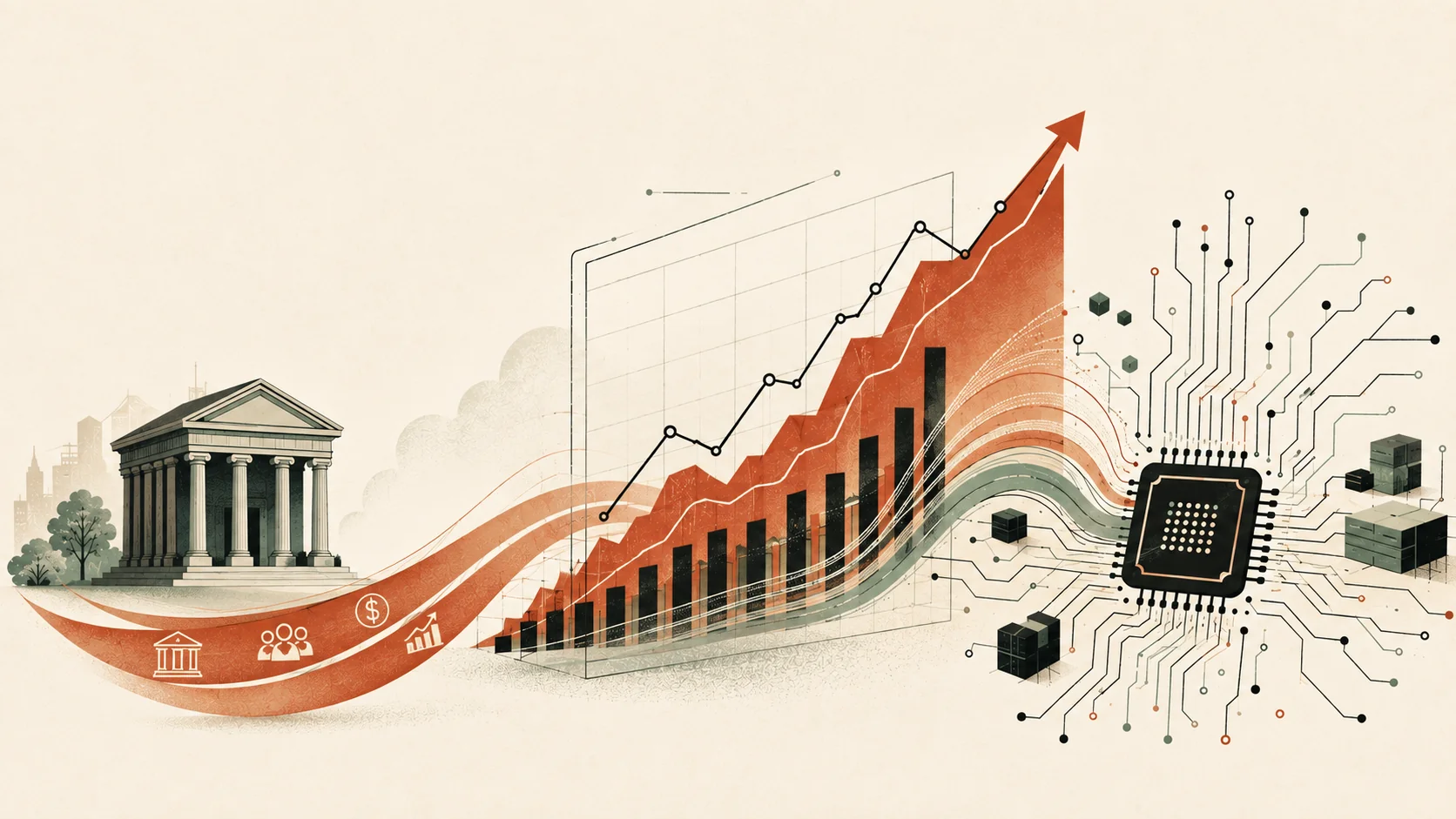
CXMT's 500%-plus Shanghai debut made it China's top listed firm, capping Beijing's shift from subsidies to stock and bond markets to fund its AI buildout.

EU bonds are AAA-rated and near €1 trillion, but a 50-basis-point spread over German Bunds explains why a true European safe asset still doesn't exist.