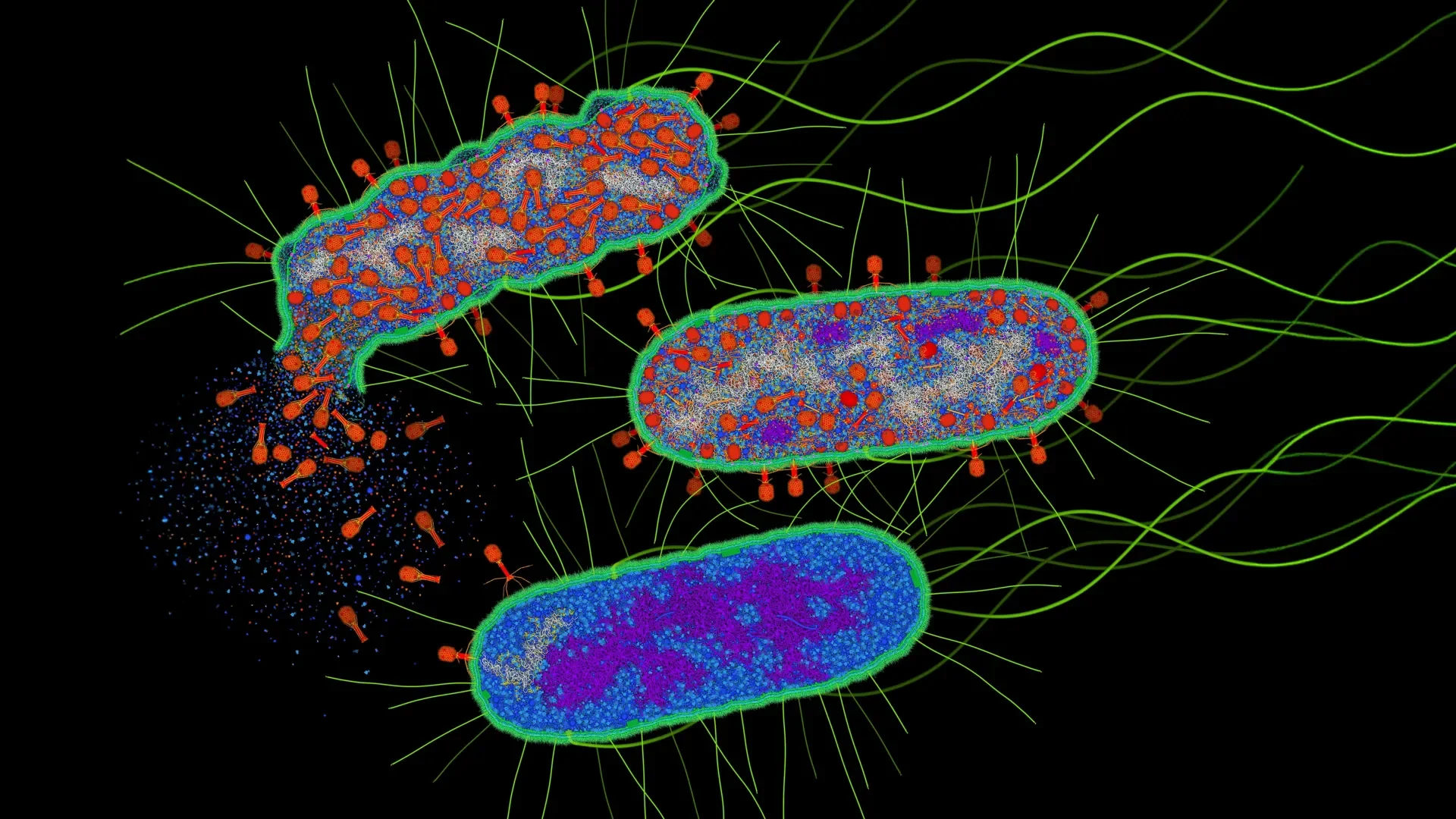
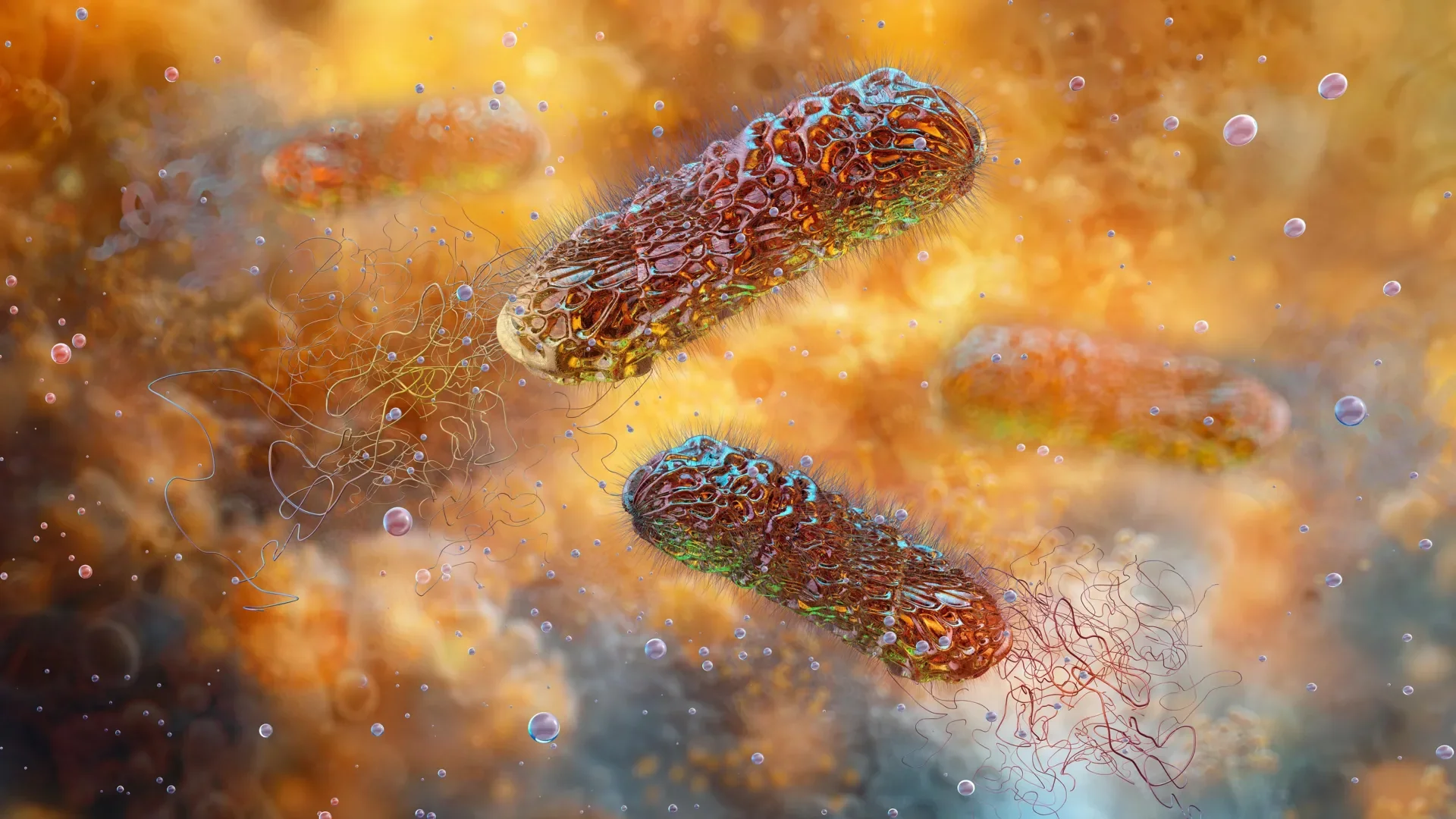
A 30-Amino-Acid Loop Lets Bacteria Detect Phage Proteases and Trigger CBASS Defense
Phage proteases activate CBASS by cutting a ~30-residue loop in bacterial CD-NTase enzymes; a Science study maps the loop across about 24% of operons.
In-depth reporting on evolutionary biology, zoology, molecular genetics, and ecological adaptation. We explore biodiversity, phylogenetic taxonomy, and organismal physiology across diverse ecosystems.
Phage proteases activate CBASS by cutting a ~30-residue loop in bacterial CD-NTase enzymes; a Science study maps the loop across about 24% of operons.
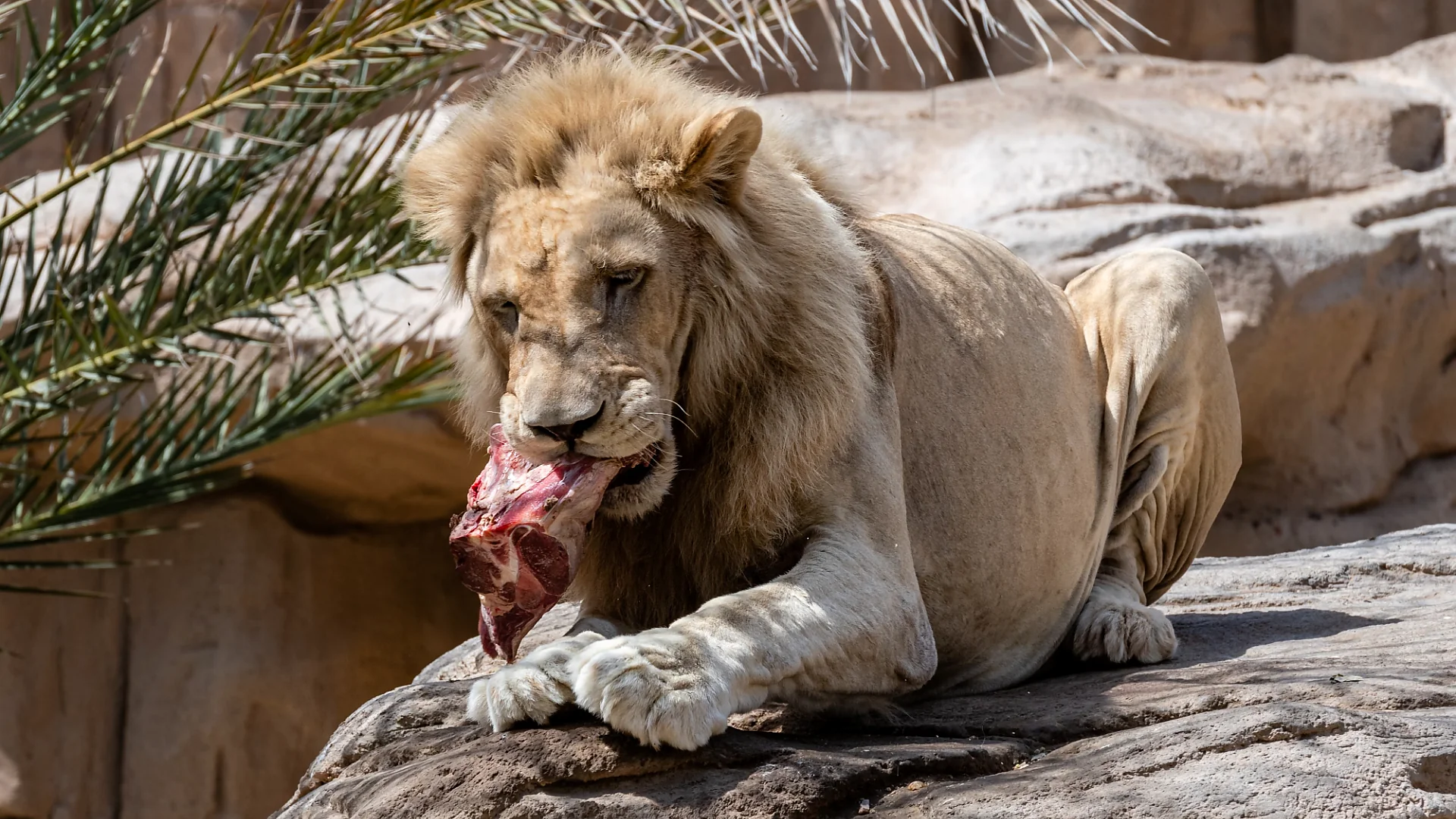
Lions at an Australian safari park fed whole carcasses every nine days ate nearly three times longer, rested more, and paced more in month two of a 2026 study.
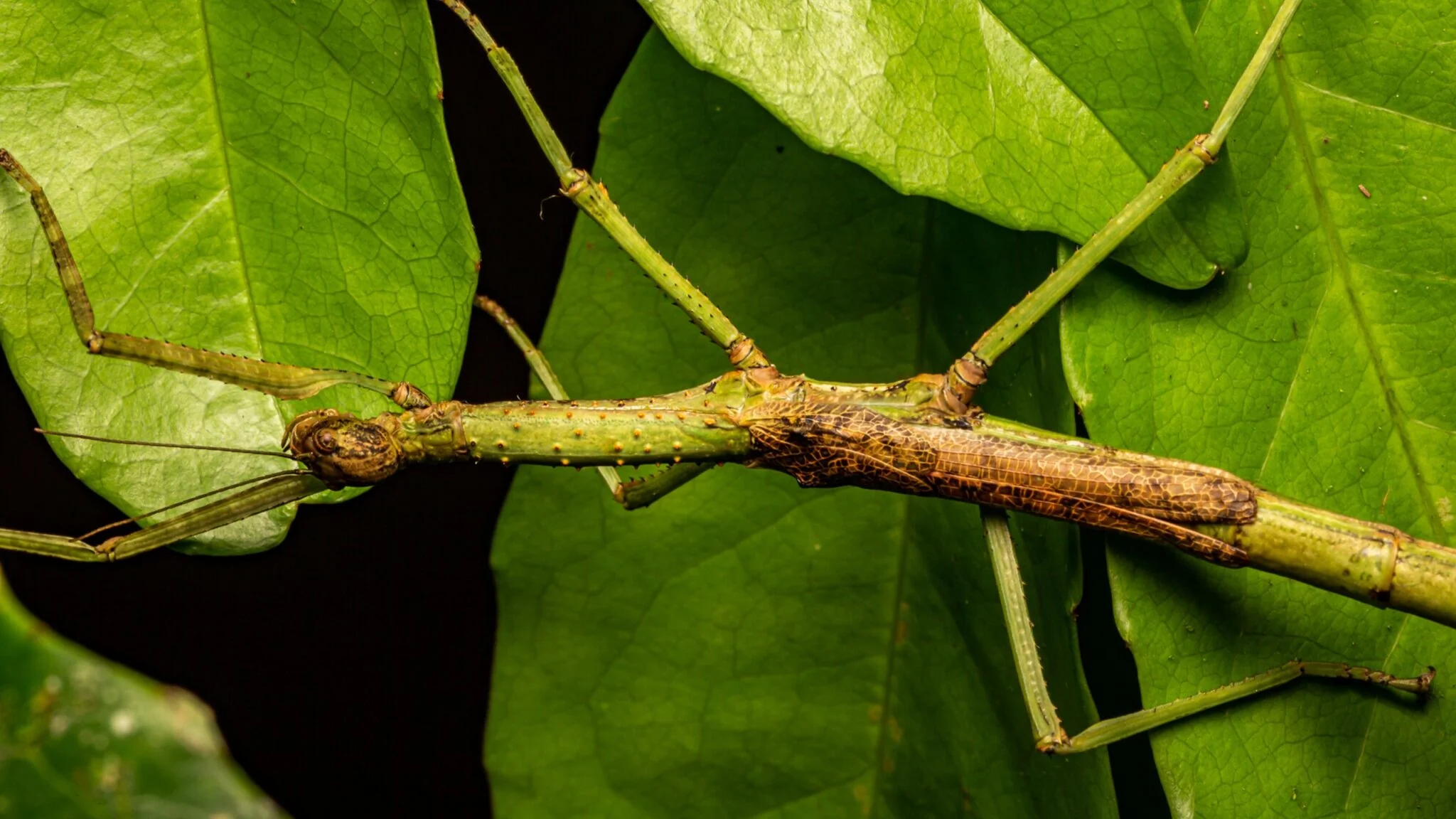
Anchiale stick insects in Australia are five species, not two: a 2026 DNA and museum review adds A. robusta and A. mabiensis, the latter with ringed egg lids.
Resurrected lactoferrin ancestors show a 100,000-fold S. aureus viability drop, beating the modern human peptide's 100-fold effect, PLOS Biology reports.
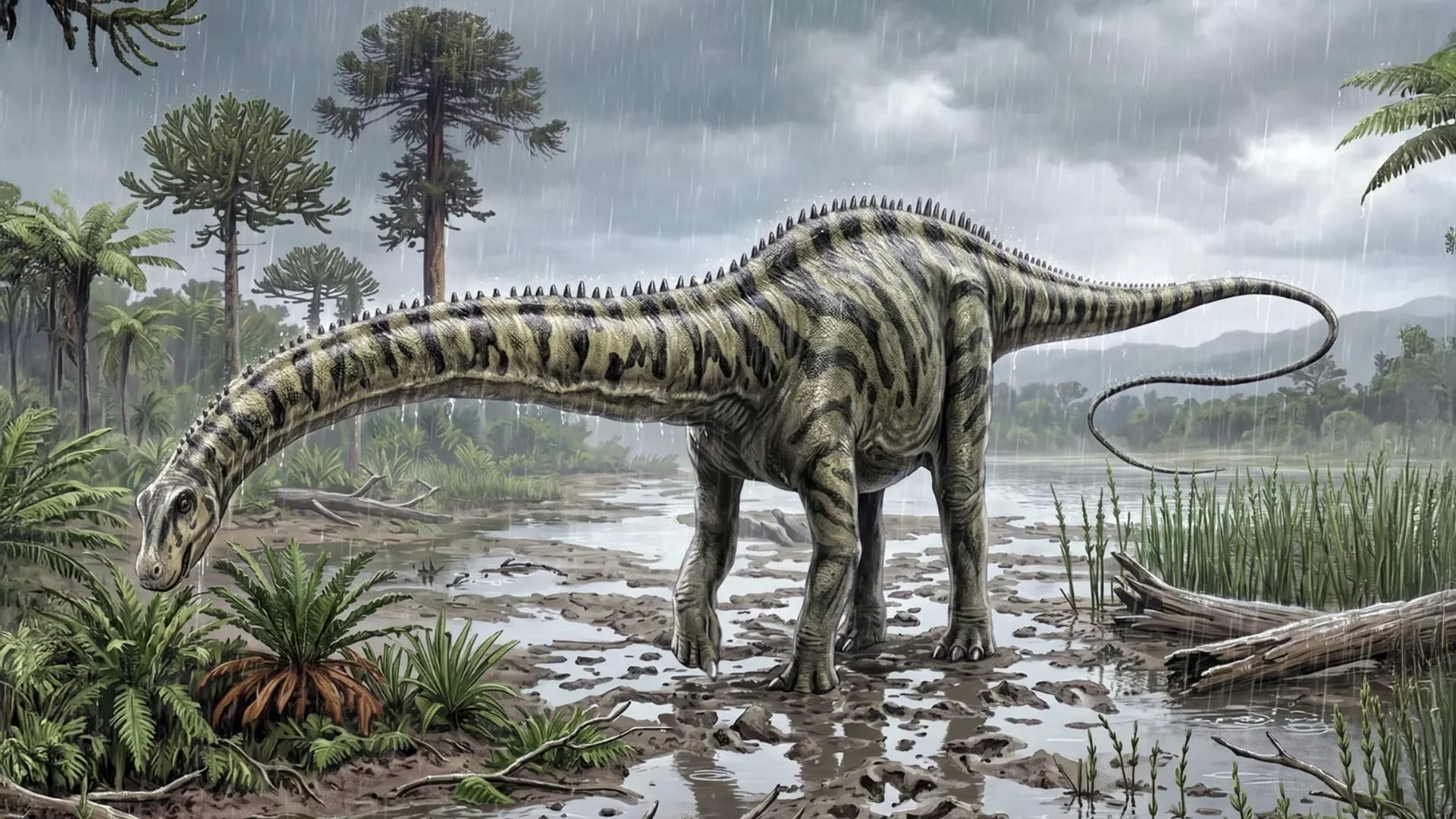
Diplodocus in Spain: 14 tail vertebrae from Teruel are the first formal European record. Three of five experts back the ID; two call the tail too thin.
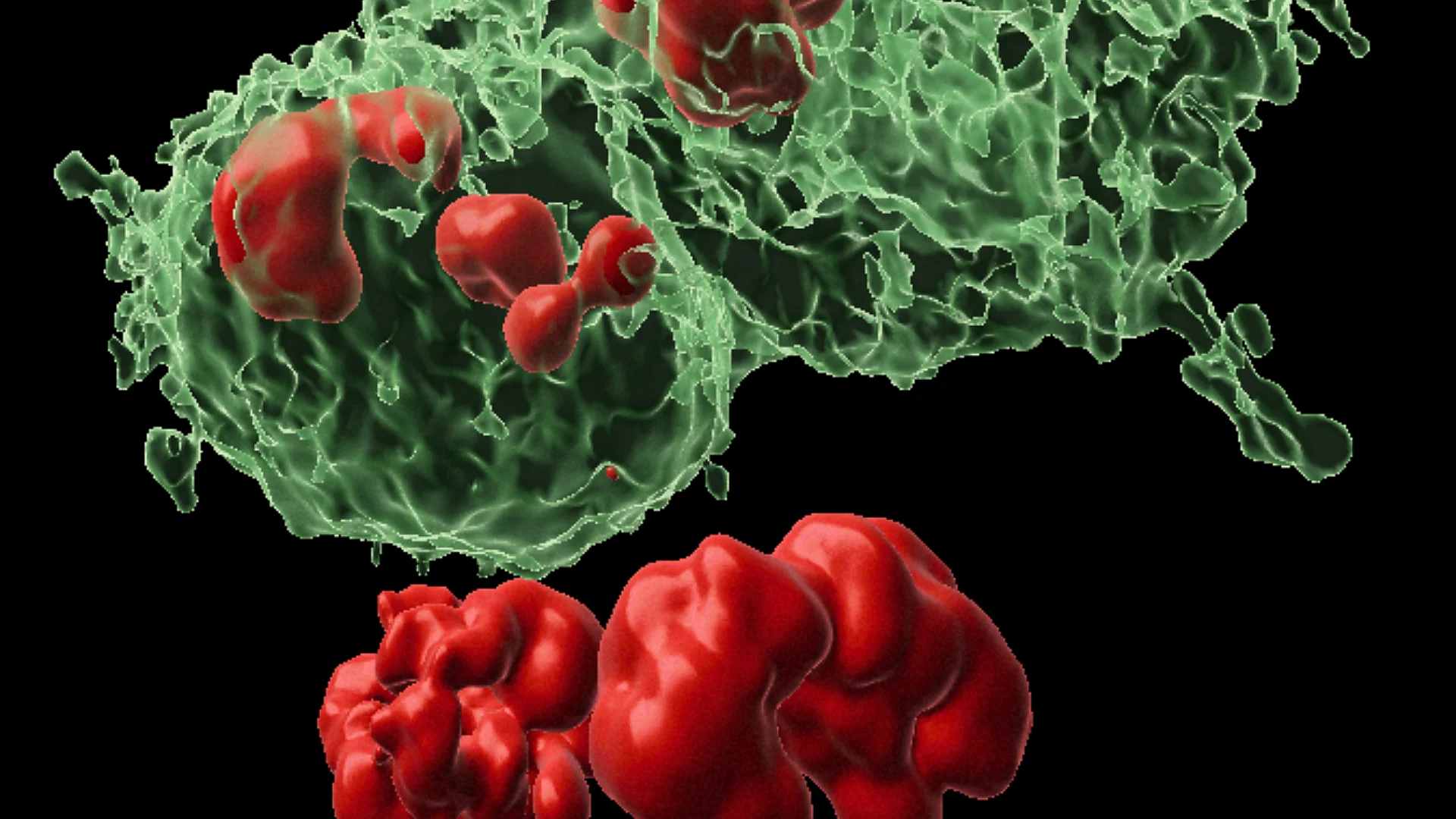
Dronc-activating DARE cells grew from about 10% to nearly 50% of irradiated fruit fly wing disc area within 48 hours, a Weizmann Institute-led study reports.
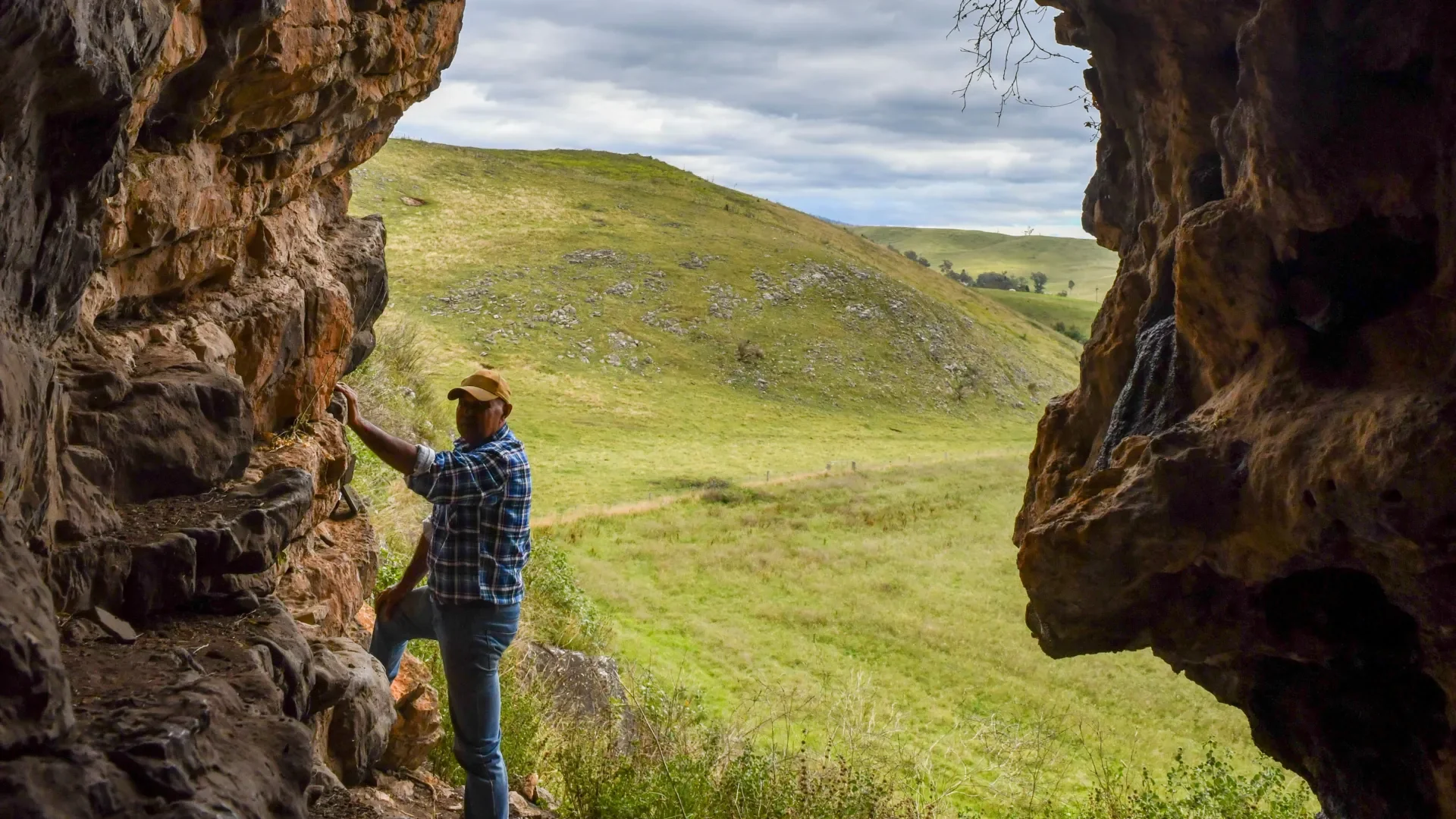
A phytolith study at Cloggs Cave in southeastern Australia found GunaiKurnai Old Ancestors burned whole grasses in ash layers for at least 25,000 years.
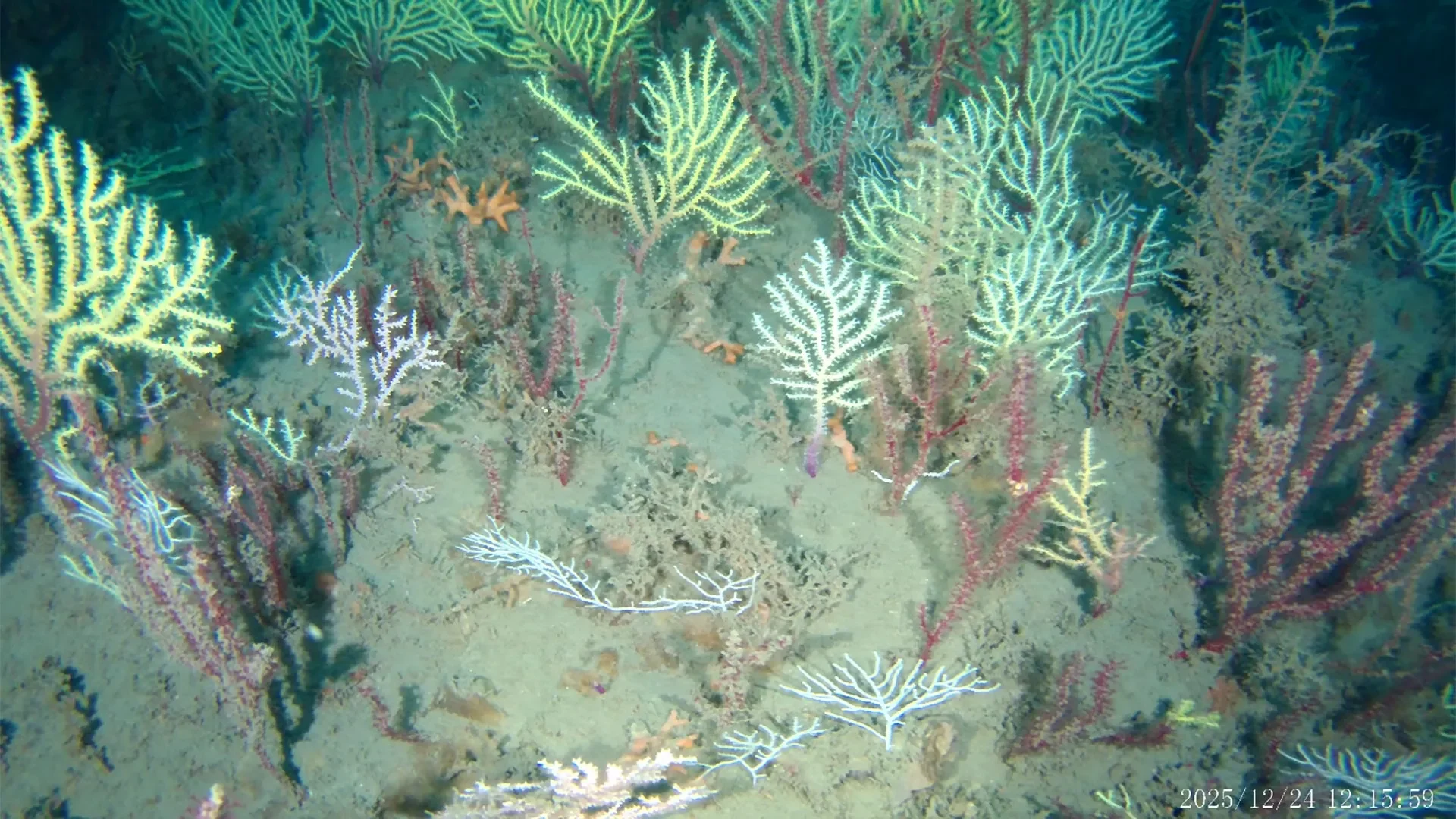
Sonar and a tethered drone found living octocoral gardens 54 meters deep off Benin, West Africa, reversing a 1966 verdict that had declared the reef dead.
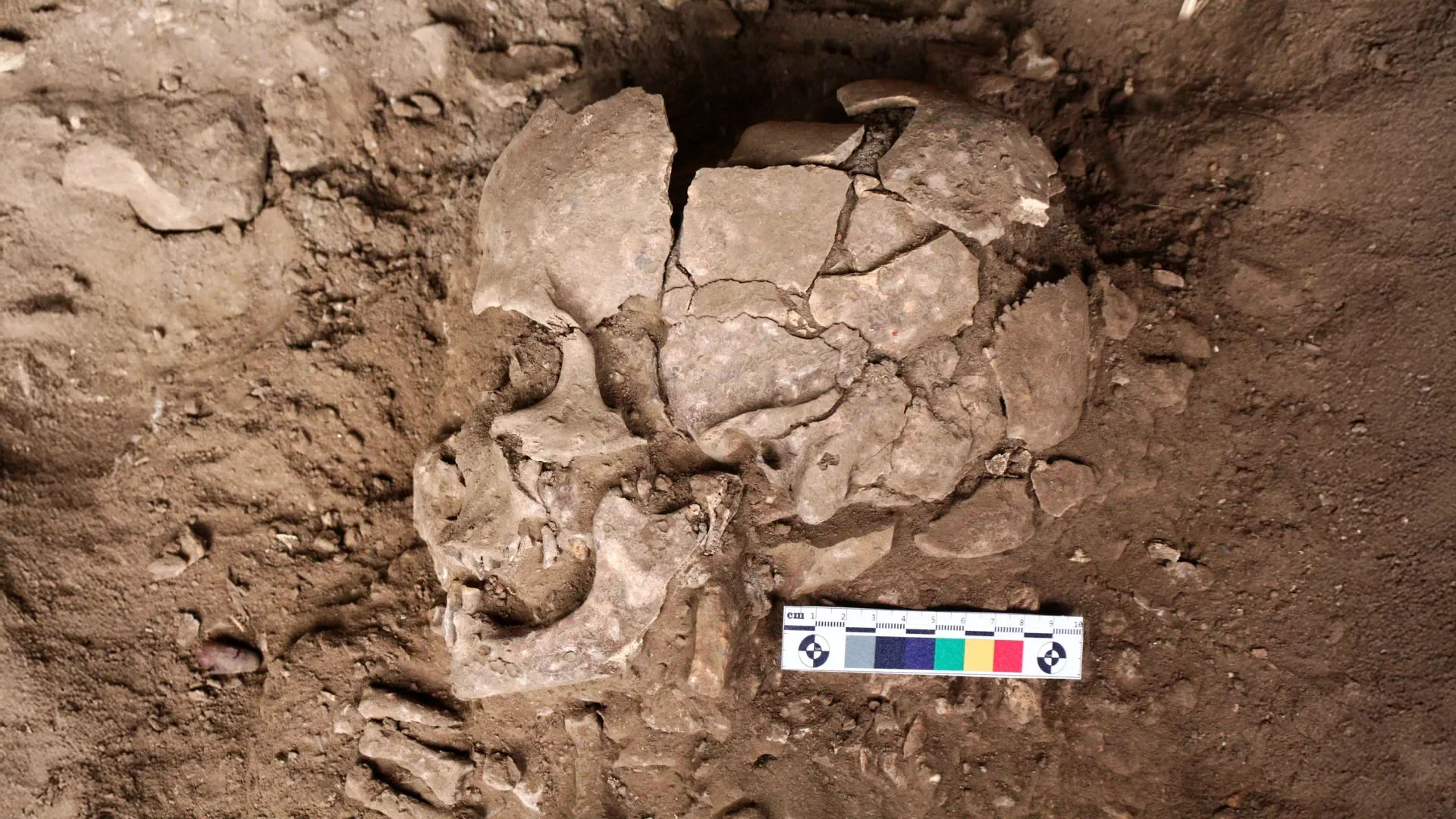
Grooved teeth from Sulawesi show foragers sucked betel nuts as early as 25,000 years ago, releasing arecoline in the mouth long before farming began.