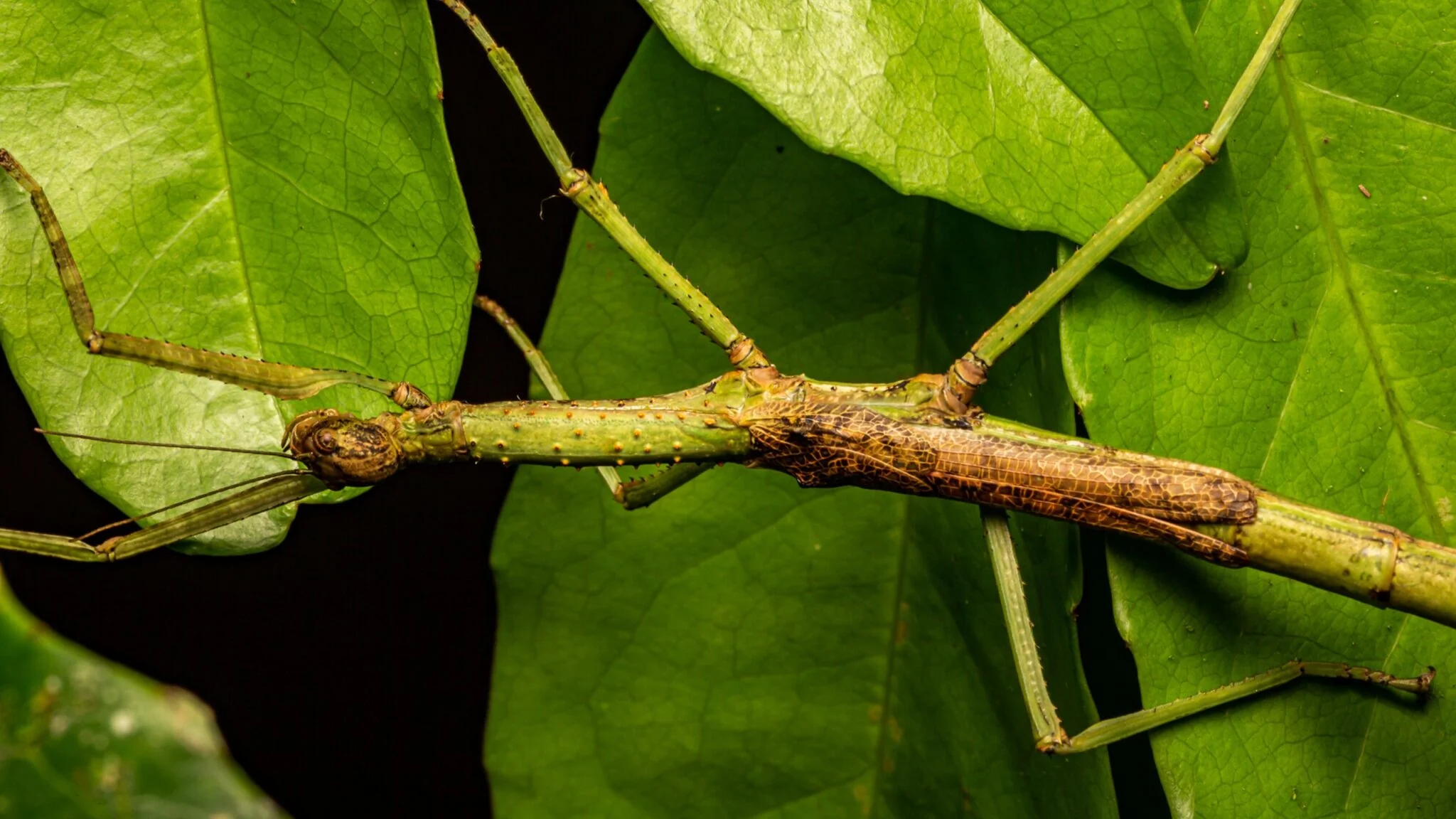
A 2026 revision of the stick insect genus Anchiale in Australia recognises five species where two were accepted before, including two new to science. The University of Sydney team led by Braxton Jones combined museum specimens, field surveys, captive populations, citizen-science records and DNA from 32 specimens.
Five Anchiale species now span northern New South Wales to the tropical north
Jones and colleagues revised the Australian members of Anchiale, a genus the authors count at 16 species across tropical Australasia, with French Polynesia tentatively included. They examined museum and field-collected animals and sequenced mitochondrial DNA. A summary of the methods reports 35 specimens for morphology, 32 for DNA and 37 further reference specimens, with the analysis centred on the COXI gene and run under Bayesian and maximum-likelihood methods.
The five Australian species are Anchiale albopunctata, A. briareus, A. mabiensis, A. robusta and A. spinicollis. The name A. austrotessulata is treated as a synonym of A. briareus. The net change is three: two names are new and one is revived. The chart below shows how the total of five is built.
Anchiale robusta sat under another name in records dating to 1976
The large species now called Anchiale robusta has been in the record for decades. Its egg case was misidentified as Ctenomorphodes briareus at least as far back as 1976, a name that was folded into Anchiale briareus in 2007 when the older genus name was treated as a synonym. The new analysis found genetic and anatomical differences from A. briareus, despite the two being close relatives.
A. robusta lives in coastal rainforest from Tully to north of Cooktown, a range of at least 450 kilometres, and feeds on several plants, often acacias. Females can flash dark, patterned hindwings as a defence. The female holotype measures 160 millimetres, and one report puts the maximum at 16.2 centimetres.
Set against A. mabiensis females at about 115 millimetres, that is a gap of roughly 45 millimetres, or about 39 percent. The figures come from different reports and mix a type specimen with an approximate length, so the percentage is indicative only. Size is secondary evidence here anyway. Jones told a regional news outlet that the eggs alone can identify the species.
Anchiale mabiensis is recorded only from the Mabi forest remnants of the Atherton Tablelands
The second new species has been found so far only in Mabi forest, a rare mesophyll vine forest on basalt soil that is critically endangered. As of 2021 about 1,050 hectares remained, split into fragments within farmland. Adults have been recorded feeding on grey sassafras, Doryphora aromatica. The name comes from the Dyirbal and Yidiny word for Lumholtz's tree-kangaroo, another resident of the forest.
Its eggs carry the species' clearest signature. The lid has two to three inner rings around a raised central cone, a structure the authors did not find in the other Australian species. The University of Sydney release says the lid is unlike anything recorded before in stick insects or their closest relatives. A narrow range raises the stakes for that habitat, though a formal threat assessment for the species is a separate step from describing it.
The A. albopunctata genetic split stays unresolved and outbreak species now need re-sorting
A. albopunctata, from central Queensland, had been treated as part of A. briareus since 1908. The authors reinstated it using anatomy and genetics. Within it, the COXI sequences fall into two major groups about 4.8 percent apart, yet no matching physical differences turned up, so the authors kept one species for now.
That caution has a reason. Mitochondrial DNA traces maternal lineages only, and a deep split in one gene can reflect geography or history rather than a species boundary. The team also suspects another undescribed species in Cape York and says more specimens are needed first.
| Species | Change in the revision | Evidence or trait reported |
|---|---|---|
| A. albopunctata | Reinstated after treatment as a synonym | Anatomy and genetics; two COXI groups 4.8% apart, not split |
| A. briareus | Retained; A. austrotessulata treated as synonym | Close relative of A. robusta with distinct genes and anatomy |
| A. spinicollis | Listed among the five | Not detailed in the reports reviewed |
| A. mabiensis | New species | Female about 115 mm; two to three inner rings on egg lid |
| A. robusta | New species | Female holotype 160 mm; range of at least 450 km |
The practical stake is outbreak management. The university says a stick insect known for plague-like outbreaks that strip foliage turned out to be more than one species, and that untangling them should help manage forestry and agricultural impacts. The release does not say which of the five species it means. The work was funded by the Australian Biological Resources Study through a National Taxonomy Research Grant and by a CSIRO postgraduate scholarship, and the authors declare no conflicts of interest.
A 30-Amino-Acid Loop Lets Bacteria Detect Phage Proteases and Trigger CBASS Defense
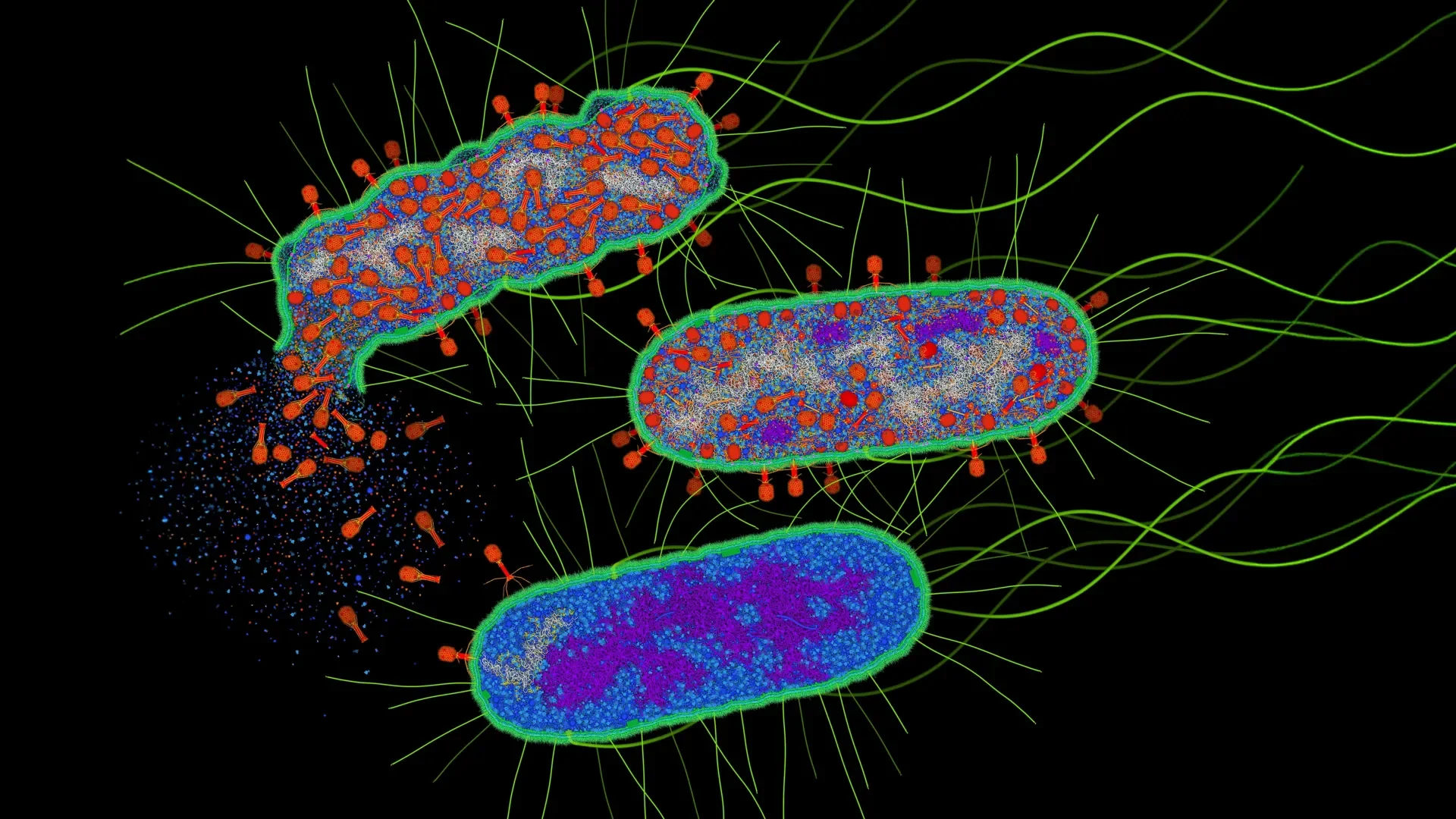
Phage proteases activate CBASS by cutting a ~30-residue loop in bacterial CD-NTase enzymes; a Science study maps the loop across about 24% of operons.
Nine-Day Carcass Feeding Nearly Tripled Zoo Lions' Eating Time and Raised Pacing
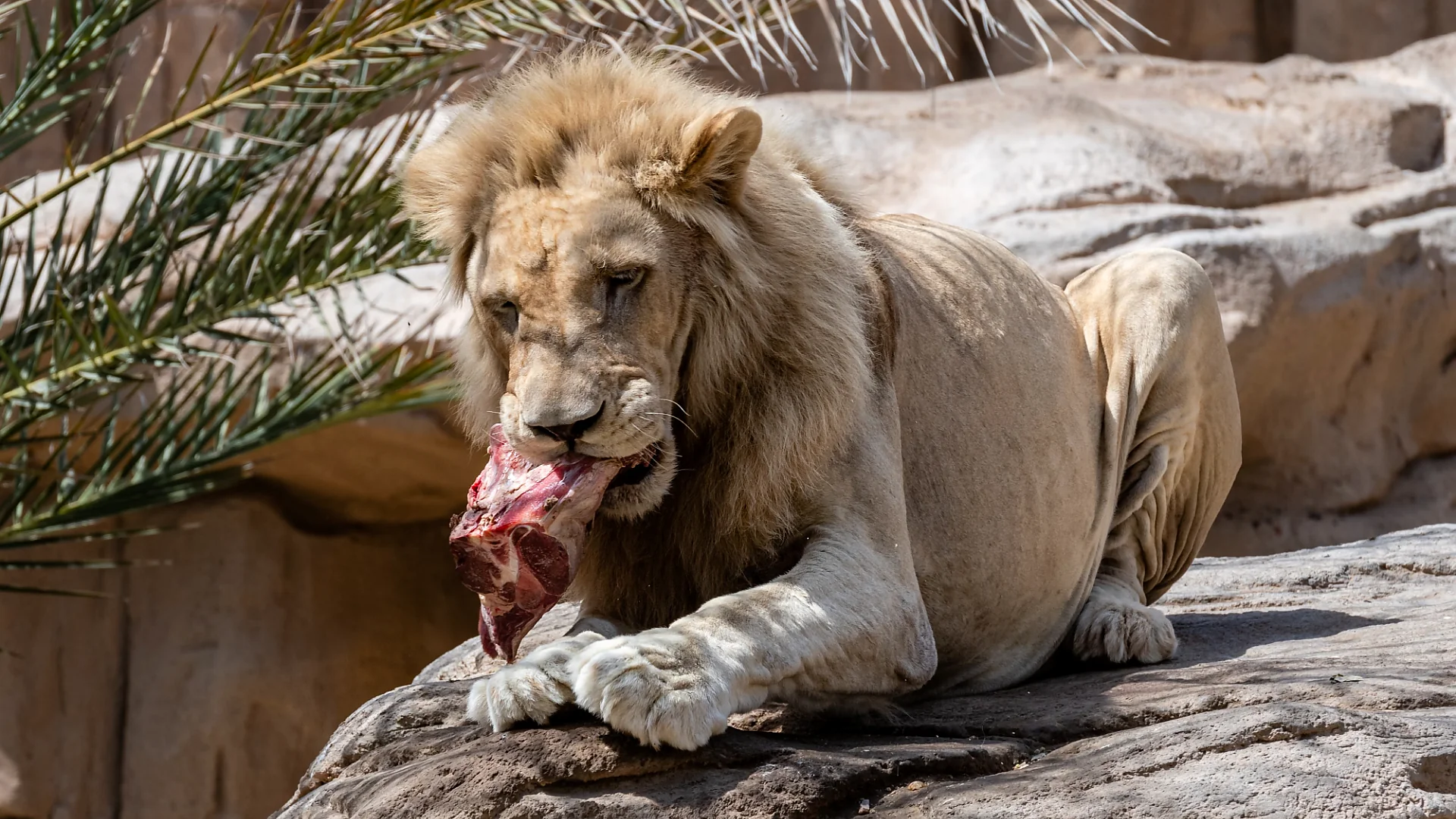
Lions at an Australian safari park fed whole carcasses every nine days ate nearly three times longer, rested more, and paced more in month two of a 2026 study.
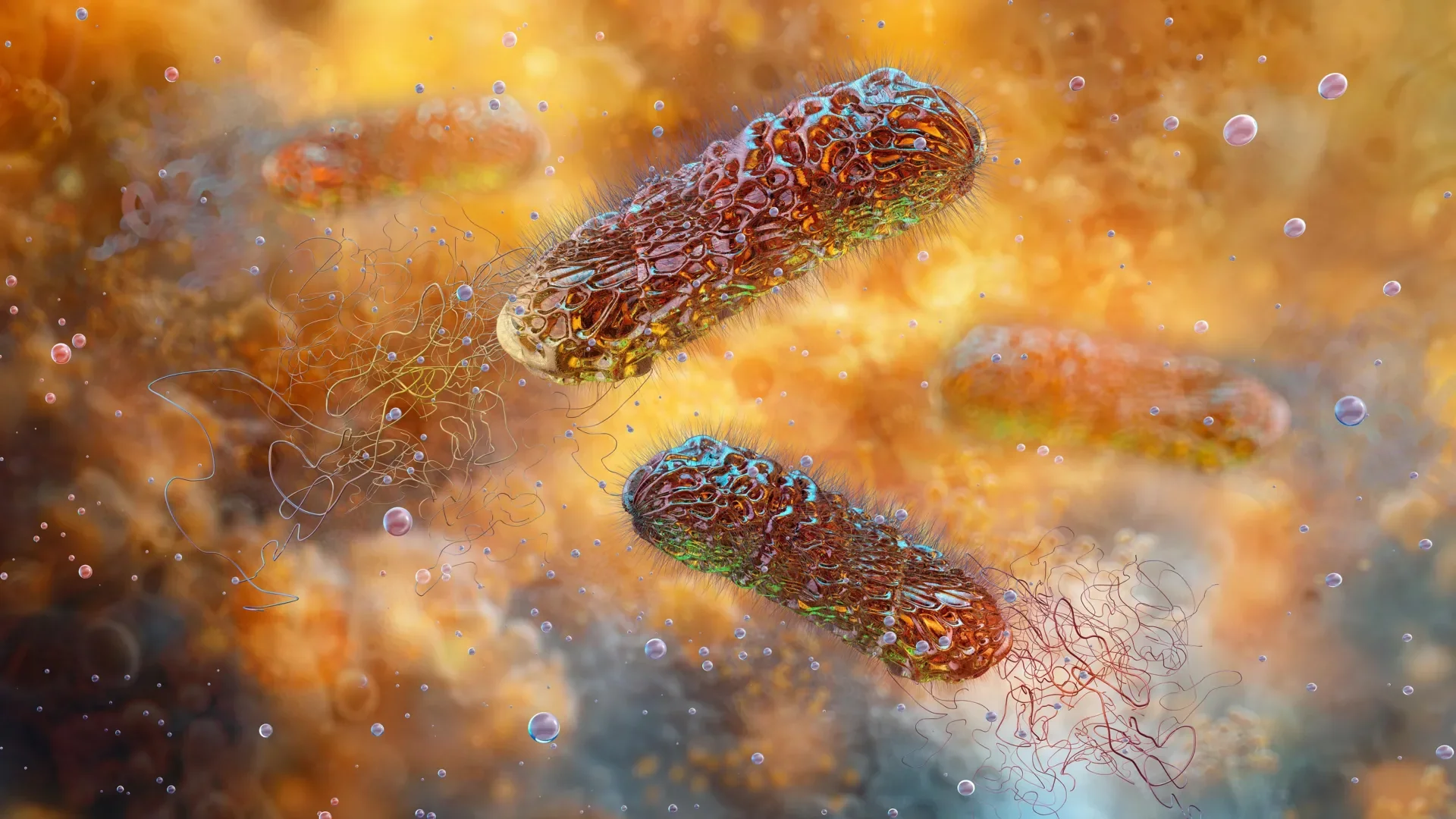
One Arginine Lifted Ancient Lactoferricin, and the Human Peptide Trails Older Versions Against Staph
Resurrected lactoferrin ancestors show a 100,000-fold S. aureus viability drop, beating the modern human peptide's 100-fold effect, PLOS Biology reports.
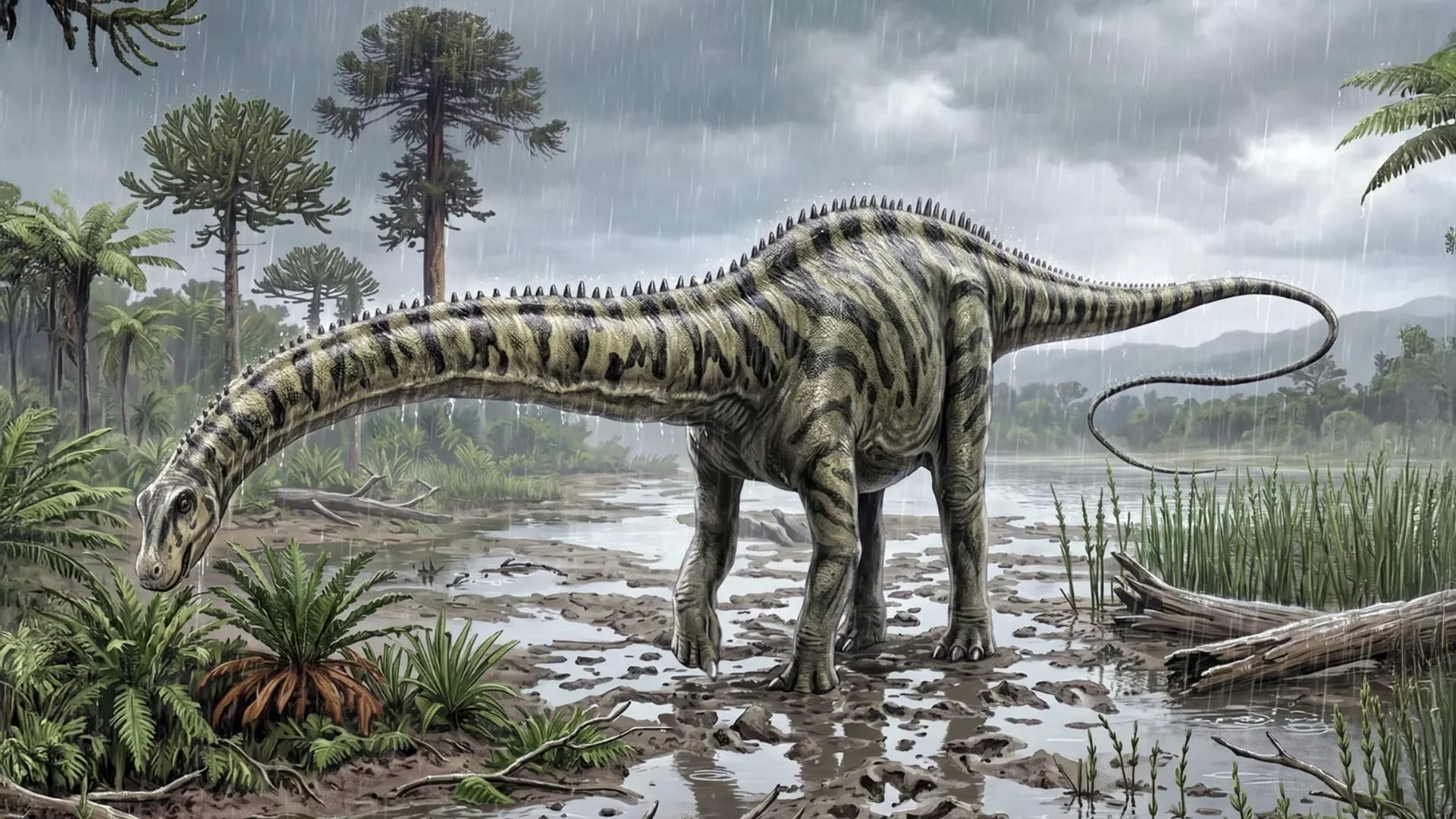
14 Tail Vertebrae Put Diplodocus in Spain. Experts Split on Certainty
Diplodocus in Spain: 14 tail vertebrae from Teruel are the first formal European record. Three of five experts back the ID; two call the tail too thin.
Comments (0)
Please sign in to join the discussion.
No comments yet.
Be the first to share your perspective on this topic.