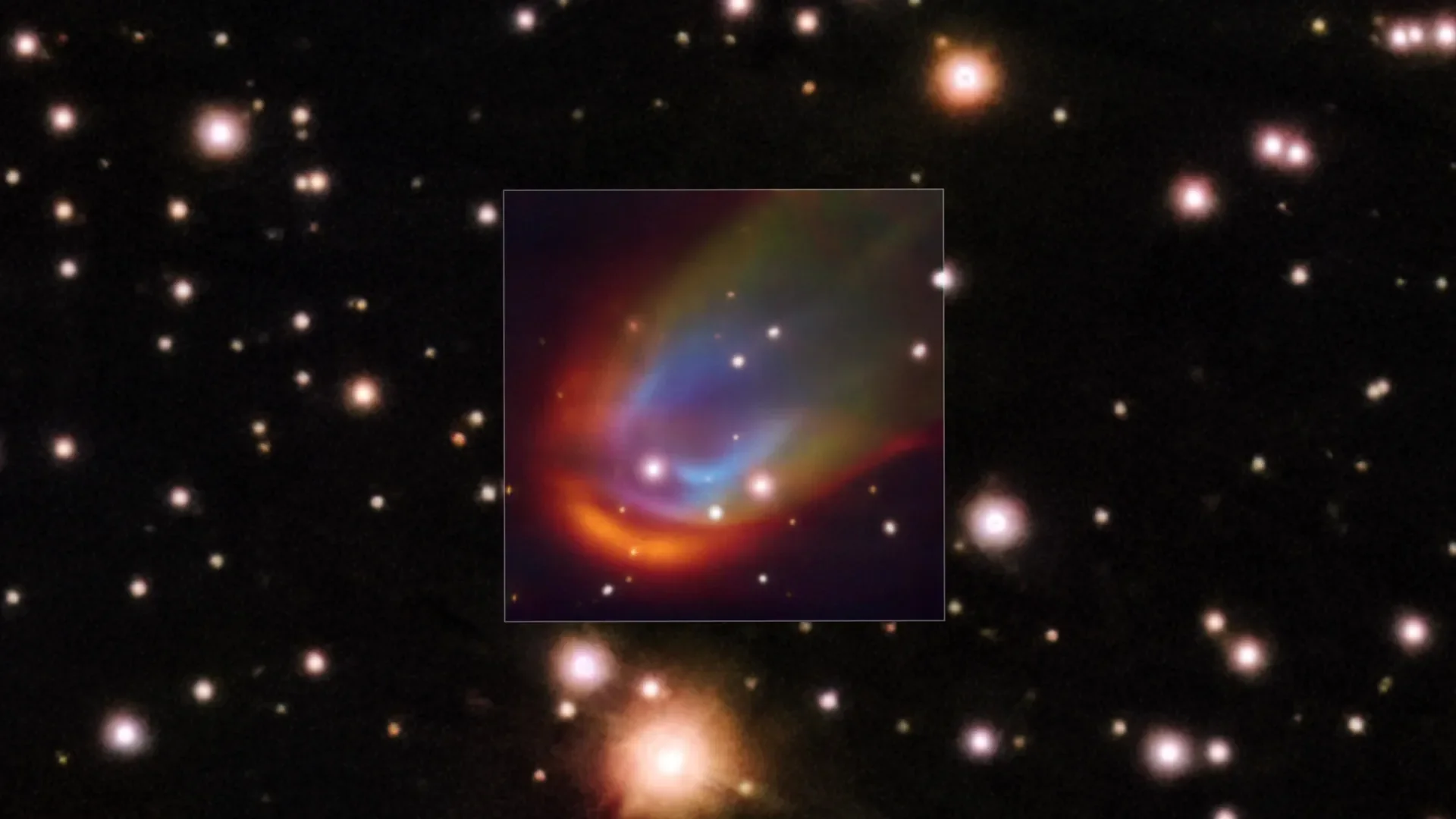
A Diskless White Dwarf's 1,000-Year Bow Shock Has No Known Power Source
Astronomers found a bow shock around white dwarf RXJ0528+2838 that no known mechanism explains: not a nova, not a disk wind, and not even its own 42-45 MG magnetic field.
Comprehensive coverage of astrophysics, observational astronomy, planetary science, and deep-space missions. We examine cosmic phenomena from magnetars and black holes to space telescope discoveries.
Astronomers found a bow shock around white dwarf RXJ0528+2838 that no known mechanism explains: not a nova, not a disk wind, and not even its own 42-45 MG magnetic field.
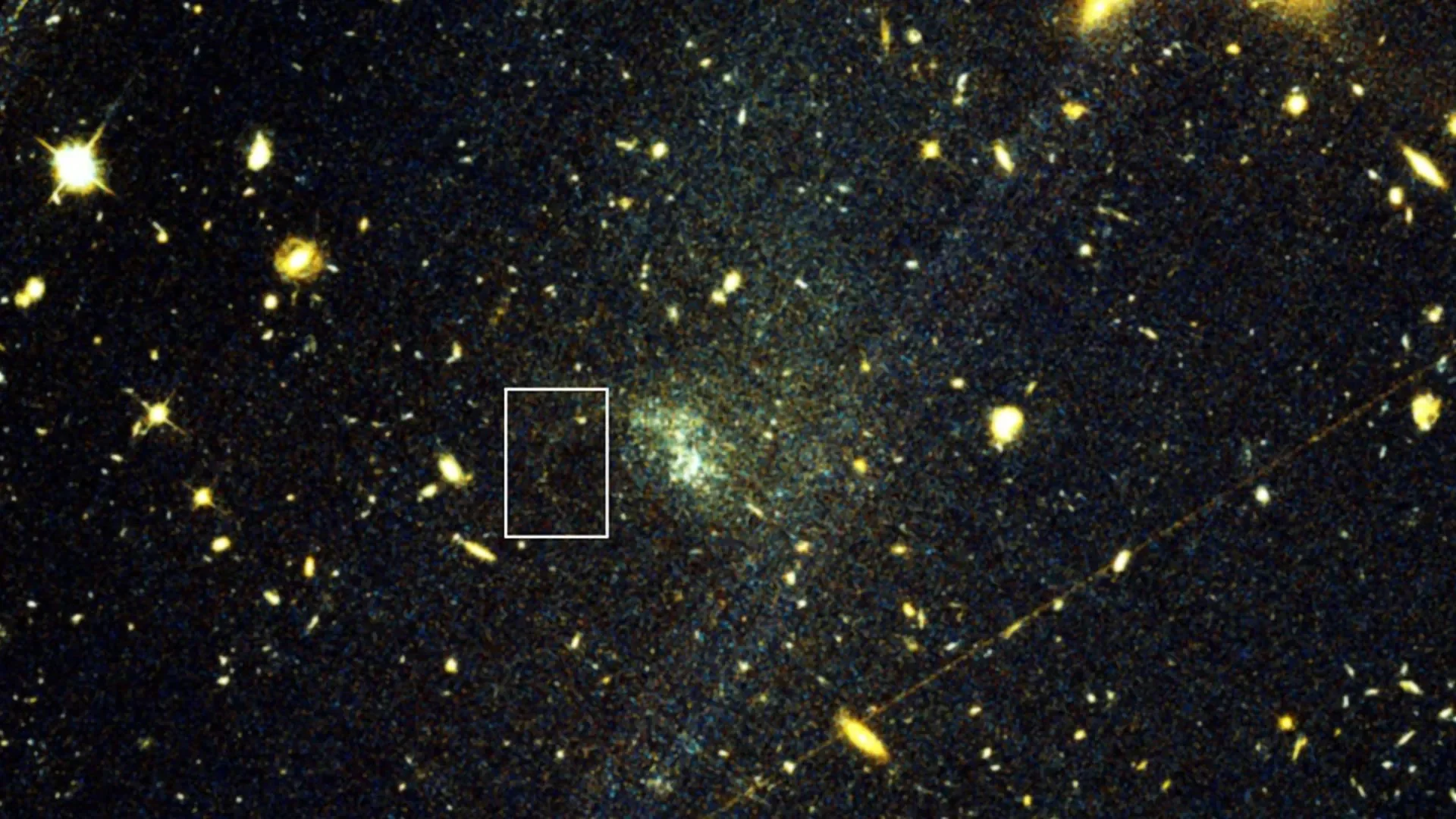
Globular cluster stream candidate Oyashio is 72 pc wide, in galaxy UGC 9050-Dw1. Nature models cap the parent cluster's mass at 2.5 million solar masses.
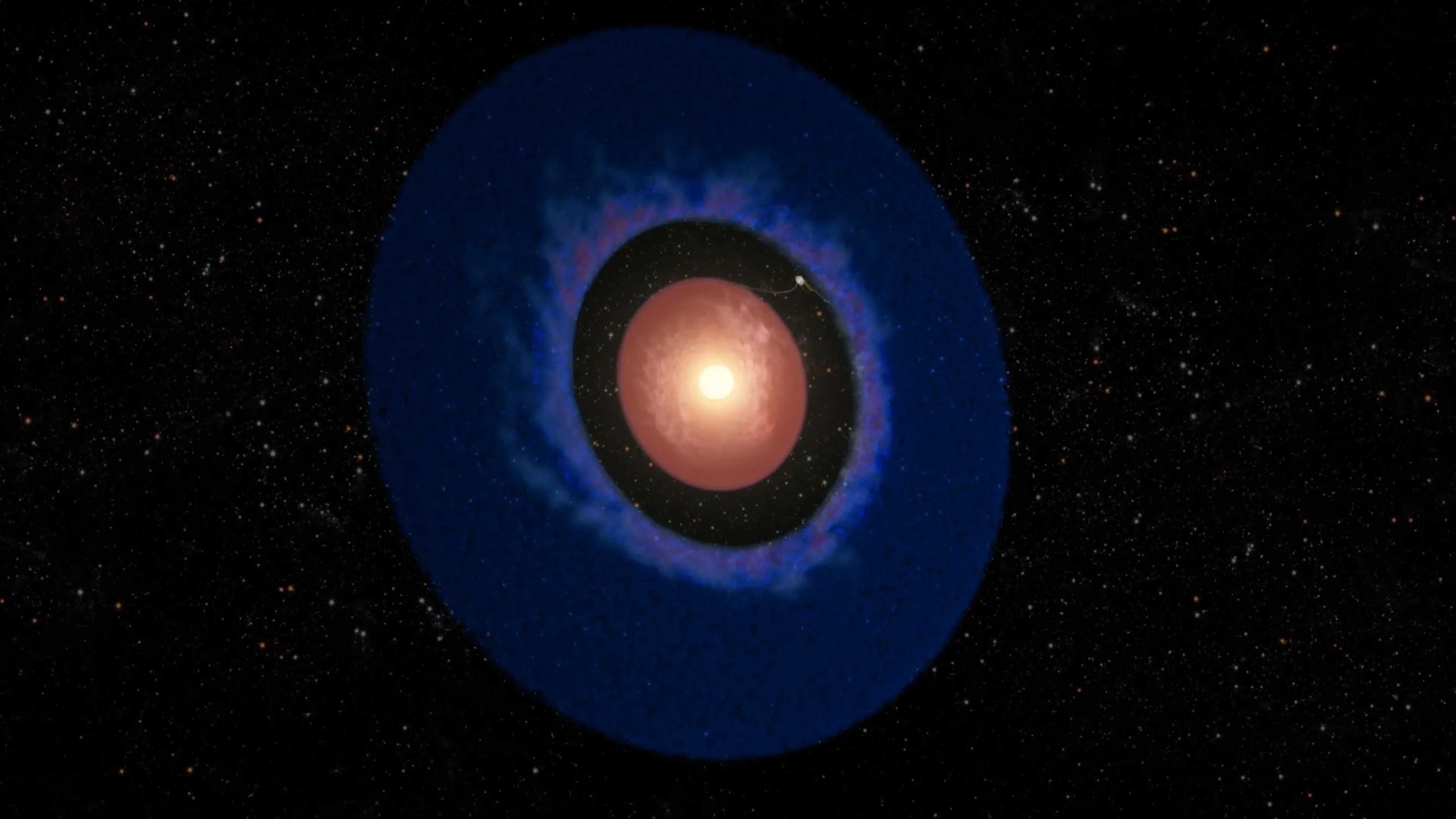
Elias 2-24 b, confirmed via Keck, ALMA and VLT data, is under 1 million years old, roughly five times younger than the previous exoplanet age record.
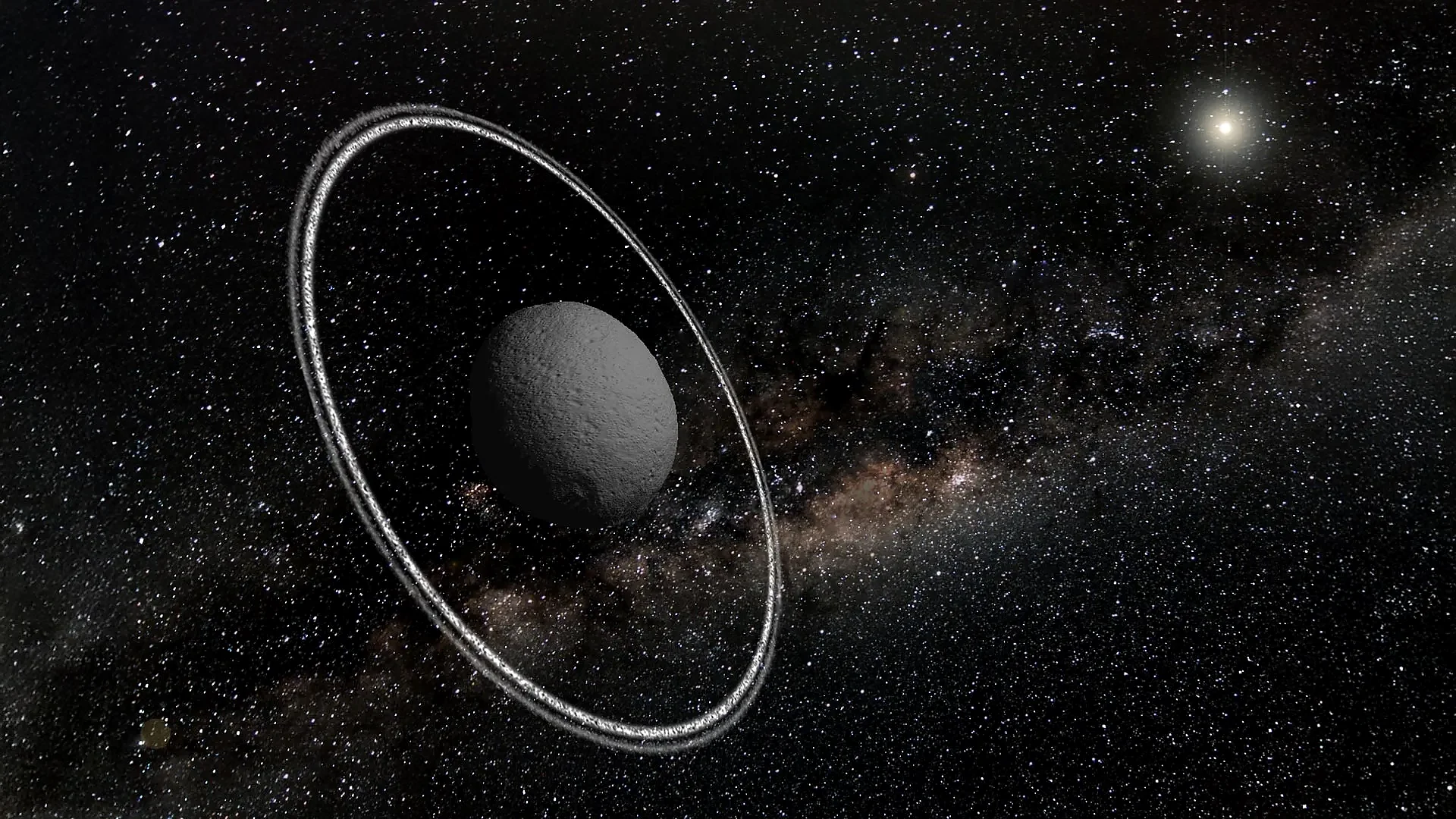
JWST's first predicted-and-observed stellar occultation reveals Chariklo's two rings changing in opposite directions within less than a decade.
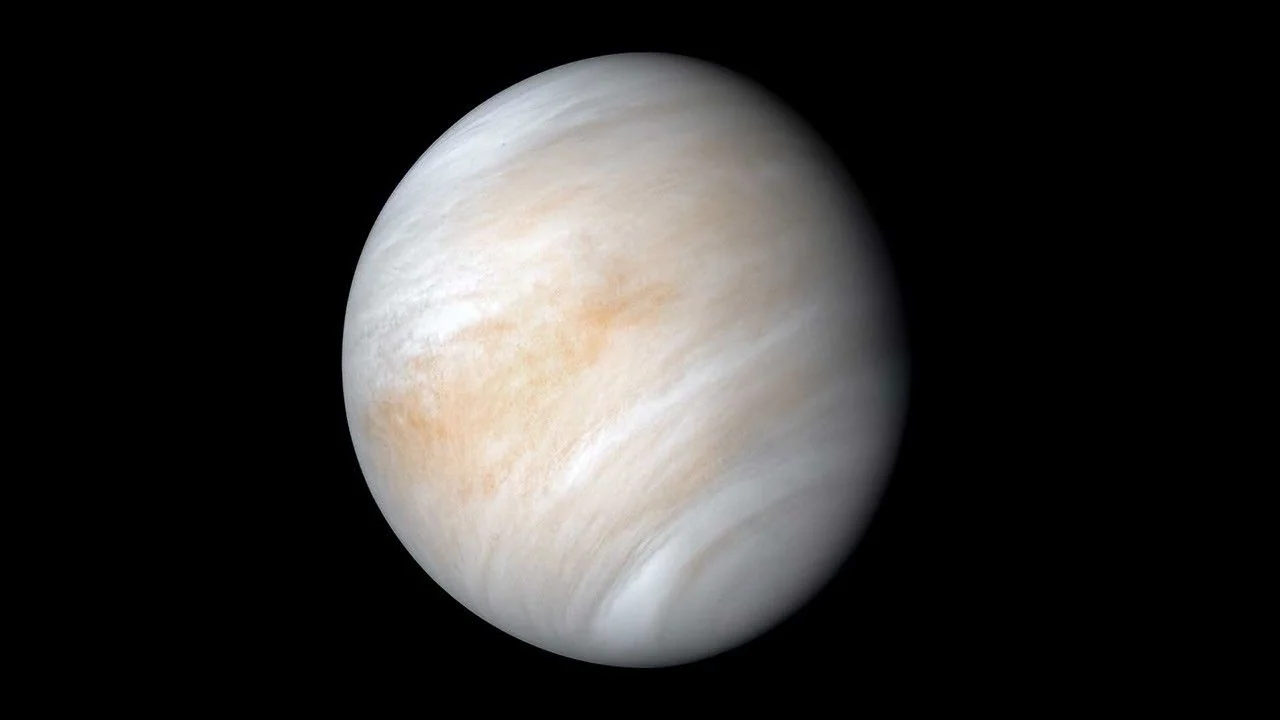
A new model finds Venus's cloud liquid must absorb UV light as strongly as concentrated pigments, narrowing the century-old 'unknown absorber' mystery.
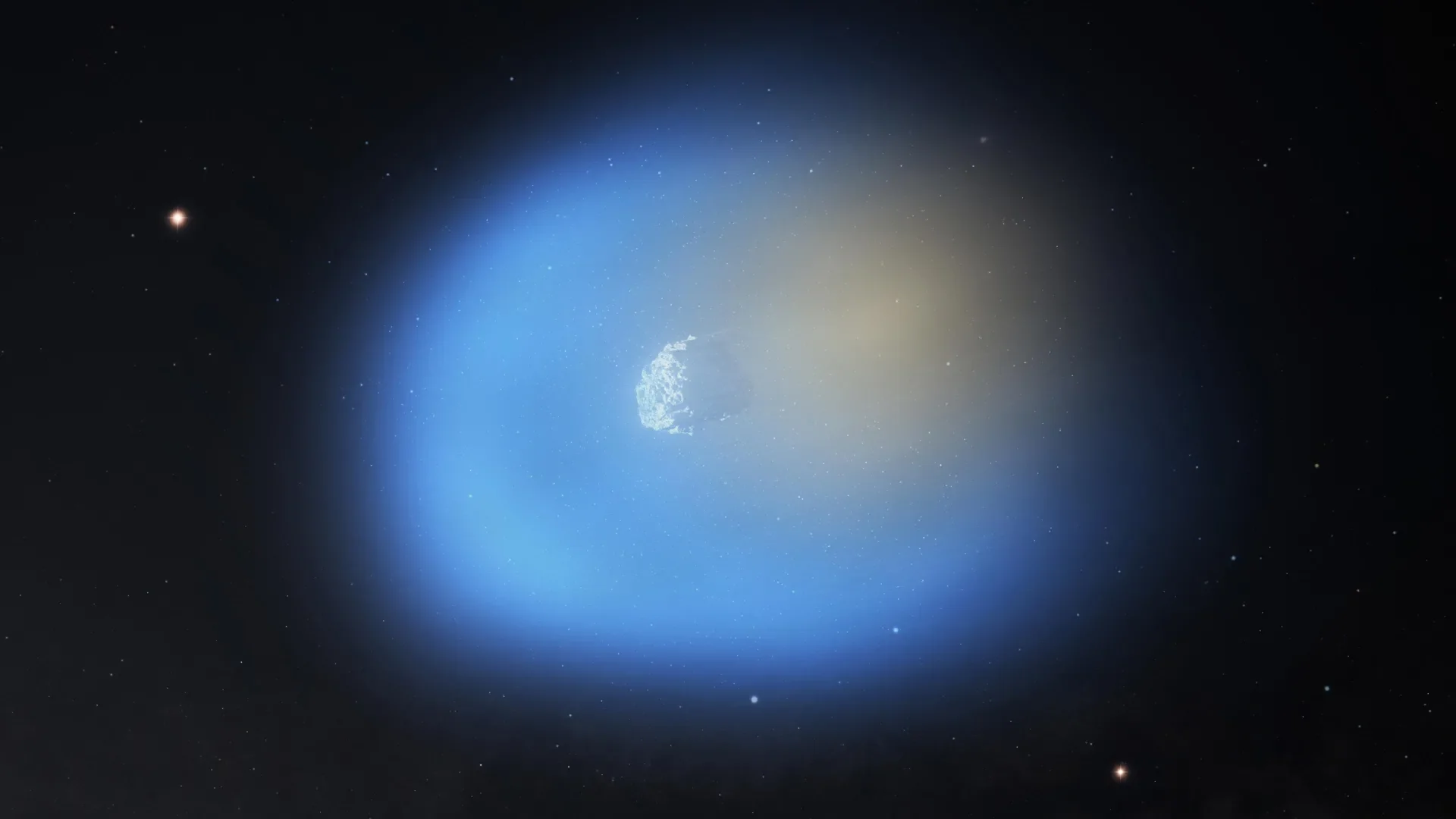
ALMA's Atacama Compact Array measured interstellar comet 3I/ATLAS's methanol-to-HCN ratio at 124 and 79 on two dates, among the highest recorded in a comet.
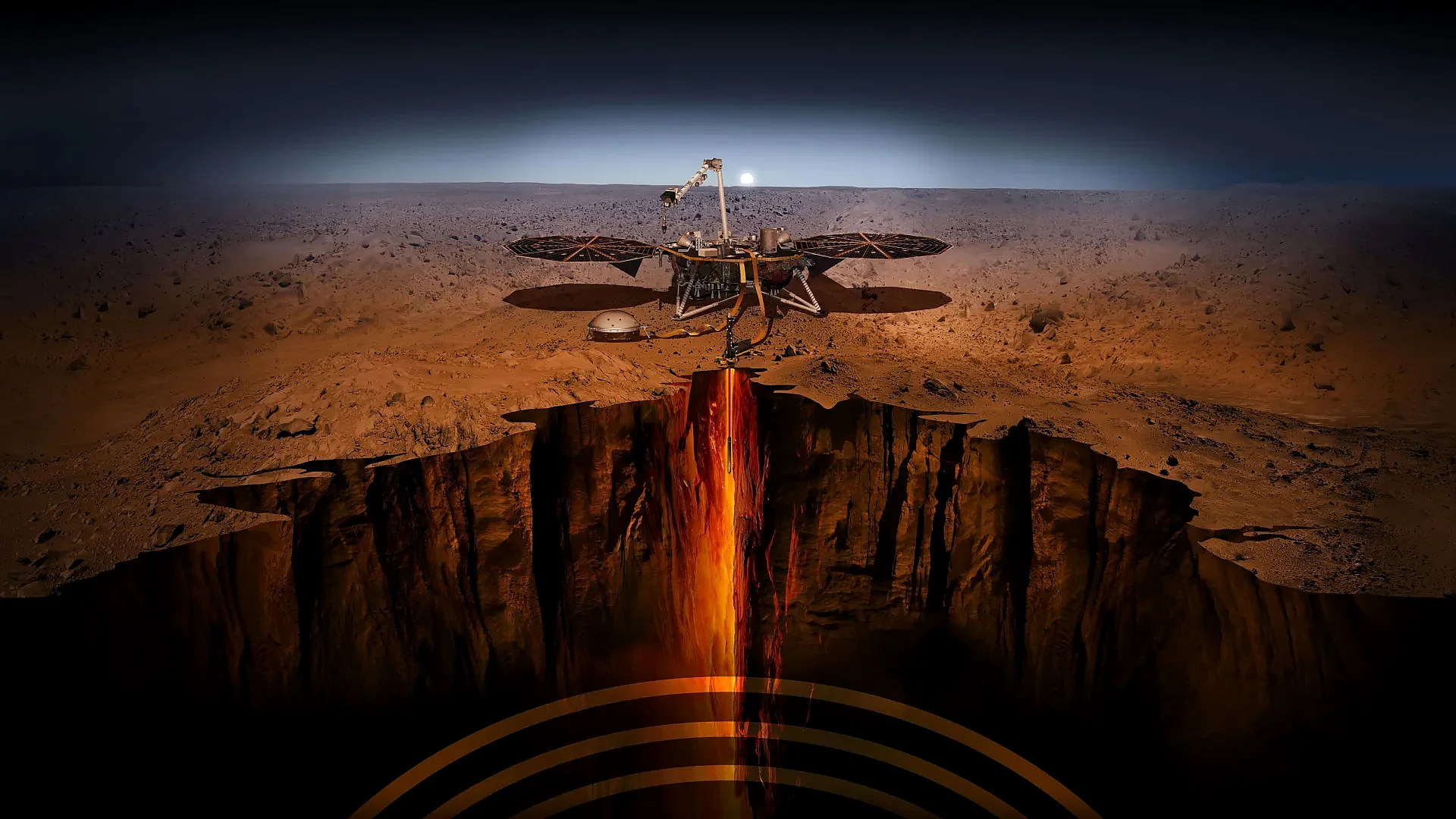
NASA InSight data show a melt-depleted ultramafic layer 24–38 km down in Mars's crust, evidence of a magma system that once ran through the entire crust.
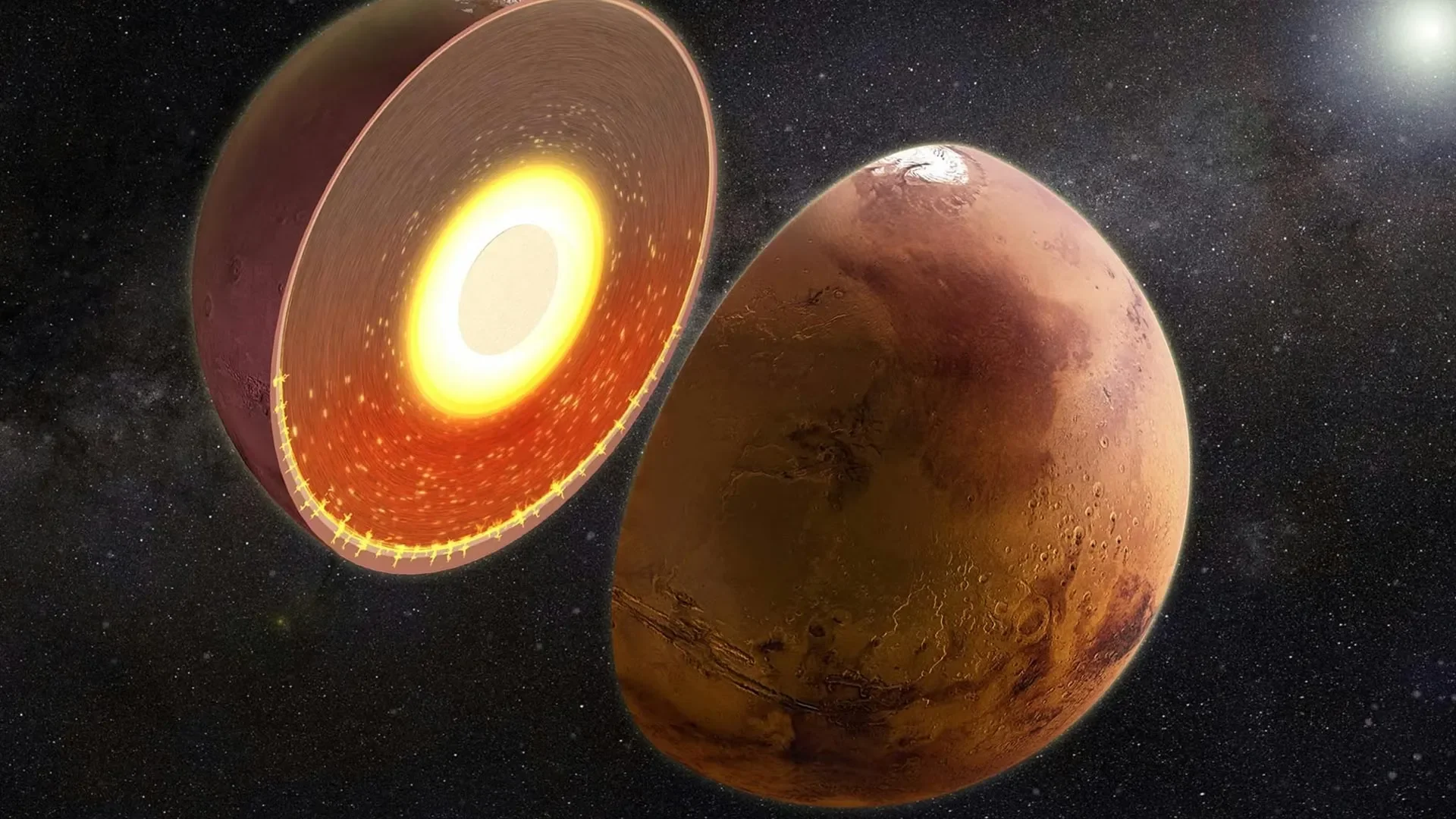
New tidal-tomography analysis of Mars orbiter data finds its southern mantle runs 200–400°C hotter than the north, tied to the ancient crustal dichotomy.
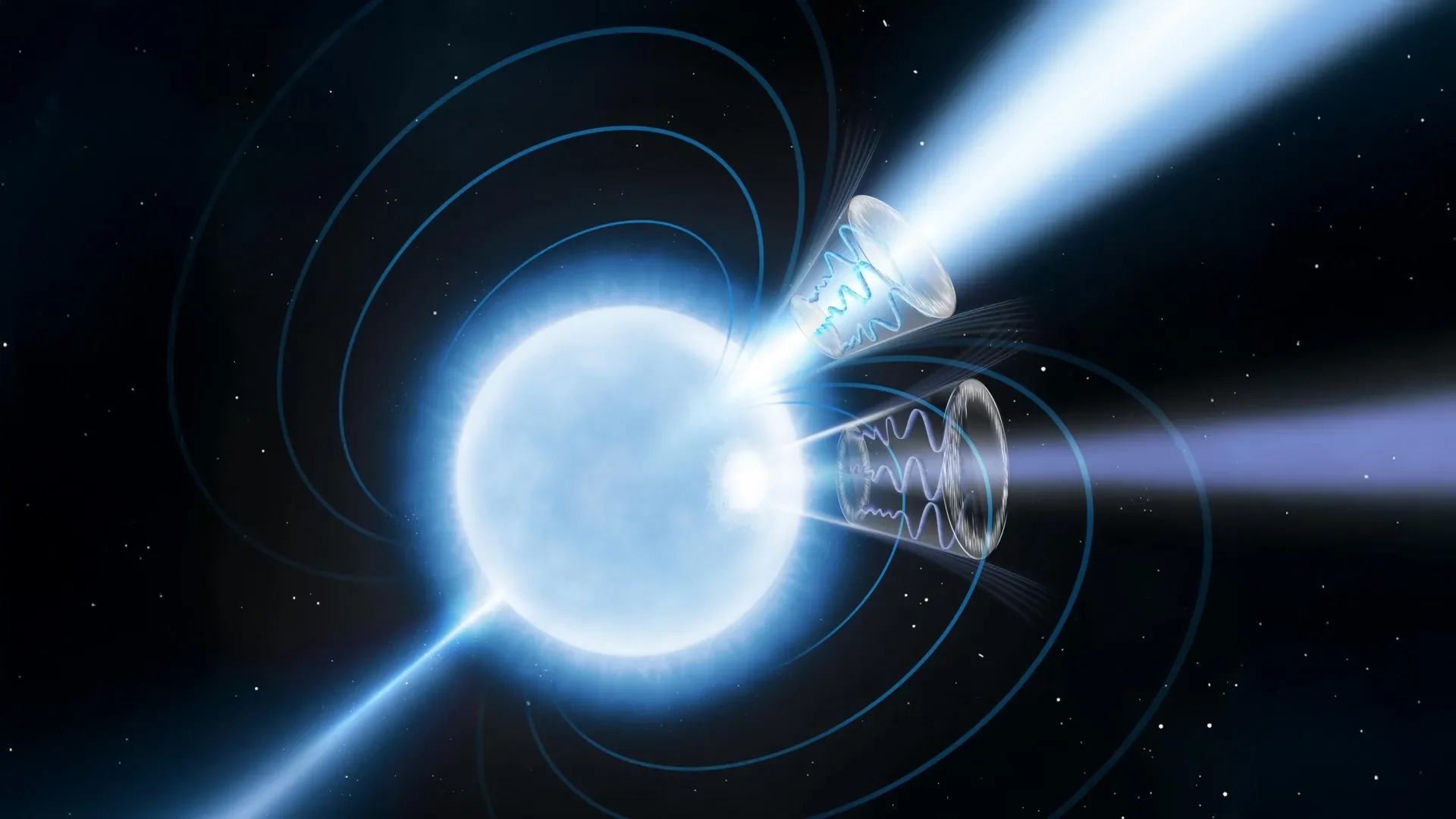
NASA's IXPE recorded up to 80% X-ray polarization from magnetar 1E 1547.0−5408, the strongest evidence yet for vacuum birefringence, a 1936 QED prediction.