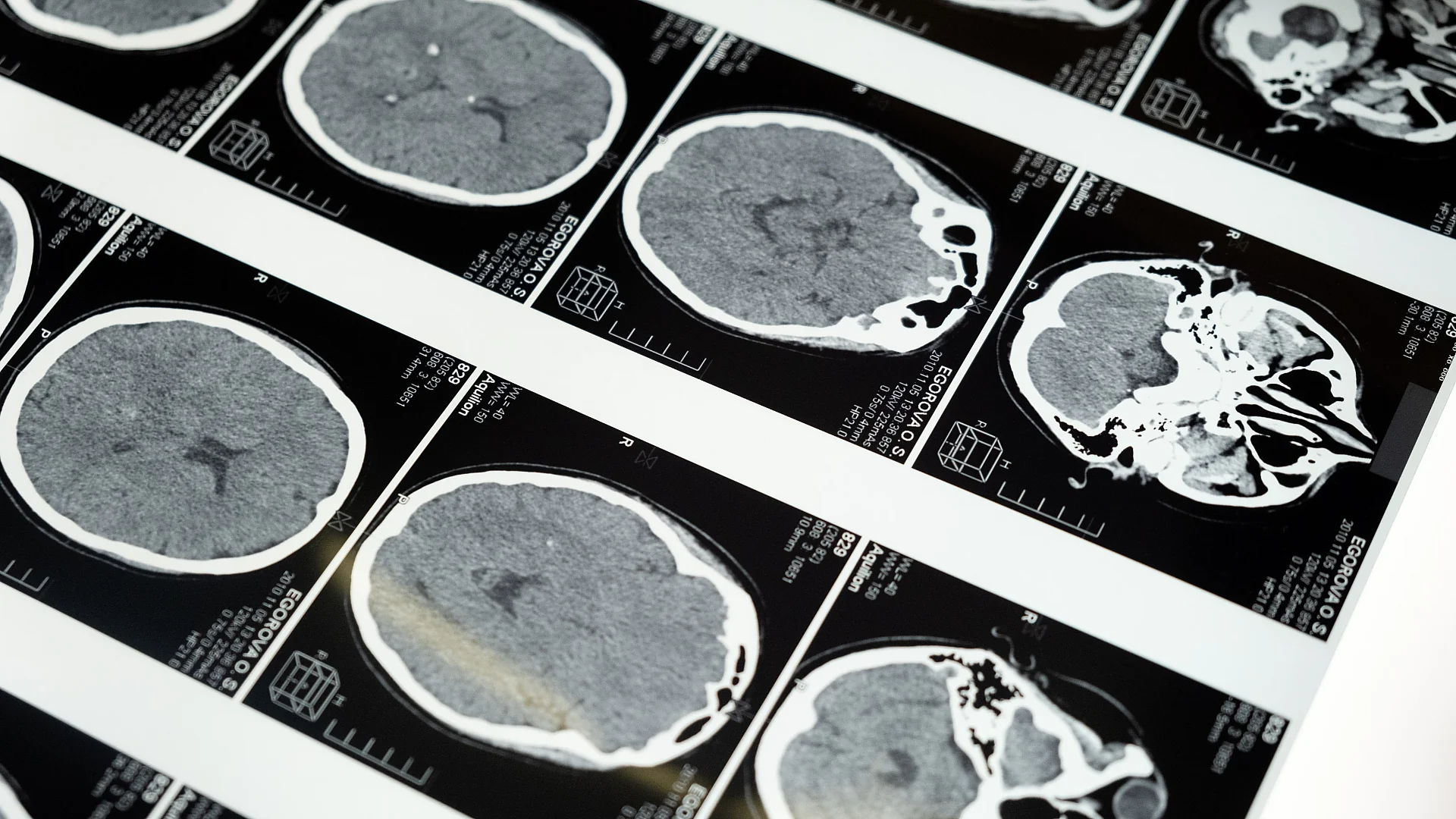
Five Candidate Depression Phenotypes Emerge From MEG Brain Oscillations
MEG depression phenotypes: 263 patients cluster into five oscillation profiles, yet brain–symptom links explain only 3–4% of shared variance in the cohort.
Rigorous analysis of molecular biomedicine, cellular biology, cognitive neuroscience, and epidemiological research. We dissect primary clinical trials, physiological aging mechanisms, and pharmacological pathways.
MEG depression phenotypes: 263 patients cluster into five oscillation profiles, yet brain–symptom links explain only 3–4% of shared variance in the cohort.

A 7-day water fast changed 1,044 blood proteins, few before day 3. A second 2025 cohort shared 49 significant hits with no conflicting direction of change.

Paricalcitol plus gemcitabine and nab-paclitaxel in 36 patients: 42% of the oral arm had grade 2–4 hypercalcemia, and the registry says phase 2 was not pursued.

A Stanford lineage-tracing study finds two separate progenitor cells, marked by Otx2 and Gbx2, build the forebrain/midbrain and hindbrain from gastrulation.
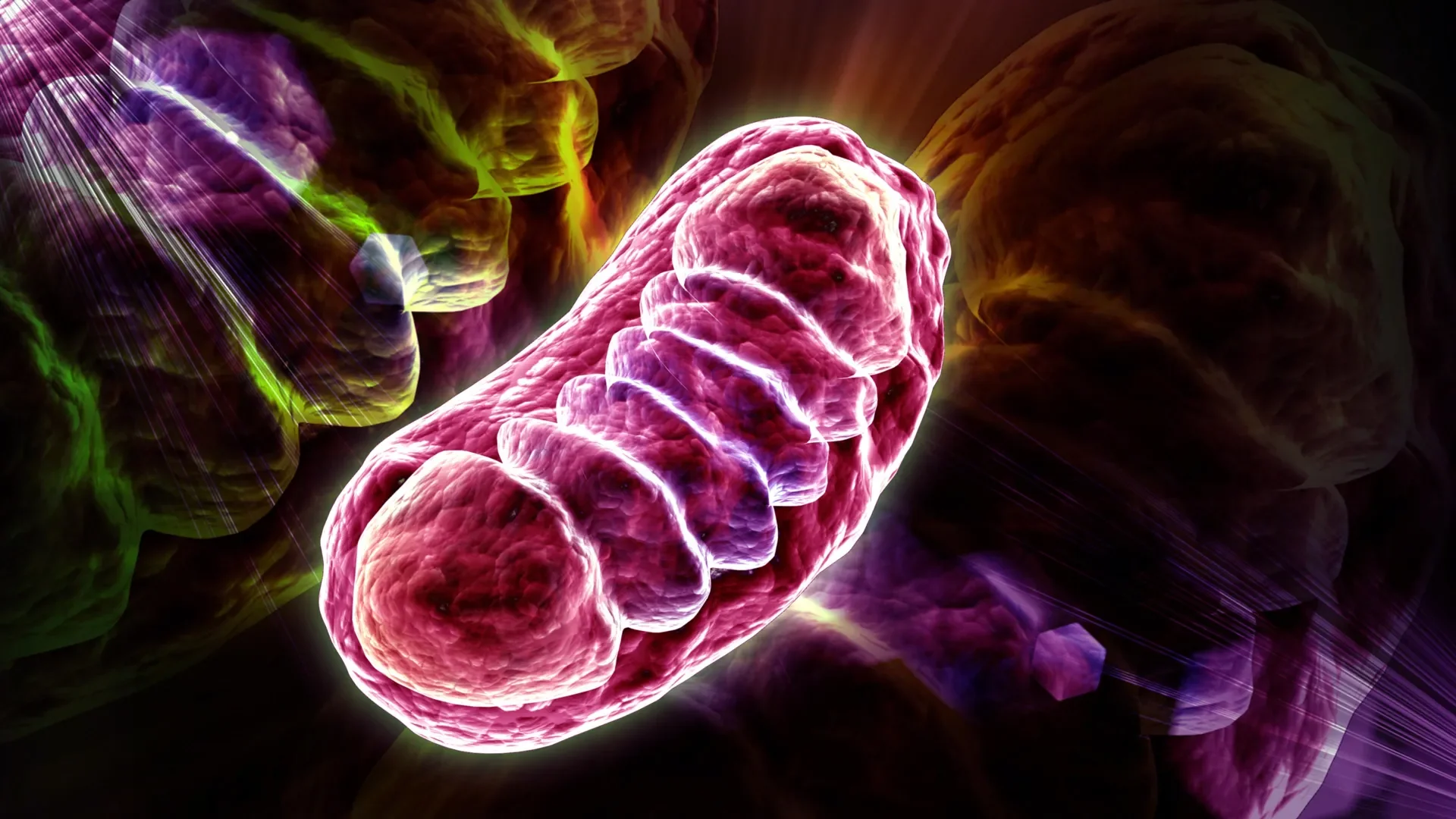
Senescent 'zombie' cells use a mitochondrial acetyl-CoA switch to activate inflammatory SASP genes, and blocking it eased frailty in aged mice, Nature reports.
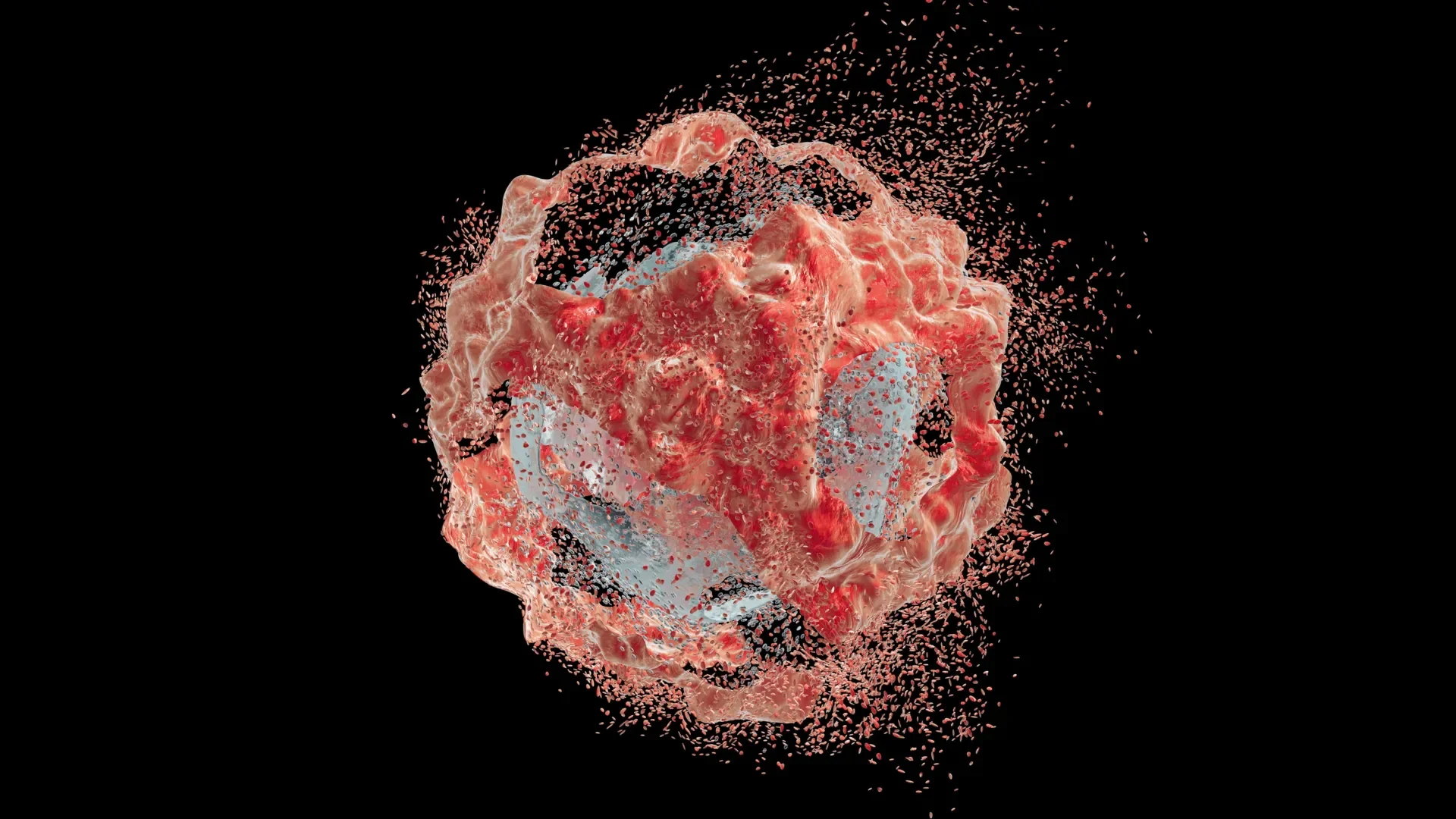
New research letter links IL1RAP on pancreatic tumor, stromal, and myeloid cells to chemoresistance, and shows an anti-IL1RAP antibody restores drug sensitivity.

A UK Biobank study of 11,071 adults links nighttime bedroom light above 3 lux to thickened heart walls and a 29% higher heart-failure risk over 8-10 years.

A 2022 mouse study found a sea-squirt-derived lipid eased brain aging; recirculated coverage credits "Stanford," but the senior author works in China.
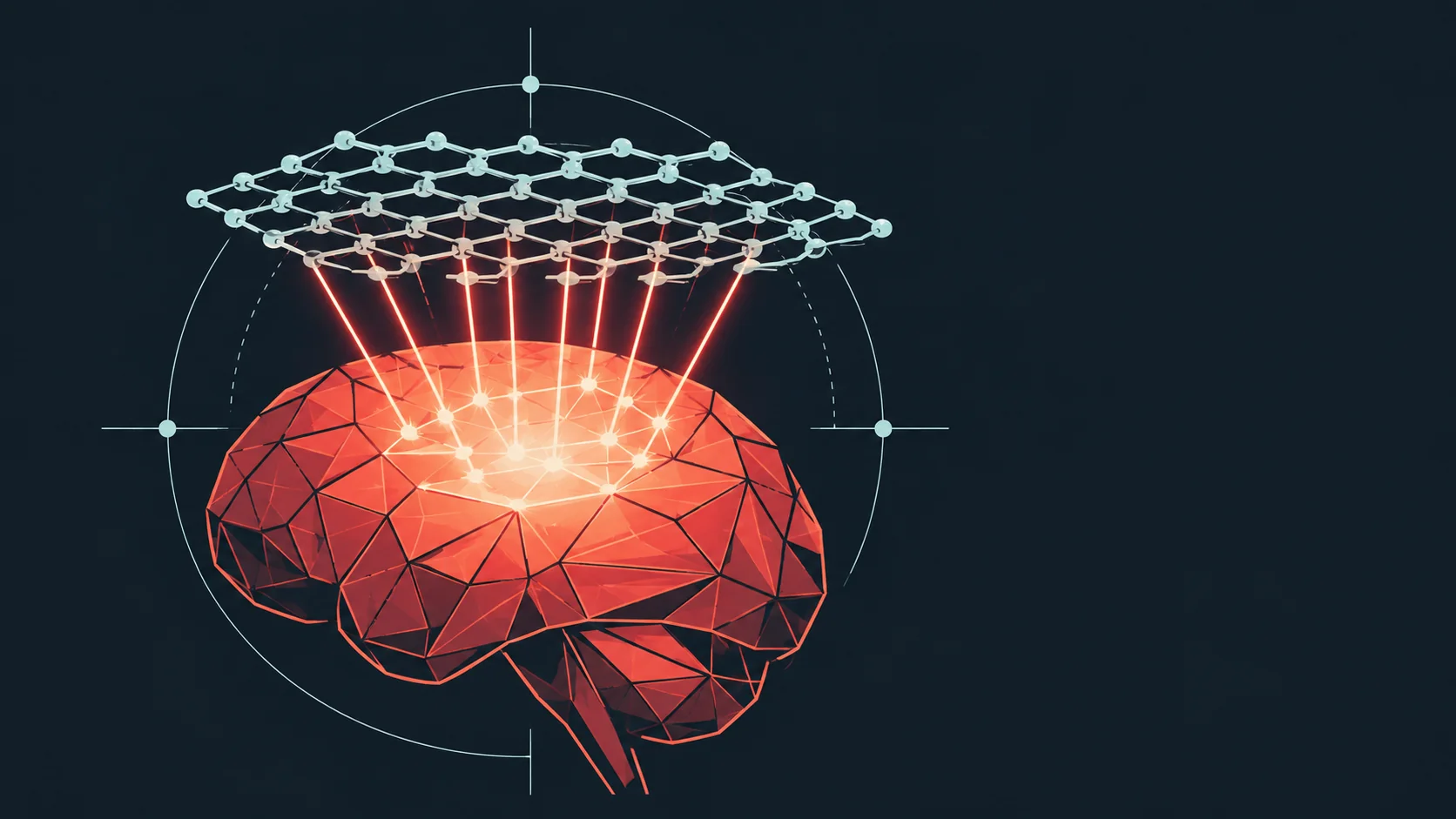
A platinum single-atom nanozyme spotted glioblastoma clusters as small as 44 micrometers during surgery, then attacked residual tumor cells afterward, in a new mouse study.