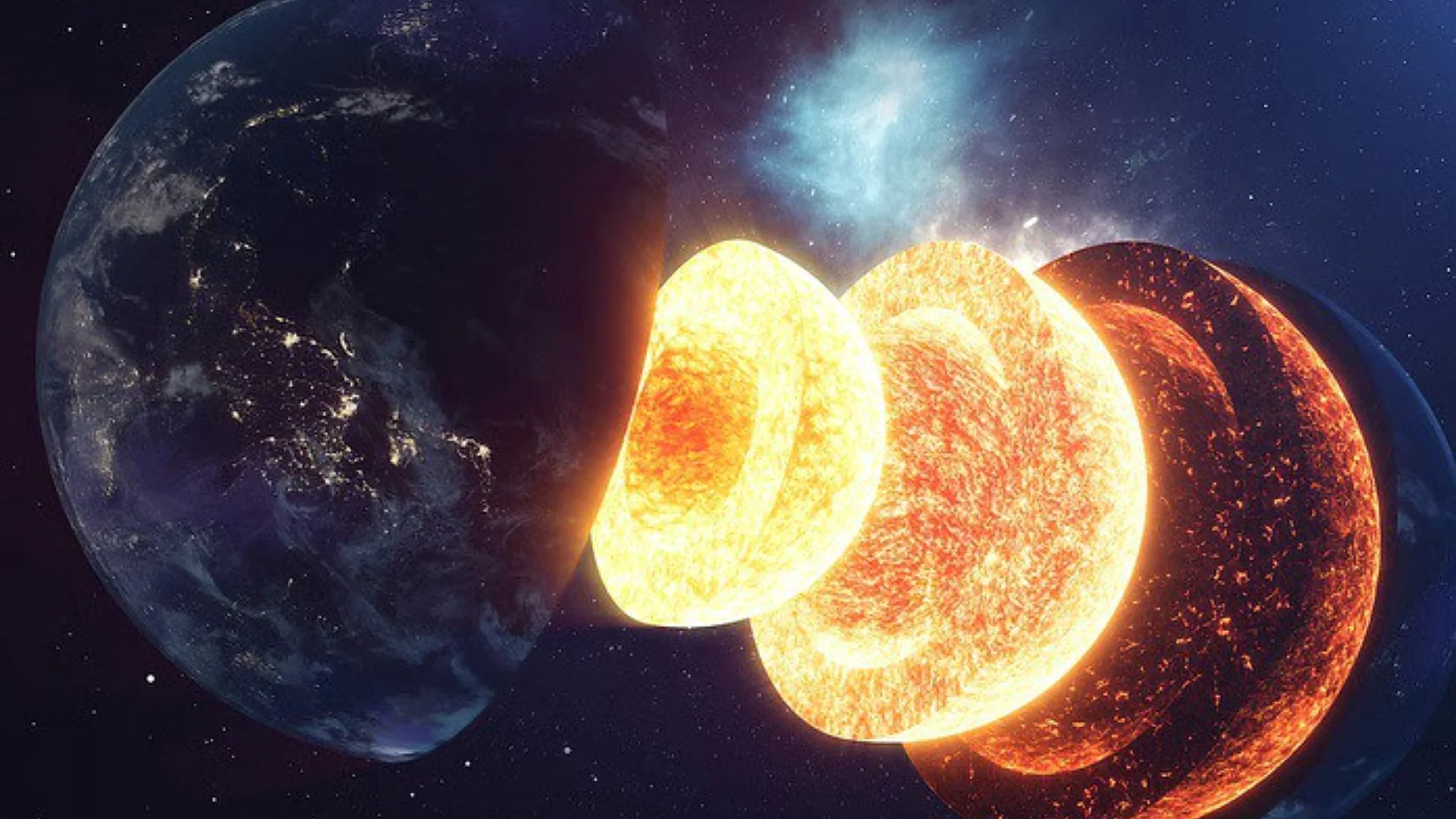
Earth's Inner Core May Be Tugging the Mantle, Changing Day Length by Milliseconds
Inner core gravitational torque, shaped by a 10-year viscous lag, reproduces Earth's multidecadal day-length changes from 1964 to 2019, Nature reports.
Evidence-based analysis of atmospheric chemistry, oceanography, polar sea-ice dynamics, and geophysical systems. We track climate modeling, aerosol nucleation, and planetary environmental science.
Inner core gravitational torque, shaped by a 10-year viscous lag, reproduces Earth's multidecadal day-length changes from 1964 to 2019, Nature reports.
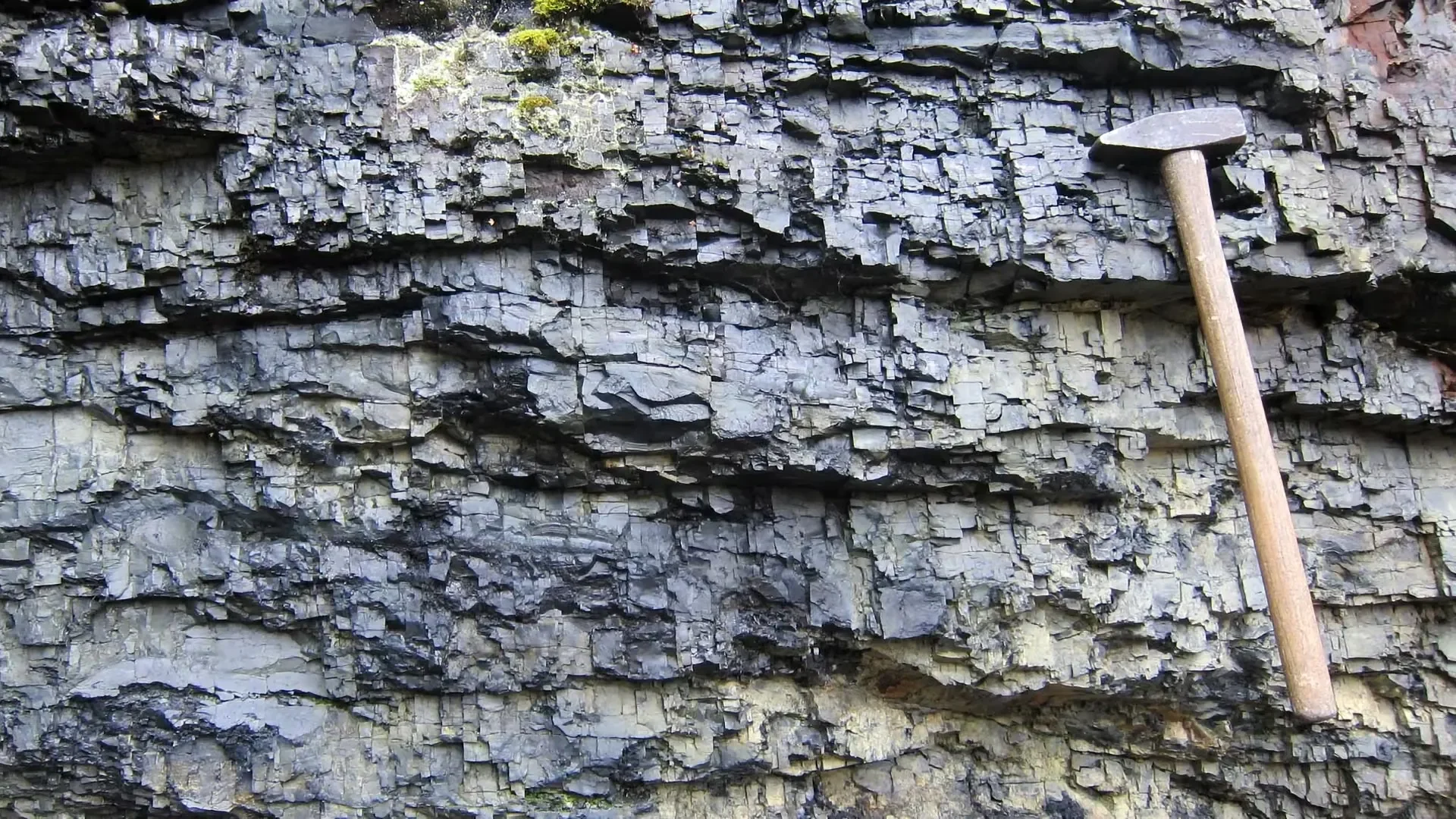
Trapped gases from Karelia's Zaonega Formation show a 72-350°C gradient beside a 2-billion-year-old magma sill, reframing a global carbon signal as local.
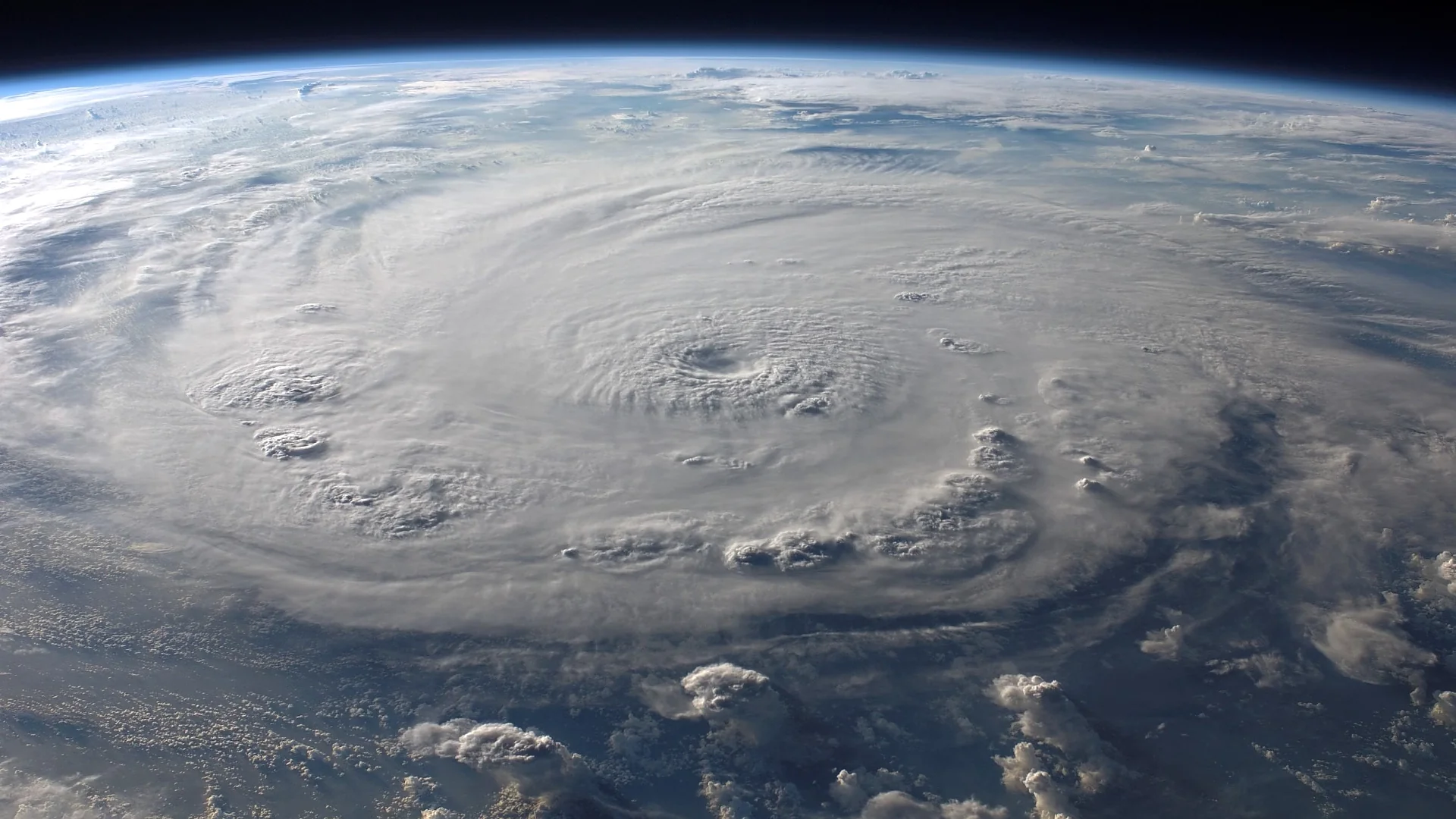
New analysis of 1,510 NOAA Hurricane Hunter radar scans reveals why some tilted tropical cyclones quickly align vertically while others stay leaning and weak.
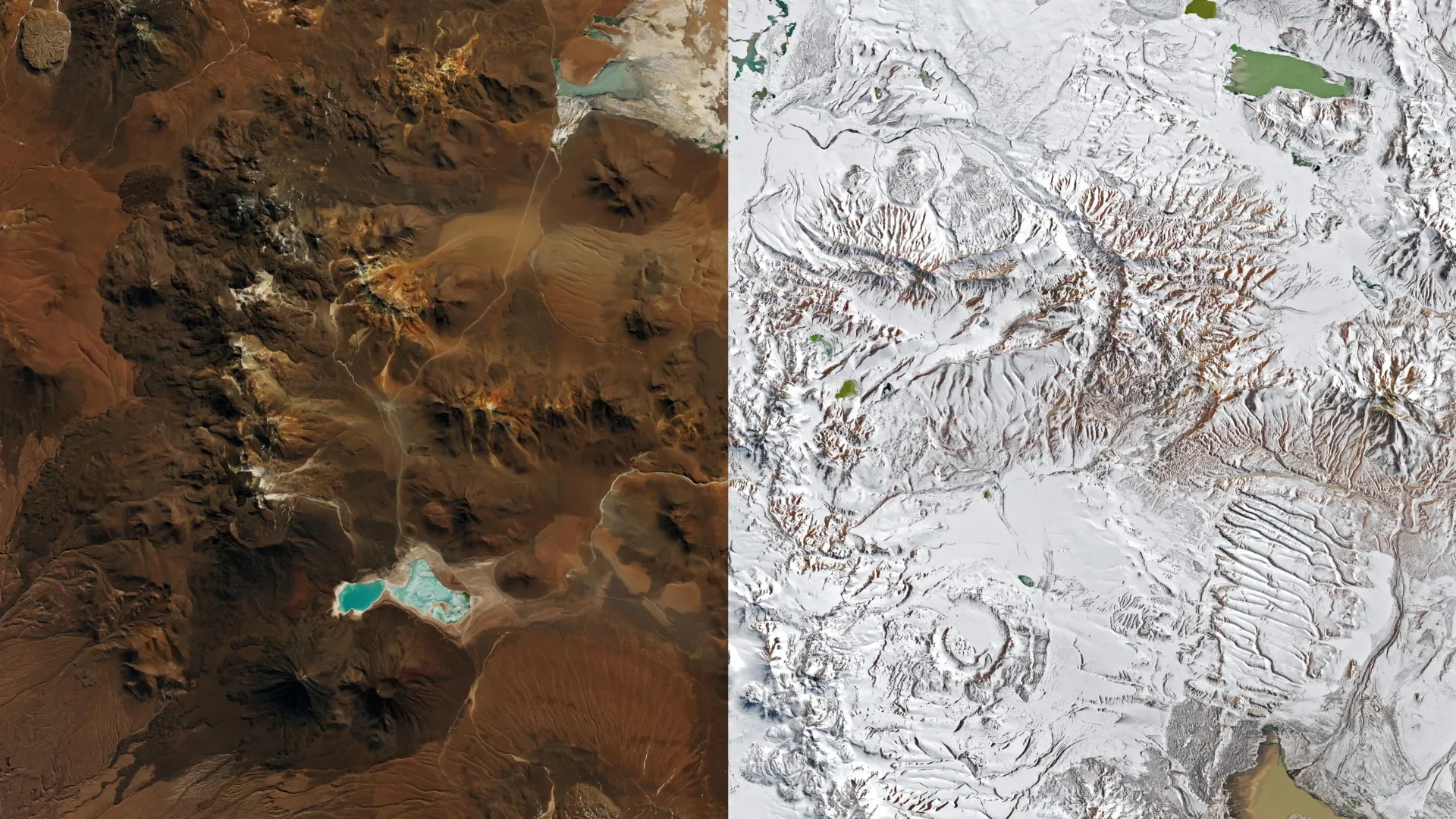
Back-to-back storms buried Chile's Atacama Desert in snow, halted the ALMA telescope, and dumped 10x normal rain on Taltal amid a strengthening El Niño.

A five-week Greenland ship campaign found iodine and sulfur acids seeding Arctic particles, then organic vapors grew them into far more cloud-seeding nuclei.