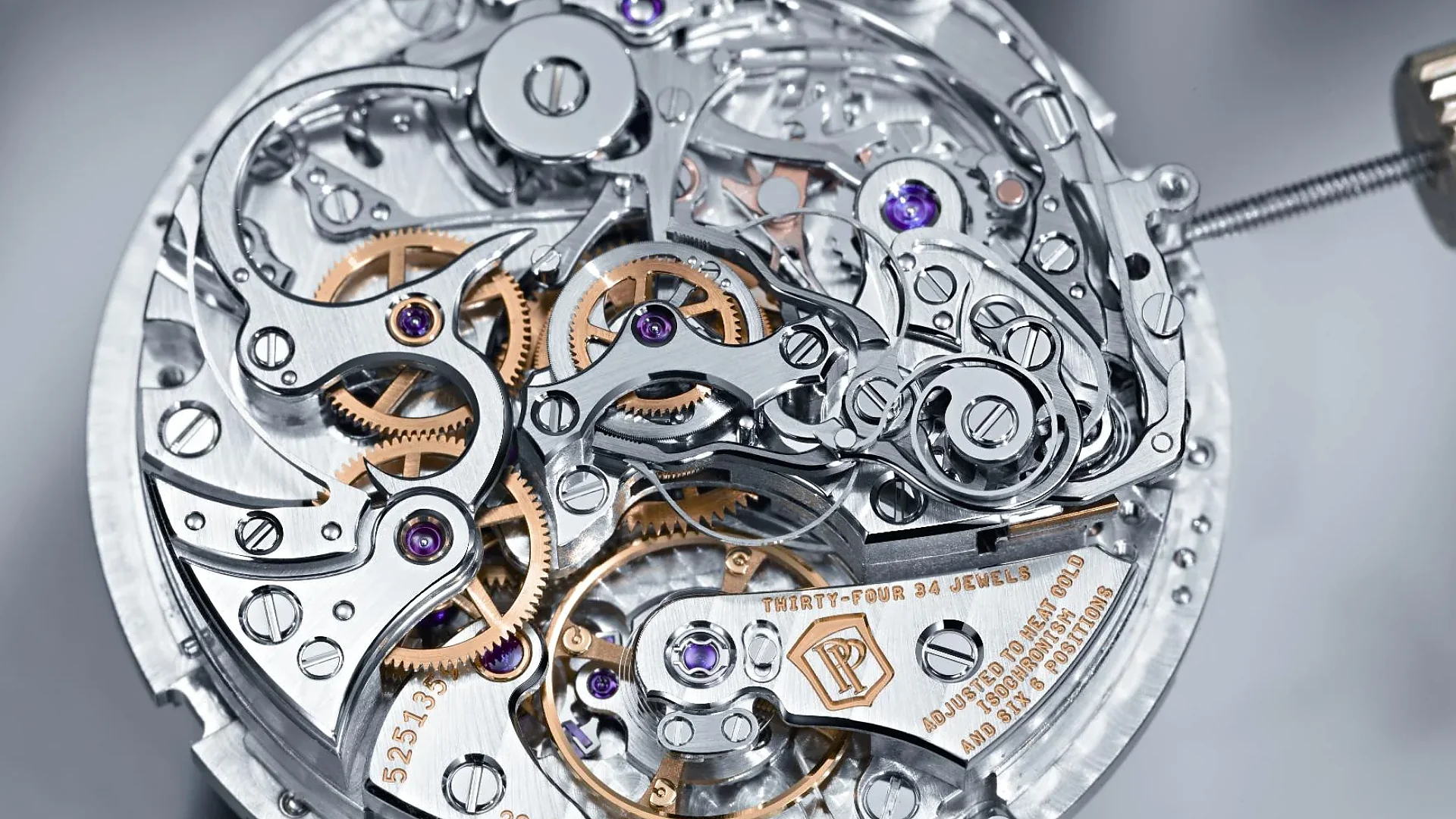
How Quartz Watches Actually Work, and Why Mechanical Watches Still Sell
A quartz crystal oscillating at 32,768 Hz, divided into one pulse a second, keeps quartz watches accurate to seconds a month, mechanical still costs more.
Deep dives into semiconductor architecture, microprocessors, GPU computing, and hardware engineering. We track supply chain dynamics, chip manufacturing milestones, and next-gen computing components.
A quartz crystal oscillating at 32,768 Hz, divided into one pulse a second, keeps quartz watches accurate to seconds a month, mechanical still costs more.

IonQ's Q2 2026 revenue rose 287% to $80.1 million and guidance climbed to $280-$290 million, yet IONQ shares still trade 47% below their October peak.
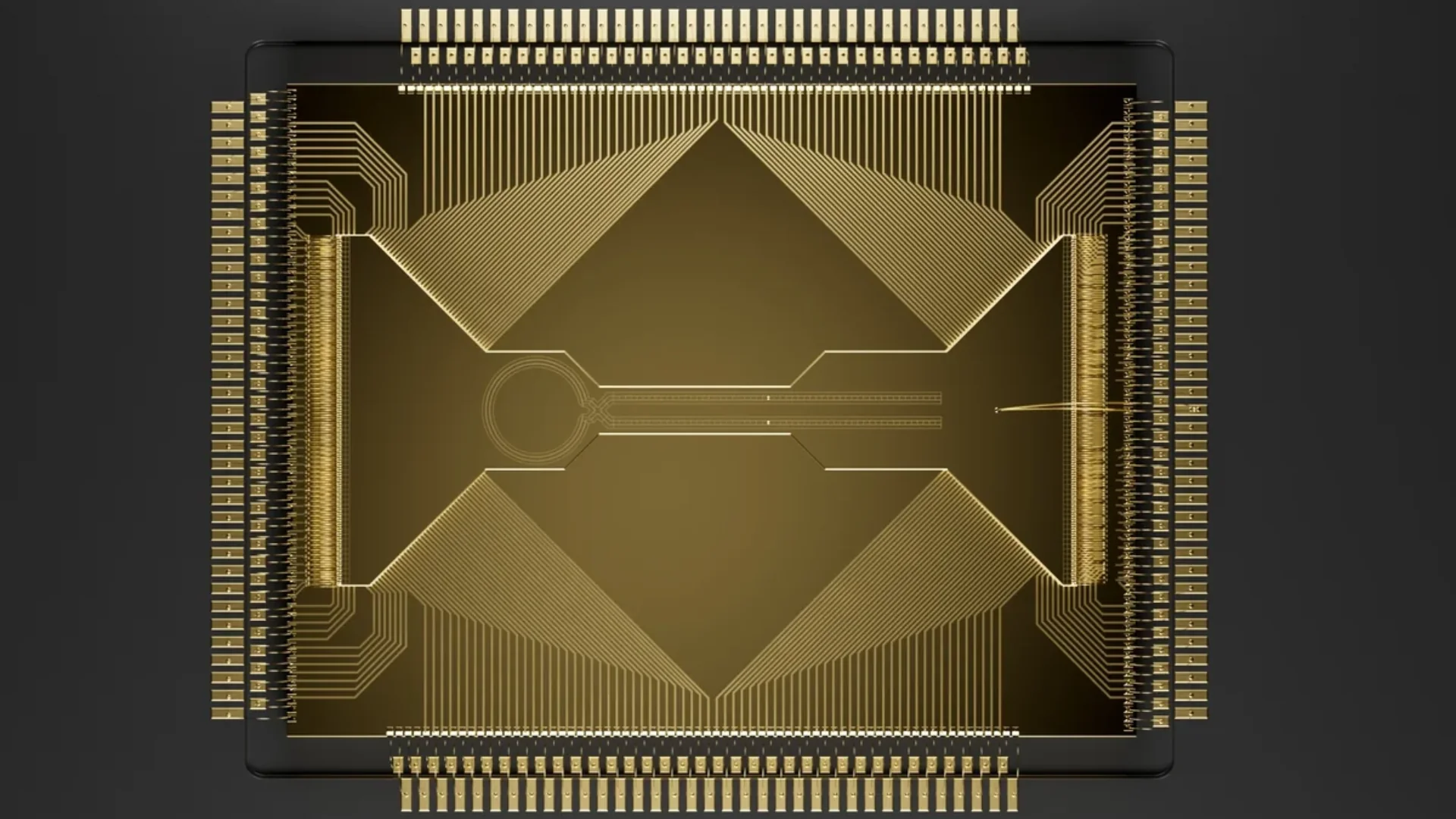
Three 2026 developments — Quantinuum's Helios, IBM's Anderon foundry, and Illinois's quantum park — mark a shift from qubit-count races to manufacturing and workforce infrastructure.
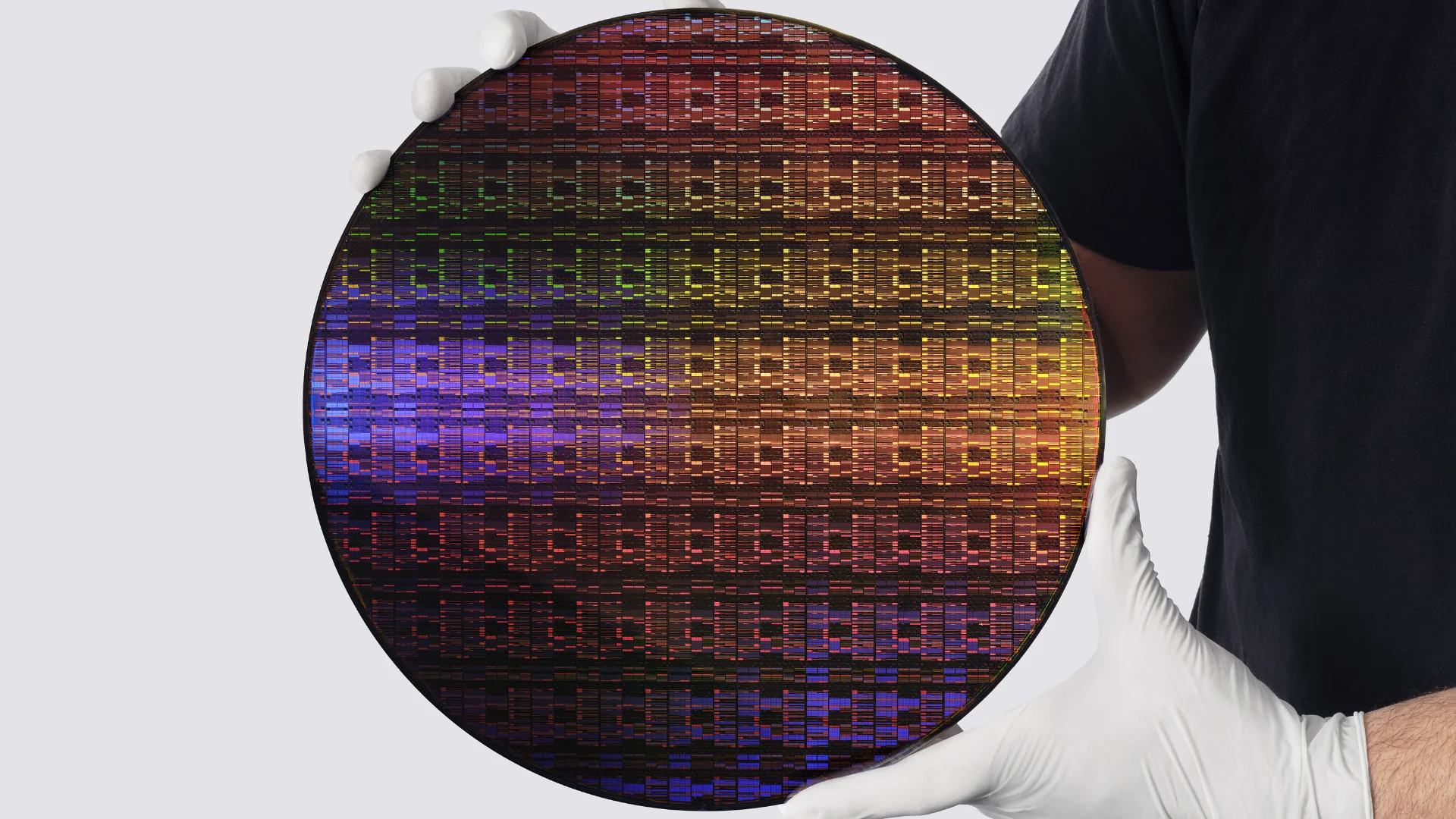
IBM's Nanostack architecture stacks transistors in 3D at 0.7nm, doubling density over its 2nm node, with up to 50% performance gains or 70% energy efficiency gains and a 5-year path to commercial production.