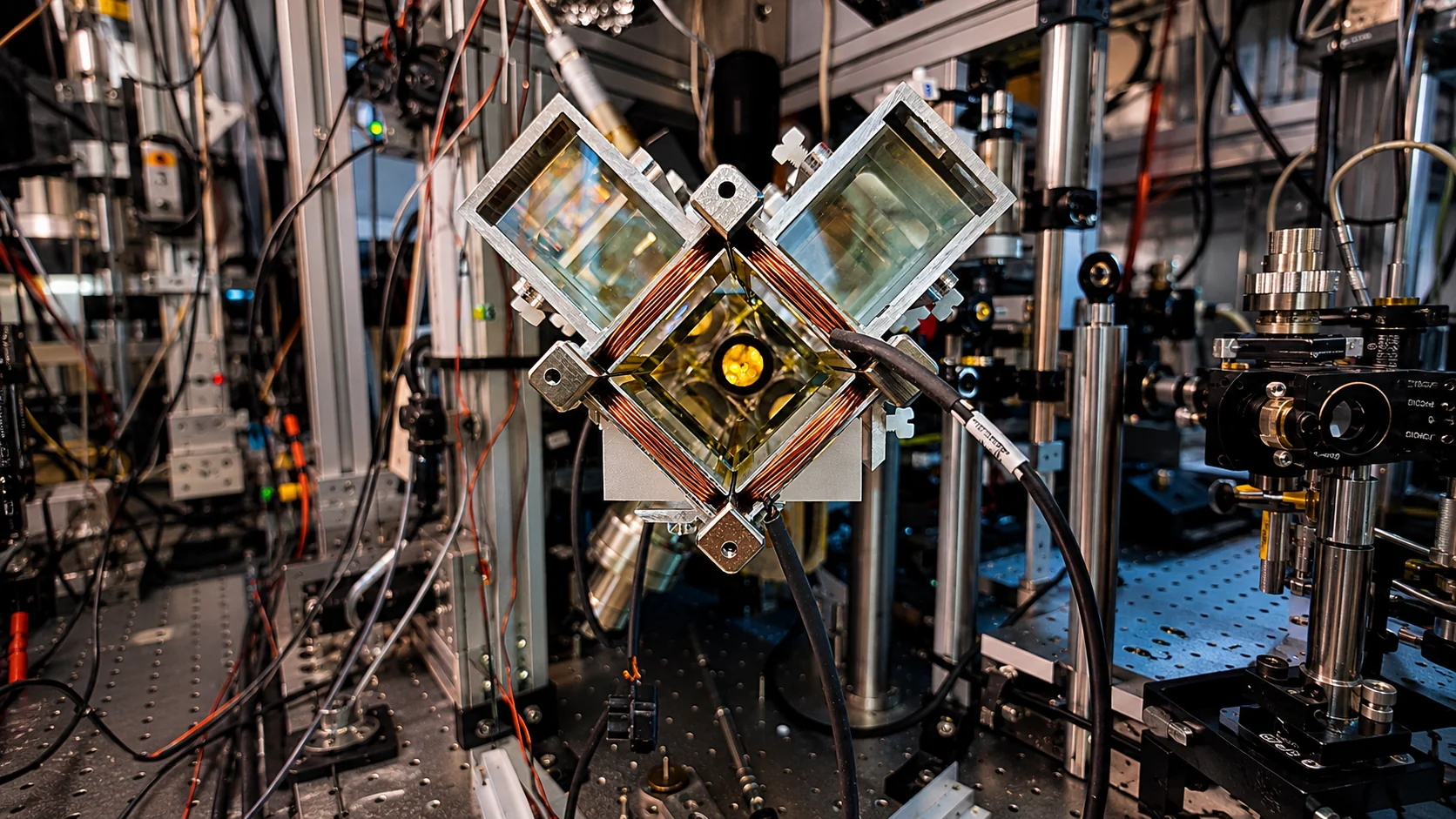
A Cold-Atom Interferometer Finally Measures the Quantum Phase of Free Fall
Physicists in Israel measured the quantum phase of a free-falling atom for the first time, confirming Einstein's equivalence principle in the quantum realm.
Authoritative reporting on quantum mechanics, condensed matter physics, thermodynamics, and optical breakthroughs. We analyze experimental physics from particle accelerators to superconducting quantum circuits.
Physicists in Israel measured the quantum phase of a free-falling atom for the first time, confirming Einstein's equivalence principle in the quantum realm.

Edinburgh physicists simulated optimal-control pulses that cut magnetic-memory switching energy from 91.2 to 0.94 nanojoules, still unverified in hardware.
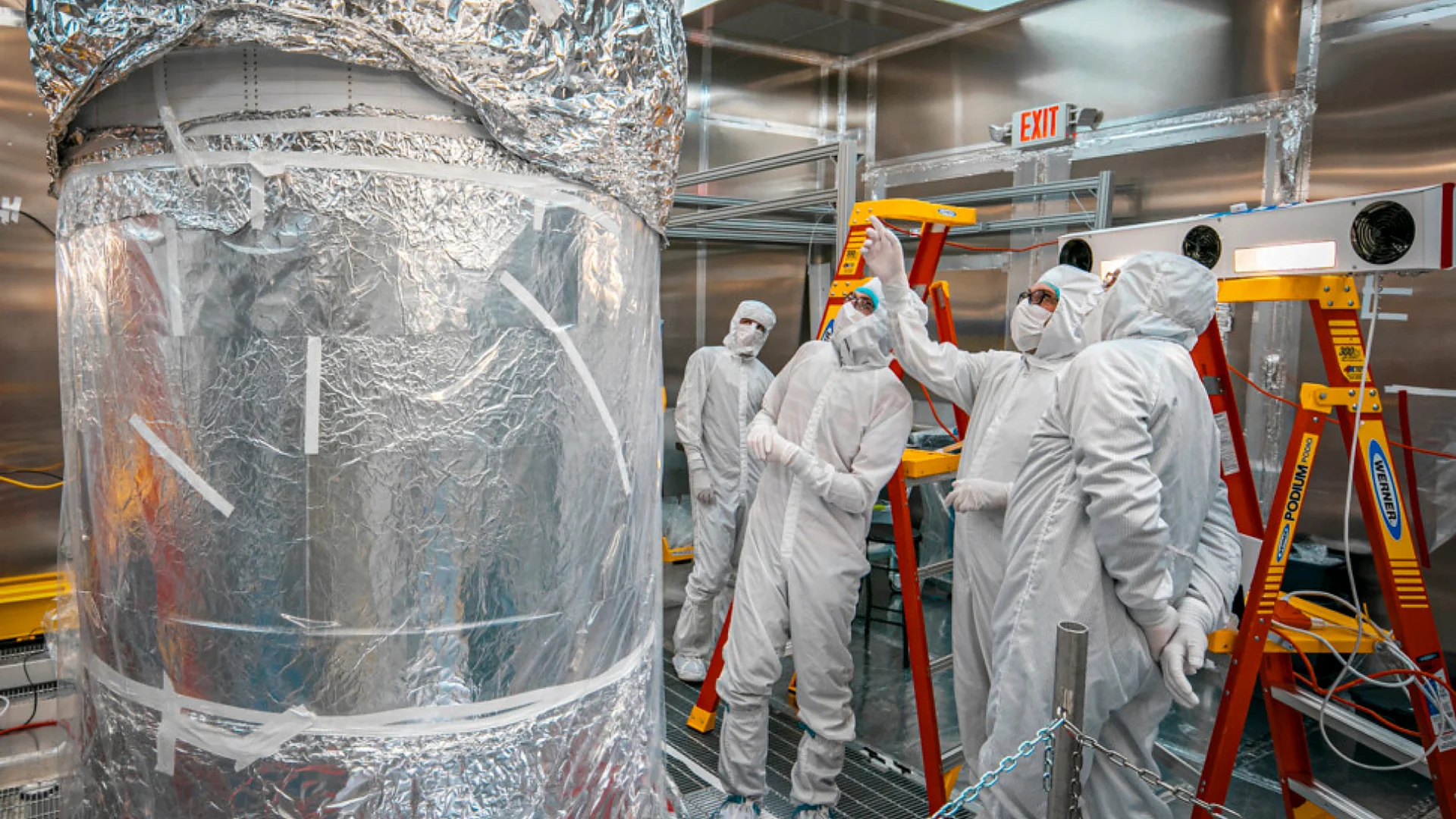
LUX-ZEPLIN recorded one 248 keV xenon recoil at 2.6σ global significance, its strongest dark matter hint yet, and theorists are already racing to explain it.
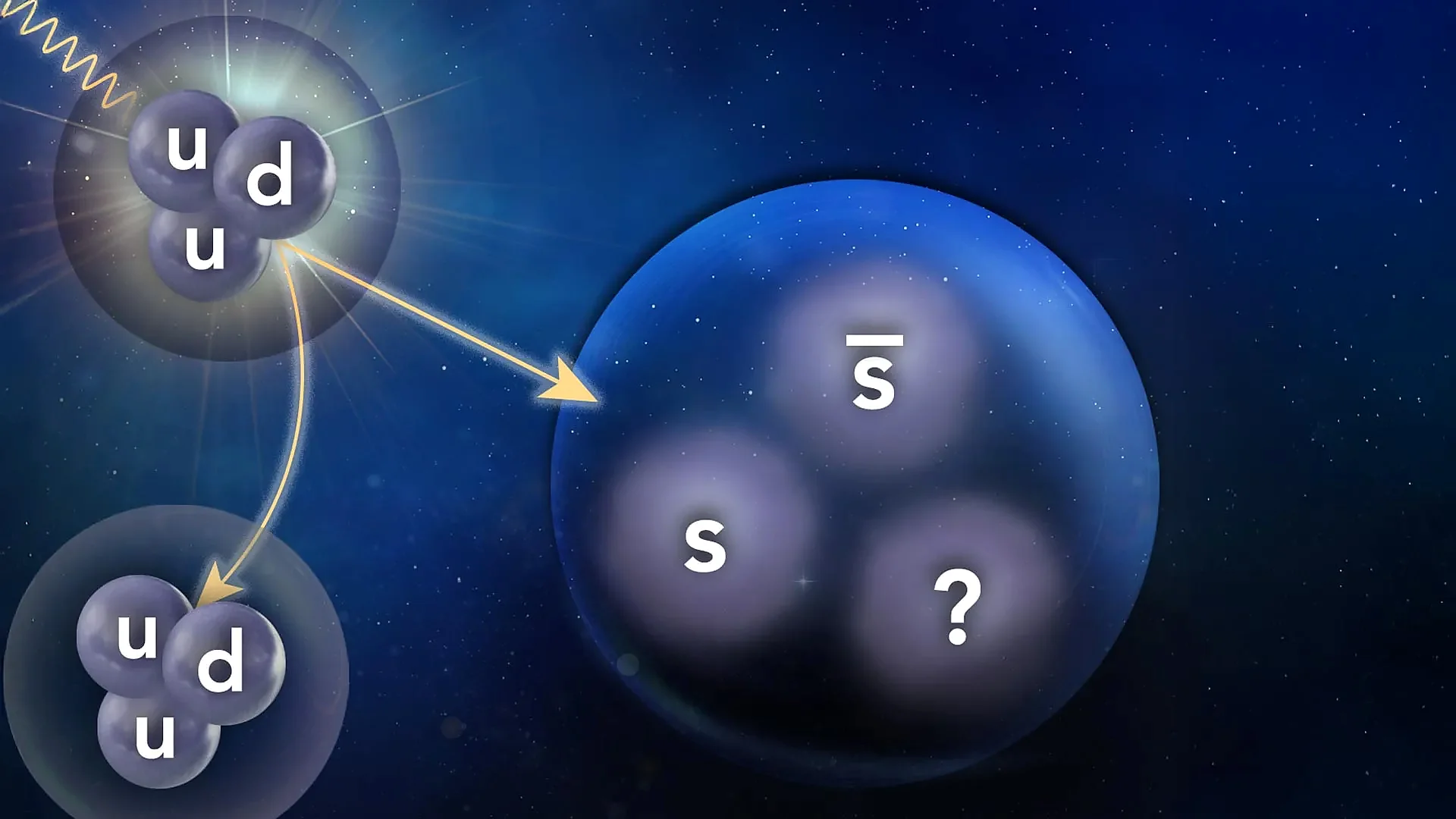
GlueX ran the first photoproduction search for Y(2175)/φ(2170); the state didn't appear, but two unexpected φπ+π− structures did, one at 5σ significance.
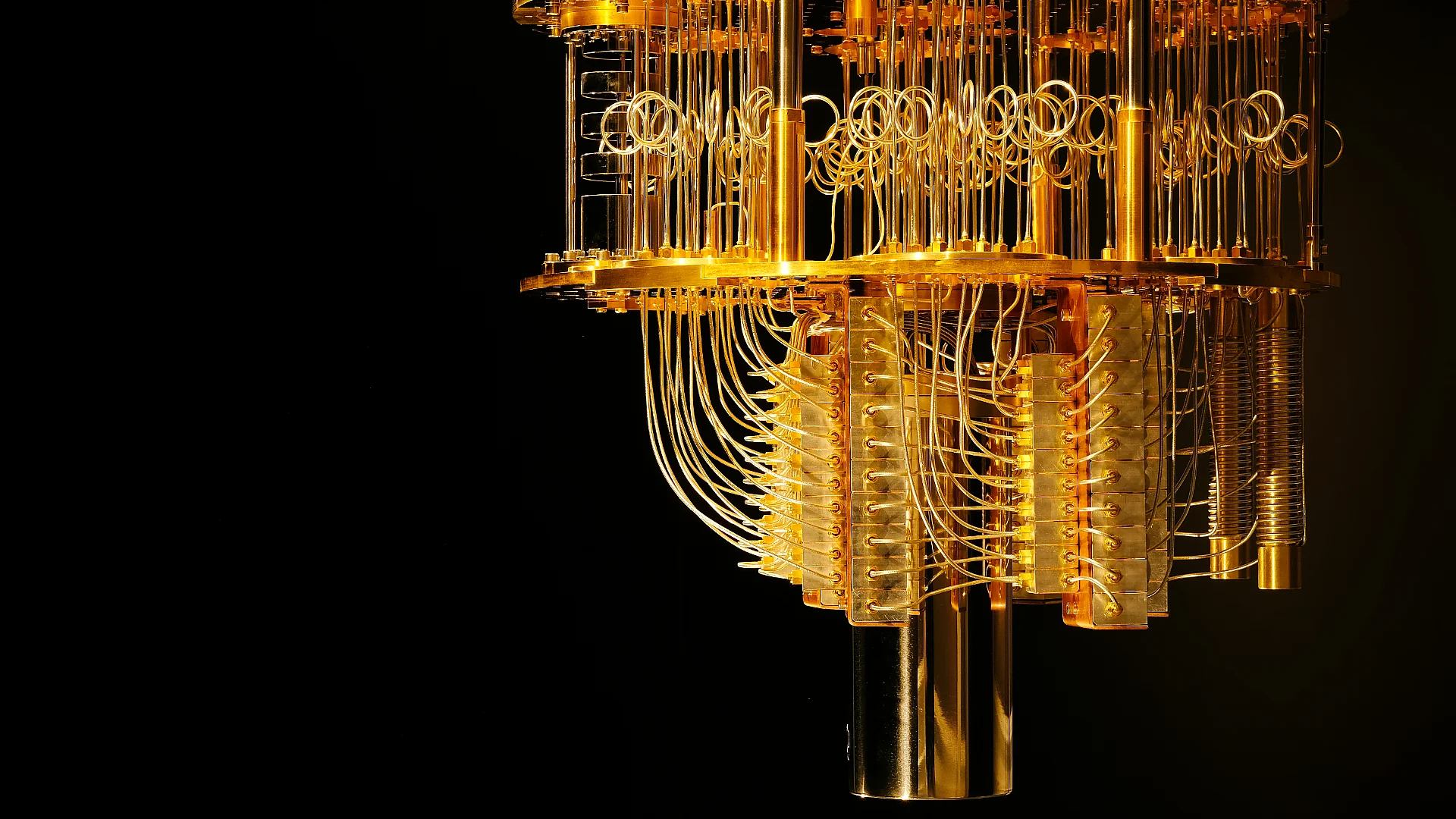
IBM and UChicago ran a 70-qubit circuit in about 15 minutes and certified a 0.284 fidelity lower bound using quantum codes instead of trust assumptions.

HKU physicists measured a 82.2 mV·m/N piezoelectric response in 5-micrometer diamond membranes, traced to charge buildup at internal grain boundaries.
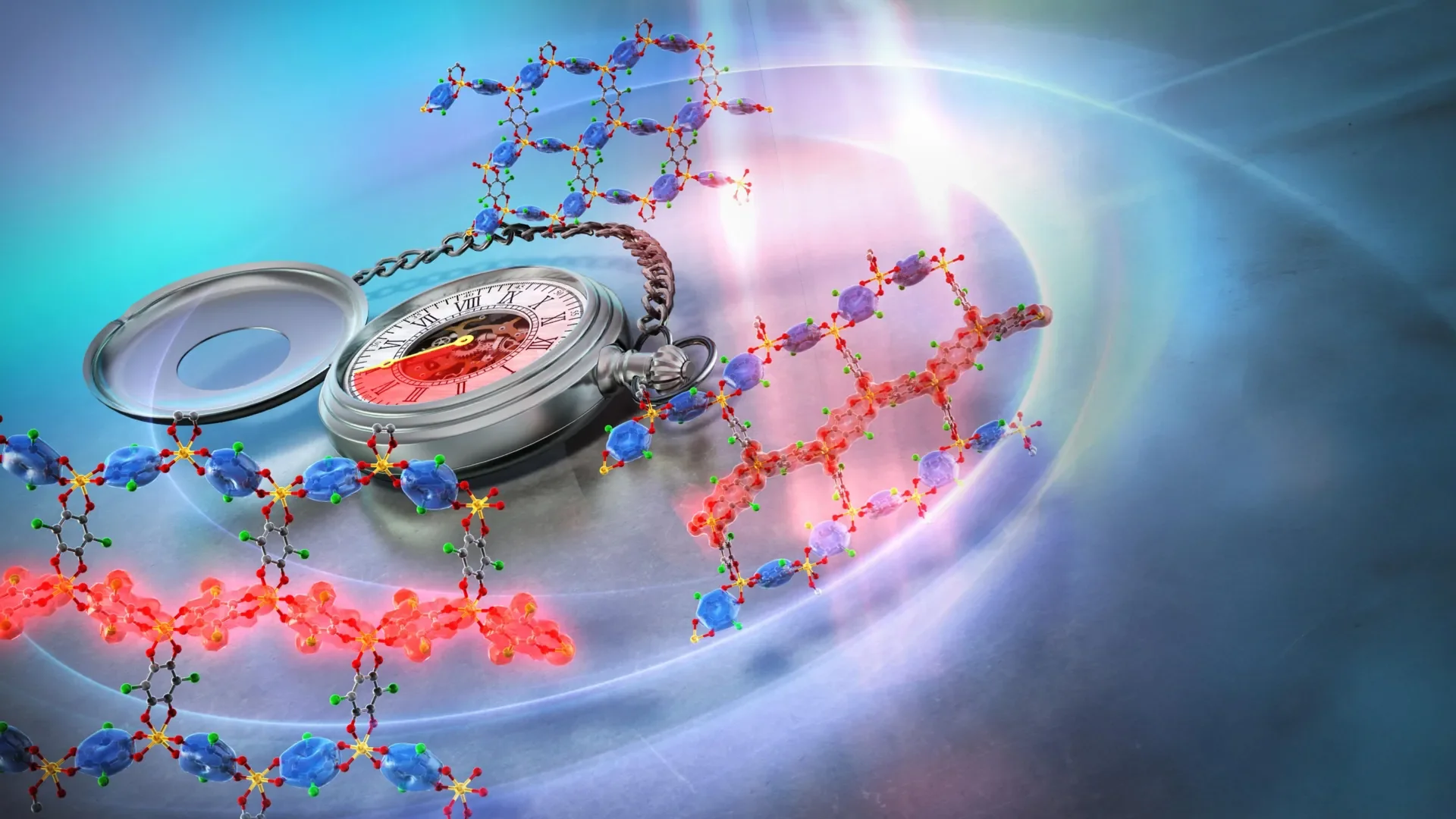
Physicists used 6-fs laser pulses to catch a metal-organic framework forming a new electronic state in 30 femtoseconds, driven by a bond-order wave.

Finnish researchers ran three quantum Otto cycles on a superconducting qubit, measuring positive work and 0.55% efficiency, a first for cyclic devices.