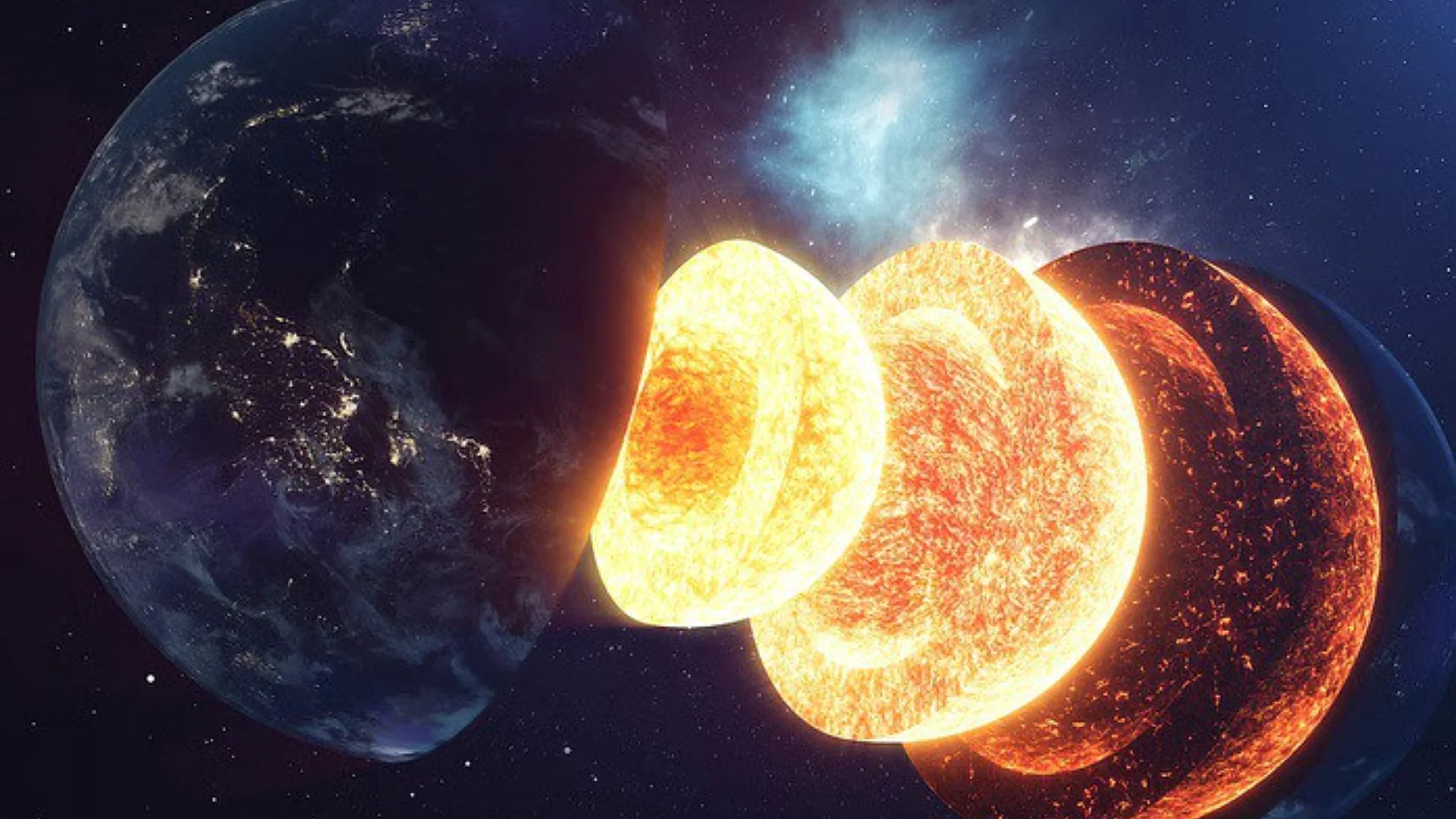
Earth's Inner Core May Be Tugging the Mantle, Changing Day Length by Milliseconds
Inner core gravitational torque, shaped by a 10-year viscous lag, reproduces Earth's multidecadal day-length changes from 1964 to 2019, Nature reports.
Science communicator and futurist exploring the boundaries between speculative fiction and emerging reality. I bridge the gap between environmental sustainability, deep-space exploration, and the philosophical dimensions of science fiction. Dedicated to dissecting how advanced technology and lifestyle engineering shape our collective future, I provide analytical insights into biodiversity, physics, and the visionary concepts of tomorrow.
Inner core gravitational torque, shaped by a 10-year viscous lag, reproduces Earth's multidecadal day-length changes from 1964 to 2019, Nature reports.
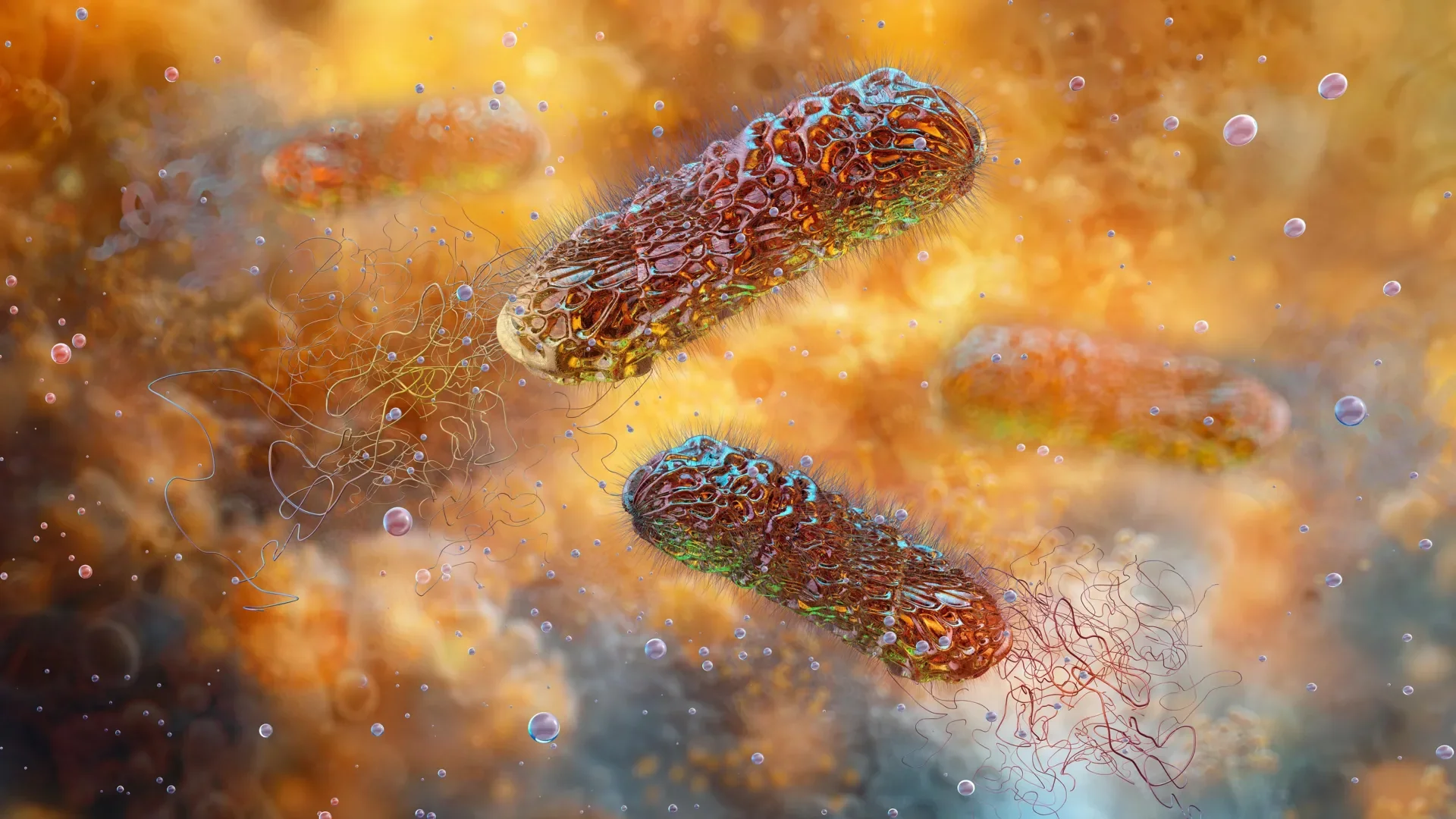
Resurrected lactoferrin ancestors show a 100,000-fold S. aureus viability drop, beating the modern human peptide's 100-fold effect, PLOS Biology reports.

Trapped gases from Karelia's Zaonega Formation show a 72-350°C gradient beside a 2-billion-year-old magma sill, reframing a global carbon signal as local.
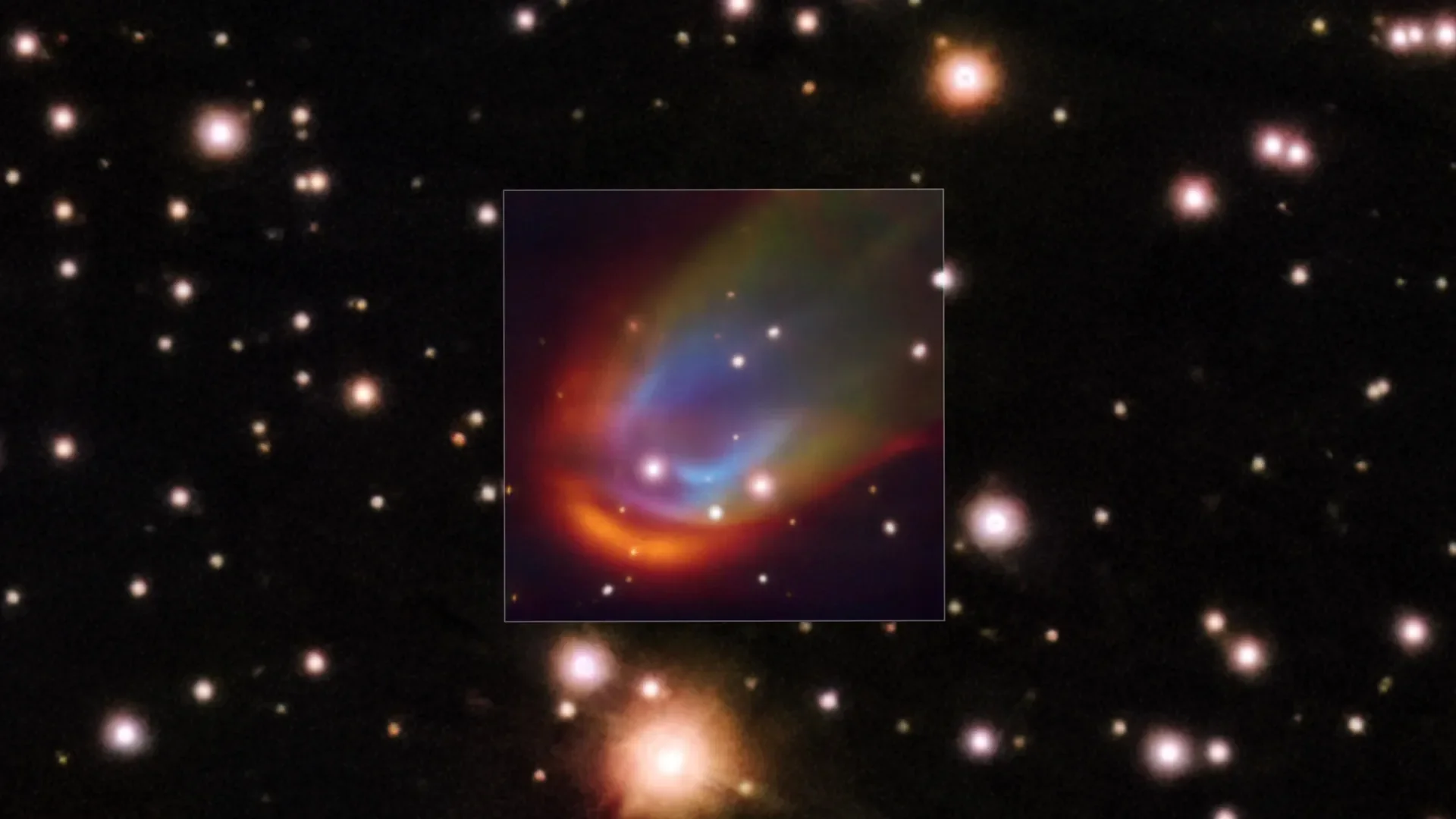
Astronomers found a bow shock around white dwarf RXJ0528+2838 that no known mechanism explains: not a nova, not a disk wind, and not even its own 42-45 MG magnetic field.
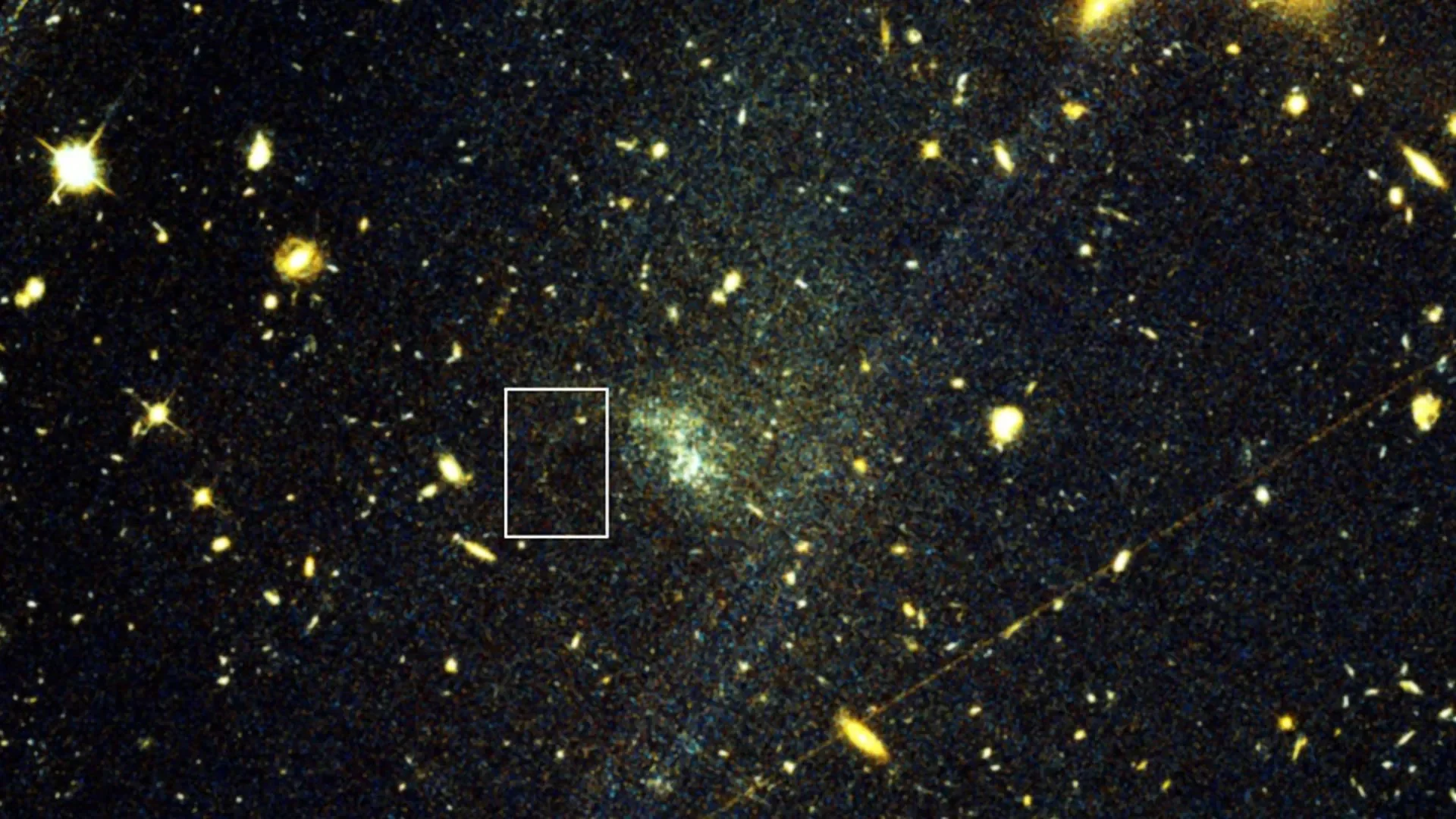
Globular cluster stream candidate Oyashio is 72 pc wide, in galaxy UGC 9050-Dw1. Nature models cap the parent cluster's mass at 2.5 million solar masses.
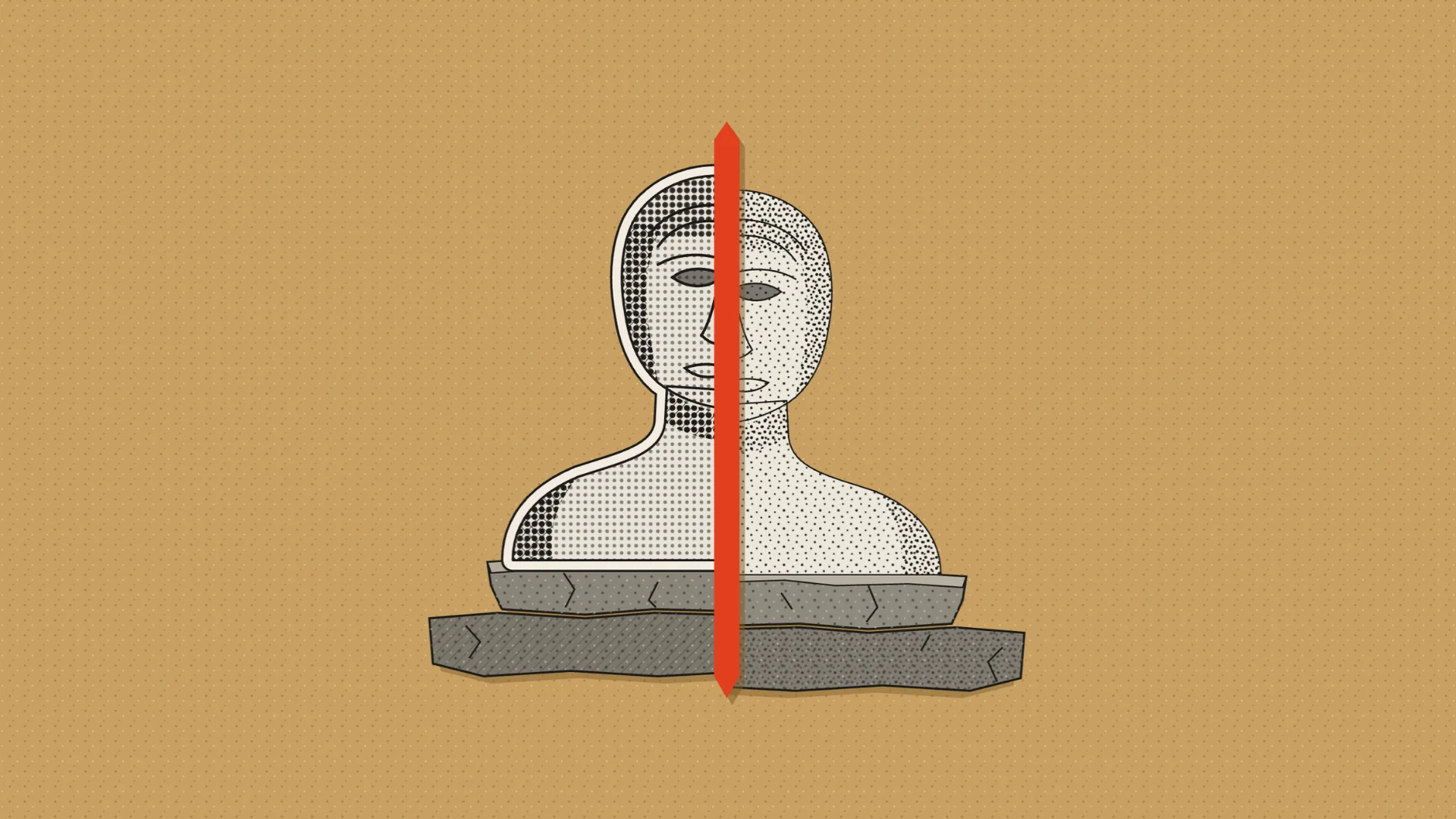
A Stanford lineage-tracing study finds two separate progenitor cells, marked by Otx2 and Gbx2, build the forebrain/midbrain and hindbrain from gastrulation.
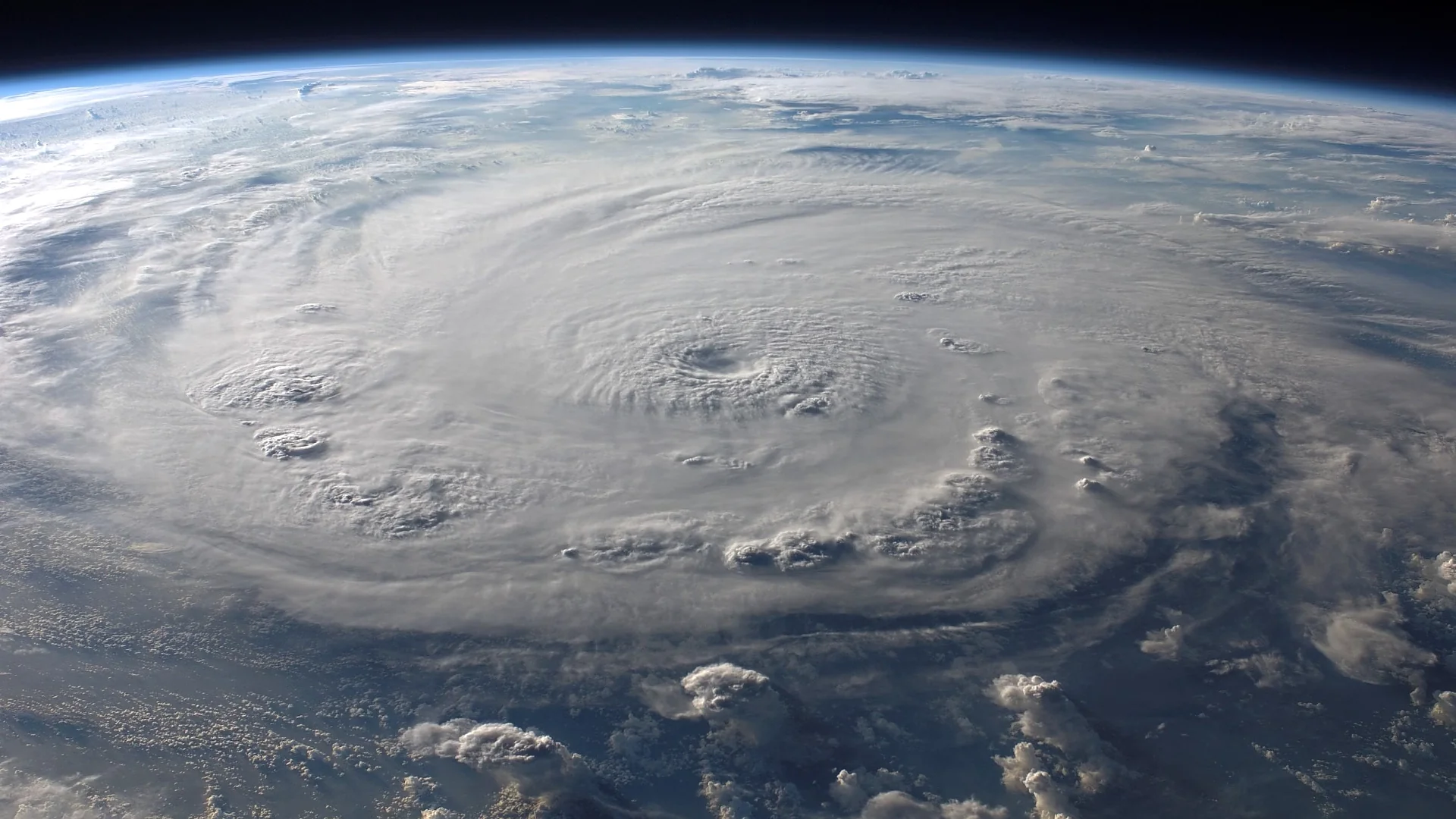
New analysis of 1,510 NOAA Hurricane Hunter radar scans reveals why some tilted tropical cyclones quickly align vertically while others stay leaning and weak.
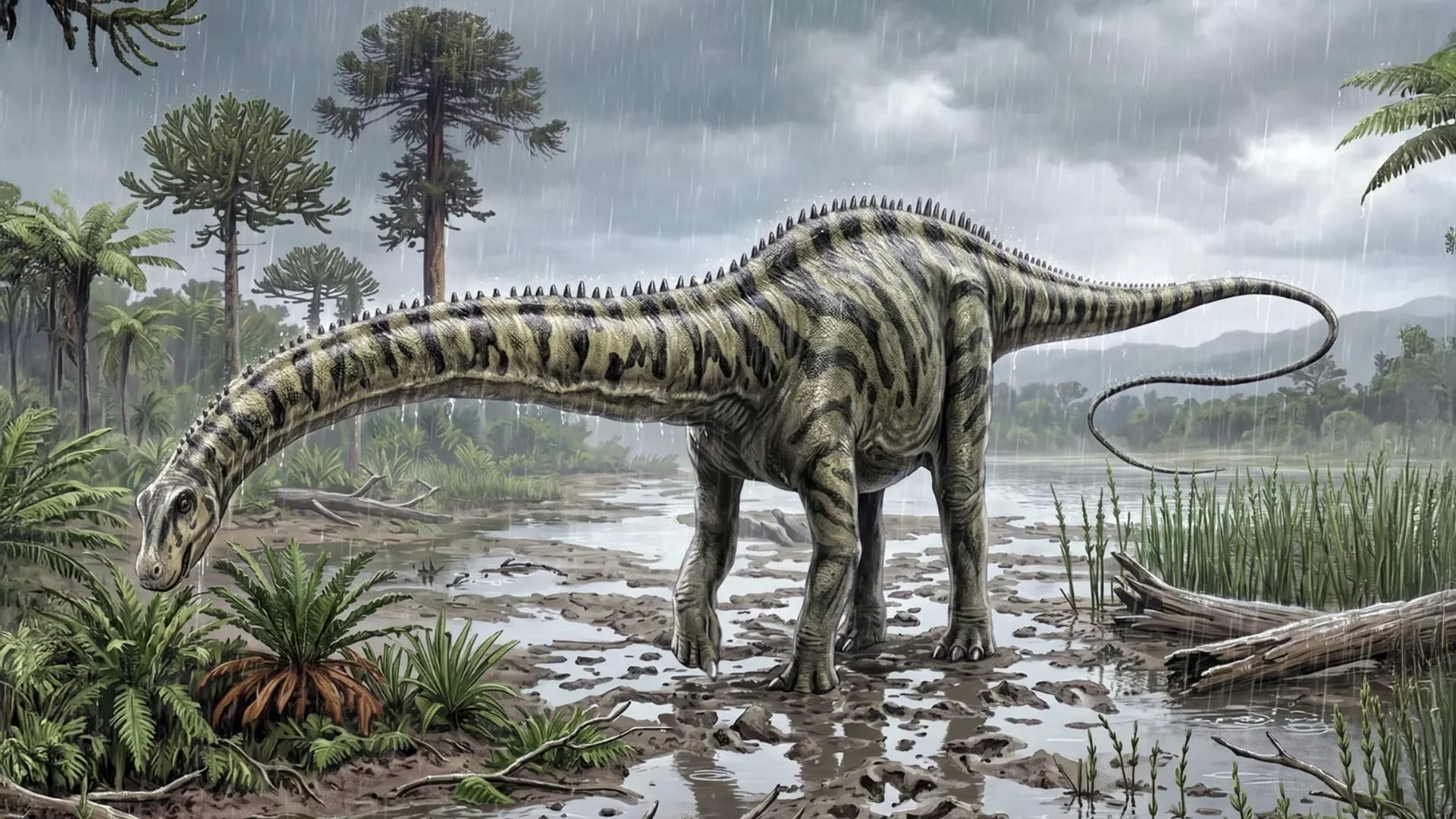
Diplodocus in Spain: 14 tail vertebrae from Teruel are the first formal European record. Three of five experts back the ID; two call the tail too thin.
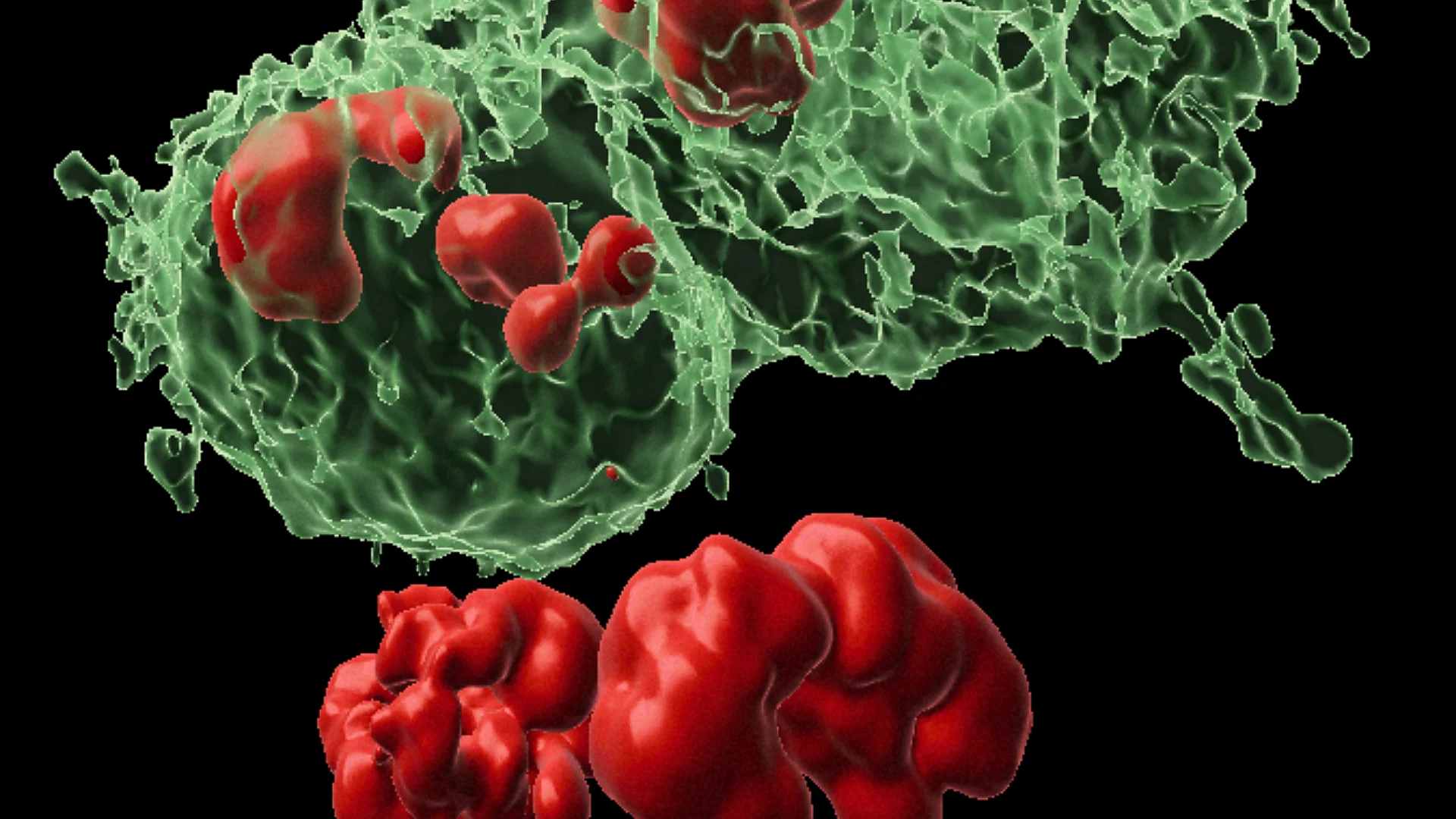
Dronc-activating DARE cells grew from about 10% to nearly 50% of irradiated fruit fly wing disc area within 48 hours, a Weizmann Institute-led study reports.