A carbon-isotope anomaly that has anchored decades of thinking about Earth's early oxygenation may record a single local magma intrusion rather than a planetwide upheaval, according to a study of 2-billion-year-old rocks from Karelia, Russia, published in the journal Geology on July 13, 2026.
How a Magma Sill Turned Buried Oil Into Light-Carbon Biomass
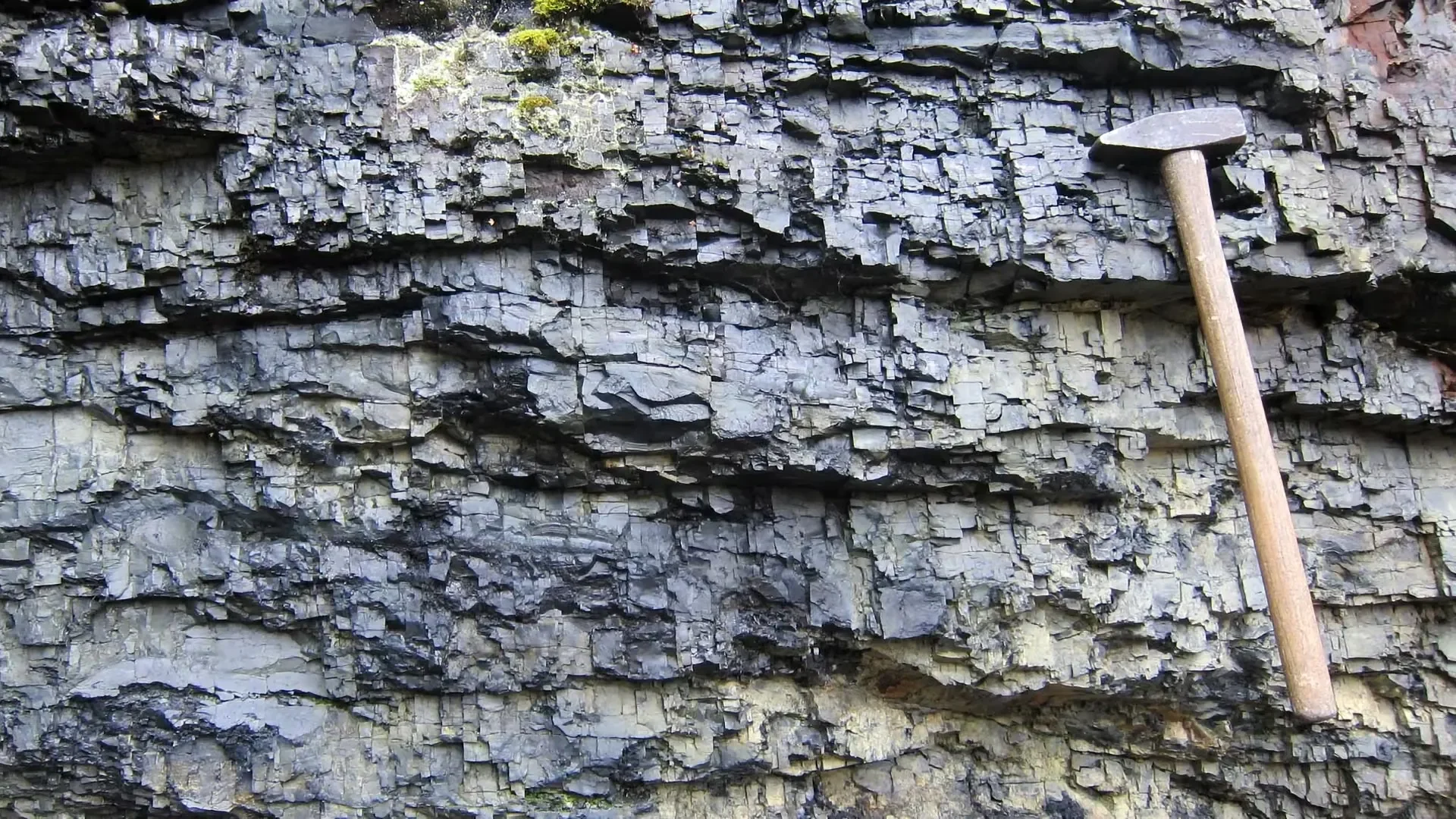
The rocks in question, the ca. 2.0 Ga Zaonega Formation, preserve organic matter with carbon-isotope values as low as −40‰ to −45‰, among the most 13C-depleted material known from that period. Paired with a similar signal in Gabon's Francevillian Basin, the pattern has often been read as the Shunga–Francevillian event: evidence that Earth's carbon cycle swung out of balance globally as atmospheric oxygen first rose. Lead author Nivedita Thiagarajan, a senior scientific researcher at Caltech, says her team studied gases trapped in microscopic pockets within Zaonega's rocks and found the signal explainable by processes confined to a basin several hundred square kilometers across. The team, which also included Aivo Lepland of the Geological Survey of Norway, proposes that a gabbro sill intruded the marine sediment while it still lay beneath a prehistoric ocean, heating organic-rich rock enough to generate thermogenic methane and propane. Those gases migrated upward through the sediment pile and reached microbes near the ancient seafloor that consumed the methane, producing biomass carrying the same light carbon signature later found locked in the rock.
A 72°C-to-350°C Gradient Ties the Signal to One Intrusion
The evidence for that mechanism comes from a 500-meter core through the formation, the first place researchers have measured a depth-dependent CO2-CH4 apparent-temperature gradient for this section. Temperatures run hottest, around 350°C, in gas trapped low in the core next to the gabbro sill, and decline systematically upward to about 72°C near an ancient seafloor asphalt spill roughly 300 meters higher. That works out to a drop of close to 90°C for every 100 meters of section, steep enough that the heat source and the gas chemistry line up with a single buried intrusion rather than a basin-wide or global thermal event. The gases themselves carry a thermogenic signature for the C2-C4 hydrocarbons, the kind of chemistry the same Caltech lab has previously used to read the maturity of modern natural-gas systems, applied here to rock two billion years old.
What the Zaonega Case Leaves Open for the Gabon Comparison
The authors are careful about how far the finding extends. Their own paper states the data can be explained entirely by local basinal mechanisms, while adding that a contribution from a genuine global carbon-cycle perturbation cannot be fully excluded. Thiagarajan frames the stakes plainly: because Zaonega is a reference site for the Shunga–Francevillian event, the new result raises real questions about whether that event deserves its worldwide label. The next test is already underway. Through the GOE-DEEP project, an ICDP-co-funded drilling campaign that Lepland spent four months in 2025 coordinating, cores from Gabon's Francevillian Basin reached the Geological Survey of Norway in February 2026 and are due to be sampled later this year by an 18-country research team. If the same local sequence, gabbro heating, thermogenic gas, seafloor methanotrophy, shows up there too, the case for a coincidence weakens further. If it doesn't, the Gabon signal may still need a different or genuinely global explanation, leaving the two halves of the Shunga–Francevillian event with separate stories rather than one.
Earth's Inner Core May Be Tugging the Mantle, Changing Day Length by Milliseconds
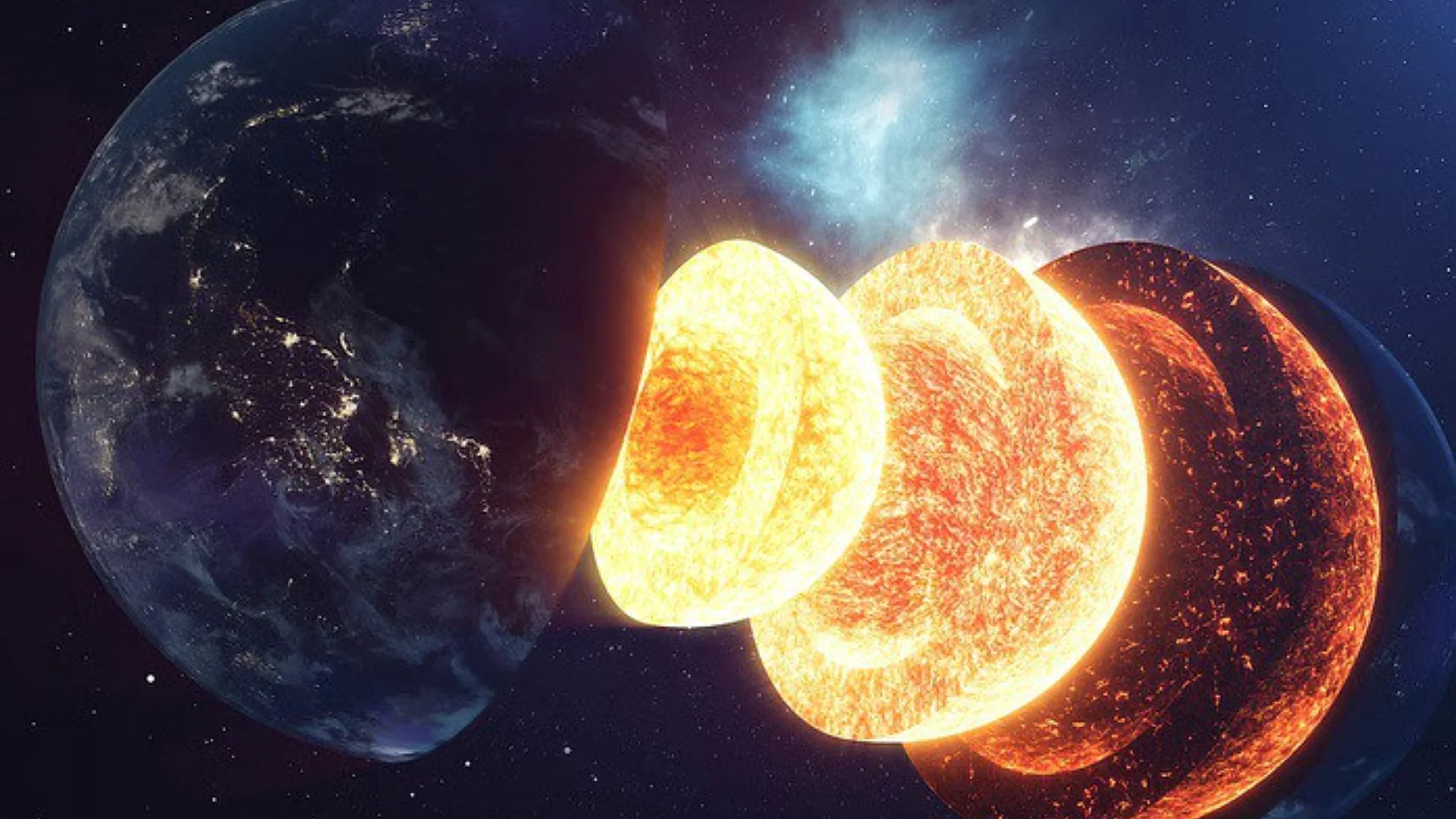
Inner core gravitational torque, shaped by a 10-year viscous lag, reproduces Earth's multidecadal day-length changes from 1964 to 2019, Nature reports.
Why Some Tilted Hurricanes Quickly Align, and Others Stay Leaning
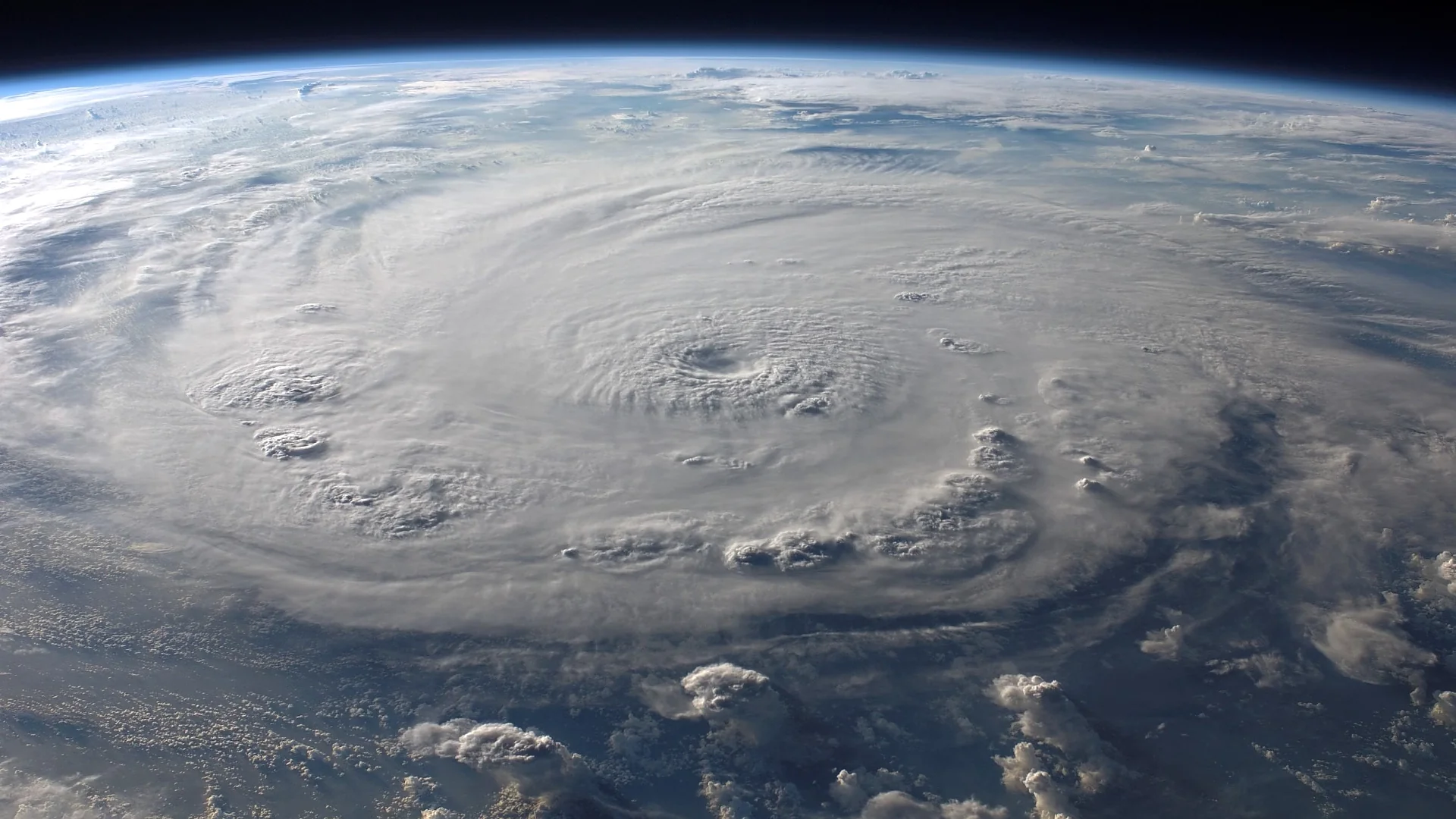
New analysis of 1,510 NOAA Hurricane Hunter radar scans reveals why some tilted tropical cyclones quickly align vertically while others stay leaning and weak.
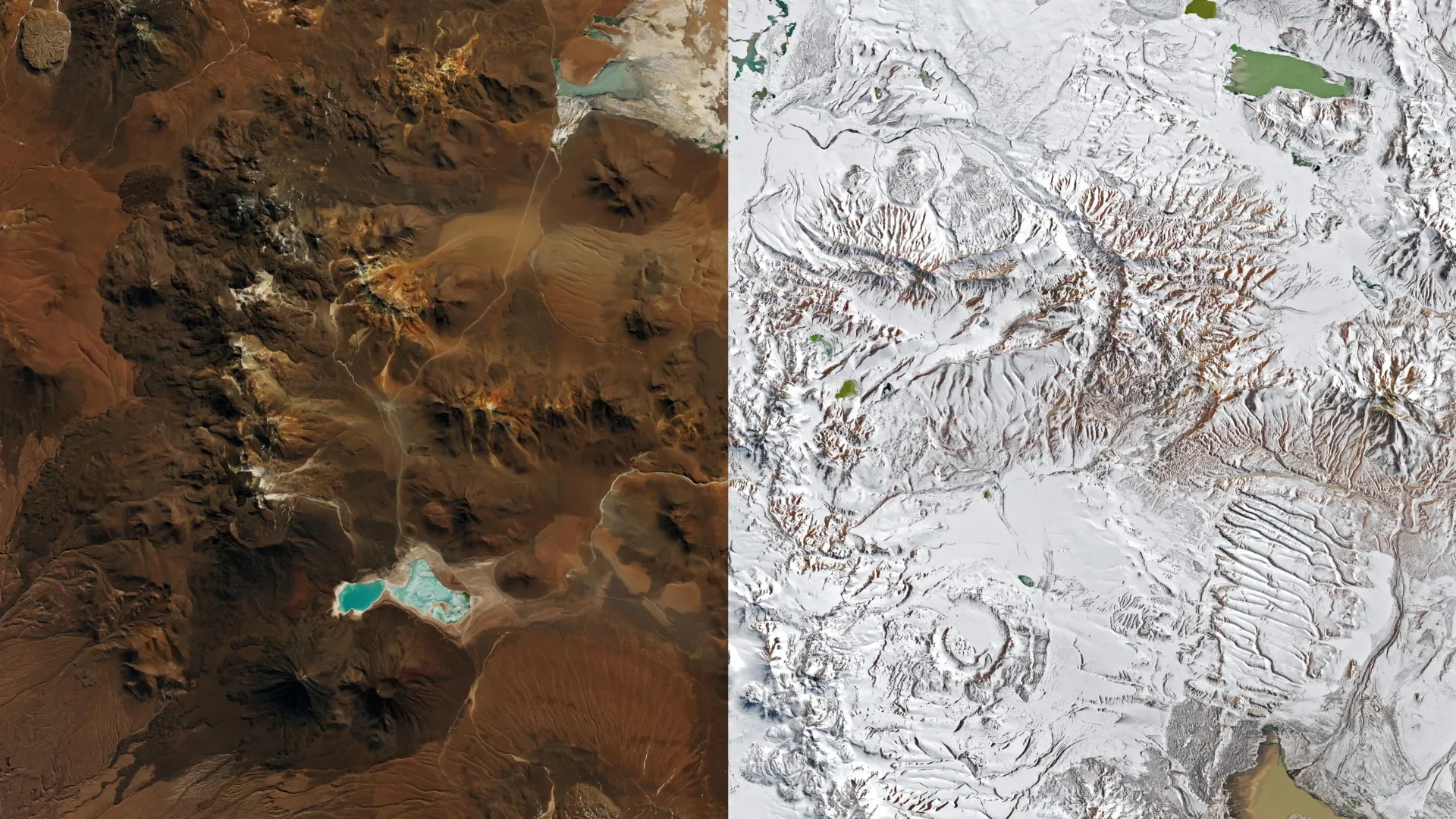
Storms Bury the Atacama Desert in Snow, Dump Ten Times Normal Rain on the Coast
Back-to-back storms buried Chile's Atacama Desert in snow, halted the ALMA telescope, and dumped 10x normal rain on Taltal amid a strengthening El Niño.
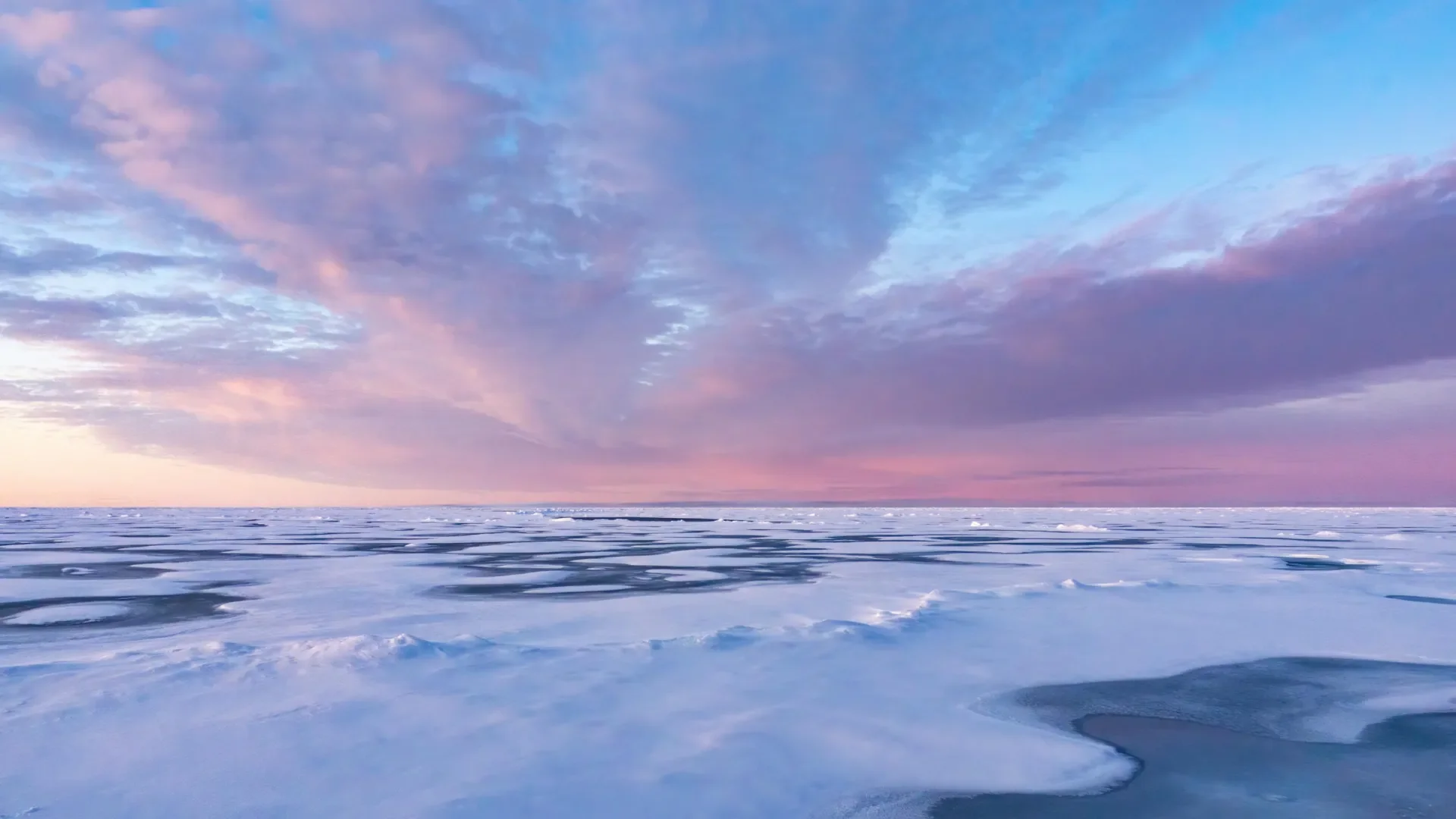
Ship Data Show Iodine and Sulfur Chemistry Seeding Arctic Clouds
A five-week Greenland ship campaign found iodine and sulfur acids seeding Arctic particles, then organic vapors grew them into far more cloud-seeding nuclei.
Comments (0)
Please sign in to join the discussion.
No comments yet.
Be the first to share your perspective on this topic.