
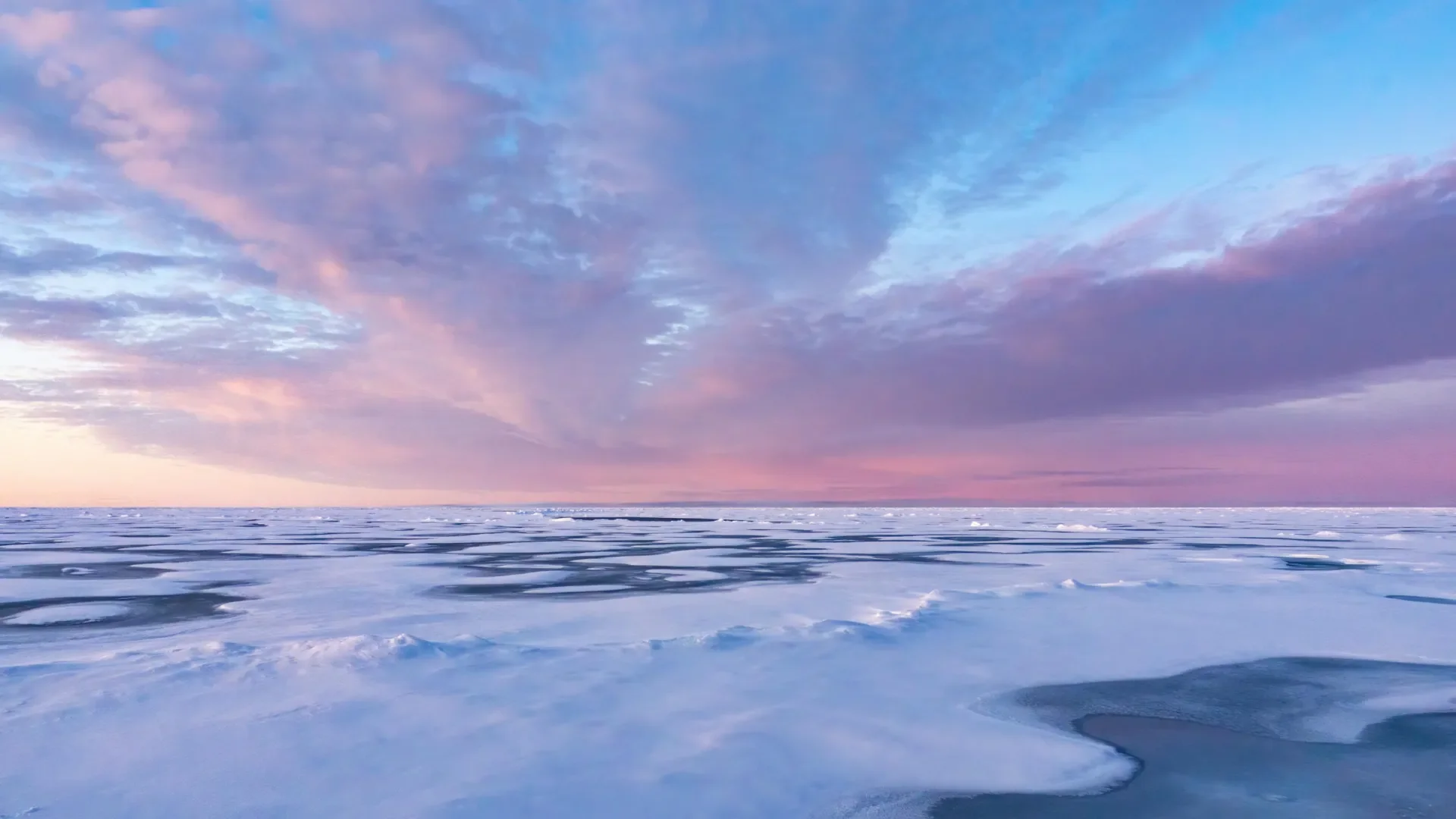
A five-week expedition through the Davis Strait's melting sea ice found that iodine and sulfur acids trigger new atmospheric particles on more than 80% of sunny days, and that organic vapors then grow those particles into cloud-seeding nuclei up to 50 times more abundant than background levels.
Nucleation Showed Up on Four Out of Five Bright Days
Between 19 May and 26 June 2022, researchers aboard the RRS Discovery sailed from southeastern Greenland into the Davis Strait's marginal ice zone, running continuous instruments for particle counts, gas-phase chemistry and cloud condensation nuclei (CCN). Background pollution was unusually low throughout the cruise, with nitrogen oxides under 50 parts per trillion and black carbon at just 1.9 nanograms per cubic meter, so the ship-based measurements published in Nature Geoscience captured a close to pristine marine atmosphere rather than a polluted one.
Of the days with strong sunlight, new particle formation appeared on 13 out of 16, or 81%. The team split those days into two kinds: eight where particles kept growing past 20 nanometers, termed NPF events, and five where a burst of very small particles appeared but growth stalled. A further eight days showed no nucleation signal at all. The measured formation rate at 1.7 nanometers ranged from 0.04 to 1.4 particles per cubic centimeter per second, depending on the day.
Neither sulfuric acid nor iodic acid alone could explain those formation rates when checked against CERN's CLOUD chamber data. Ammonia stayed below the detection limit for the entire cruise, and no amines were detected either, ruling out the ammonia- or amine-stabilized pathways documented at other Arctic sites. The combination that did match the observations was a three-component system: sulfuric acid, iodic acid and iodous acid clustering together, consistent with a mechanism first identified in CLOUD chamber experiments and described in a 2023 Science paper. This is, according to the University of Birmingham, the first time that laboratory mechanism has been confirmed with real-world atmospheric data. Co-author James Brean, an Assistant Professor in Atmospheric Science at the university, said the findings amount to the first real-world validation of that iodine oxoacid and sulfuric acid mechanism.
The Ice Edge Turned a Handful of Particles Into Thousands
Nucleation only explains how particles start. What determines whether they become large enough to seed clouds is a separate process, and the clearest example in the study came from an air mass that tracked the sea ice edge for more than a day on 7 and 8 June. As that air mass sampled the boundary between open water and 10-80% ice cover, concentrations of aldehydes measured by the instruments jumped to their highest levels of the entire campaign, peaking at 420 parts per trillion by volume.
Particles that formed on 7 June grew to about 30 nanometers within hours, then kept growing to around 100 nanometers by 8 June, with the growth rate accelerating to roughly 5 nanometers per hour as more organic vapor condensed onto the larger surfaces. Once particles passed 50 nanometers, aerosol mass spectrometer data showed organic material dominating their mass, with a smaller rise in sulfate alongside it, and a chemical signature tied to iodine-containing organics grew in step with the particles themselves.
That rise, from roughly 50 to 1,500 particles per cubic centimeter at one measurement setting, and from roughly 100 to 2,500 at another, is the kind of order-of-magnitude change the paper's abstract summarizes as CCN enhancement of up to 50-fold near the marginal ice zone. The authors are careful to note that this particular closure, tracking the same particles from formation through to measured CCN, was captured directly in only two events during the whole campaign; other nucleation days likely fed the regional CCN pool too, but without the same direct before-and-after measurement.
A Pathway Missing From Climate Models
Modeling work built into the study estimated that organic vapors, not the inorganic acids that start the process, account for most of the particle growth once nucleation begins. A newly identified class of iodine-containing organic molecules, absent from prior Arctic chemistry inventories, is estimated to contribute between 7% and 23% of that modeled growth. The growth model matched only about half or more of the growth actually observed, a gap the authors attribute to organic compounds too heavy for their instrument to fully detect, along with multiphase chemistry and coagulation that the model does not capture.
None of this was tested outside one region in one season. The campaign ran for five weeks around Greenland and the Davis Strait in 2022, and while the authors argue the sulfur, iodine and organic sources involved are common enough that similar chemistry is probably relevant elsewhere, that extension has not itself been measured. What the study does establish directly is that global climate models do not currently represent this three-way iodine, sulfur and organic pathway as a coupled process, and that gap matters because the Arctic marginal ice zone is expected to widen and shift north as warming continues, potentially extending exactly this kind of particle formation to new areas.
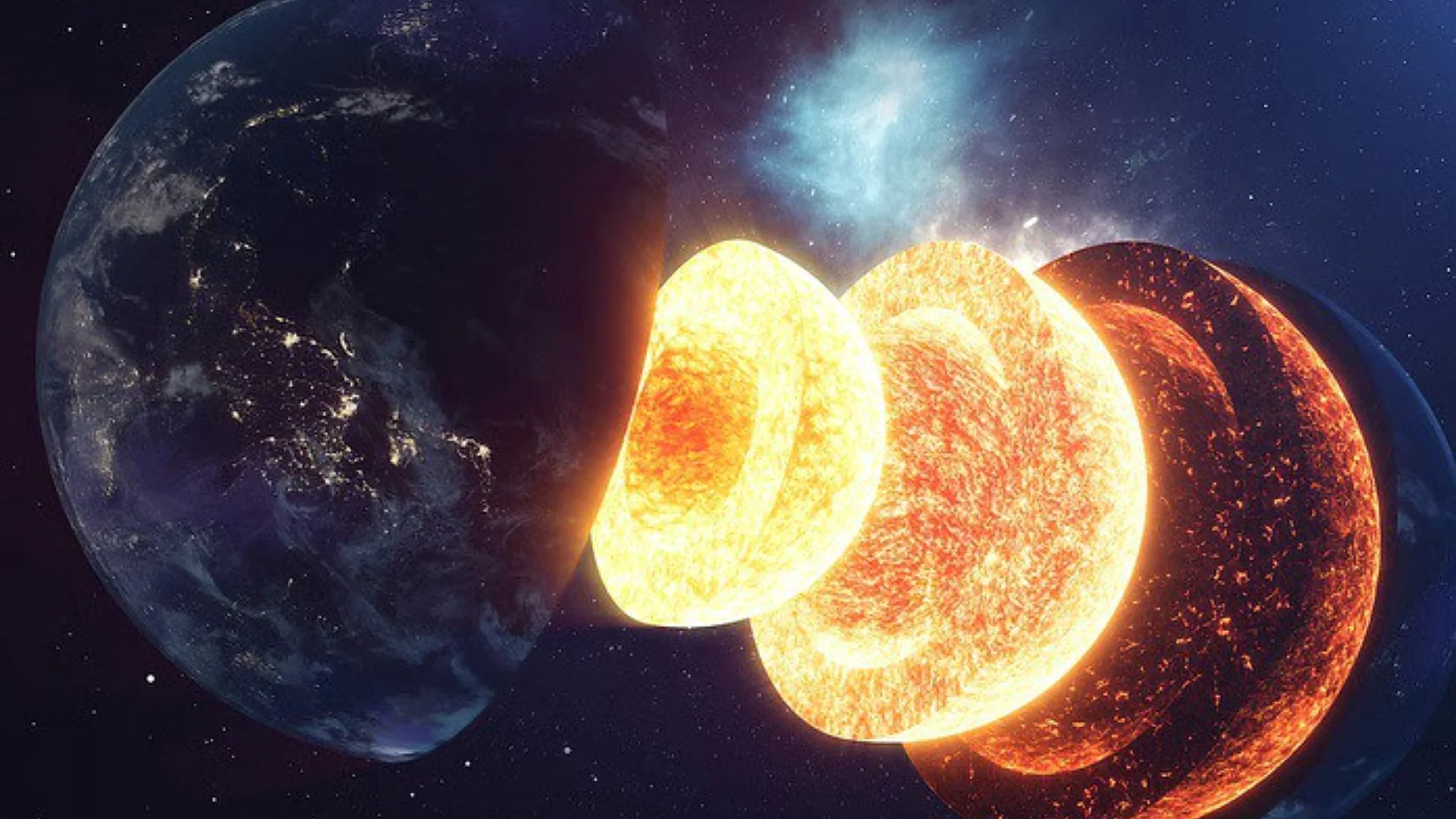
Earth's Inner Core May Be Tugging the Mantle, Changing Day Length by Milliseconds
Inner core gravitational torque, shaped by a 10-year viscous lag, reproduces Earth's multidecadal day-length changes from 1964 to 2019, Nature reports.
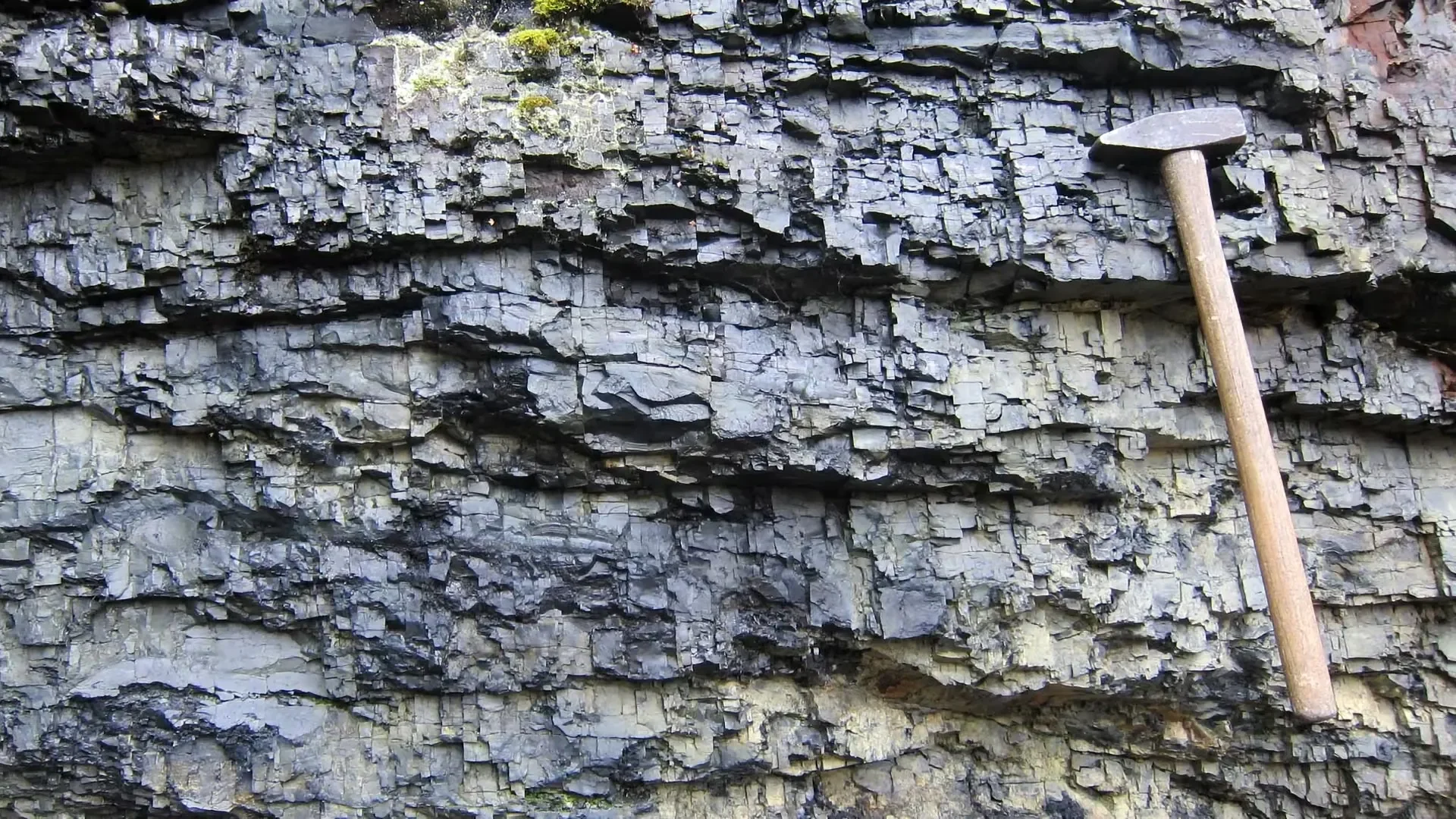
Trapped Gases Suggest a Famous 2-Billion-Year-Old Carbon Signal Was Local
Trapped gases from Karelia's Zaonega Formation show a 72-350°C gradient beside a 2-billion-year-old magma sill, reframing a global carbon signal as local.
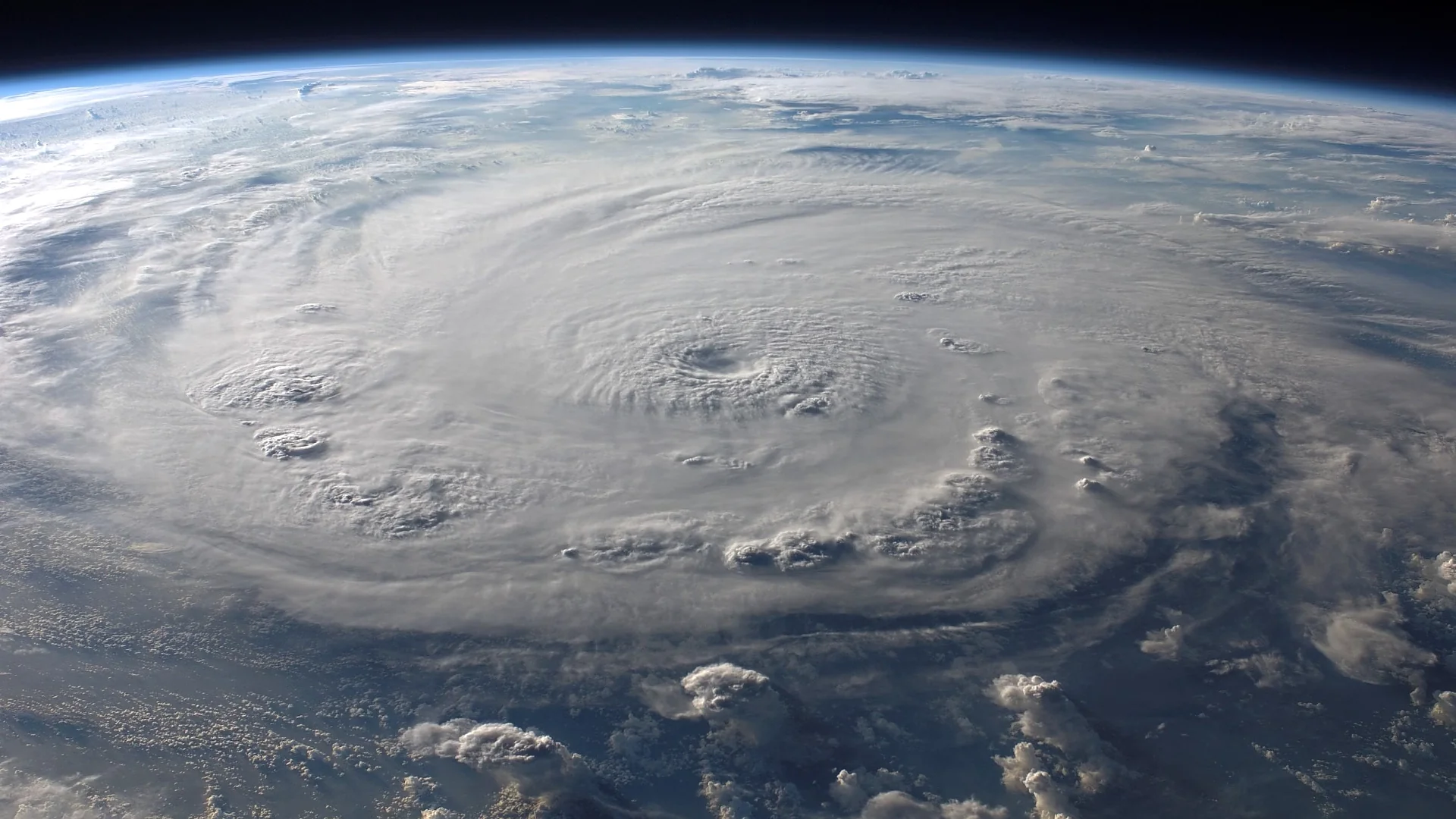
Why Some Tilted Hurricanes Quickly Align, and Others Stay Leaning
New analysis of 1,510 NOAA Hurricane Hunter radar scans reveals why some tilted tropical cyclones quickly align vertically while others stay leaning and weak.
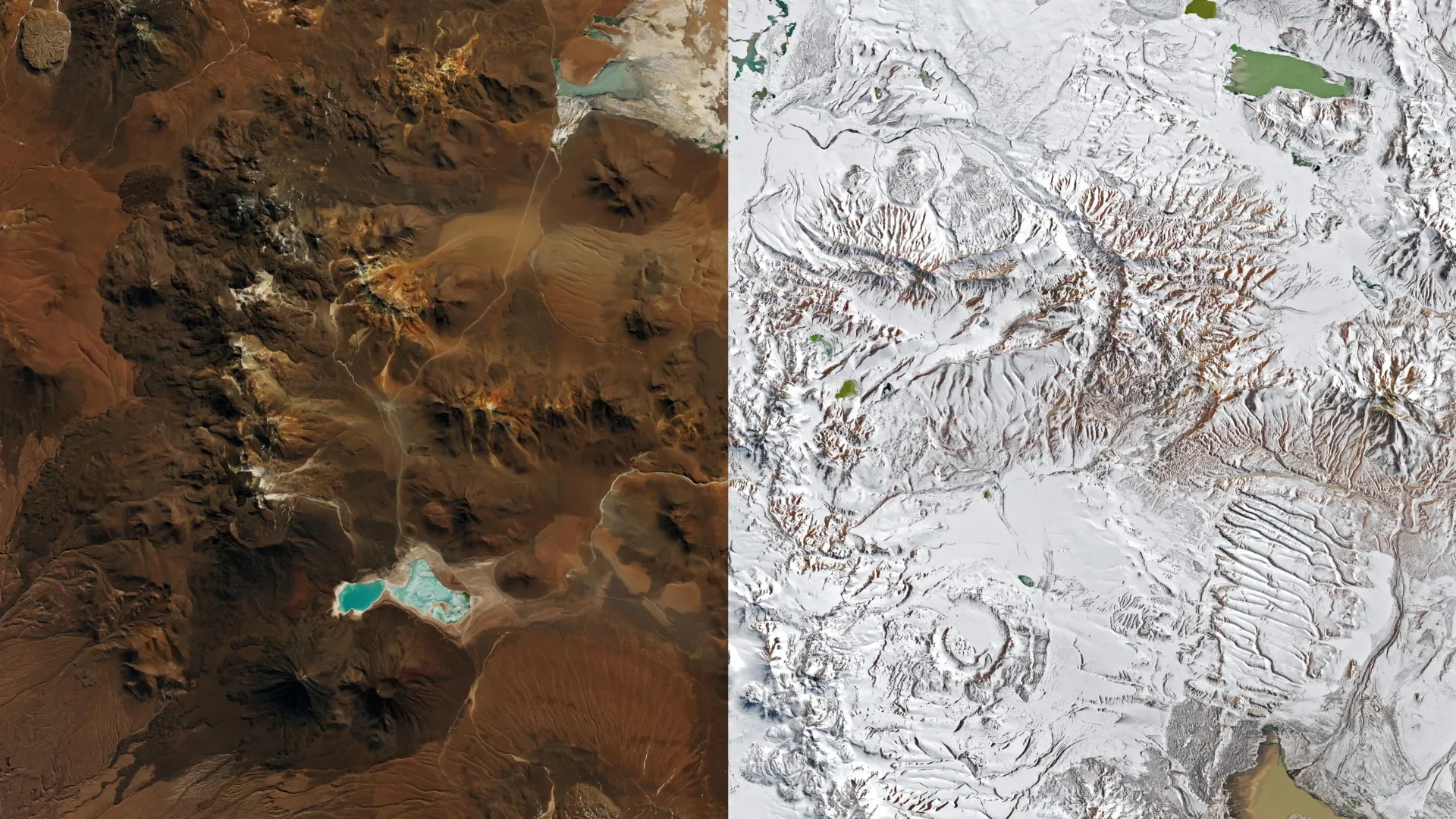
Storms Bury the Atacama Desert in Snow, Dump Ten Times Normal Rain on the Coast
Back-to-back storms buried Chile's Atacama Desert in snow, halted the ALMA telescope, and dumped 10x normal rain on Taltal amid a strengthening El Niño.
Comments (0)
Please sign in to join the discussion.
No comments yet.
Be the first to share your perspective on this topic.