
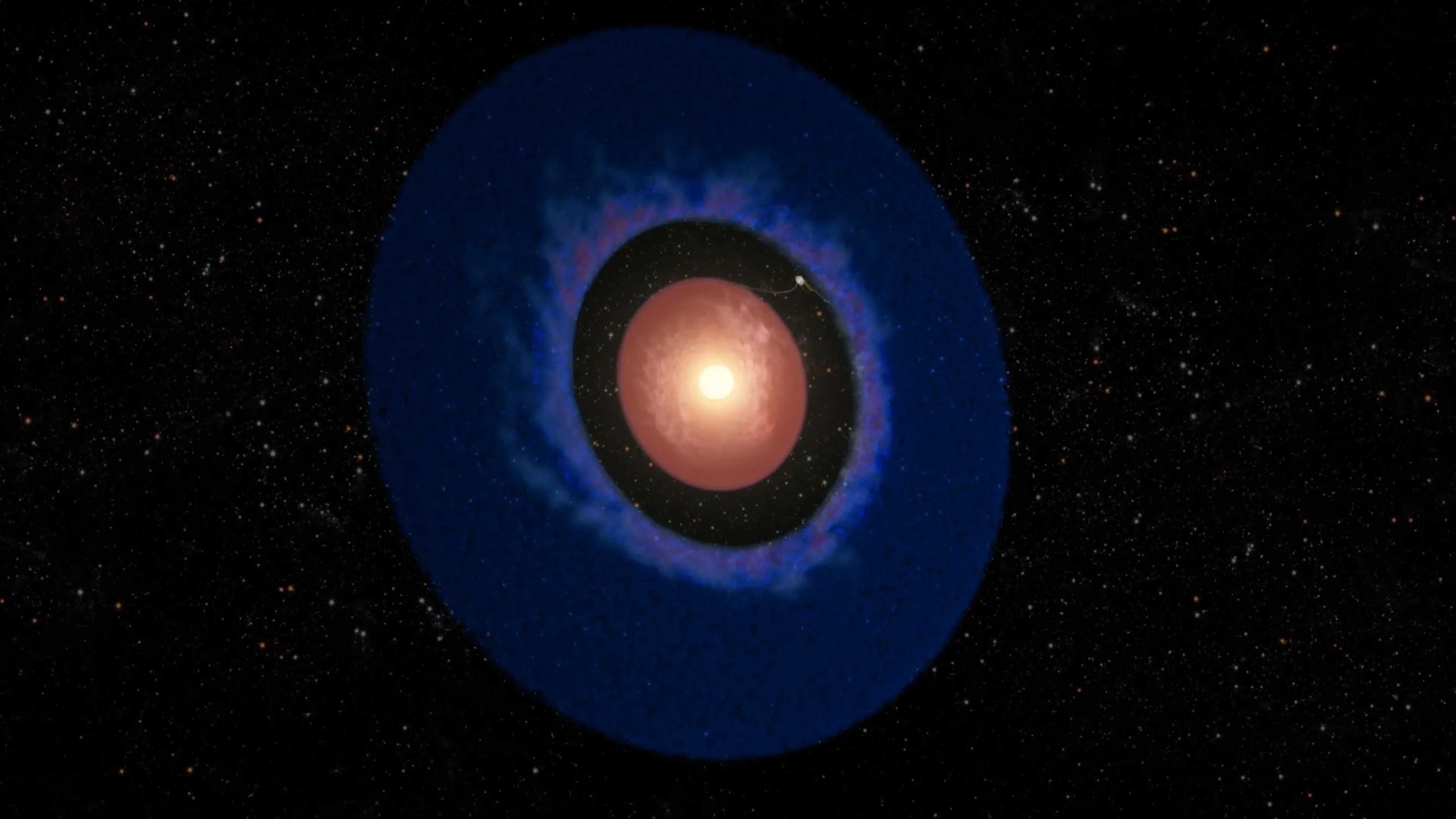
A planet less than a million years old, still pulling in gas and dust from the disk that built it, has been confirmed orbiting the young star Elias 2-24, roughly 450 light-years away in the Ophiuchus star-forming region. The newly published confirmation makes Elias 2-24 b the youngest planet ever directly detected, and it sits well outside what current core-accretion models expect a giant planet to achieve this early.
A Decade From Disk Gap to Confirmed Planet
The story behind Elias 2-24 b runs back almost ten years. A 2017 ALMA survey that first mapped the disk's gaps found three concentric clearings in the dust around the star, at roughly 20, 52, and 87 astronomical units. Gap widths that large hinted at forming planets large enough to carve them, with model-based mass estimates ranging from a few tenths of a Jupiter mass up to several Jupiter masses depending on the gap.
Follow-up imaging with the European Southern Observatory's Very Large Telescope turned up a faint point of light sitting inside one of those gaps. It should have been an easy call. Instead it became a decade-long argument, because standard planet-formation timescales put a Jupiter-size world at roughly 5 million years to assemble at Jupiter's own distance from its star, and longer at wider separations. Elias 2-24 b's candidate signal sat about 55 astronomical units out, at a disk age under 1 million years. Many astronomers suspected an imaging artifact or an unrelated background star instead.
Two Keck Epochs Separate a Planet From an Artifact
A single image cannot settle a question like this one. A background star or a detector artifact sits still relative to a moving foreground disk over time, while a bound planet moves with its host star and traces a consistent, physically plausible path. Telling the two apart requires the same patch of sky imaged years apart.
That is what closed the case. A team led by Andrea Bernardi, a doctoral candidate at Universidad Diego Portales, searched the Keck Observatory Archive, a NASA-funded partnership between Keck and the NASA Exoplanet Science Institute at Caltech/IPAC, and found the same faint source in Keck/NIRC2 vortex-coronagraph observations from 2018 and 2020. The vortex coronagraph at the heart of that instrument imposes a spiral phase pattern on the host star's light so the light cancels itself out at the center of the image, suppressing the star's glare enough to reveal a faint companion sitting only a fraction of an arcsecond away. Stitching the two archival epochs together let the team track the source's motion against its star rather than judging it from one snapshot. "The planets should be found within the gaps, since they are carving them, and that's exactly where we found Elias 2-24 b," Bernardi said, according to NASA's account of the archival re-analysis. The combined astrometry, cross-checked against the earlier ALMA and VLT observations, behaved like an orbiting, accreting planet rather than a stationary background object.
How Far Outside the Core-Accretion Timeline This Sits
Before this confirmation, the youngest confirmed exoplanets were a four-way tie: two planets orbiting PDS 70 and two orbiting WISPIT 2, all reported at more than 5 million years old. Elias 2-24 b comes in at under 1 million years old. The gap between the two works out to roughly a factor of five.
Lining the two groups up this way makes the gap concrete rather than descriptive. It also sharpens the formation puzzle: if a giant planet can reach roughly Jupiter's mass within under 1 million years at tens of astronomical units from its star, then either core accretion at wide separations runs faster than current models assume, or some other mechanism is doing part of the work. Neither the paper nor NASA's release commits to which explanation is correct. NASA quotes co-author Lucas Cieza suggesting the field's leading models are still missing an important process, without specifying which one.
What the Confirmed Mass Still Doesn't Pin Down
Two things about Elias 2-24 b remain looser than the confirmation itself. First, the mass figures tied to the disk's three gaps come from a 2017 model that scales gap width against a forming planet's Hill radius, not from a direct measurement of Elias 2-24 b. Those numbers describe what a planet in that location could plausibly weigh, not what this specific one does. Second, an earlier study using ALMA gas kinematics modeled the candidate as either a planet upward of roughly 5 Jupiter masses or a lower-mass, actively accreting one above roughly 2 Jupiter masses. The new confirmation establishes that a planet is there and moving like one, without resolving which of those two mass scenarios is correct.
That leaves a useful, well-defined follow-up for the field: a direct spectroscopic mass measurement of Elias 2-24 b itself. NASA's Nancy Grace Roman Space Telescope, which launched August 30, 2026 and carries a more capable coronagraph than ground-based instruments like Keck's, is the instrument the paper's authors point to for pushing this kind of detection toward smaller, more Jupiter-like orbital separations. Bernardi described Elias 2-24 b as sitting at the edge of what current telescopes can detect at all, which suggests one confirmed, unusually young planet is unlikely to be the last one archival re-analysis turns up.
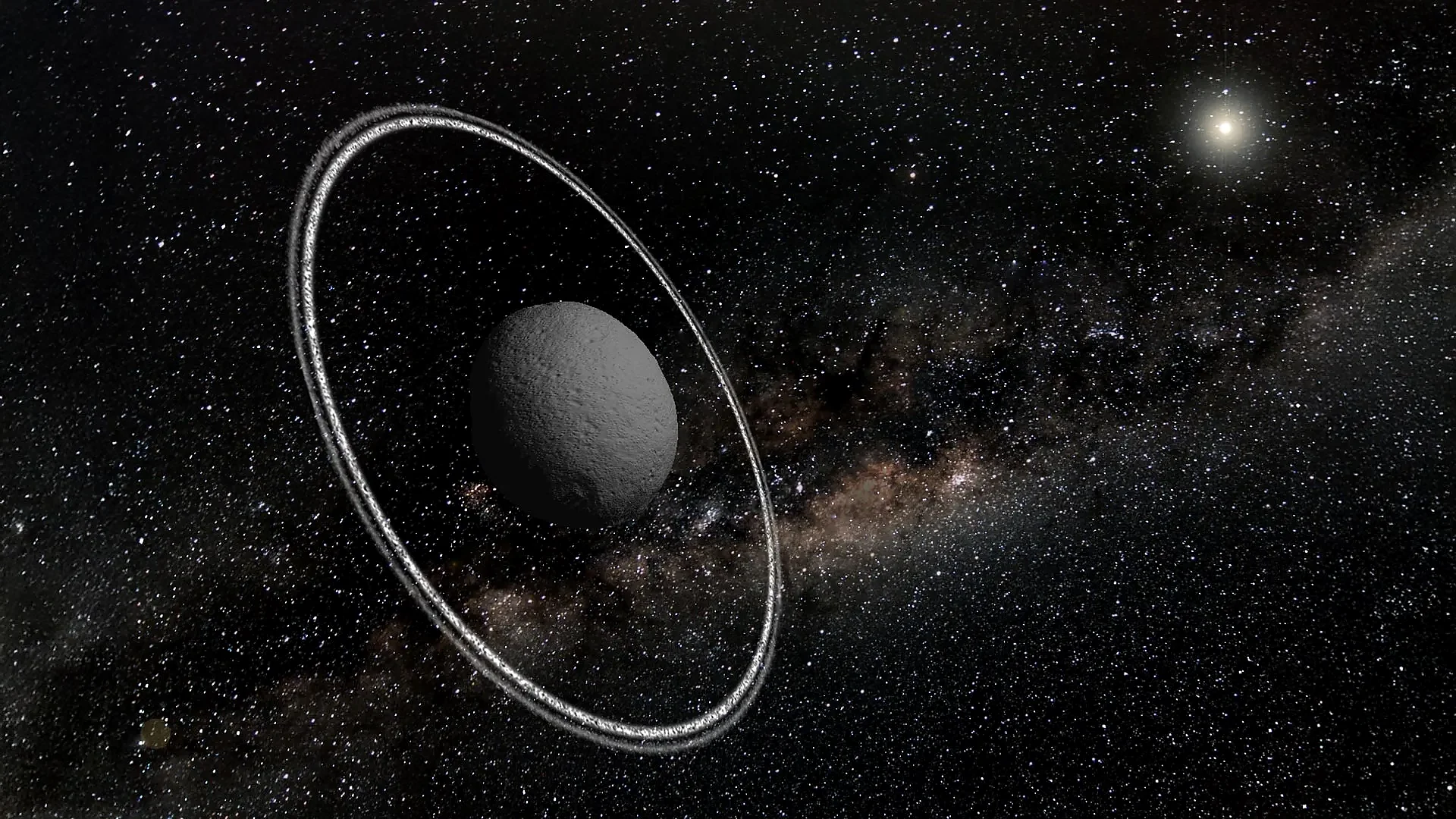
JWST Occultation Shows Chariklo's Two Rings Evolving in Opposite Directions
JWST's first predicted-and-observed stellar occultation reveals Chariklo's two rings changing in opposite directions within less than a decade.
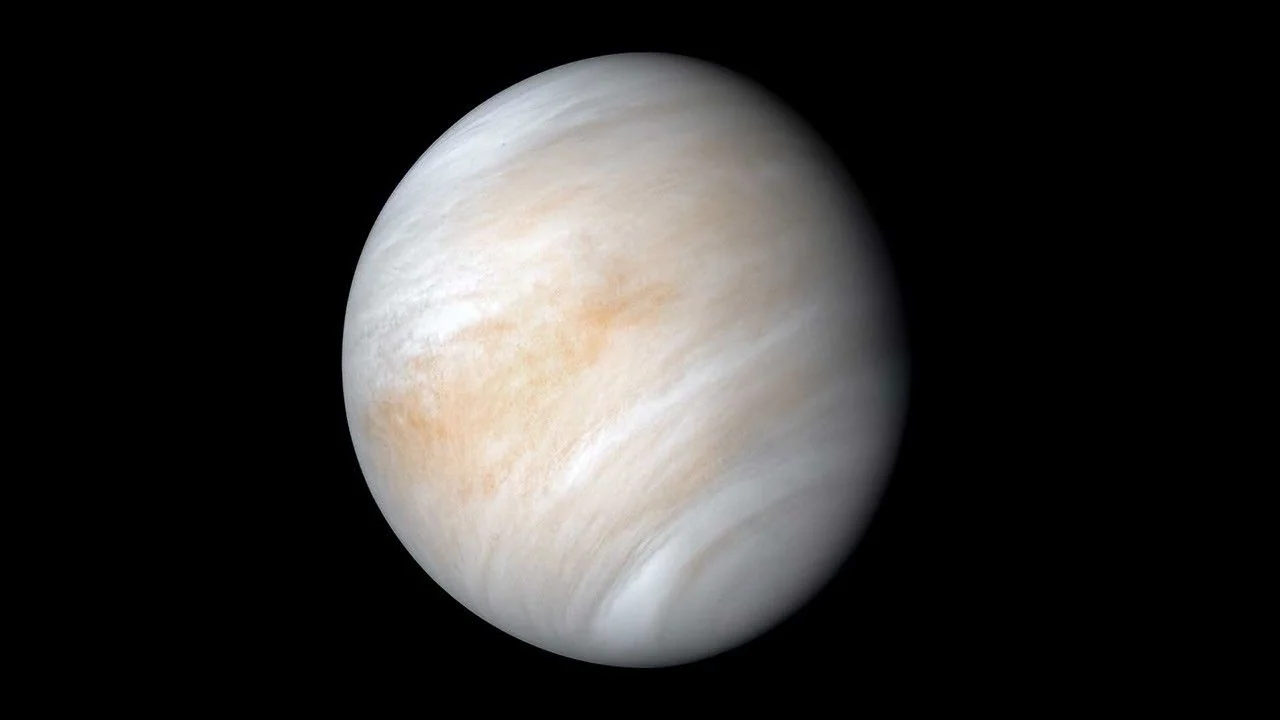
Why Venus's Pale Yellow Clouds Might Hide a Nearly Black Liquid
A new model finds Venus's cloud liquid must absorb UV light as strongly as concentrated pigments, narrowing the century-old 'unknown absorber' mystery.
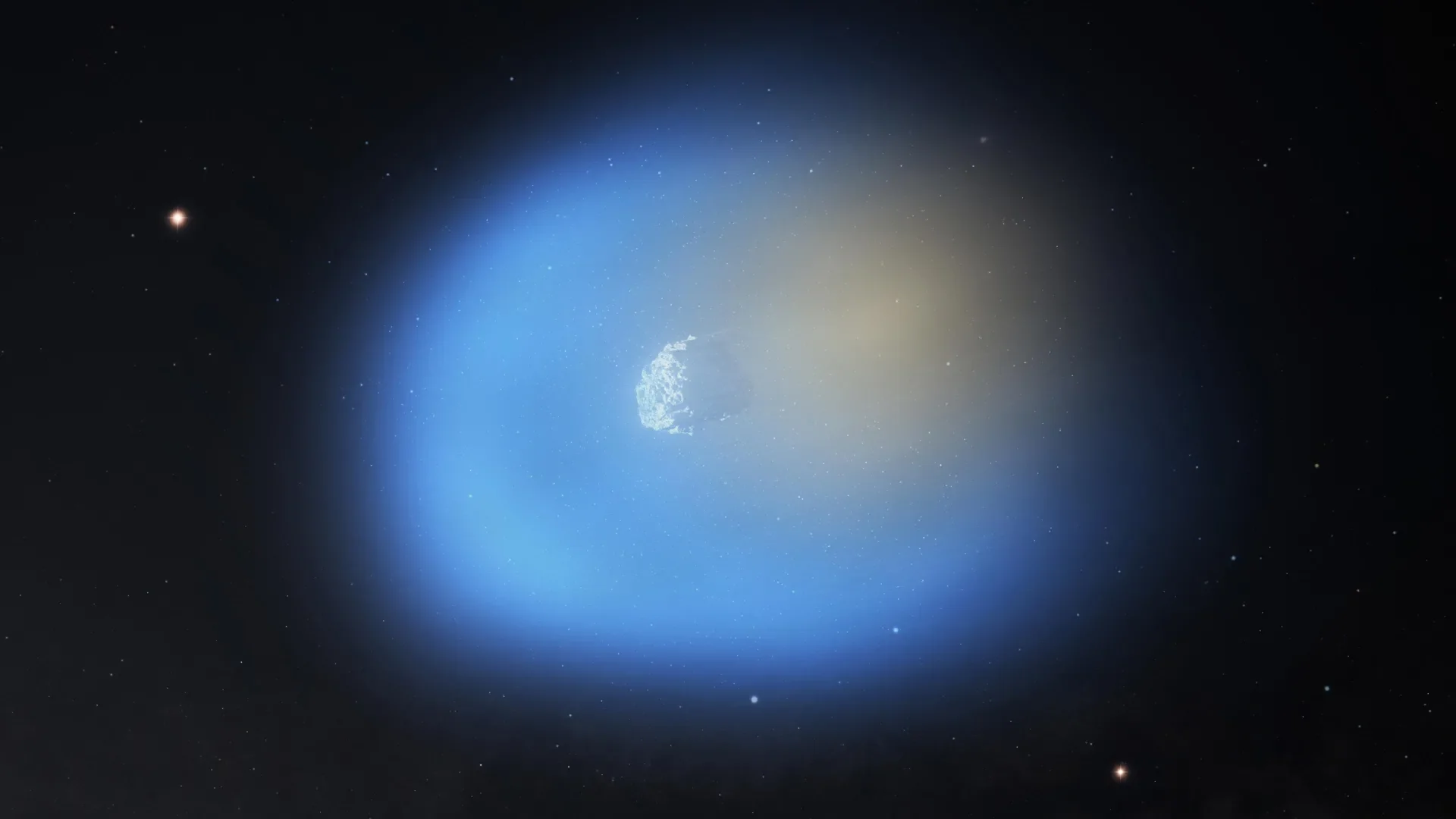
3I/ATLAS's Methanol-to-Hydrogen-Cyanide Ratio Reaches 124, ALMA Data Show
ALMA's Atacama Compact Array measured interstellar comet 3I/ATLAS's methanol-to-HCN ratio at 124 and 79 on two dates, among the highest recorded in a comet.
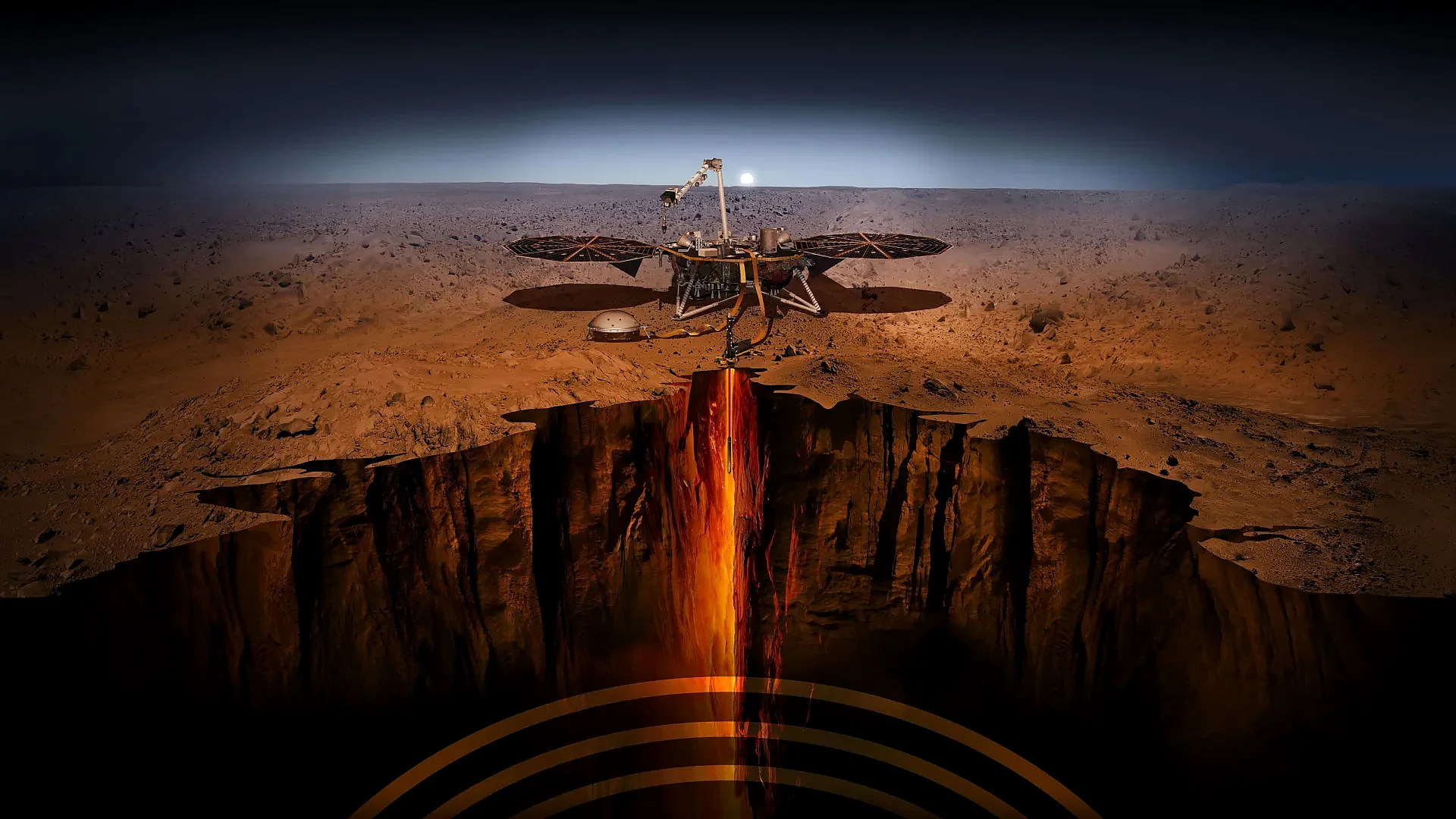
A Buried Ultramafic Layer Points to a Whole-Crust Magma System on Mars
NASA InSight data show a melt-depleted ultramafic layer 24–38 km down in Mars's crust, evidence of a magma system that once ran through the entire crust.
Comments (0)
Please sign in to join the discussion.
No comments yet.
Be the first to share your perspective on this topic.