
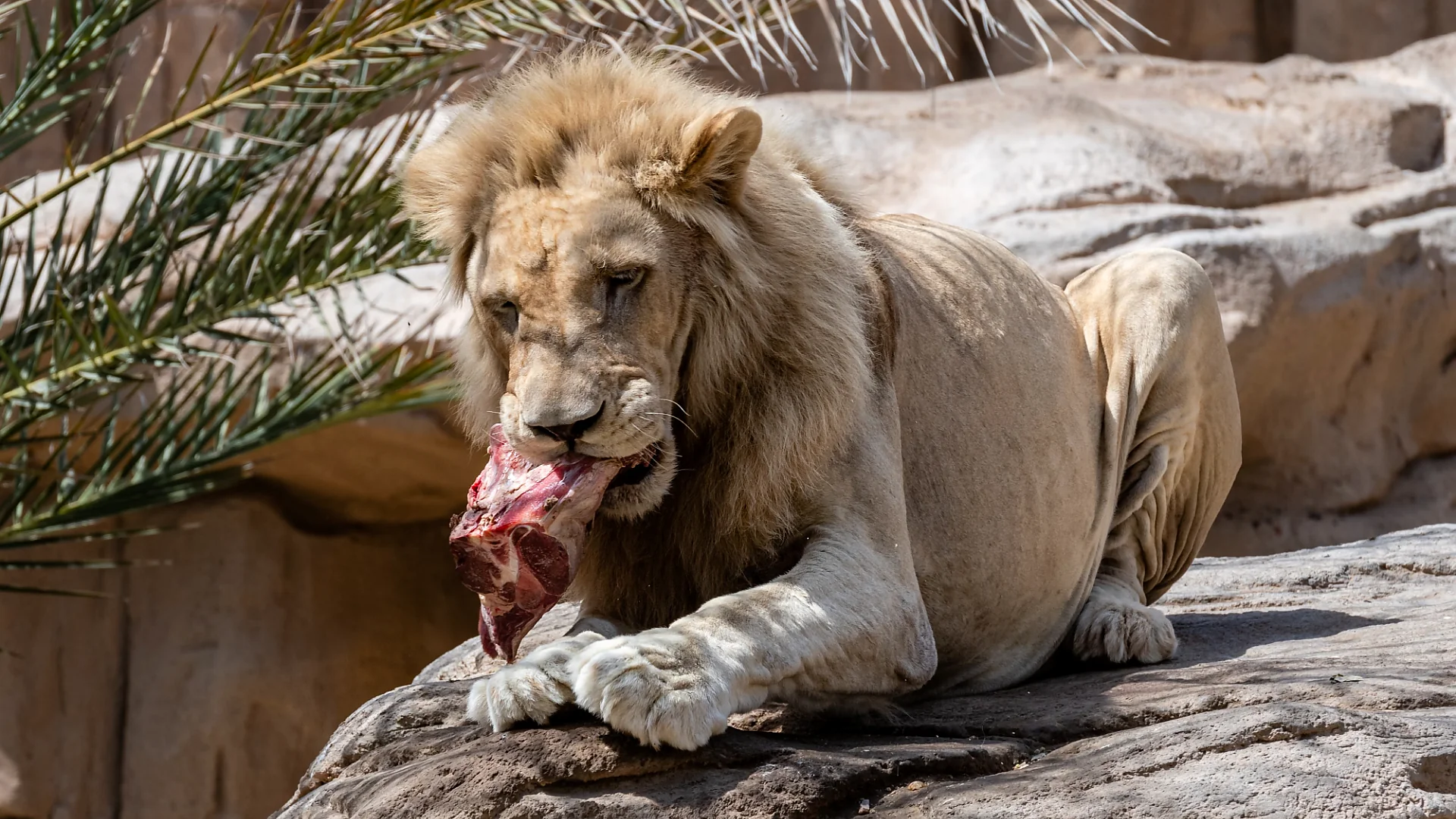
Three nine-year-old male African lions at Monarto Safari Park in South Australia fed for an average of 76.4 minutes a day on days when a whole carcass was in their enclosure, against 25.7 minutes a day during a four-week baseline, according to a 2026 study in Applied Animal Behaviour Science. The males also rested far more after each feast and, contrary to the researchers' prediction, paced more by the second month. The authors caution that behavioural change alone does not show better welfare.
A 200 kg carcass every nine days replaced portioned meat for three males
Researchers from Adelaide University and Monarto monitored seven lions between 10 February and 10 May 2025. Three adult males formed the test group. A control group of four lions (two males aged three, two females aged five) stayed on the park's standard schedule of meat portions five times a week.
During a four-week baseline, the test males ate their usual diet of horse, deer, rabbit, turkey and pig, mostly as cut portions or partial carcasses. For the next eight weeks, keepers gave them about 200 kg of whole kangaroo and goat carcasses every nine days. Each carcass stayed in the off-exhibit enclosure for two to three days, followed by six to seven days without food. Eight infrared cameras recorded clips every five minutes around the clock, and the open-access paper reports that two trained observers agreed on average more than 97% of the time.
The control group differed from the test males at baseline in inactive, active and other behaviour, so the authors skipped group comparisons during the carcass phase. Every result below is a change within the three males.
Carcass days brought longer feeding, more bouts and far more simultaneous feeding
The table sets the reported baseline means beside the carcass-phase means. The ratio column is simple division of those published figures and does not appear in the paper.
| Measure | Baseline | Carcass phase | Ratio |
|---|---|---|---|
| Feeding time per day (min), carcass days | 25.7 | 76.4 | 3.0x |
| Feeding bouts per day | 5.2 | 11.8 | 2.3x |
| Mean lions feeding at once | 0.04 | 0.60 | 15x |
| Scans with two or more lions feeding | 1.2% | 19.0% | about 16x |
| Lying down, share of scans | 15.8% | 34.9% (month 1), 32.8% (month 2) | 2.1x to 2.2x |
| Pacing, share of scans | 1.79% | 3.83% (month 2) | 2.1x |
Individual feeding bouts averaged 7.4 minutes, and the gap between a day's first and last feeding scan stretched to as long as 3 hours 35 minutes. Standard deviations were large (35.2 minutes on carcass days, 30.3 at baseline) and the carcass figure rests on seven days, so the ratios are rough. The authors report anecdotally that each male usually took a carcass and fed alone, which suggests the jump in simultaneous feeding came from three lions eating at once from separate carcasses. They recorded no increase in aggression or social instability around carcasses.
Lying down peaked right after the feast and fell by two thirds across the fast
The chart shows the share of five-minute scans scored as lying down, by position in the nine-day cycle.
Lying down averaged 52.5% of scans on days 1–3, 30.4% on days 4–6 and 17.0% on days 7–9, a drop of about 68% from the first window to the last. Baseline lying was 15.8%, so by the late fast the males were back near their pre-carcass level. Locomotion moved the other way: 1.53% of scans on days 1–3, 3.08% on days 4–6 and 2.39% on days 7–9.
An earlier study of four captive prides by Höttges and colleagues found a similar rhythm. Lions on both high-frequency and low-frequency feeding were more inactive on feeding days than fasting days, and prides on low-frequency whole-carcass feeding grew steadily more active across consecutive fasting days. That work also recorded more agonistic behaviour on feeding days, which contrasts with the no-increase observation here, although the new study scored one group of three males rather than whole prides.
Pacing rose across the carcass phase and peaked when keepers arrived
The researchers predicted pacing would fall once carcasses arrived. It rose: 1.79% of scans at baseline, 2.76% in month one and 3.83% in month two. Only the baseline-to-month-two gap was statistically significant (p = 0.0097).
Pacing did not differ significantly across the nine-day cycle (2.26%, 3.78% and 3.81% for the three windows), so it did not build steadily as hunger grew. Hourly plots showed peaks around 09:00–10:00 and 15:00–16:00, which matched keeper arrival and enclosure shifting. The authors read this as anticipation of predictable management events, and the university's release frames it the same way.
Two caveats apply. The ethogram could not separate pacing from goal-directed patrolling. The males were also held off exhibit during carcass access and excluded from public feeding encounters, a management change the authors say may have contributed to shifts in pacing and visibility.
Nine days between feasts is longer than the wild interval, and three males cannot stand in for a pride
The paper cites field work showing wild lions typically feed every 1.5 to 2.5 days, with fasts observed up to eight days. A nine-day cycle starts a new feast 3.6 to 6 times less often than that typical interval, while its six to seven fasting days sit just inside the longest fast cited. The schedule therefore reproduces the shape of feast and fast at the long end of the wild range, and the study did not test whether a shorter cycle would produce the same behaviour.
The authors state that behavioural change alone cannot be taken as improved welfare, and they measured neither food intake nor physiology. Their conclusions rest on three adult males at one facility, scored as a group because individuals could not be told apart on camera, with no control-group data during the carcass phase. They call for physiological markers and replication in mixed-sex groups and enclosures of different design before carcass cycles are judged on welfare grounds.
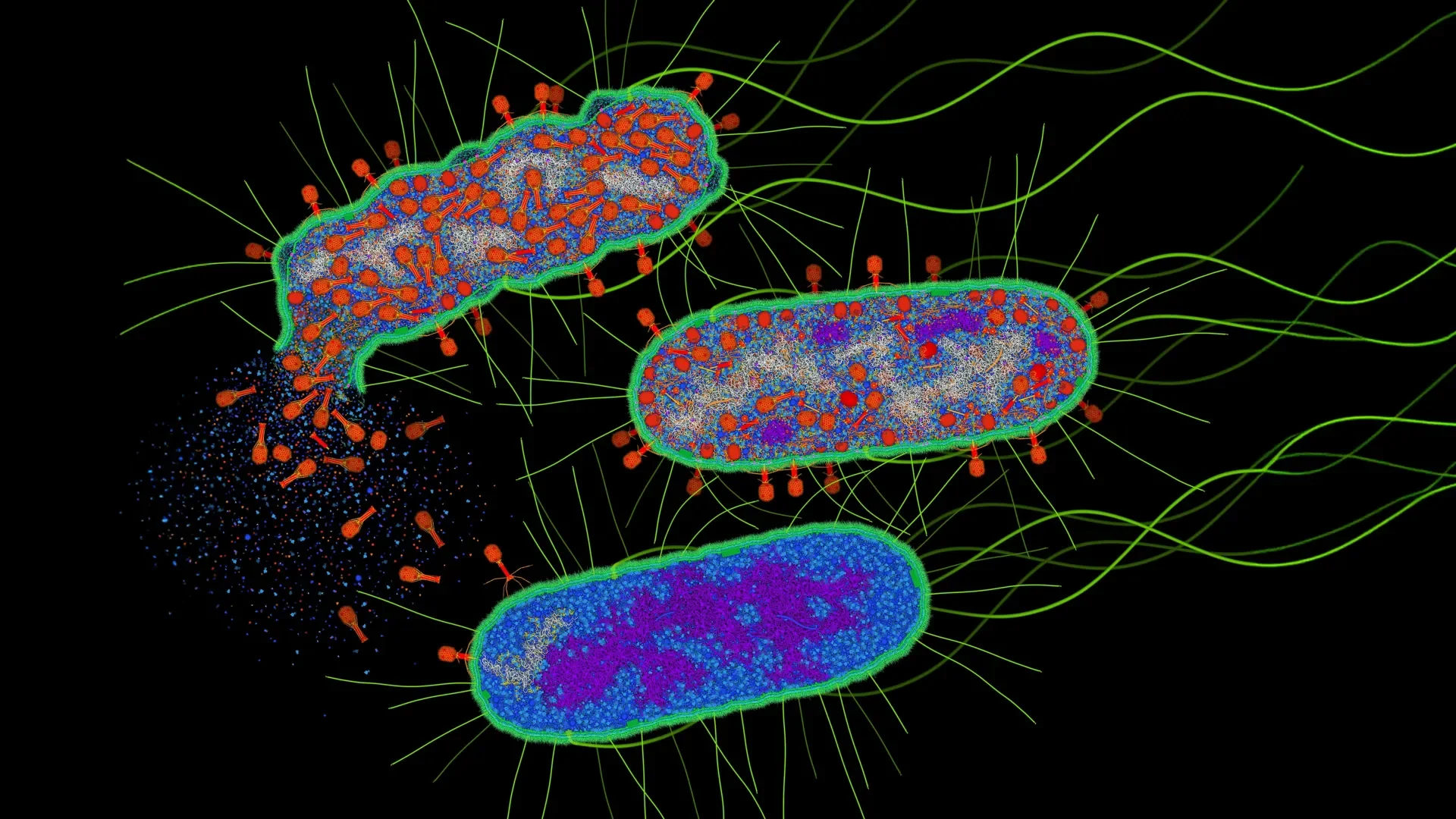
A 30-Amino-Acid Loop Lets Bacteria Detect Phage Proteases and Trigger CBASS Defense
Phage proteases activate CBASS by cutting a ~30-residue loop in bacterial CD-NTase enzymes; a Science study maps the loop across about 24% of operons.
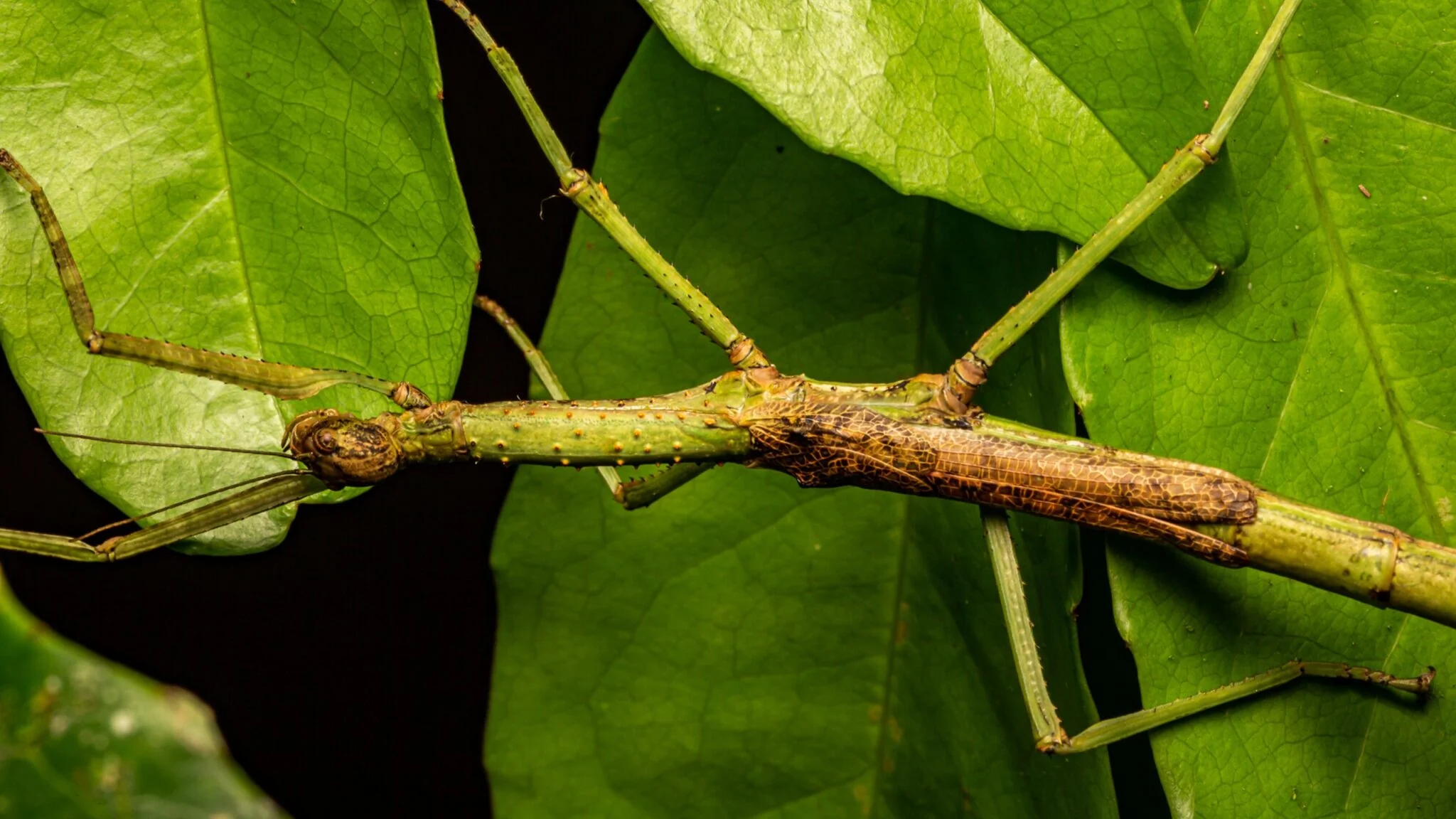
DNA Review Splits Australia's Anchiale Stick Insects From Two Species Into Five
Anchiale stick insects in Australia are five species, not two: a 2026 DNA and museum review adds A. robusta and A. mabiensis, the latter with ringed egg lids.
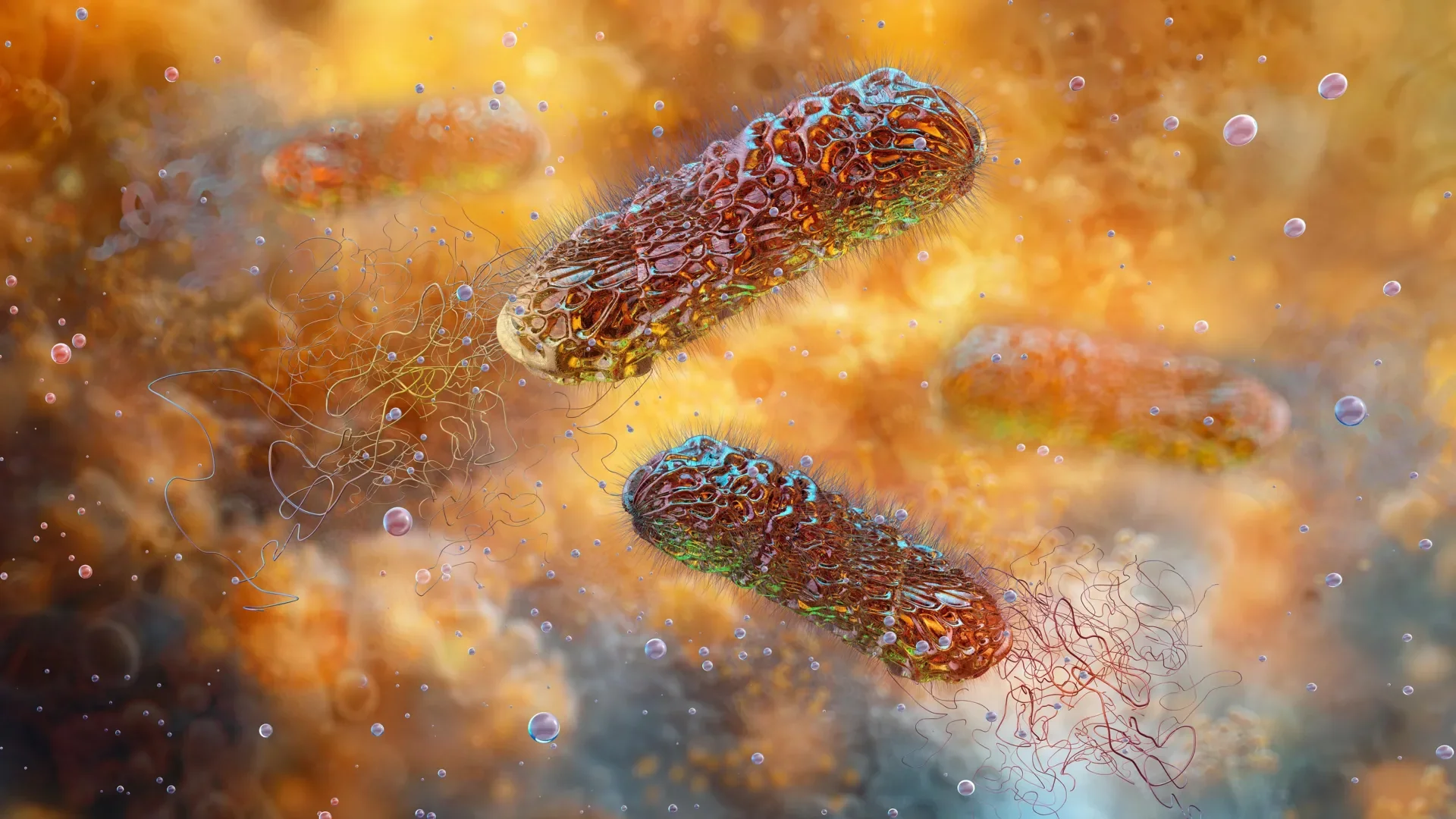
One Arginine Lifted Ancient Lactoferricin, and the Human Peptide Trails Older Versions Against Staph
Resurrected lactoferrin ancestors show a 100,000-fold S. aureus viability drop, beating the modern human peptide's 100-fold effect, PLOS Biology reports.

14 Tail Vertebrae Put Diplodocus in Spain. Experts Split on Certainty
Diplodocus in Spain: 14 tail vertebrae from Teruel are the first formal European record. Three of five experts back the ID; two call the tail too thin.
Comments (0)
Please sign in to join the discussion.
No comments yet.
Be the first to share your perspective on this topic.