Microscopic silica remains preserved inside Cloggs Cave in southeastern Australia show that GunaiKurnai Old Ancestors carried whole grass plants into the cave and burned them in thin ash layers for at least 25,000 years, according to a phytolith study published in Frontiers in Environmental Archaeology on July 22, 2026.
What Phytoliths Reveal That Pollen And Stone Tools Cannot
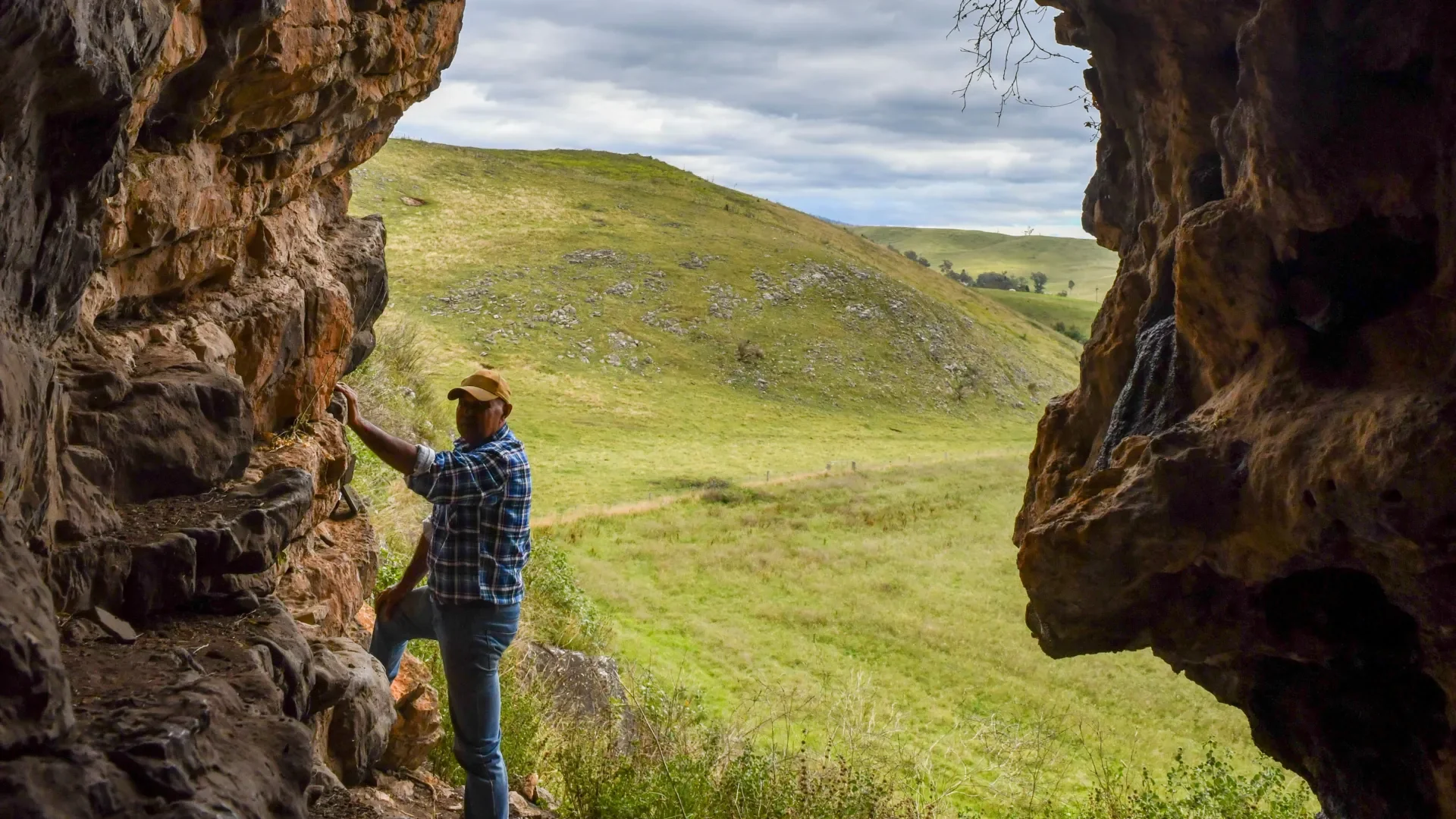
Cloggs Cave sits in the Buchan karst of the southern Australian Alps, its narrow entrance passage opening onto GunaiKurnai Country in Gippsland, Victoria. Excavations led by the GunaiKurnai Land and Waters Aboriginal Corporation between 2019 and 2020, alongside earlier digs by Josephine Flood in the 1970s, had already turned up ash layers, a buried standing stone, and small ritual fireplaces built around trimmed and fat-smeared Casuarina sticks. Pollen analysis and soil micromorphology from the same deposits pointed to people repeatedly bringing plant material into the cave. The phytolith study published in Frontiers in Environmental Archaeology set out to close two gaps those earlier methods left open.
Pollen breaks down at temperatures above 350°C, so it cannot survive inside a burnt ash layer, and it cannot distinguish one grass species from another. Phytoliths, the silica casts that form inside plant cells as they grow, do both jobs. They preserve their shape through burning, they carry a coarse taxonomic signal even for grasses, and because they rarely travel far from where a plant died, their presence deep in the cave's dark interior chamber, where nothing grows, points to something carrying the plants in rather than the plants growing on the spot.
The research team, led by Elle Grono of the Australian National University with GunaiKurnai co-authors and researchers from Monash University, the University of Waikato, and Université Savoie Mont Blanc, counted phytoliths from 33 sediment samples across two excavation squares, P35 and R31, spanning a dated sequence running from roughly 25,800 years ago to the last two centuries.
A Concentration Peak Three Thousand Years Before The Heaviest Burning
The R31 square, the deeper and longer of the two sequences, shows phytolith concentrations rising and falling by more than an order of magnitude across the dated sequence. Levels near the top, in layers younger than about 3,400 years, stay under a million phytoliths per gram. Moving down through the deposit, concentrations climb through one to eight million per gram before peaking at 13.1 million phytoliths per gram in excavation unit XU21, an interval modelled to between roughly 15,960 and 14,240 years ago. Concentrations decline below that peak, though they stay well above the levels seen in the youngest layers.
That peak in total phytolith volume is a different signal from the peak in burning. The proportion of phytoliths showing scorch marks or melting, the clearest sign of human rather than animal deposition, reaches its highest point not at XU21 but higher in the sequence, at 18.3% of all phytoliths in unit XU11B, dated to roughly 12,950 to 11,420 years ago. The heaviest raw accumulation of grass material and the most intensely burnt layer sit around three thousand years apart in the same square, a gap the paper's own concentration counts and burnt-phytolith percentages support without stating it as a direct comparison.
Grasses Selected Over The Forest And Woodland Nearby
The vegetation historically surrounding Cloggs Cave was diverse: tall eucalypts, wattles, tree ferns, and sedges filled the riparian forest along the Buchan River, while open grassy woodland covered the surrounding slopes. Almost none of that diversity shows up in the cave's phytolith record. Grass silica short cell phytoliths, produced only in the grass family, make up between 22.6% and 54.2% of identified morphotypes in any single sediment sample, with grasses accounting for the large majority of the wider assemblage once related grass-associated forms are counted. Phytoliths typical of woody plants, elongate fibres, tracheids, sclereids, appear only in small amounts throughout, and the calcium-oxalate residues that mark burnt wood ash are absent from 14 of the 18 sediment samples tested for them.
The morphotypes present come from every part of the grass plant: leaf and stem epidermis, the motor cells that fold grass leaves, and the more delicate cells produced only in flowering heads. Finding inflorescence phytoliths alongside leaf and stem phytoliths in the same burnt layers indicates that people gathered whole grass plants rather than selectively stripping leaves or seed heads before carrying them in.
Within the grass signal, three subfamilies recur through the deposit. Pooideae, cool-climate grasses using the C3 photosynthetic pathway, contribute between 32.0% and 58.8% of the short-cell count in any sample. Panicoideae, warm-climate C4 grasses, contribute a broadly similar 33.3% to 62.4%. Chloridoideae, arid-adapted C4 grasses, stay a minor presence throughout, never exceeding 9.2%. The journal's own summary of the findings describes this mix as staying broadly stable even as the climate around the cave shifted away from the cold, dry conditions of the Last Glacial Maximum.
What The Possum Scats Still Leave Unresolved
Common brushtail possums also used Cloggs Cave, and their preserved scats turn up throughout the same deposits, sometimes carrying phytolith concentrations higher than the surrounding sediment. Because possums eat grasses, herbs, and eucalypt leaves, a phytolith found outside a scorched ash layer could have entered the cave through an animal's digestive tract rather than a person's hands. The study states plainly that, apart from burning, it could not reliably tell those two pathways apart in the non-ashy layers.
Burning is therefore doing most of the analytical work here. No burnt or melted phytoliths turned up in any possum scat the team examined, while every dated interval of the human occupation sequence contains at least some scorched grass silica. That contrast is what lets the researchers attribute the ashy layers specifically to people. ABC News' interview with the study's lead author has Grono describing the ancestors as having selected whole grasses from the surrounding landscape specifically to spread and burn inside the cave, a practice GunaiKurnai Elders connect to nineteenth-century ethnographic accounts of mulla-mullung, ritual specialists who used ash and fire in healing, protection, and cursing.
What the phytolith record cannot yet do is name which specific rituals produced which specific layer, or say whether the gap between XU21's raw volume and XU11B's burning intensity reflects a change in ceremonial practice, a change in grass availability on the surrounding slopes, or simply uneven preservation across 25,000 years of an actively used cave floor.
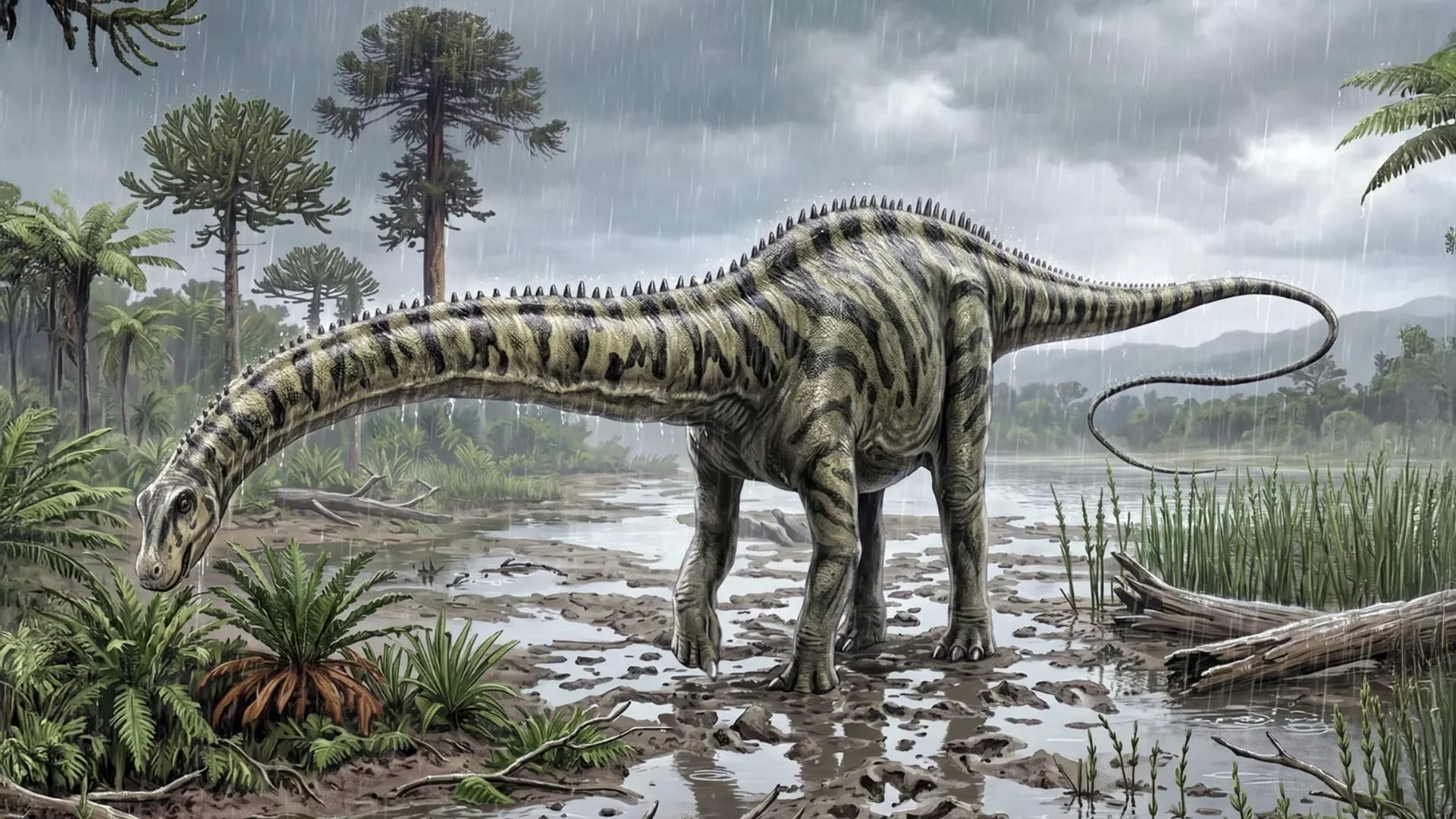
14 Tail Vertebrae Put Diplodocus in Spain. Experts Split on Certainty
Diplodocus in Spain: 14 tail vertebrae from Teruel are the first formal European record. Three of five experts back the ID; two call the tail too thin.
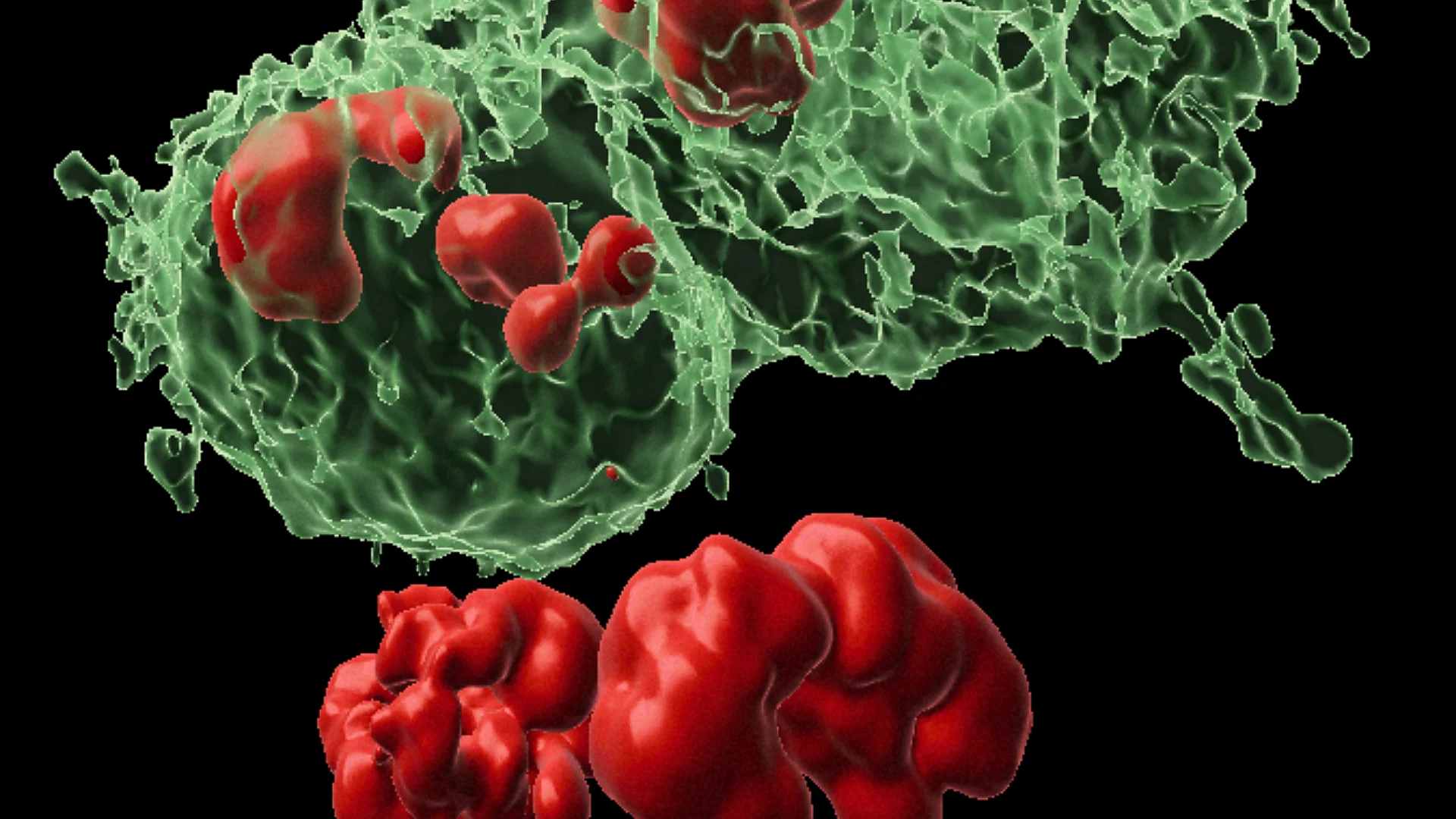
Cell-Death Enzyme Dronc Drives Regrowth of Irradiated Fly Wing Tissue, Study Finds
Dronc-activating DARE cells grew from about 10% to nearly 50% of irradiated fruit fly wing disc area within 48 hours, a Weizmann Institute-led study reports.
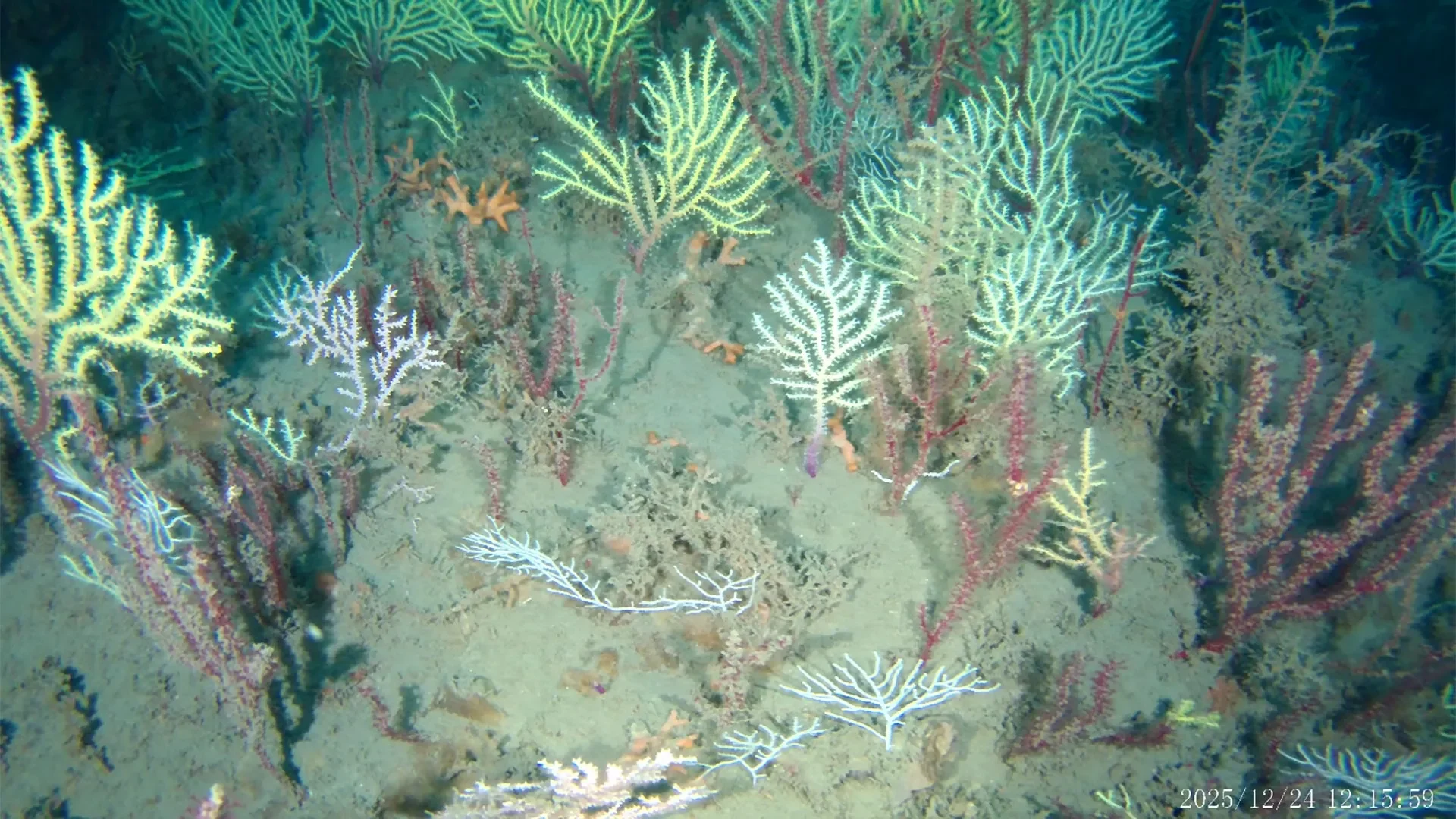
Benin's Coral Reef, Presumed Dead in 1966, Is Alive at 54 Meters
Sonar and a tethered drone found living octocoral gardens 54 meters deep off Benin, West Africa, reversing a 1966 verdict that had declared the reef dead.
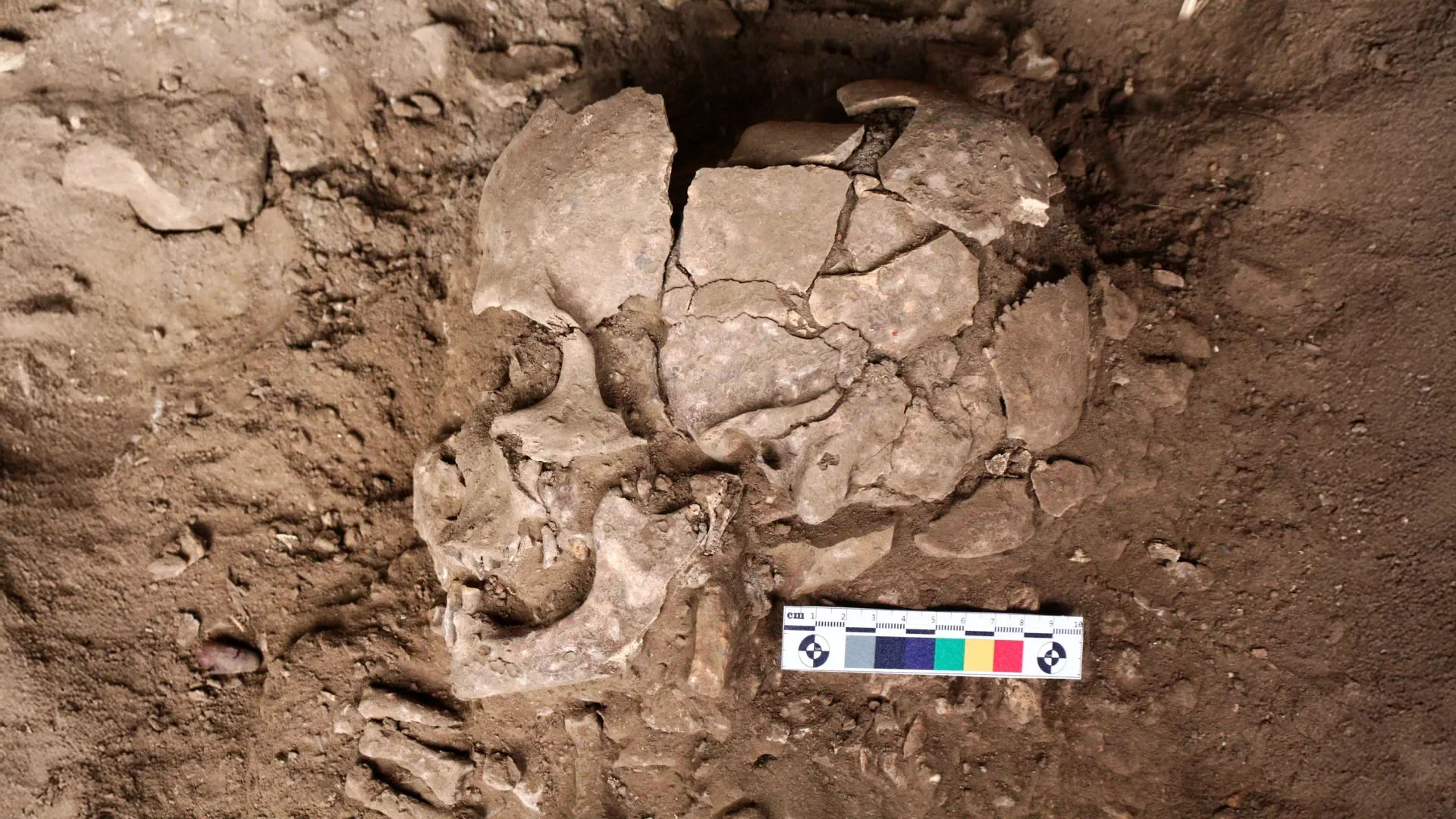
25,000-Year-Old Teeth From Indonesia Reveal the Oldest Known Drug Habit
Grooved teeth from Sulawesi show foragers sucked betel nuts as early as 25,000 years ago, releasing arecoline in the mouth long before farming began.
Comments (0)
Please sign in to join the discussion.
No comments yet.
Be the first to share your perspective on this topic.