
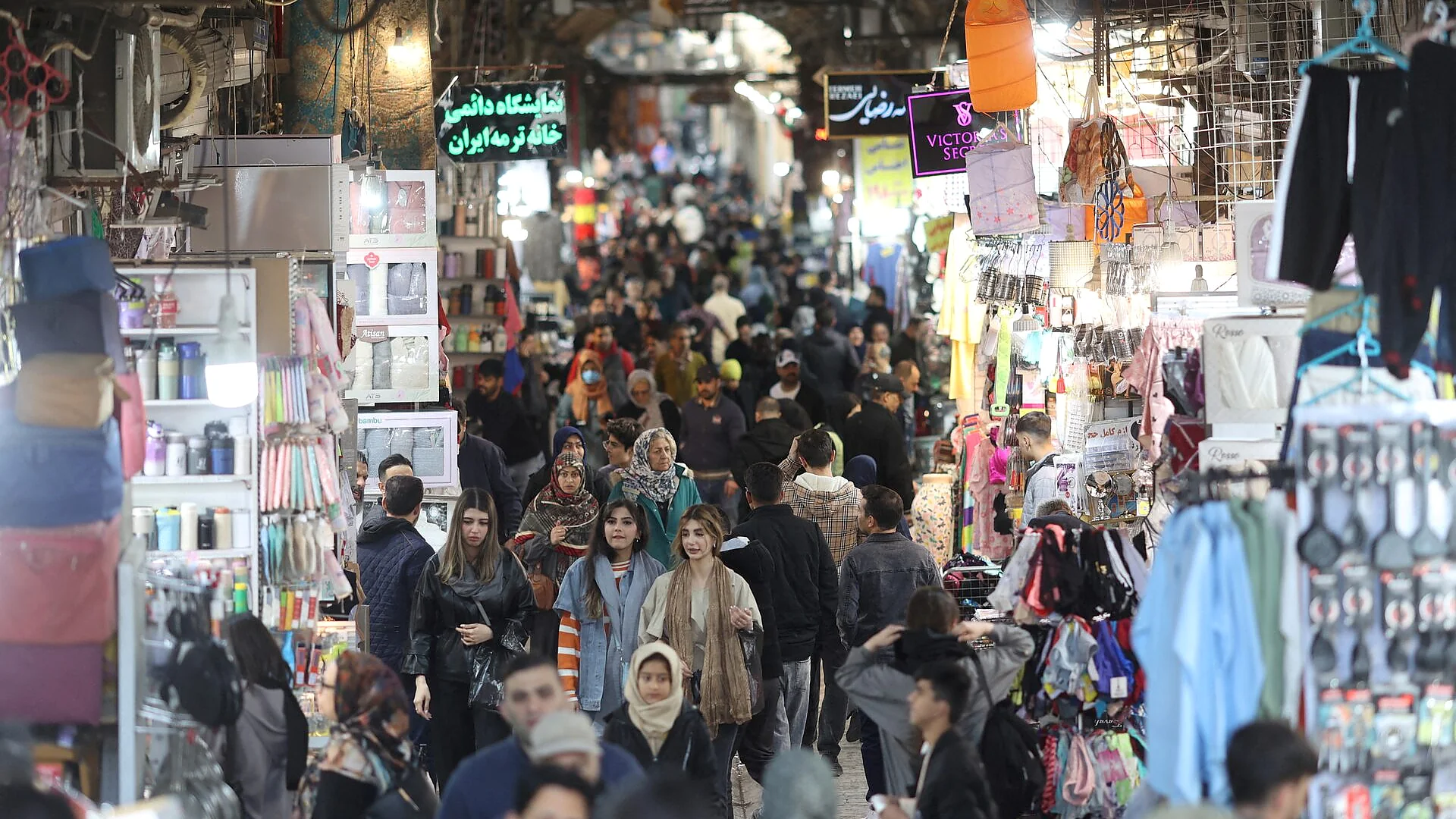
Iran's rial traded at roughly 2.02 million to the dollar on the street market Monday, a record low, hours before Treasury Secretary Scott Bessent unveiled a fresh sanctions package he called an "economic onslaught" against Tehran's remaining financial and trade links.
Bessent's Sanctions Push Aims at Shipping, Gold, and a Yet-Unnamed Bank
Bessent's Aug. 24 announcement targets international entities that help move Iranian trade in shipping, oil, crypto, gold, and aviation, according to NBC News. He said President Trump is personally calling world leaders with "specific requests" to stop trading with Tehran, and warned that any bank helping Iran launder money would need every branch "shuttered and dark" or lose access to the dollar. The Treasury has previously alleged that such banks support Iran's nuclear and ballistic missile programs, though the institution in question was not named in Monday's remarks.
Bessent also said a further sanctions announcement targeting an unspecified financial institution should come by the end of the week, and declined to say whether Chinese banks would be directly targeted. Israeli Prime Minister Benjamin Netanyahu praised the move, saying it would "exact a steep price from that cruel dictatorship." Iran's chief negotiator, Mohammad Bagher Ghalibaf, responded that the United States is not in an economic position to sustain the pressure, per CNN's live coverage. The exchange follows Iran's denial of a separate talks claim earlier this month, part of a pattern in which each side has downplayed the other's leverage even as pressure escalates on both.
Iran's Rial Trades Near 2.02 Million to the Dollar as Grocery Costs Climb
The gap between Iran's two exchange rates is itself a signal of strain. The official Central Bank rate stood near 1.5 million rial to the dollar Monday, but the street rate that most Iranians actually pay had climbed to about 2.02 million, according to PBS NewsHour. Inflation estimates diverge depending on the source: the IMF projects an average annual rate of 68.9% for 2026, while Iran's own Statistical Center put the figure at almost 90%, as reported by NPR. Since the war began in February, rice prices are up roughly 60% and beef prices have more than doubled, per PBS.
The strain is visible on the street, not just in the data. Tehran's Grand Bazaar saw a heavy police presence Monday, and long lines were reported at some gas stations, with authorities reportedly on alert for renewed protests following unrest earlier this year.
China's Teapot Refiners Are Absorbing a Shrinking, Pricier Barrel
Iran's oil trade is the other half of Bessent's target list, and Kpler's ship-tracking data shows it was already narrowing before Monday's announcement. China's imports of Iranian crude fell to 785,000 barrels per day in June, the lowest since February 2023, then edged up to about 823,000 bpd in July before dropping again to 534,000 bpd so far in August, according to Reuters reporting via Yahoo Finance. That compares with a 2025 average of 1.4 million bpd. China buys more than 80% of Iran's shipped oil overall, per Kpler, much of it destined for Shandong's independent "teapot" refineries.
The squeeze has started to show up in price. Iranian crude, which normally trades at a discount to compensate buyers for sanctions risk, was offered to some Chinese buyers this week at a roughly $2-per-barrel premium to Brent, an abrupt shift from a $3 discount a month earlier, trade sources told Reuters. China's Foreign Ministry has called sanctions "not the solution," but its refiners have kept buying, and the broader dynamics around Hormuz and enrichment suggest neither side sees an easy off-ramp.
Hormuz Departures Have Collapsed Faster Than China's Import Data Shows
The two data sets point in the same direction but at different speeds, and reading them together shows more than either does alone. Iranian oil shipments through the Strait of Hormuz fell to just 46,800 bpd in the week of Aug. 10, down from a post-memorandum peak of 1.545 million bpd in the week of June 29, a decline of roughly 97%, according to Kpler data cited by The Private Banker. No supertanker carrying Iranian crude has visibly crossed Hormuz since mid-July.
That collapse in departures is sharper than the roughly 62% year-on-year drop in China's landed imports through August, and floating storage outside the blockade zone helps explain the lag: it has fallen to about 80 million barrels from 105 million barrels since the blockade was reinstated on July 13, meaning China's refiners have mostly been drawing down oil that left Iranian ports weeks earlier, not oil shipped this month. If departures stay near zero, the milder August import figures are likely to look like a lagging indicator rather than a floor.
Neither number resolves the open questions in Bessent's own announcement. He did not name the bank ordered to go "shuttered and dark," did not say which institution the promised end-of-week sanctions will target, and would not confirm whether Chinese banks are in scope. Until those specifics land, Monday's figures describe a currency and an oil trade already under heavy strain, not yet the full effect of the sanctions just announced.
The Middle-Income Trap Has Two Growth Engines, and the Handoff Between Them Isn't Automatic
The middle-income trap isn't one problem: it's the handoff between labor-intensive growth and a knowledge economy, and automation is making it harder.
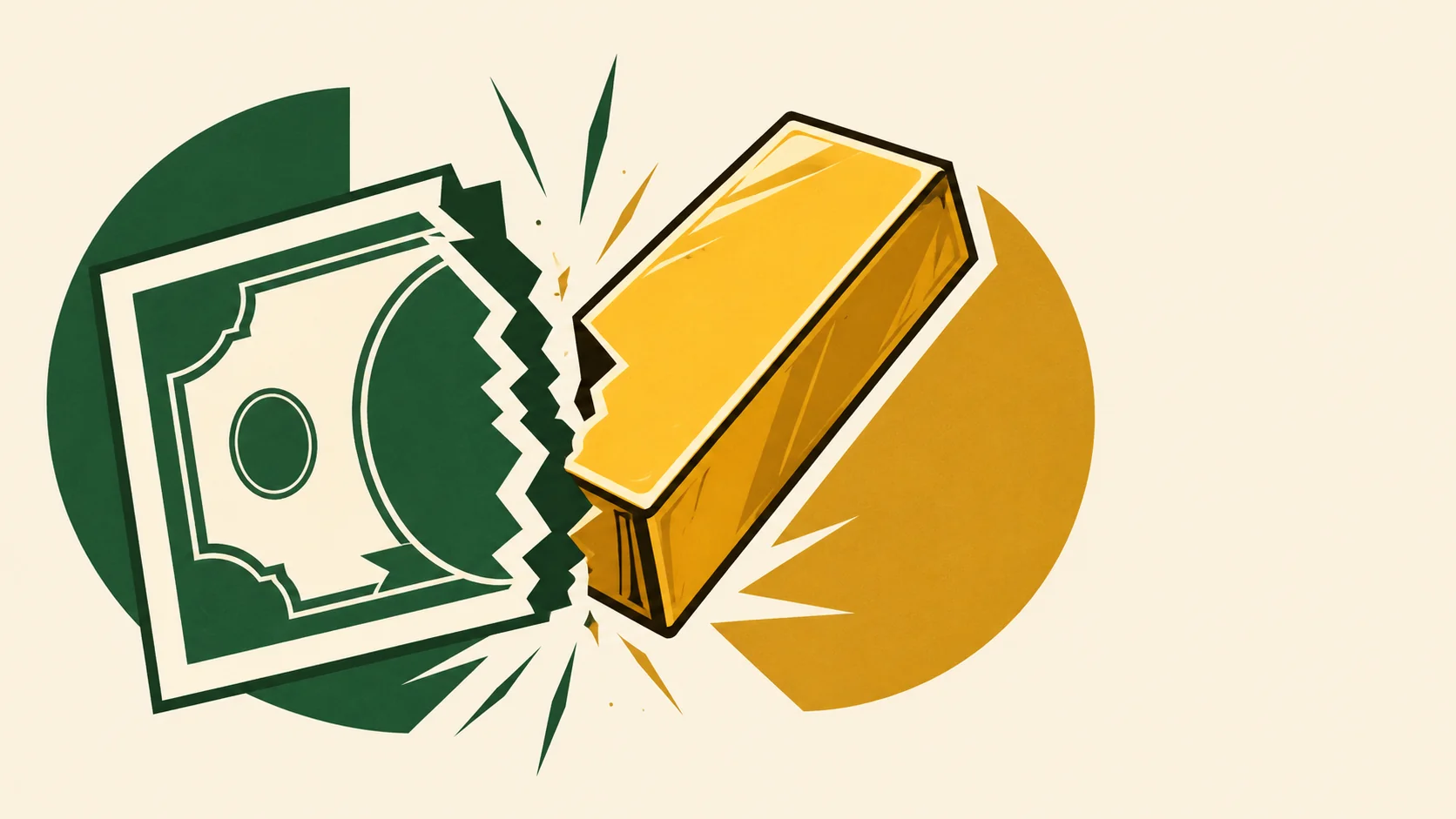
How the Dollar Left Gold Behind in 1971
In August 1971, Nixon ended the dollar's gold convertibility, closing Bretton Woods and starting the fiat-money era that still shapes inflation debates today.
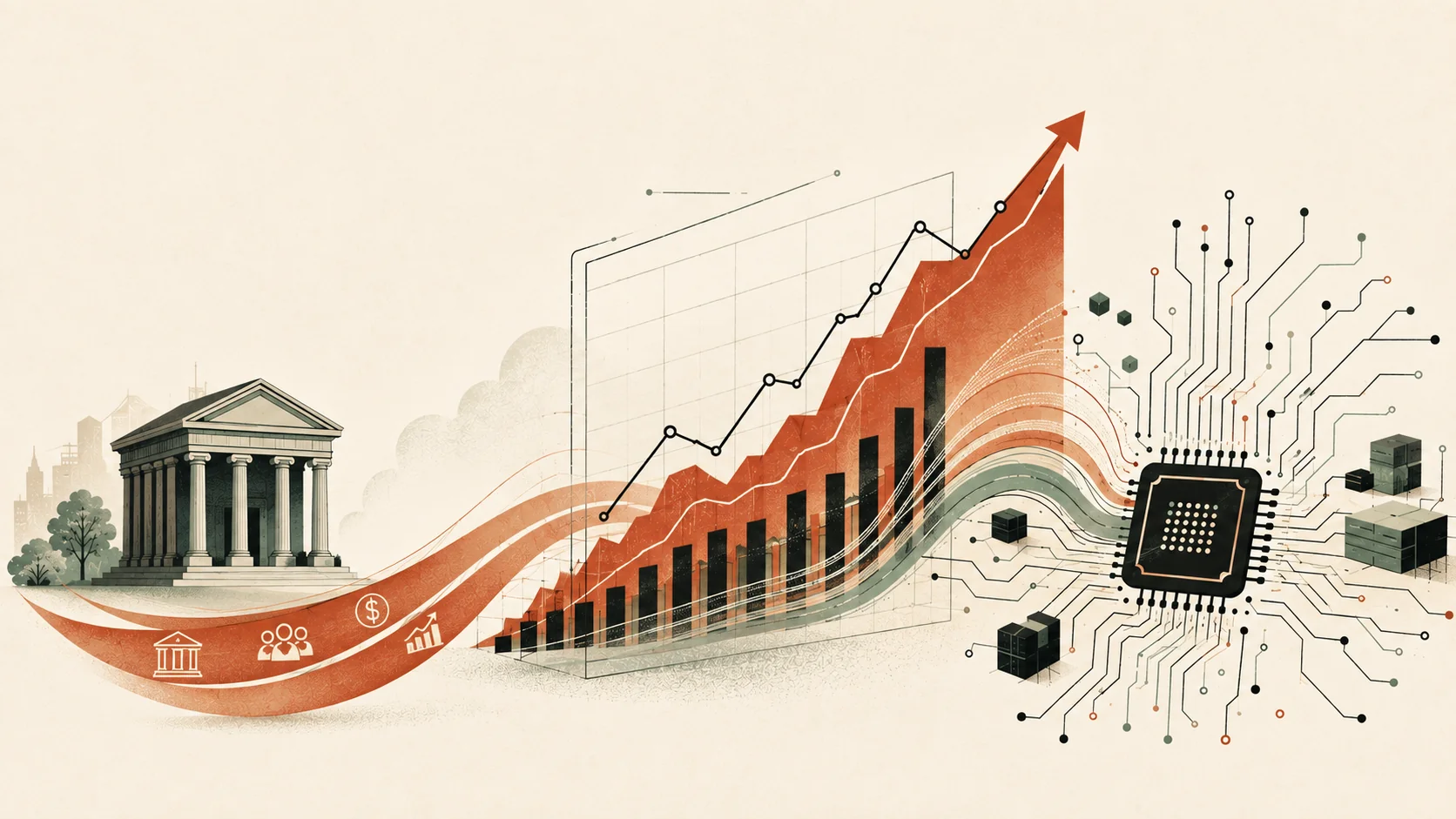
China Taps Its $28 Trillion Capital Markets to Fund an AI Race With the US
CXMT's 500%-plus Shanghai debut made it China's top listed firm, capping Beijing's shift from subsidies to stock and bond markets to fund its AI buildout.
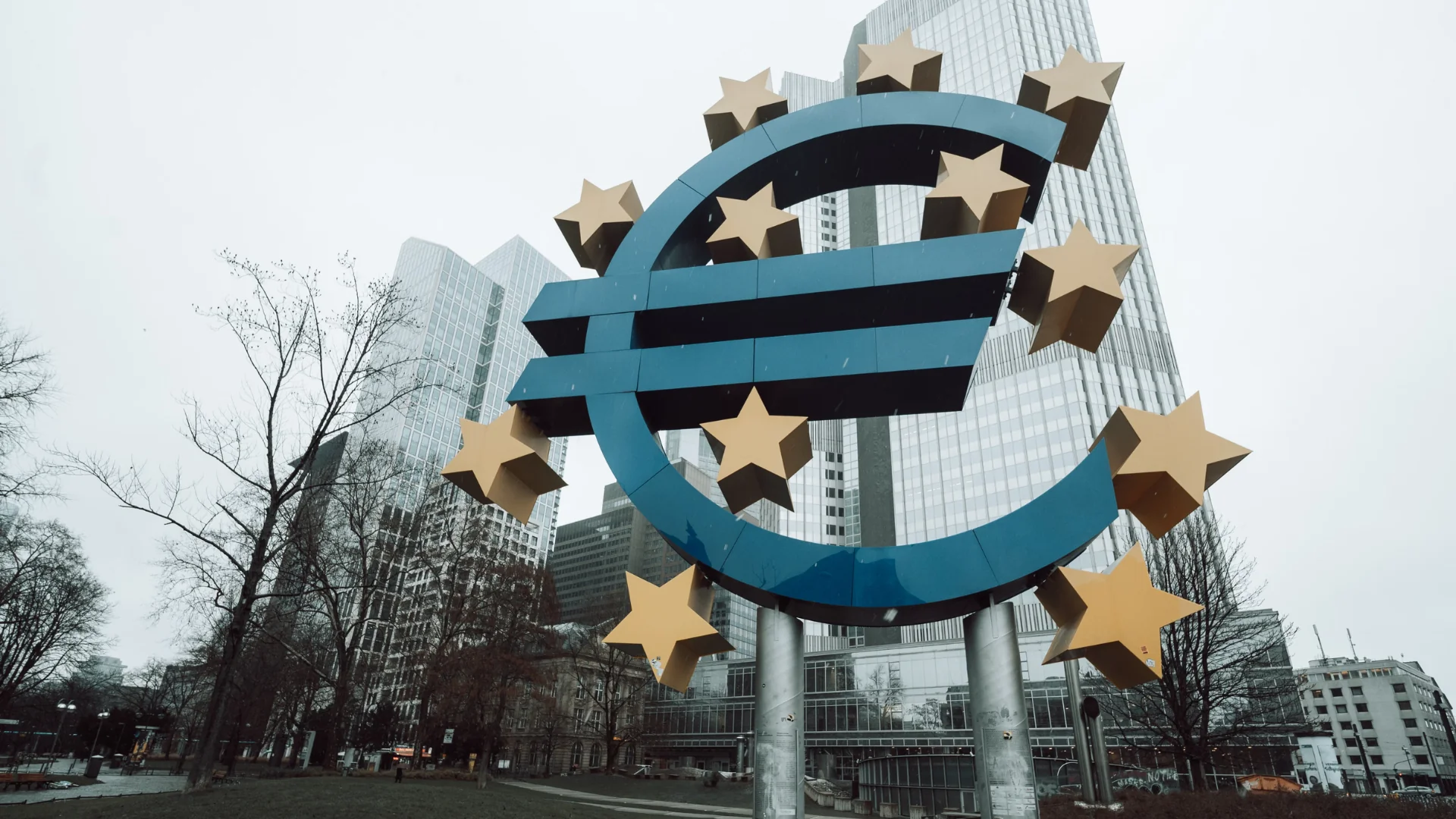
Europe's Debt Pile Is Nearing €1 Trillion. It's Still Not a Safe Asset
EU bonds are AAA-rated and near €1 trillion, but a 50-basis-point spread over German Bunds explains why a true European safe asset still doesn't exist.
Comments (0)
Please sign in to join the discussion.
No comments yet.
Be the first to share your perspective on this topic.