
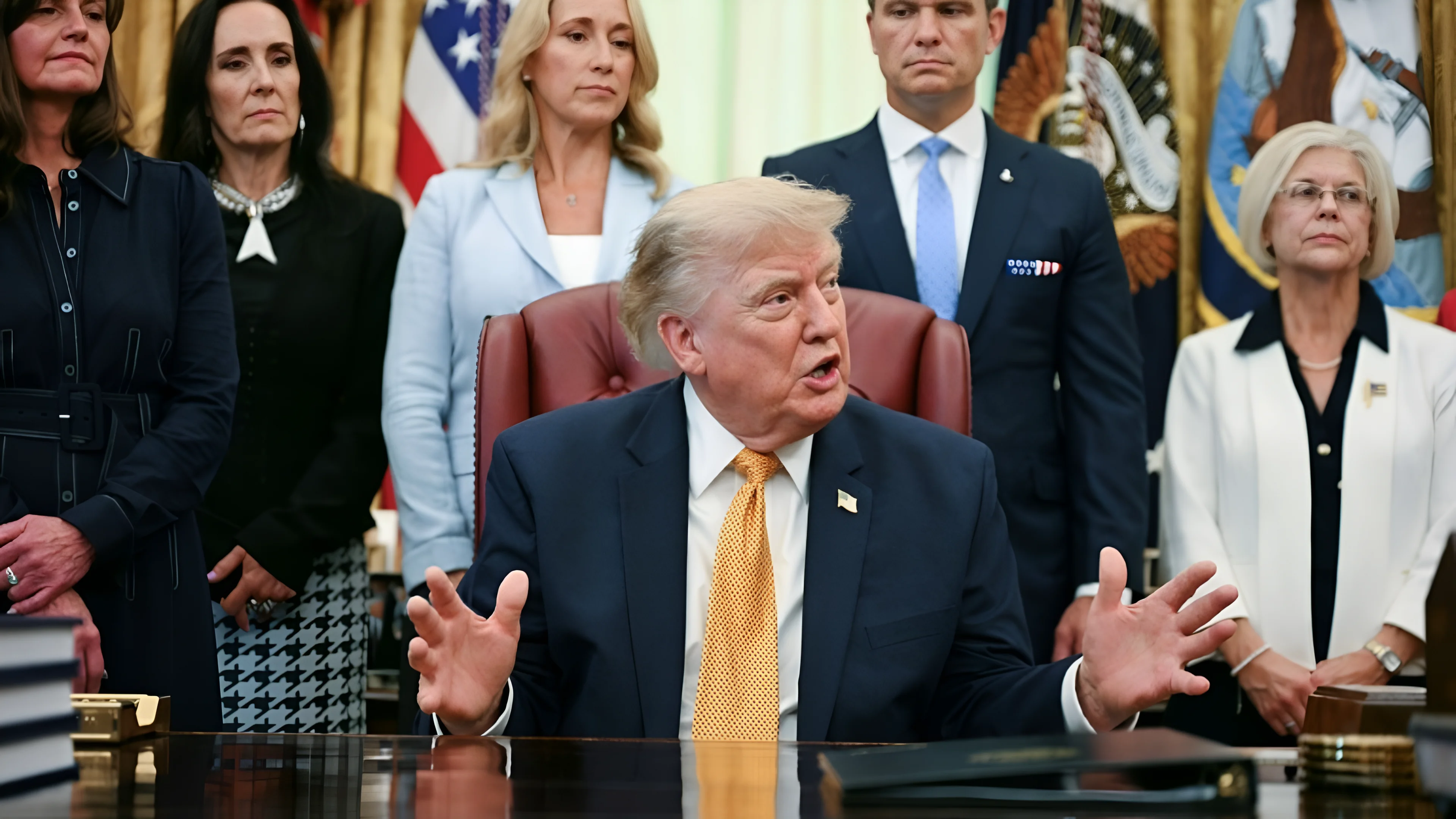
President Trump says fresh talks with Iran are already under way and calls them Tehran's "last chance" to reach a deal. Iran's Foreign Ministry says no such talks exist, and a senior adviser to Iran's supreme leader is warning that any US warship altering its approved route through the Strait of Hormuz will be targeted.
Trump Says Talks Are Underway. Iran Says It Is Only Talking to Oman.
Trump told reporters aboard Air Force One on Sunday that a deal on the Strait of Hormuz was close, adding that a related agreement on Iran's nuclear program would follow, after he called off what would have been one of the harshest bombing campaigns yet against Iranian energy infrastructure. By Monday, after Iran's Foreign Ministry publicly denied that any US-Iran negotiations had resumed, Trump reversed his tone, writing on Truth Social that Iran's leadership was "unbelievably duplicitous."
Iranian officials did not dispute that contacts were happening — just who they were with. Foreign Ministry spokesperson Esmail Baghaei told reporters Iran currently has no negotiations with the United States and is instead working with Oman on a temporary route through the strait. Baghaei added that Washington had "violated all of its commitments" when the ceasefire agreed to in June broke down. Trump, for his part, insisted "we are talking right now" and called the fresh contacts Tehran's "last chance" to sign a deal, a claim detailed in earlier coverage of the disputed Hormuz and nuclear terms.
The result is a public standoff over a basic fact: whether direct US-Iran negotiations exist at all, or whether Trump is describing talks with Oman, Saudi Arabia, and other regional intermediaries as something closer to direct diplomacy than Tehran is willing to acknowledge.
Iran Warns It Will Target US Warships That Alter Hormuz Shipping Routes
Separately from the talks dispute, Mohsen Rezaei, a senior adviser to Iran's supreme leader, said Monday that Tehran would not allow a "second corridor" through the Strait of Hormuz to open, telling state media that Iranian forces "will target" any US warships deployed to enforce one. Rezaei also warned of "serious dangers" to US ships and bases if Washington continues what he described as a naval blockade of Iran.
Iran's Foreign Ministry has said the strait — through which roughly a fifth of the world's traded oil and gas moved before the war began — will stay closed until US actions it considers violations end. Adding to the tension, a British maritime agency reported Tuesday that a cargo vessel in the strait, off the coast of Oman, was struck by an unidentified projectile. The vessel has not been named, no injuries or damage have been confirmed, and the agency says an investigation is under way.
Oil Markets Priced In a Deal Before One Was Confirmed
Crude prices moved well before either side confirmed what, if anything, had actually been agreed. Brent crude closed the prior week near $87.93 a barrel and fell to an intraday low of $81.93 on Monday, a drop of roughly 6.8%, according to Investing.com data cited in market reporting — even as Iran was actively denying that direct talks with Washington existed. Other data providers logged the same session slightly differently, with one pegging Brent's Monday decline closer to 6.3% and another closer to 5%, a normal degree of variation across intraday price feeds rather than a discrepancy in the underlying story.
The move underscores that traders were reacting to the possibility of de-escalation — Trump's stated optimism, the paused strike, the prospect of a reopened strait — rather than to any confirmed, signed outcome. That gap between market-moving rhetoric and diplomatic fact is the same gap now playing out in the dispute over whether talks exist at all, and it follows an earlier point in the standoff when Trump said he was close to ordering a larger strike before pulling back again.
Two Tracks, One Ultimatum
Trump has described the current negotiations as covering two separate problems at once: reopening the Strait of Hormuz to normal shipping, and what he calls "the denuclearization of Iran." He put it simply aboard Air Force One: "there's a deal on Hormuz, and then there will be a deal on the nuclear." Those are not the same negotiation. A shipping-corridor arrangement is a logistical and security question that can, in principle, be verified by monitoring vessel movements. Limiting or ending Iran's nuclear program is a far harder, more technical, and more contested question that past negotiations have taken years, not days, to work through.
Folding both into a single "last chance" ultimatum raises a specific risk: if talks stall on the harder nuclear track, it could drag down progress on the narrower shipping dispute too, even though the two have little practical reason to be resolved together. As of publication, neither side has produced a signed document, and Iran's own public position is that it is negotiating with Oman about shipping — not with Washington about anything at all.

Could AI Create a "Permanent Underclass"? What the Data Actually Shows
Stanford payroll data show AI-exposed 22-25 year-olds losing jobs at 3.8% a year, while wages diverge by income. What that means for a 'permanent underclass.'

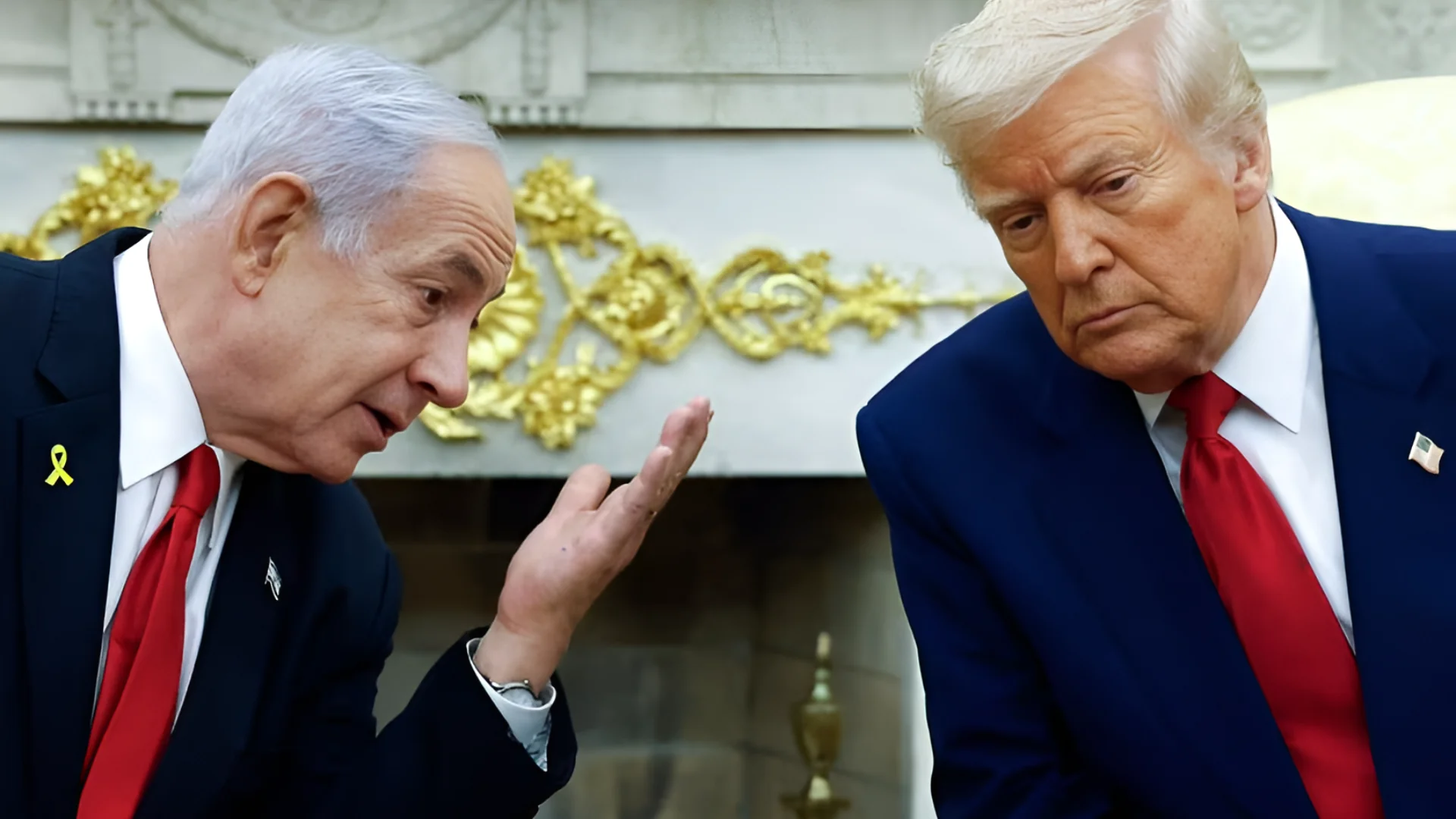
Netanyahu Rejects Trump-Backed Gaza Plan, Citing Disarmament Sequence
Israel's PM rejected the U.S.-backed 15-point Gaza plan Sunday, demanding Hamas disarm fully before any IDF withdrawal, deepening a sequencing standoff.

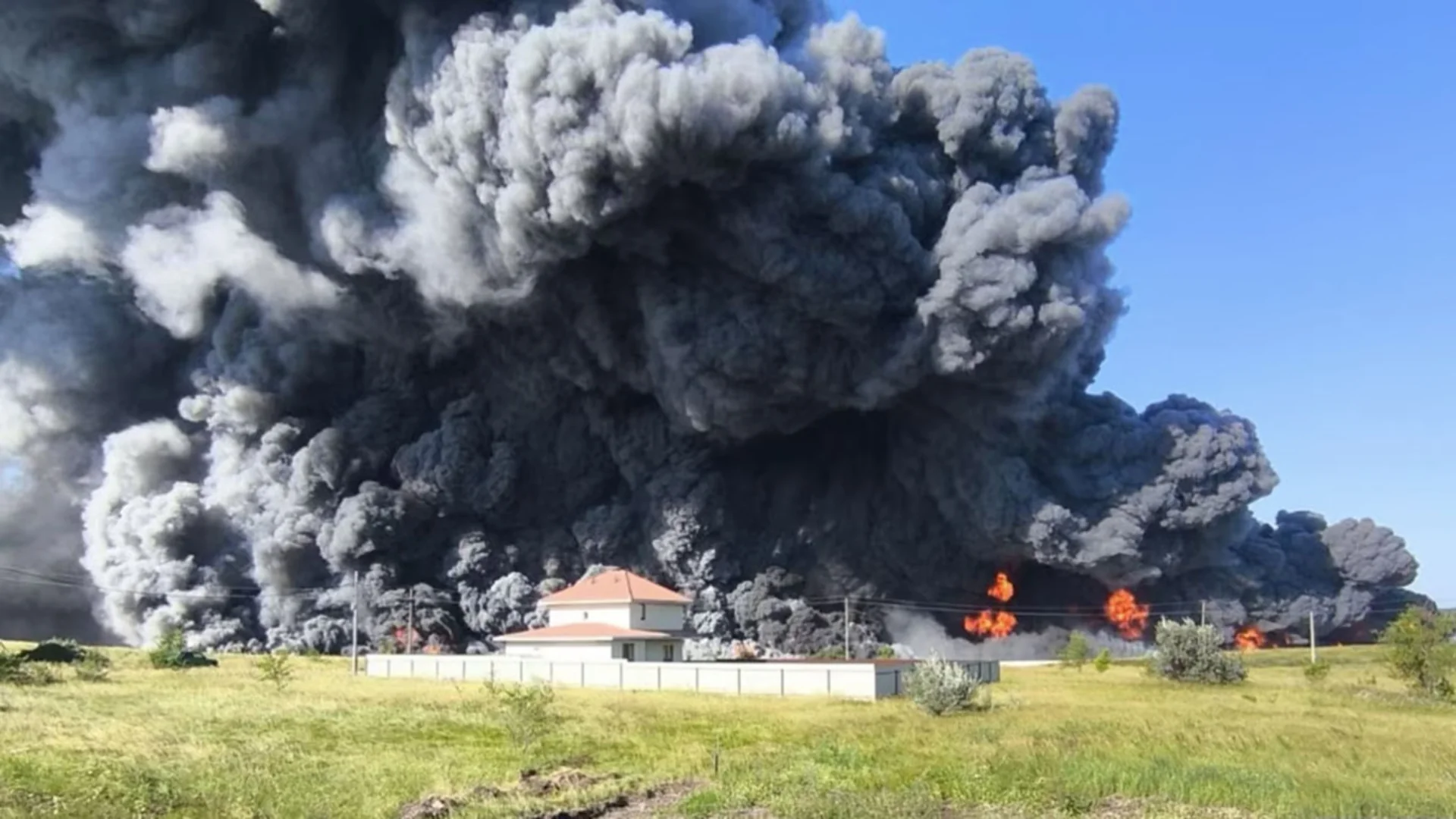
Ukraine's Drone Campaign Has Wiped Out a Fifth of Wildberries' Warehouse Capacity
Ukrainian drone strikes have damaged over 1.18 million square meters of Wildberries warehouse space, pushing Russia's top retailer toward years of losses.

The Slow Squeeze: Three Systems Under Strain, Moving at Different Speeds
Atmospheric CO2 levels, East Asian demographic exhaustion, and the AI capital race are converging on different clocks. An examination of how climate limits, human reproduction, and state infrastructure face simultaneous systemic strain without a single coordinating hand.
Comments (0)
Please sign in to join the discussion.
No comments yet.
Be the first to share your perspective on this topic.