
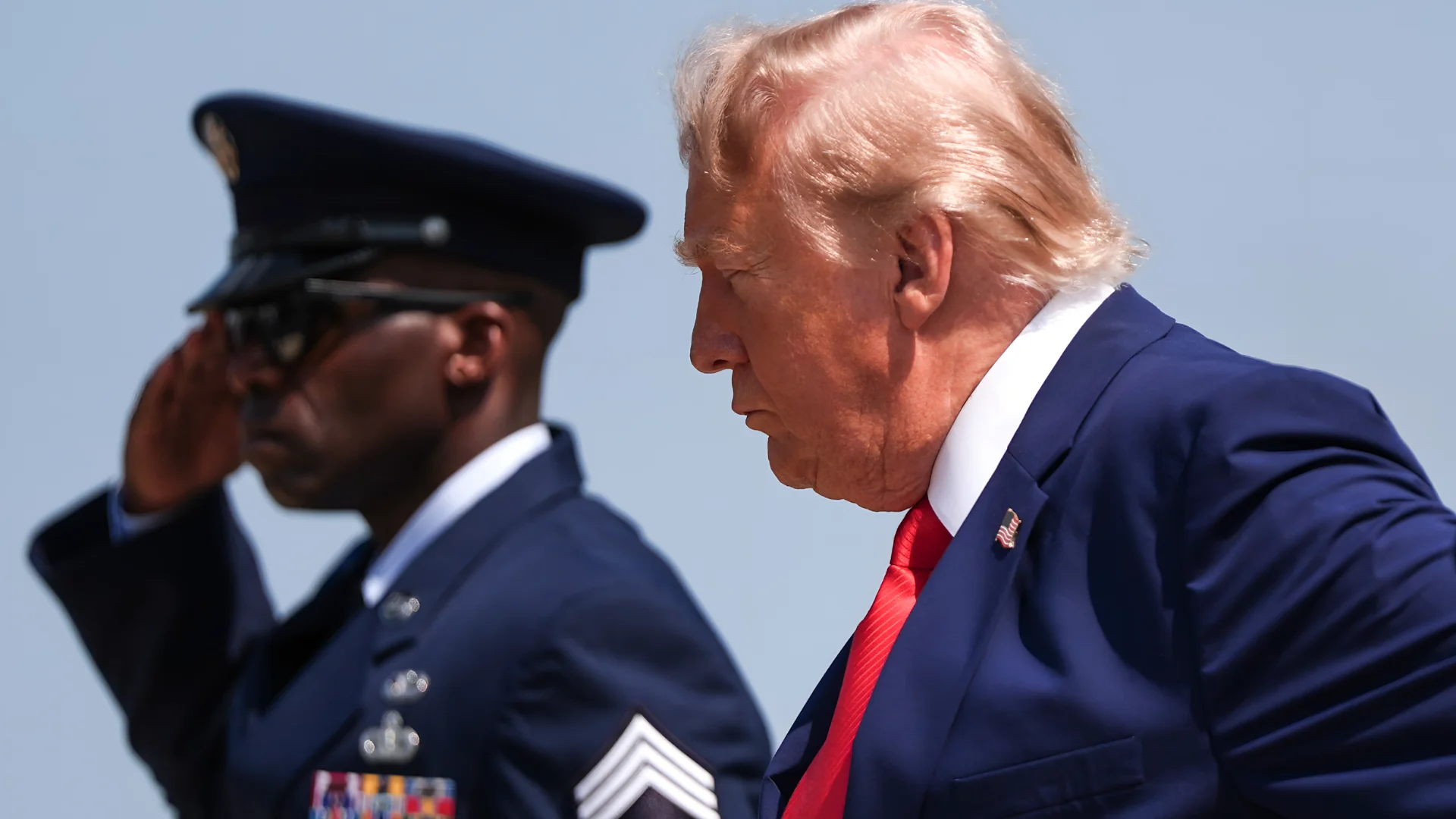
President Trump says he is nearing a decision on what he describes as a "massive attack" on Iran, one he says would exceed the scale of strikes carried out earlier in the five-month conflict, as Congress moves to limit his authority to keep fighting it.
A Threat Tied to Houthi Attacks on Saudi Tankers
Trump's latest threat follows attacks by the Iran-backed Houthi militia on two Saudi Arabian oil tankers in the Red Sea, a widening of the conflict beyond the direct US-Iran exchanges that have defined the war so far. The US military has carried out at least 13 consecutive nights of strikes on Iranian targets, including sites in the Strait of Hormuz, Qeshm, Bandar Abbas, and Tehran. Trump has also raised the possibility of striking an underground tunnel complex at what he called "Pickaxe mountain," a site Israel alleges houses centrifuges used for uranium enrichment. That allegation has not been independently verified, and the administration has not detailed what evidence supports it. Trump has not set a timeline for a decision, and the shape of any larger operation remains unclear.
Congress Tries to Pull Back as the War Nears Five Months
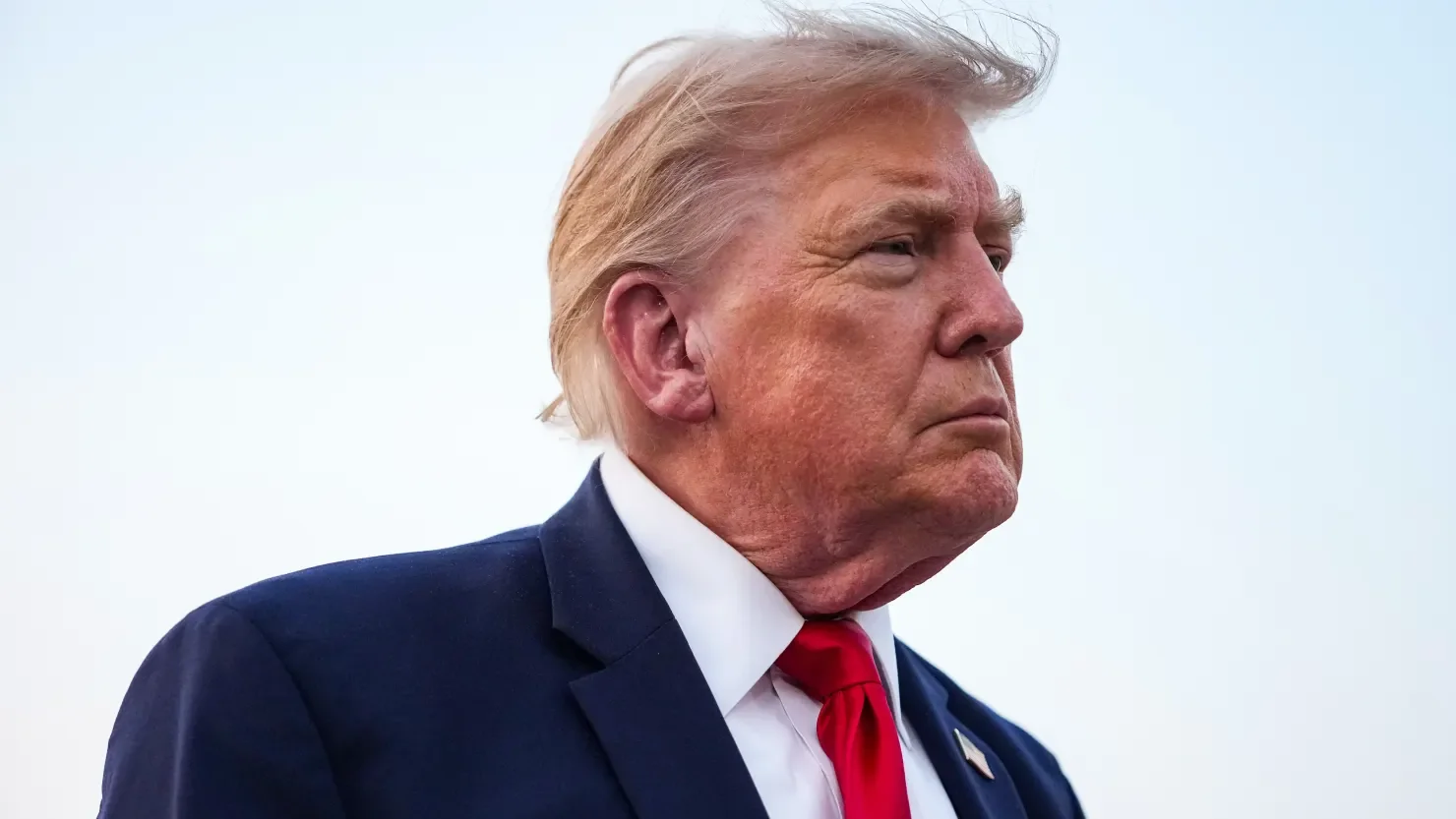
The conflict, approaching its five-month mark, is deeply unpopular among the American public, and that unpopularity has now shown up in a formal congressional check. The US House of Representatives narrowly passed a war powers resolution directing Trump to withdraw US military forces from Iran, a rebuke that reflects bipartisan unease over an open-ended campaign with no clear end state. The resolution does not have the force to immediately halt operations on its own, and it remains uncertain whether it will meaningfully constrain the administration's next moves. What it does establish is that support for continuing the war, even among some members of the president's own party, is no longer assured.
Oil Above $100 as Diplomats Pull Back From the Region
The market reaction has been immediate and measurable. Brent crude has surged past the symbolic $100-a-barrel mark as the Houthi attacks threaten a second major shipping corridor alongside the Strait of Hormuz. The diplomatic response has moved in step with the military and economic signals: the UK has temporarily withdrawn diplomatic staff from Iran, and Germany's military has announced it will pull two vessels from the Red Sea. UN Secretary-General António Guterres told the Security Council that the Middle East is "getting out of control" and is teetering on the edge of what he called the unimaginable, a warning that underscores how far the conflict's effects have spread beyond the two principal combatants.
The Frozen-Assets Threat Complicating Any Path to Talks
Separately from the military escalation, Trump has threatened to confiscate or otherwise use frozen Iranian assets, a move Tehran has fiercely condemned as incendiary. That threat sits alongside, rather than inside, the war powers debate, but it adds a financial dimension to a standoff that is already being fought on military, economic, and diplomatic fronts at once. Whether the asset threat is a genuine policy step or a negotiating pressure tactic is not established by the available reporting, and Iran's response so far has been rhetorical rather than procedural.
Taken together, the last several days mark less a single turning point than a convergence: a president signaling a larger strike, a legislature trying to check him, a market already pricing in worse, and allies quietly reducing their exposure. What happens next depends on a decision Trump himself says he has not yet made.

Could AI Create a "Permanent Underclass"? What the Data Actually Shows
Stanford payroll data show AI-exposed 22-25 year-olds losing jobs at 3.8% a year, while wages diverge by income. What that means for a 'permanent underclass.'

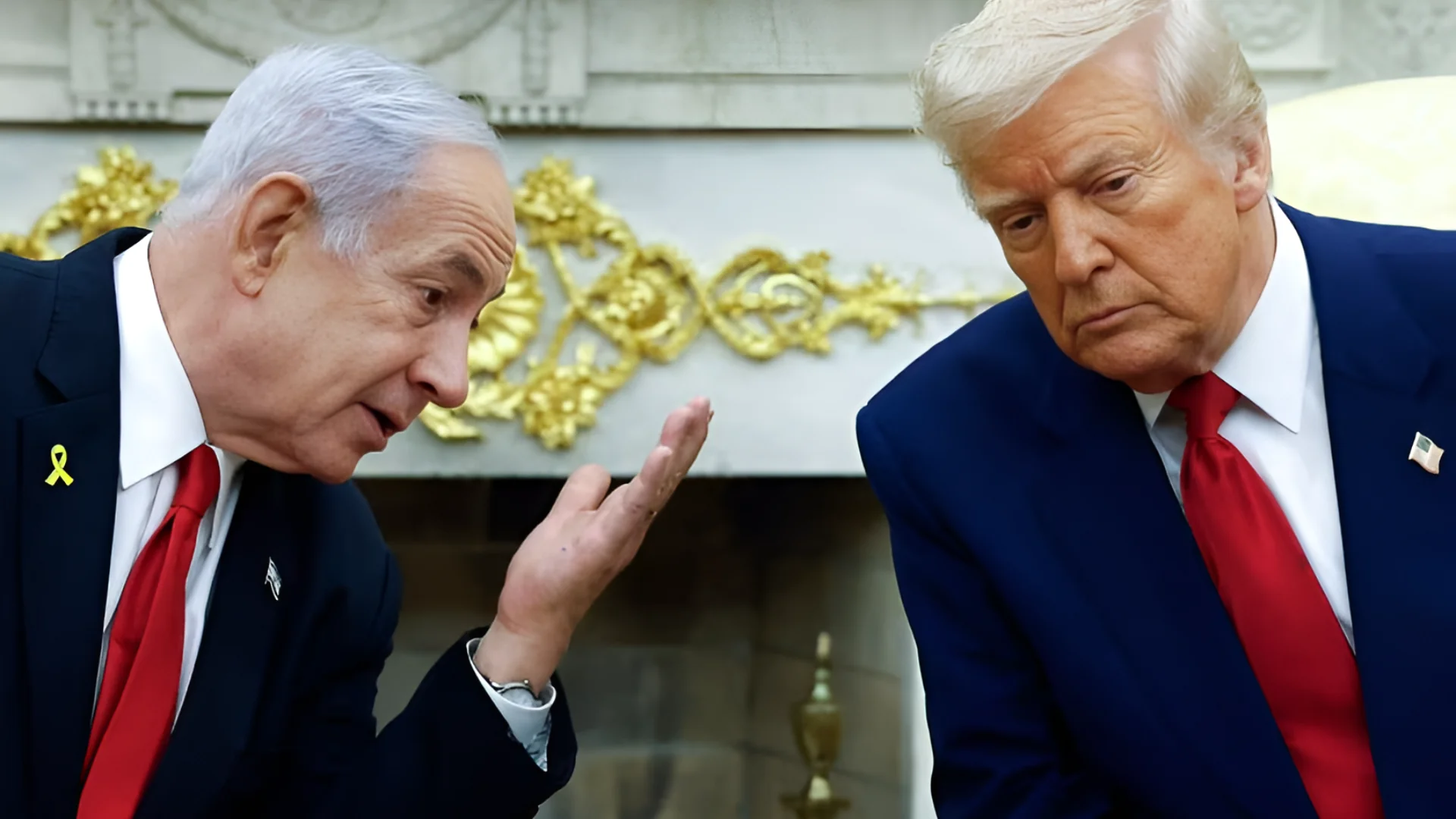
Netanyahu Rejects Trump-Backed Gaza Plan, Citing Disarmament Sequence
Israel's PM rejected the U.S.-backed 15-point Gaza plan Sunday, demanding Hamas disarm fully before any IDF withdrawal, deepening a sequencing standoff.
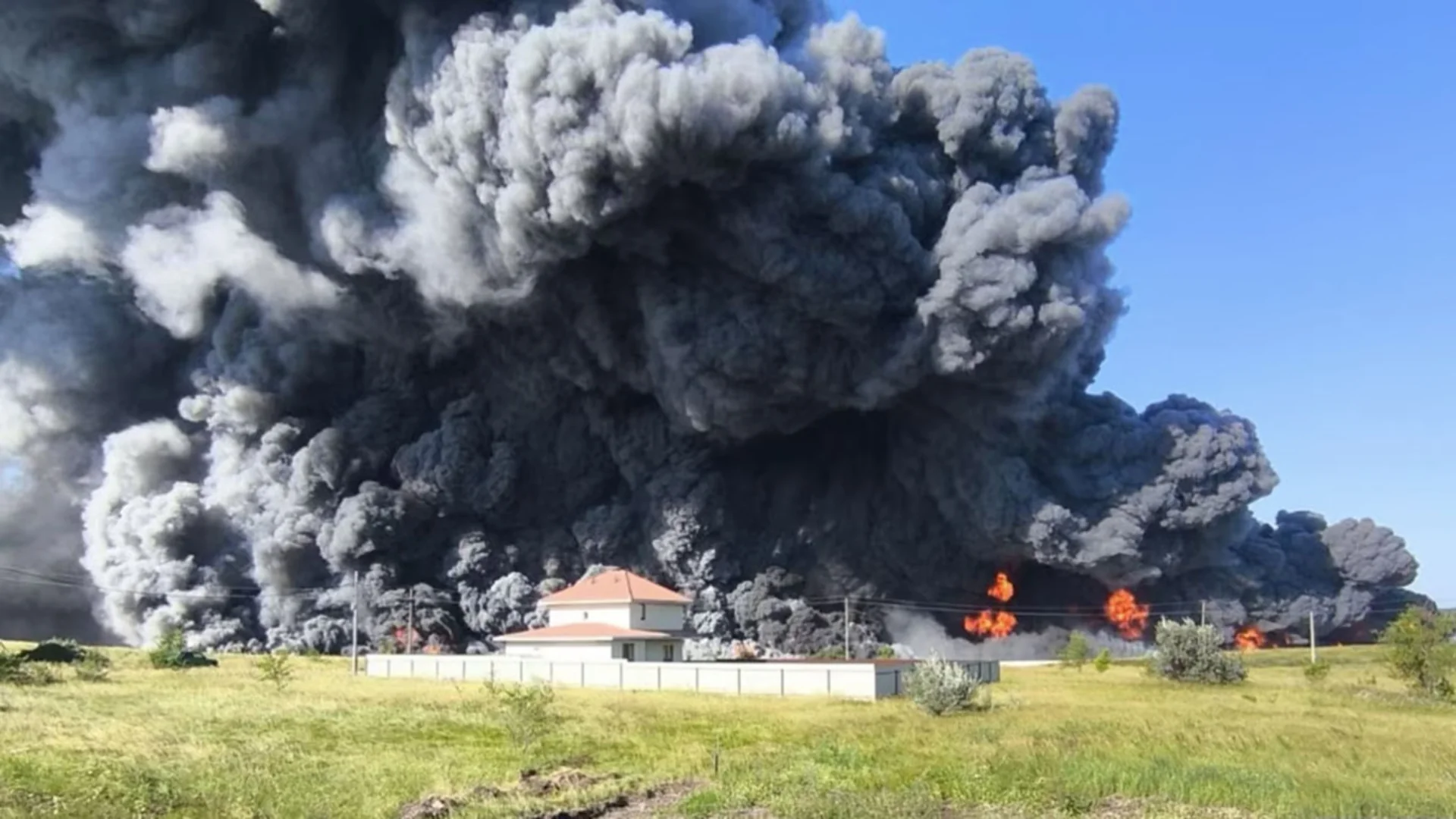
Ukraine's Drone Campaign Has Wiped Out a Fifth of Wildberries' Warehouse Capacity
Ukrainian drone strikes have damaged over 1.18 million square meters of Wildberries warehouse space, pushing Russia's top retailer toward years of losses.


The Slow Squeeze: Three Systems Under Strain, Moving at Different Speeds
Atmospheric CO2 levels, East Asian demographic exhaustion, and the AI capital race are converging on different clocks. An examination of how climate limits, human reproduction, and state infrastructure face simultaneous systemic strain without a single coordinating hand.
Comments (0)
Please sign in to join the discussion.
No comments yet.
Be the first to share your perspective on this topic.