
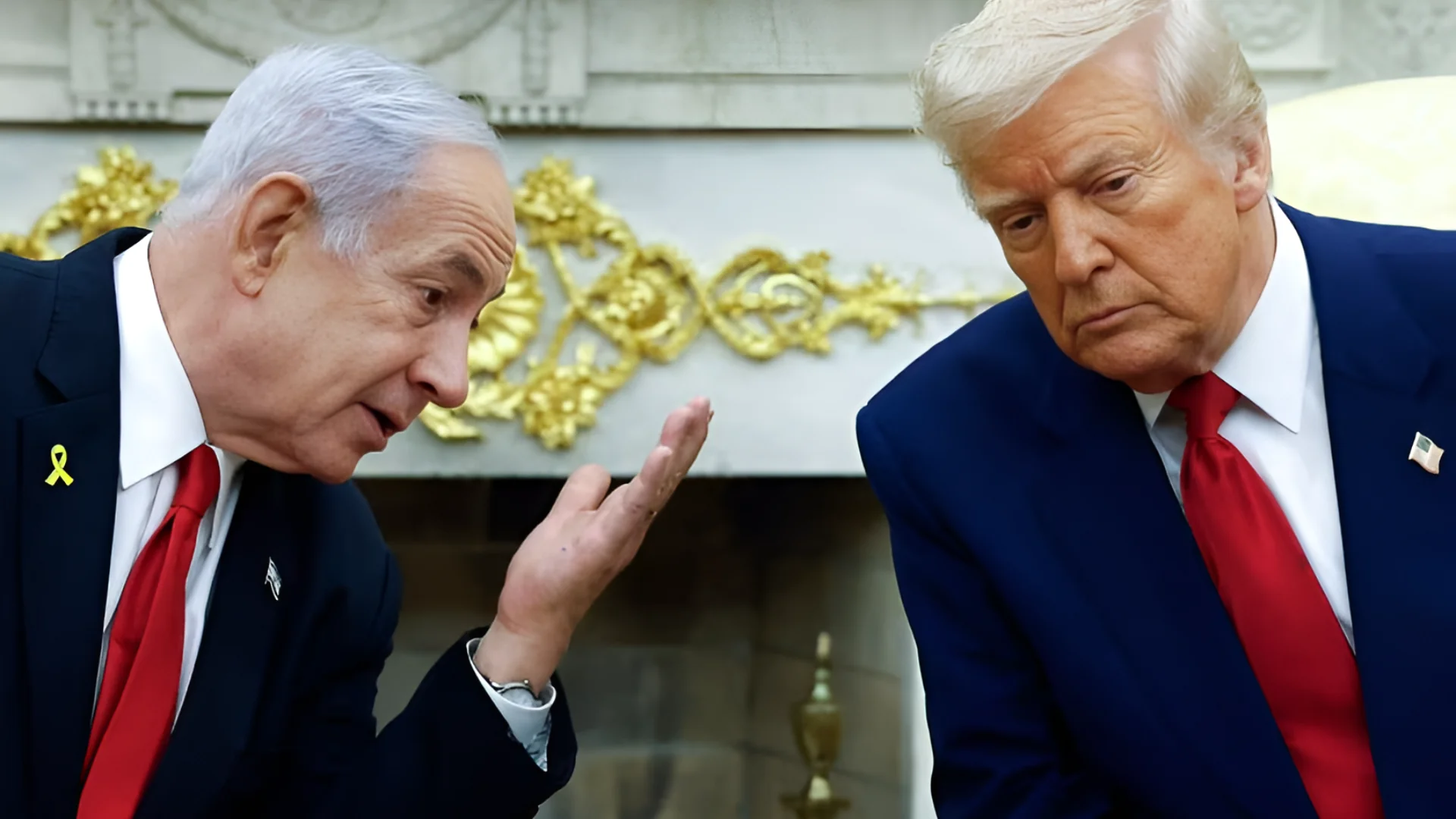
Israeli Prime Minister Benjamin Netanyahu told his cabinet on Sunday that Israel will not accept the 15-point Gaza framework put forward by President Donald Trump's Board of Peace, insisting no troop withdrawal will happen until Hamas disarms first.
Netanyahu Draws a Line on the 15-Point Document
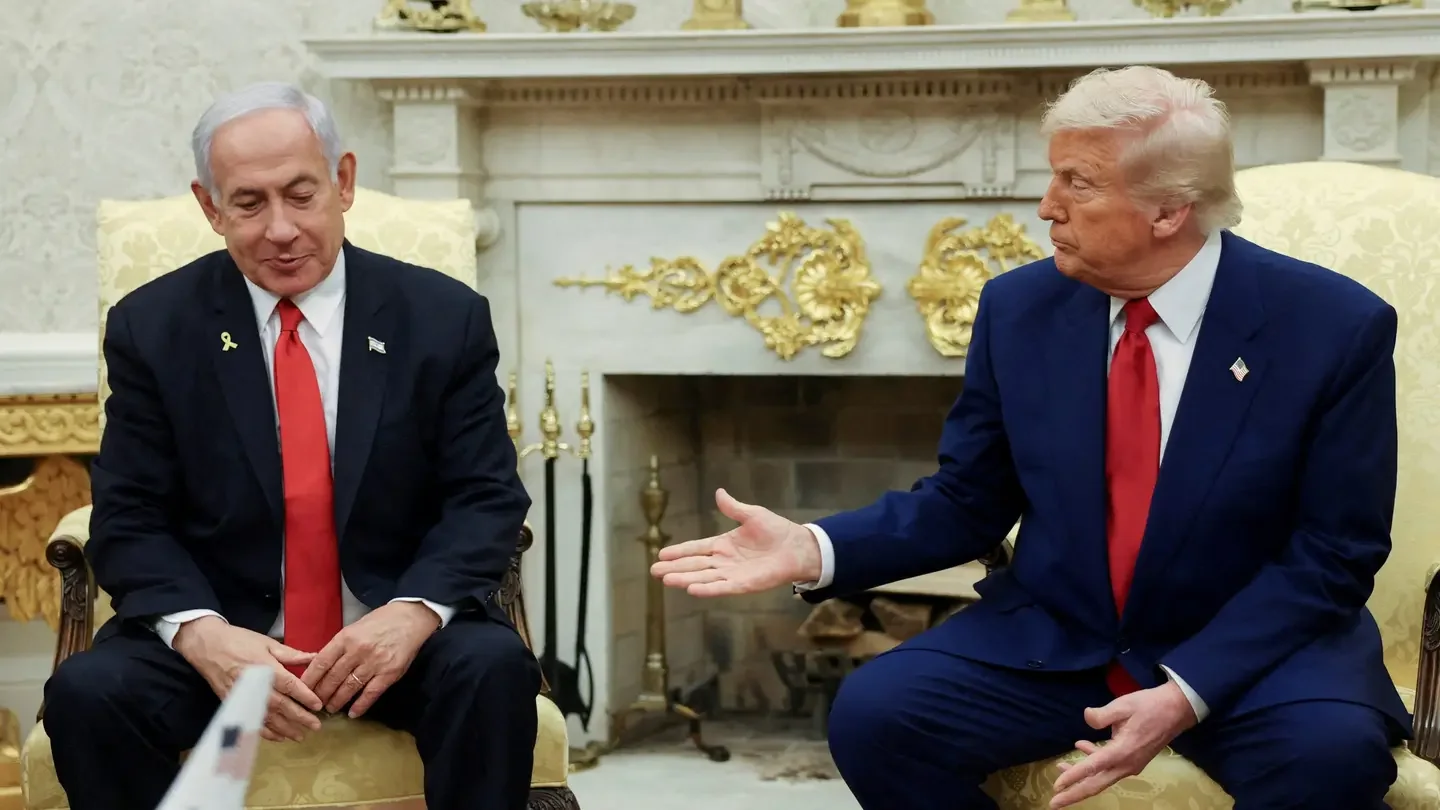
Speaking at the start of a cabinet meeting, Netanyahu said plainly that Israel does not accept the document. He said the Israeli military will not carry out any withdrawal until Hamas undergoes what he called genuine disarmament, not fictitious disarmament, meaning the surrender of both heavy and light weaponry. The framework had been described in reporting on the rejection as a plan Trump had promoted as a step toward a lasting settlement in Gaza.
The Board of Peace, the international body formed after a 2025 hostage release deal, announced the 15-point roadmap on July 30, 2026. It set a two-week window for Israel and Hamas to agree on a timetable for Hamas's disarmament and an Israeli troop withdrawal. Trump had called the roadmap a historic agreement on complete disarmament.
Why the Rejection Comes Down to Sequencing
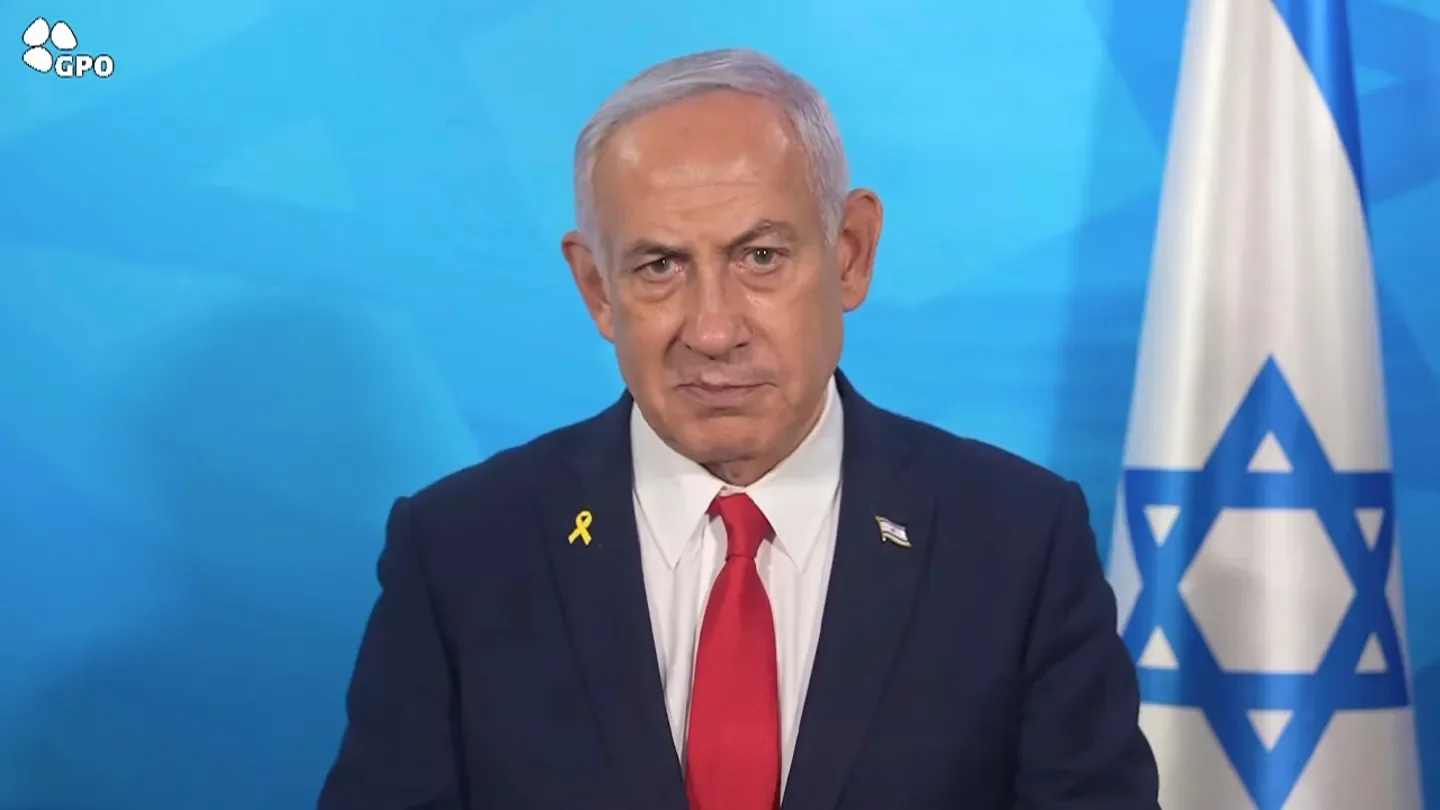
The dispute is not simply over whether disarmament and withdrawal should happen, but over which comes first. Israel's position, as Netanyahu laid out, is that Hamas must disarm completely before any Israeli forces leave Gaza. Hamas has taken the opposite position: it wants Israel to halt military operations and withdraw first, after which it says it would hand weapons to a proposed National Committee for the Administration of Gaza.
That gap in sequencing is what has stalled the plan despite the two-week window the Board of Peace set when it announced the framework. Neither side has an incentive to move first under the other's terms, and Netanyahu's cabinet remarks show Israel is not treating the July 30 announcement as a settled roadmap, even though details of the plan's rollout had been framed as a breakthrough at the time.
Talks With Washington Continue Despite the Public Rejection

Netanyahu did not describe the rejection as a break with the United States. He said Israel remains in discussions with Washington about the framework, and that the Americans have put forward ideas, some of which Israel finds acceptable and some it does not. He added that Israel knows how to stand firm on the points it rejects. That framing suggests the disagreement is being worked through as an active negotiation rather than a closed door, a distinction that coverage of the standoff has also noted as the talks continue in parallel with the public rejection.
Domestic Politics Are Shaping Netanyahu's Position
Netanyahu is navigating pressure from far-right coalition partners who oppose concessions to Hamas, and he is doing so ahead of upcoming elections in which his hold on power is not assured. In the same cabinet remarks, he reiterated that he would not permit the creation of a Palestinian state in either Gaza or the West Bank while he remains prime minister. That statement was not a new position, but repeating it alongside the plan's rejection ties the disarmament dispute to the broader political stakes he is managing at home, a connection also drawn in analysis of his cabinet remarks.
What happens next depends on whether the sequencing dispute can be bridged in the ongoing U.S.-Israel talks Netanyahu referenced, or whether the two-week window the Board of Peace set on July 30 lapses without an agreed timetable. Neither the Board of Peace nor Hamas has publicly responded to Netanyahu's cabinet remarks.

Could AI Create a "Permanent Underclass"? What the Data Actually Shows
Stanford payroll data show AI-exposed 22-25 year-olds losing jobs at 3.8% a year, while wages diverge by income. What that means for a 'permanent underclass.'

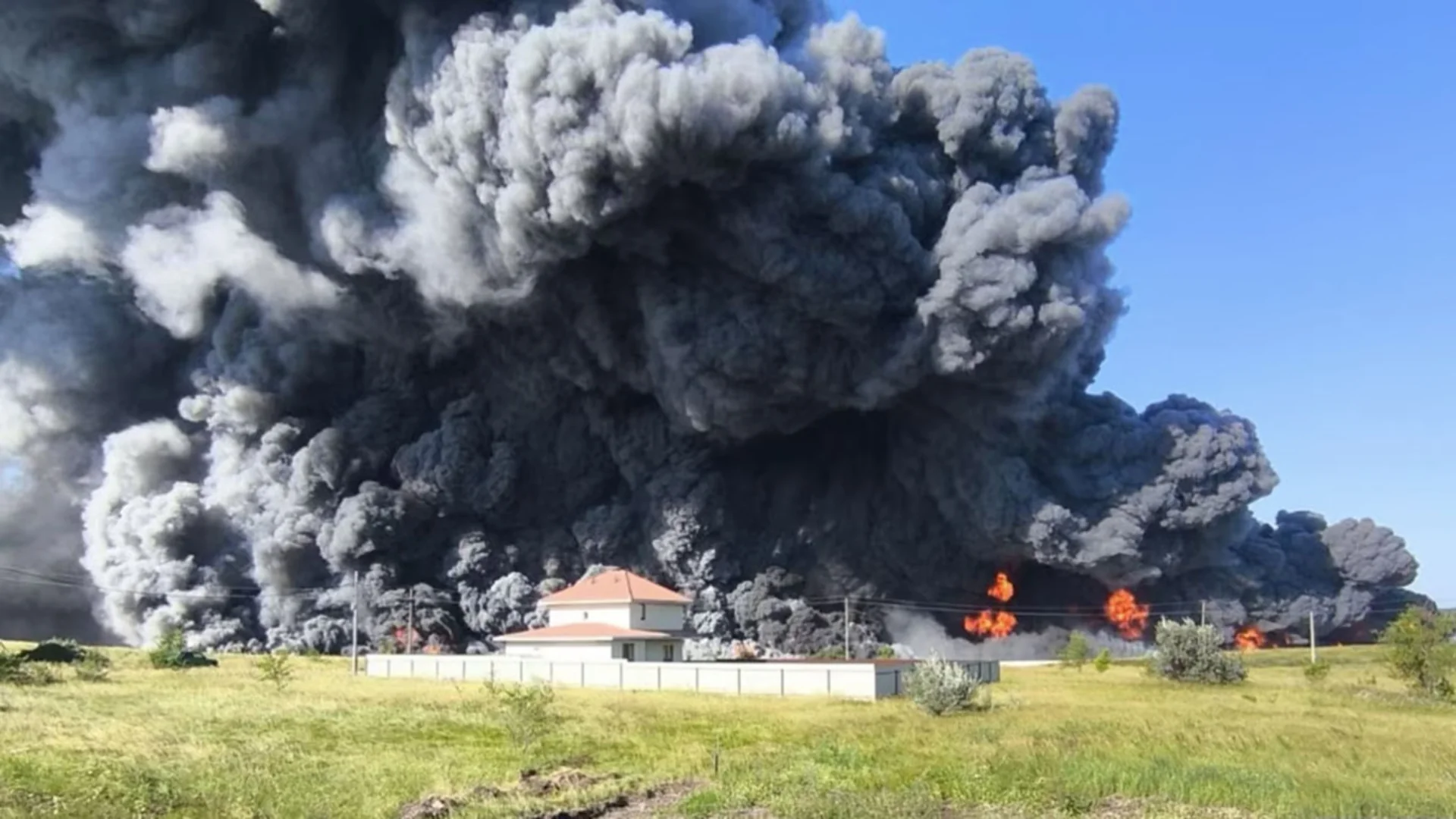
Ukraine's Drone Campaign Has Wiped Out a Fifth of Wildberries' Warehouse Capacity
Ukrainian drone strikes have damaged over 1.18 million square meters of Wildberries warehouse space, pushing Russia's top retailer toward years of losses.


The Slow Squeeze: Three Systems Under Strain, Moving at Different Speeds
Atmospheric CO2 levels, East Asian demographic exhaustion, and the AI capital race are converging on different clocks. An examination of how climate limits, human reproduction, and state infrastructure face simultaneous systemic strain without a single coordinating hand.

UOB Sells UOBAM to Allianz Global Investors for S$555 Million
UOB Group has agreed to sell UOB Asset Management to Allianz Global Investors for S$555 million while keeping a long-term distribution tie for wealth clients.
Comments (0)
Please sign in to join the discussion.
No comments yet.
Be the first to share your perspective on this topic.