
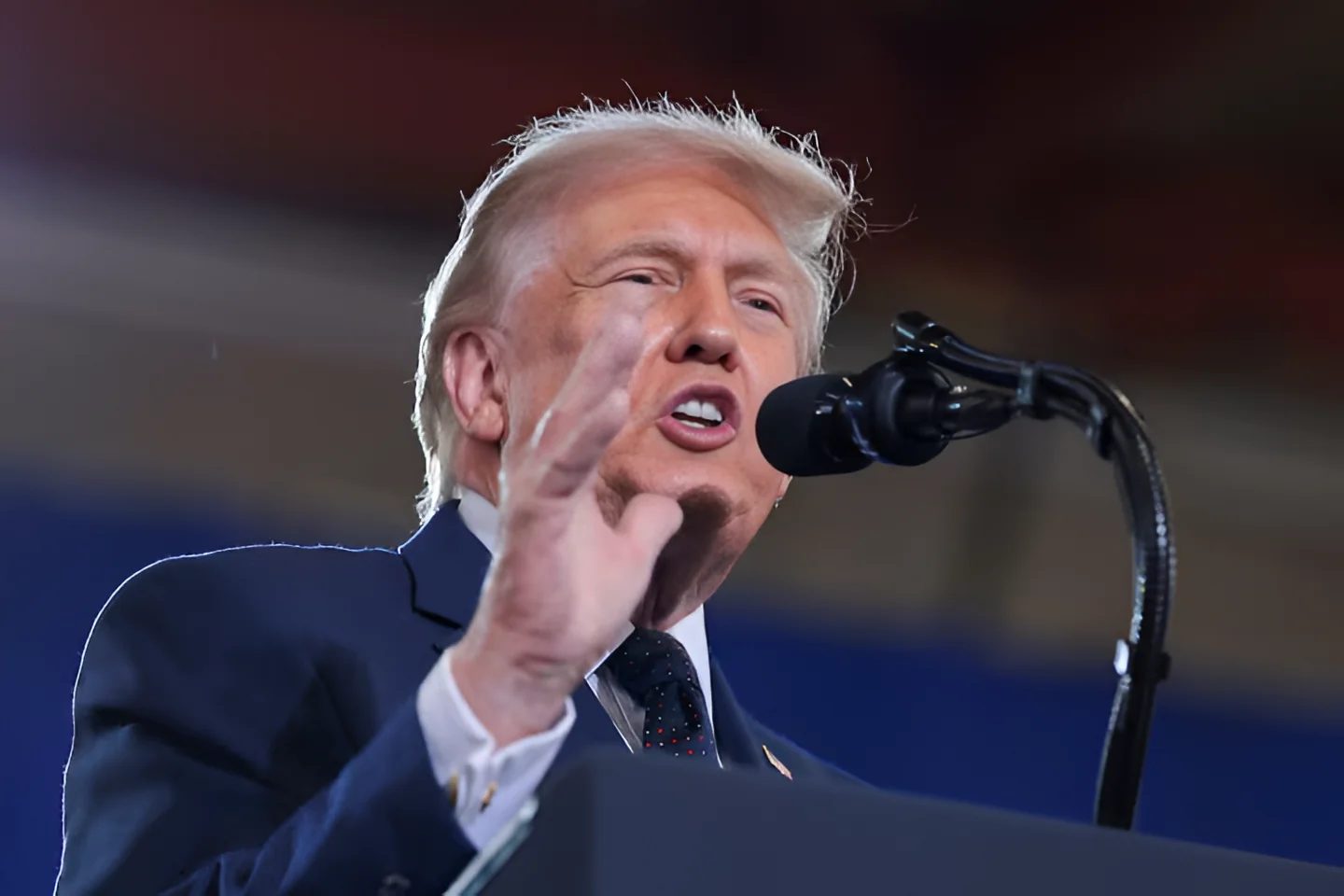
On Saturday, May 23, President Trump said that U.S. and Iranian negotiators are "getting a lot closer" to an agreement that would formally end nearly three months of war. All three parties involved in the talks — the United States, Iran, and mediator Pakistan — confirmed that progress has been made. Whether that progress holds depends in part on what Trump decides by Sunday.
What the Emerging Draft Agreement Actually Contains
The framework taking shape centers on two concrete terms. First, a gradual reopening of the Strait of Hormuz, which Iran has restricted since the war began and which remains a chokepoint for a substantial share of global energy shipments. Second, a 60-day extension of the current ceasefire, intended to provide time for negotiators to resolve what officials described as remaining core issues — a formulation that signals meaningful gaps still exist beneath the headline progress.
Neither side has characterized the draft as complete. Trump's phrasing — that he would "only sign a deal where we get everything we want" — sets a maximalist benchmark, though the specific definition of "everything" has not been publicly disclosed beyond the nuclear question.
On that point, Trump was explicit: any final agreement must definitively prevent Iran from acquiring a nuclear weapon, and Iran's stockpile of enriched uranium must be, in his words, "satisfactorily handled." The precise mechanism — whether that means removal, dilution, monitored storage, or some other arrangement — was not detailed in the source material available Saturday.
Pakistan's Mediation Role and the Regional Diplomatic Circuit
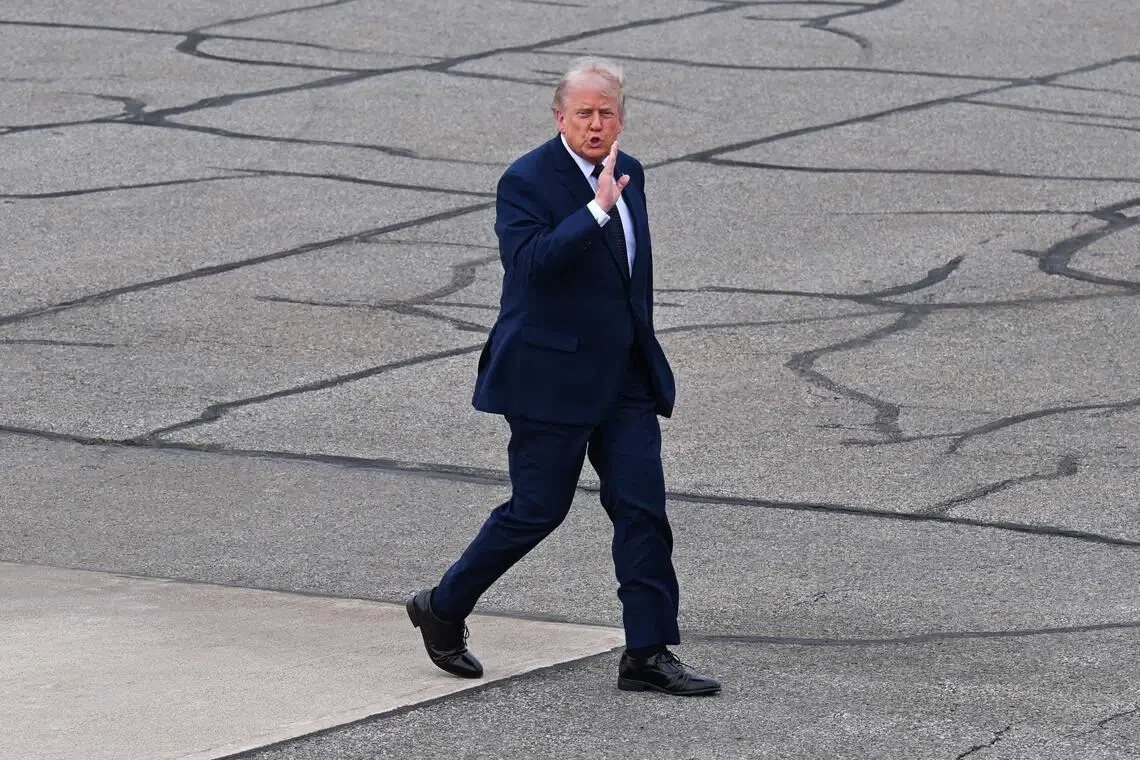
Pakistan Army Chief Field Marshal Asim Munir traveled to Tehran on Saturday for direct meetings with Iranian President Masoud Pezeshkian and Parliament Speaker Mohammad Bagher Ghalibaf. Pakistani officials described the outcomes as highly productive, though no joint statement was released.
The Munir visit reflects Pakistan's unusual positioning in this conflict: a nuclear-armed neighbor of Iran with historically complex but functional ties to Washington, making it one of the few actors with credible access to both capitals. The talks in Tehran coincided with Trump's separate call with Qatari Emir Sheikh Tamim bin Hamad Al Thani, focused on regional stabilization — a channel that has historically facilitated indirect U.S.-Iran communication.
Secretary of State Marco Rubio, speaking from New Delhi on Saturday, said progress is ongoing and suggested formal news could emerge within days. Rubio's phrasing stopped well short of a guarantee. His comments from New Delhi, rather than from a location directly involved in the negotiations, are consistent with the U.S. maintaining visible diplomatic engagement across multiple theaters simultaneously.
The Deadline, the Military Posture, and What Ghalibaf Said
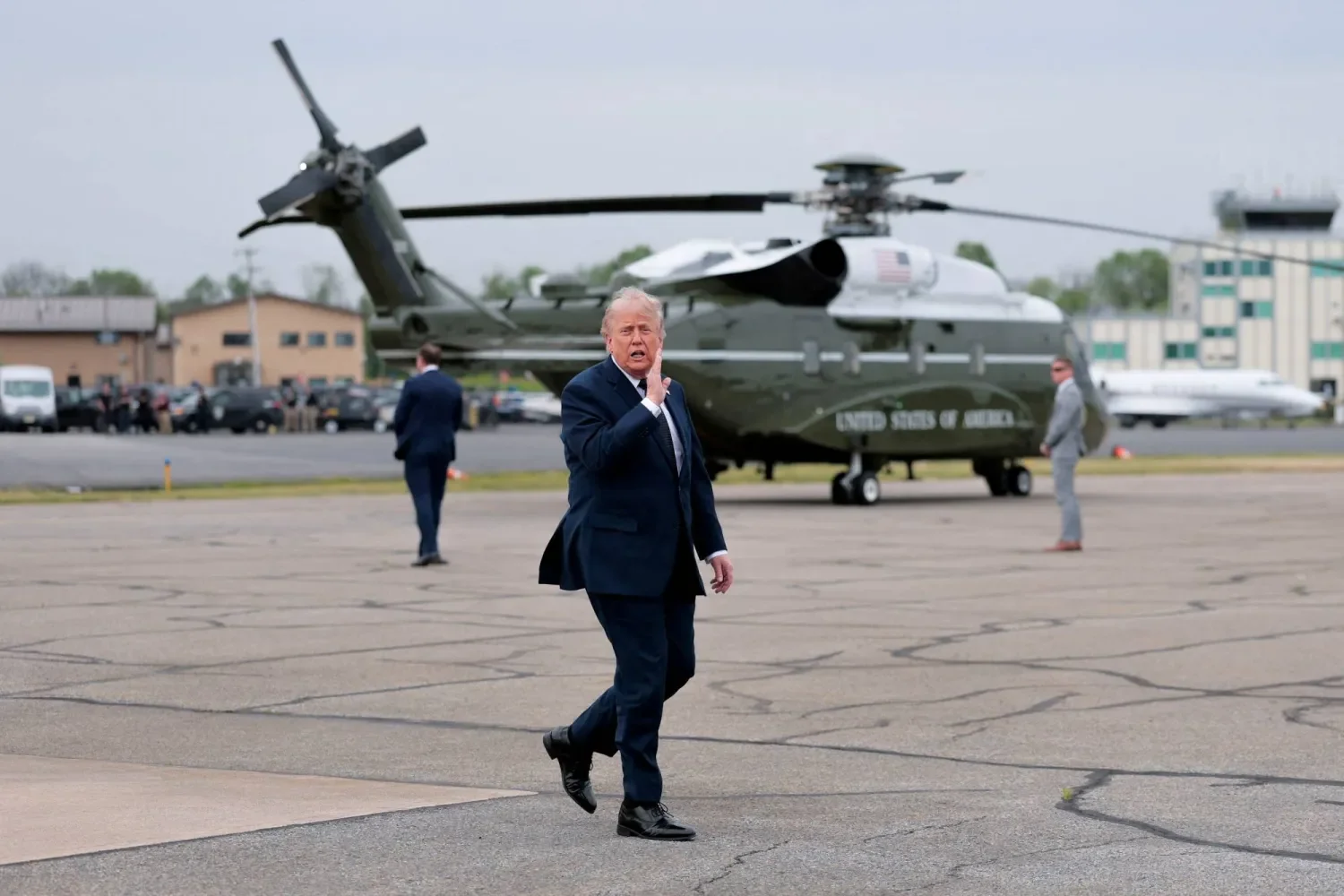
Trump said in a separate interview with Axios that he plans to review the draft agreement with advisers on Saturday and could decide whether to resume hostilities by Sunday, May 24. The Axios interview also included the statement that he would see Iran "blown to a thousand hells" if a satisfactory deal is not reached — language Trump has deployed at multiple points during the six-week ceasefire, making it difficult to assess whether Saturday's framing represents a genuine escalation in urgency or a continuation of a pattern.
The military context around the deadline is not purely rhetorical. A report citing Pentagon preparations for renewed aerial strikes noted that military staff had been asked to cancel weekend plans — a detail that, while unconfirmed independently, aligns with the short-fuse timeline Trump described.
Ghalibaf responded directly to the strike preparation reports. He stated that Iran has used the ceasefire period to rebuild its military capabilities and warned that any renewed U.S. aggression would produce a response that is "more crushing and bitter" than Iran's actions at the war's outset. That statement functions as a deterrence signal, though whether it reflects a genuine shift in Iranian military capacity or is calibrated for domestic and diplomatic effect cannot be assessed from the available sourcing.
The 60-day ceasefire extension now under negotiation would, if agreed, move the next hard deadline into late July — buying time for the unresolved core issues to be addressed, or for the talks to break down under less immediate public pressure than they face this weekend.

Could AI Create a "Permanent Underclass"? What the Data Actually Shows
Stanford payroll data show AI-exposed 22-25 year-olds losing jobs at 3.8% a year, while wages diverge by income. What that means for a 'permanent underclass.'

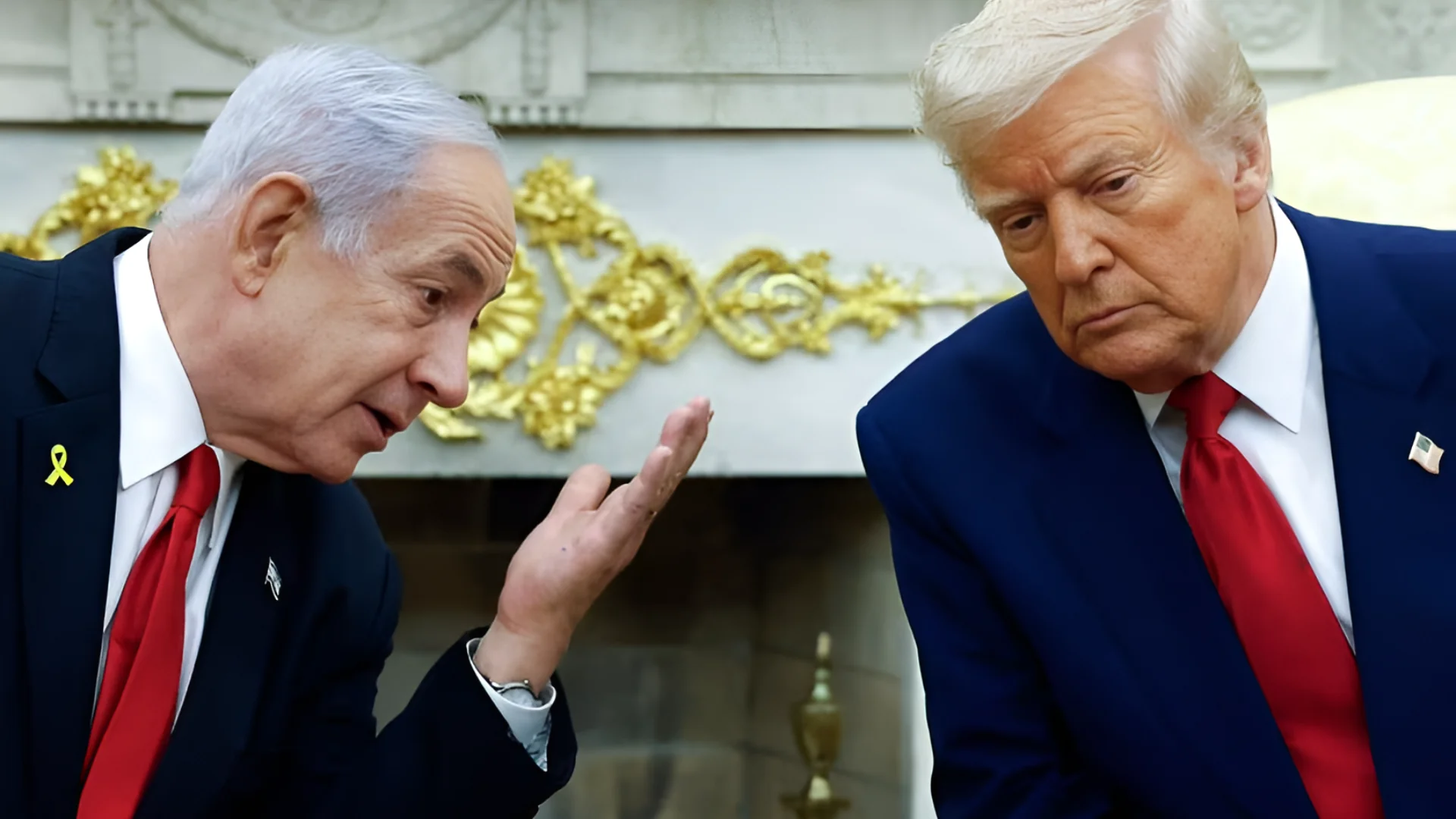
Netanyahu Rejects Trump-Backed Gaza Plan, Citing Disarmament Sequence
Israel's PM rejected the U.S.-backed 15-point Gaza plan Sunday, demanding Hamas disarm fully before any IDF withdrawal, deepening a sequencing standoff.
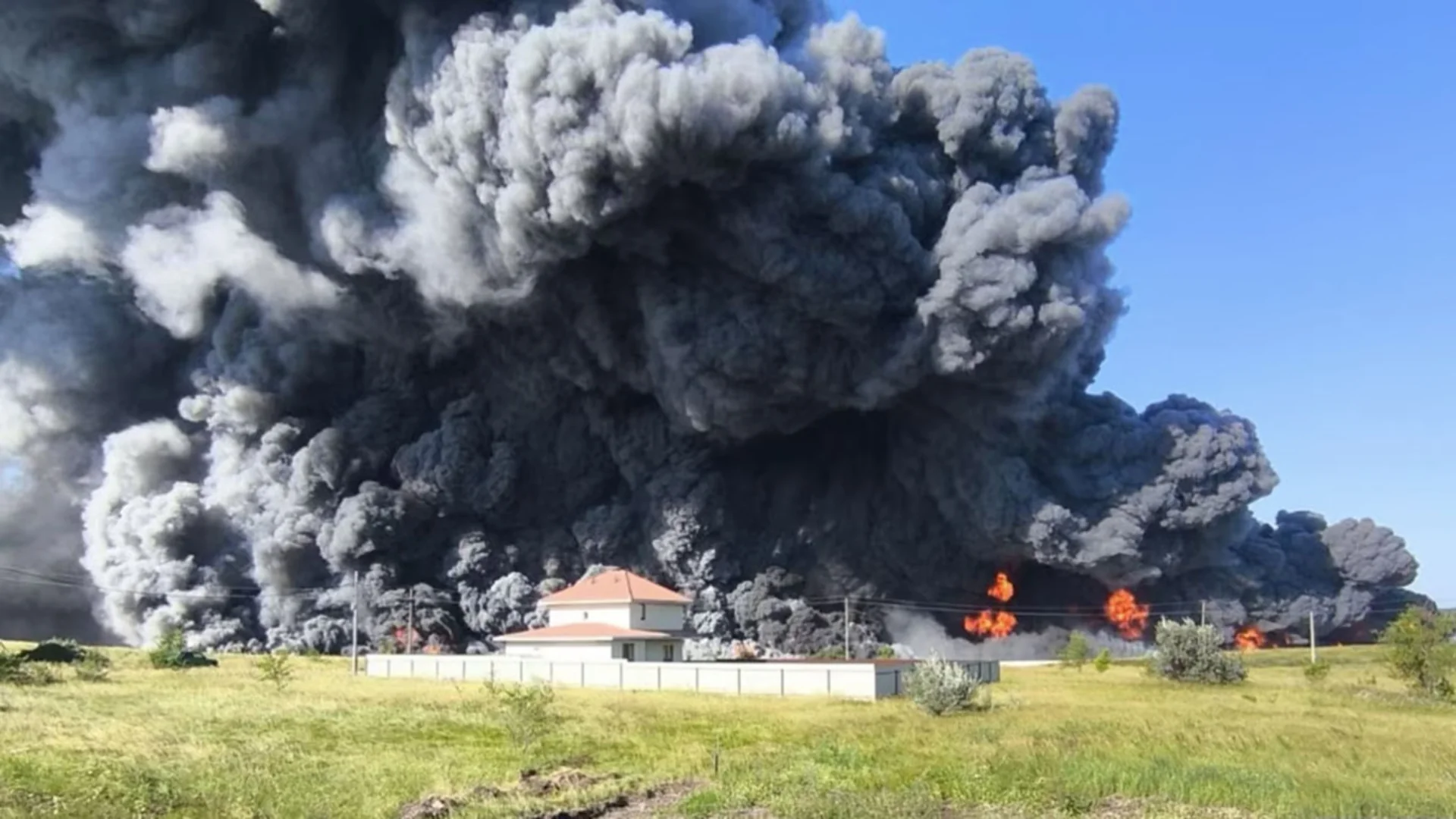
Ukraine's Drone Campaign Has Wiped Out a Fifth of Wildberries' Warehouse Capacity
Ukrainian drone strikes have damaged over 1.18 million square meters of Wildberries warehouse space, pushing Russia's top retailer toward years of losses.

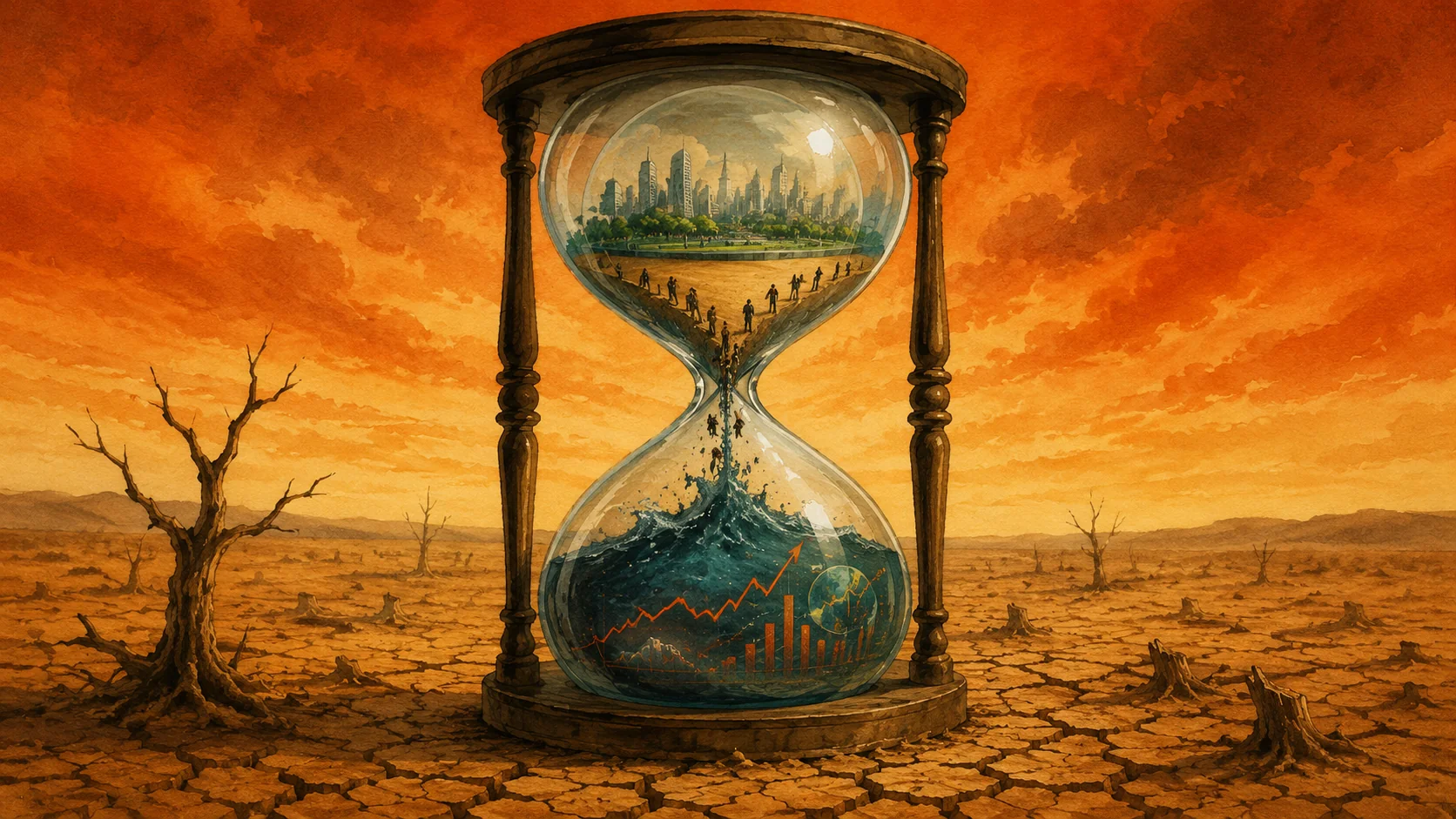
The Slow Squeeze: Three Systems Under Strain, Moving at Different Speeds
Atmospheric CO2 levels, East Asian demographic exhaustion, and the AI capital race are converging on different clocks. An examination of how climate limits, human reproduction, and state infrastructure face simultaneous systemic strain without a single coordinating hand.
Comments (0)
Please sign in to join the discussion.
No comments yet.
Be the first to share your perspective on this topic.