
![US President Donald Trump delivers a speech about the economy at Rockland Community College Fieldhouse in Suffern, New York, on May 22, 2026 [AFP]](/uploads/1779696748584-US_President_Donald_Trump_delivers_a_speech_about_the_economy_at_Rockland_Community_College_Fieldhouse_in_Suffern__New_York__on_May_22__2026.webp)
Active diplomacy between the United States and Iran is progressing through Pakistani mediation, but Iranian officials warn a final agreement is not imminent and global markets have moved further on ceasefire optimism than the talks themselves justify.
The Strait at Stake: What a Closed Waterway Costs Global Energy Markets
Before this conflict, the Strait of Hormuz carried roughly a fifth of global oil shipments and a comparable share of liquefied natural gas exports. Its closure has inverted that economic logic: oil prices have already begun to fall on talks progress, with Brent crude slipping below $100 and recording a 6% drop to two-week lows as negotiation signals emerged. Asian equity markets responded more sharply, with Japan's Nikkei topping 65,000. The scale of that market reaction reflects both the strategic weight of the waterway and the degree to which investors are treating preliminary diplomatic progress as more settled than the parties themselves describe it.
The chart below shows the key economic indicators tied to the Strait and current market reaction.
Three Disputes That Have Not Moved
Progress has been confirmed on several topics, according to Iranian Foreign Ministry spokesperson Esmaeil Baghaei, who nonetheless cautioned that an agreement is "not imminent." Three sticking points are structurally distinct and each represents a different category of diplomatic problem.
Iran's highly enriched uranium stockpile is a verification and security issue: Washington requires a credible account of what exists and what will be done with it. Tehran's demand for the upfront release of $12 billion in frozen assets held in Qatar is a sequencing dispute — Iran wants the money before signing, the US wants compliance before payment. The third problem is regional: Israel's ongoing conflict in Lebanon with the Iranian-backed Hezbollah militia sits outside the bilateral US-Iran frame and cannot be resolved by the two parties alone. Each of these requires a different kind of resolution, which is why they have not collapsed into a single negotiating trade.
The chart below shows an editorial assessment of how difficult each sticking point is to resolve, based on the sourced negotiating positions.
A Three-Month Conflict, a Pakistani Bridge, and a Deal That Still Needs a Signature
The US and Iran have been in conflict for roughly three months. Pakistani mediation has created a channel that neither side has formally acknowledged as direct negotiation, which itself reflects the depth of mutual distrust. Iran's Foreign Ministry has said publicly that there are "no guarantees" the US will honor its commitments — a statement that functions less as rhetoric and more as a description of the ratification problem. Even if a memorandum of understanding is agreed, the reported framework requires final approval from Supreme Leader Mojtaba Khamenei, a step that adds a layer of domestic Iranian politics to a timeline already complicated by US election-cycle pressures and the unresolved Lebanon situation.
President Trump confirmed on Truth Social that the deal is "not fully negotiated yet" and that the US blockade on Iranian ships will remain in full effect until a final agreement is certified and signed. Secretary of State Marco Rubio stated the US would deal with Iran "another way" if diplomacy fails — language that leaves the military option formally on the table. That combination of signals — talks advancing, but no commitment to terms, and the threat of escalation preserved — is consistent with a negotiating posture, not a peace announcement.
The timeline below traces the key developments from the start of the conflict to the current state of talks.
The combination of a three-month-old conflict, a blocked waterway, market moves that have priced in optimism faster than the diplomats have earned it, and three structurally distinct unresolved issues means the gap between "talks advancing" and "agreement signed" remains wide. Iranian officials have offered the most precise description of where things stand: progress on multiple topics, no imminent conclusion, and no certainty that US commitments will hold. That is an accurate summary of a negotiation in progress, not a peace process nearing completion.
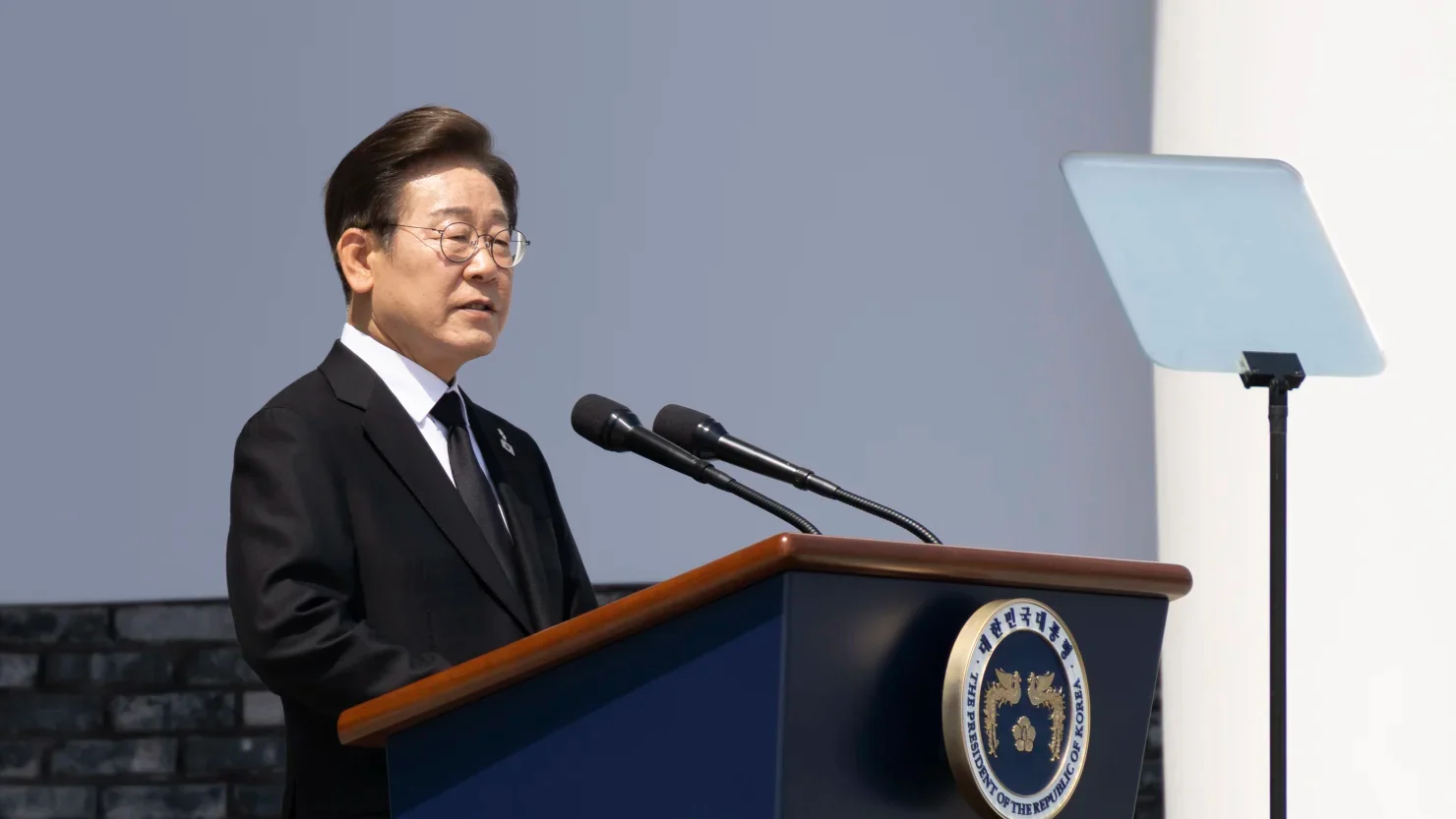
Trump Orders Korea Drill Cuts, Ties Move to Kim Ties and a Stalled $350 Billion Pledge
Trump scaled back Ulchi Freedom Shield citing North Korea ties and Iran refusal, as a new report links the cut to Seoul's slow $350 billion investment pledge.

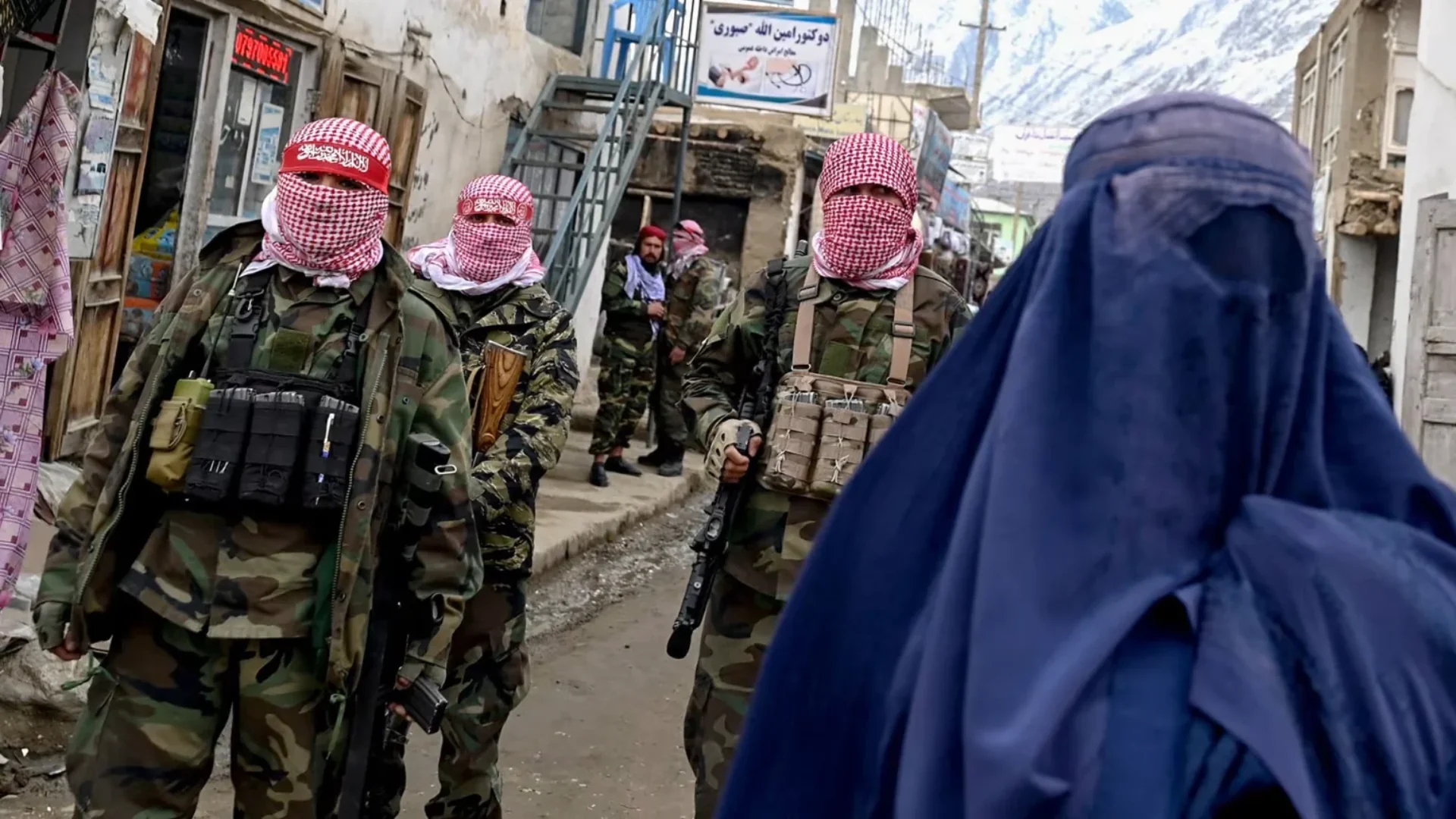
Five Years After Taliban Takeover, 2.4 Million Afghan Girls Remain Barred From School
UNESCO says Afghan girls' exclusion from secondary school grew by 200,000 in a year, as Russia, China and the UAE deepen ties with the Taliban.
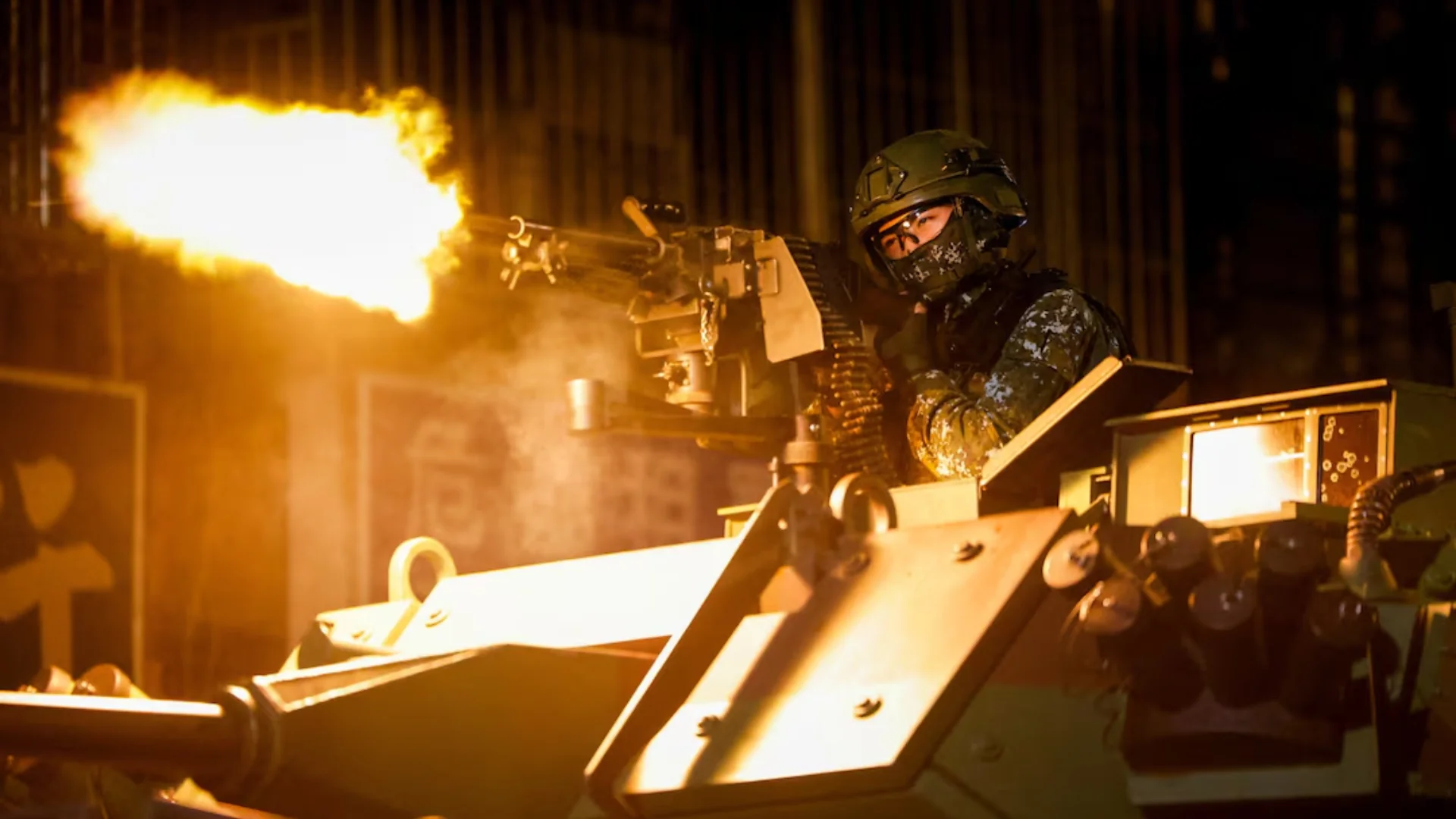
Inside Han Kuang 42: Taiwan Rehearses a China Blockade, Hidden Tanks and a Drone "Hellscape"
Taiwan's Han Kuang 42 drills tested coast-guard blockade escorts, hidden Abrams tanks and a drone "hellscape," as Chinese ship sightings jumped 83% in June.

Could AI Create a "Permanent Underclass"? What the Data Actually Shows
Stanford payroll data show AI-exposed 22-25 year-olds losing jobs at 3.8% a year, while wages diverge by income. What that means for a 'permanent underclass.'

Comments (0)
Please sign in to join the discussion.
No comments yet.
Be the first to share your perspective on this topic.