
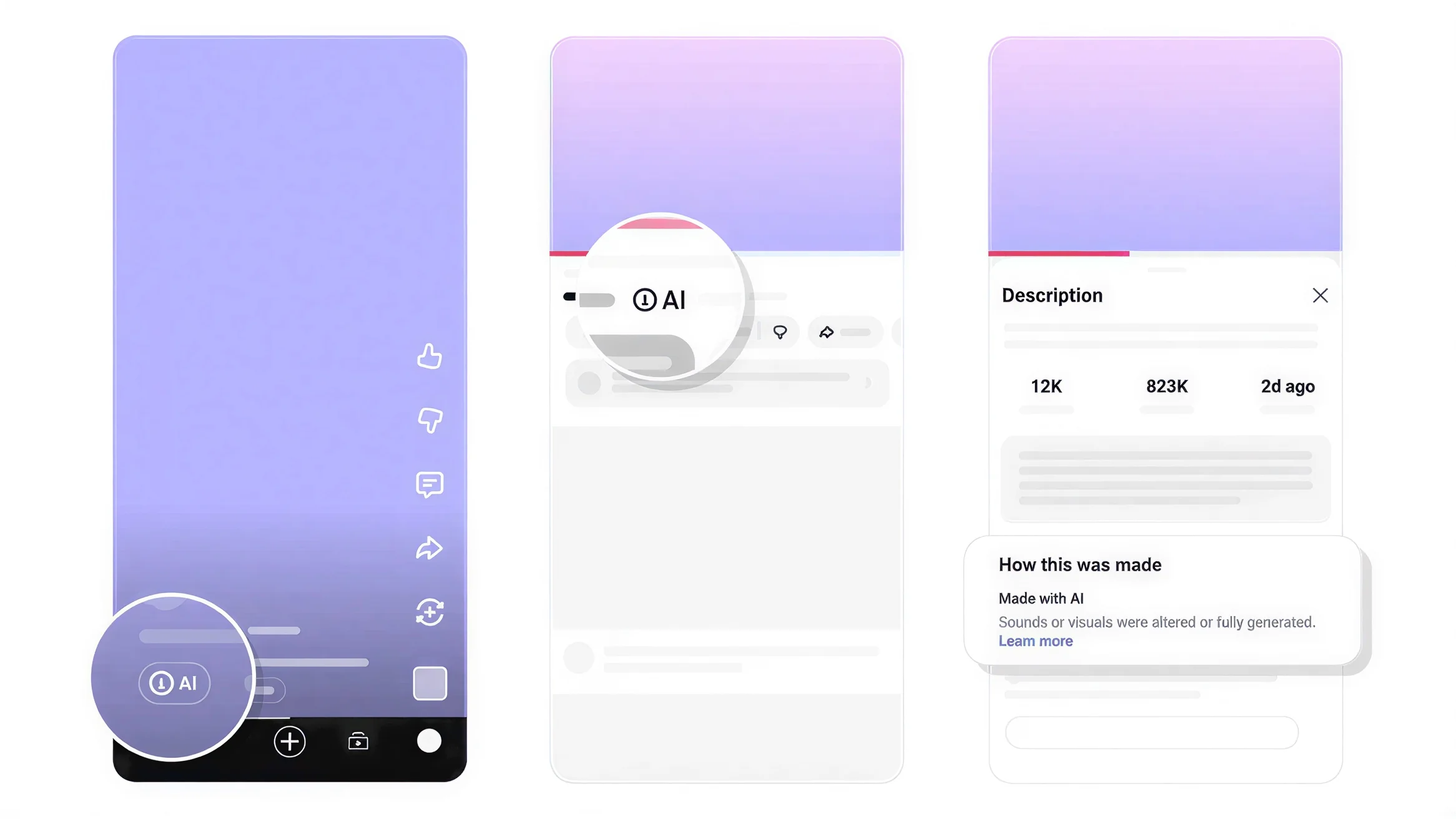
YouTube is repositioning its AI content labels to appear where viewers are more likely to notice them, and adding a system-side layer that applies labels automatically when creators do not disclose AI use themselves. Both changes were announced on May 27, 2026, in an update to YouTube's disclosure policy that has been in place since 2024.
Where the Label Now Appears Depends on What You Made
Since 2024, YouTube has required creators to disclose when they use generative AI tools in a meaningful way. Until now, the resulting label appeared tucked inside the expanded video description — easy to miss, and not visible without a tap. The new placement rules change that for photorealistic and significantly altered content.
For standard long-form videos, the label now appears directly below the video player, above the description, visible without any expansion. For YouTube Shorts, it appears as a direct overlay on the video itself. The old description placement is not going away entirely — it still applies to unrealistic, animated, or only slightly altered content, where the visual signal is already apparent to viewers without a dedicated label.
YouTube has not changed what triggers the disclosure requirement, only where the label lands once a disclosure is made. The distinction between photorealistic and non-photorealistic content determines which placement tier applies.
The chart below maps each content type to its label position under the updated policy.
YouTube Will Apply Labels Itself When Creators Do Not
The second change shifts some responsibility from creators to YouTube's own systems. Starting in May 2026, YouTube is rolling out internal signals to detect when a video contains significant photorealistic AI use — even when the creator has not filed a disclosure.
If YouTube's detection layer identifies qualifying content and no manual disclosure is present, it will apply the label automatically. YouTube has not described the specific signals or thresholds that trigger this detection, stating only that it targets "significant" photorealistic AI use. Creators who believe a label was applied incorrectly retain the ability to update their disclosure status through YouTube Studio, which means false positives can be contested.
This automatic layer closes the gap that existed when the policy relied entirely on voluntary creator disclosure. Whether it flags edge cases accurately — particularly content that blends real and synthetic footage — will depend on how YouTube calibrates the detection threshold, which is not publicly documented.
The flow below shows how a video moves through the disclosure decision under the new system.
Permanent Labels, Monetization Unchanged
Not all labels can be removed. YouTube will apply permanent, non-removable labels in two specific situations: when content is created using YouTube's own native AI tools — such as Veo or Dream Screen — and when content carries C2PA metadata indicating it is fully AI-generated. C2PA is an open technical standard for content provenance; its presence in a file's metadata signals AI origin independent of any creator action.
Outside those two conditions, disclosure labels do not affect how a video performs on the platform. YouTube confirmed that labeled videos are treated the same as unlabeled videos for both recommendation and monetization eligibility. A creator who applies — or receives — an AI label will not see their video deprioritized in search or recommendations, nor lose access to ad revenue.
That may matter to creators who had been avoiding disclosure out of concern it would penalize their content. The policy is now clearer: the label communicates transparency to viewers, not a content penalty. The three key policy facts are summarized in the cards below.
The changes sit inside a broader moment for AI disclosure infrastructure across platforms. Google's own AI tools, including those announced at Google I/O 2026, are increasingly embedded in consumer products, and questions about how AI-generated content is surfaced and labeled in search and video are becoming practical policy questions rather than theoretical ones. For creators, the practical implication of the May 27 update is straightforward: photorealistic AI content will carry a visible label whether or not the creator files one, and filing a disclosure does not damage a video's standing on the platform.

Vienna Taylor Swift Plot: Austrian Man Gets 15 Years
An Austrian court handed down sentences of 15 and 12 years to two men convicted of plotting a terrorist attack at Taylor Swift's sold-out Vienna Eras Tour concerts in August 2024.


MMA Thermal Runaway: Garden Grove Tank Incident
A methyl methacrylate storage tank at GKN Aerospace in Garden Grove, California overheated in May 2025. This explainer covers the exothermic polymerization mechanism that makes MMA storage hazardous and what the incident timeline revealed.

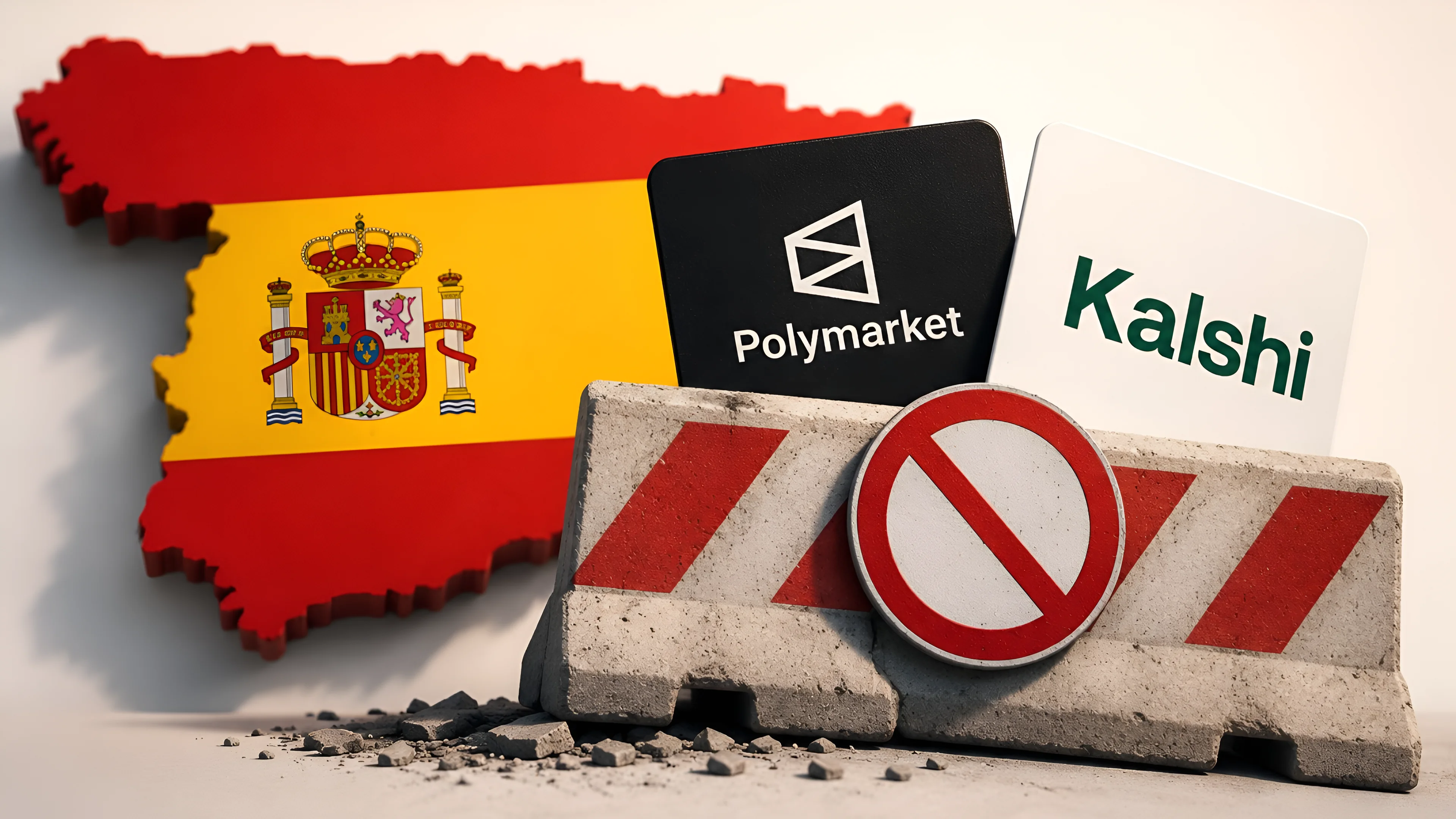
Spain Blocks Polymarket and Kalshi Over Gambling Licences
Spain's DGOJ ordered ISPs to block Polymarket and Kalshi on May 26, 2026, citing no gambling licences, no age verification, and no self-exclusion controls. The action joins Indonesia, India, France, and others in a widening global split over how to classify prediction markets.
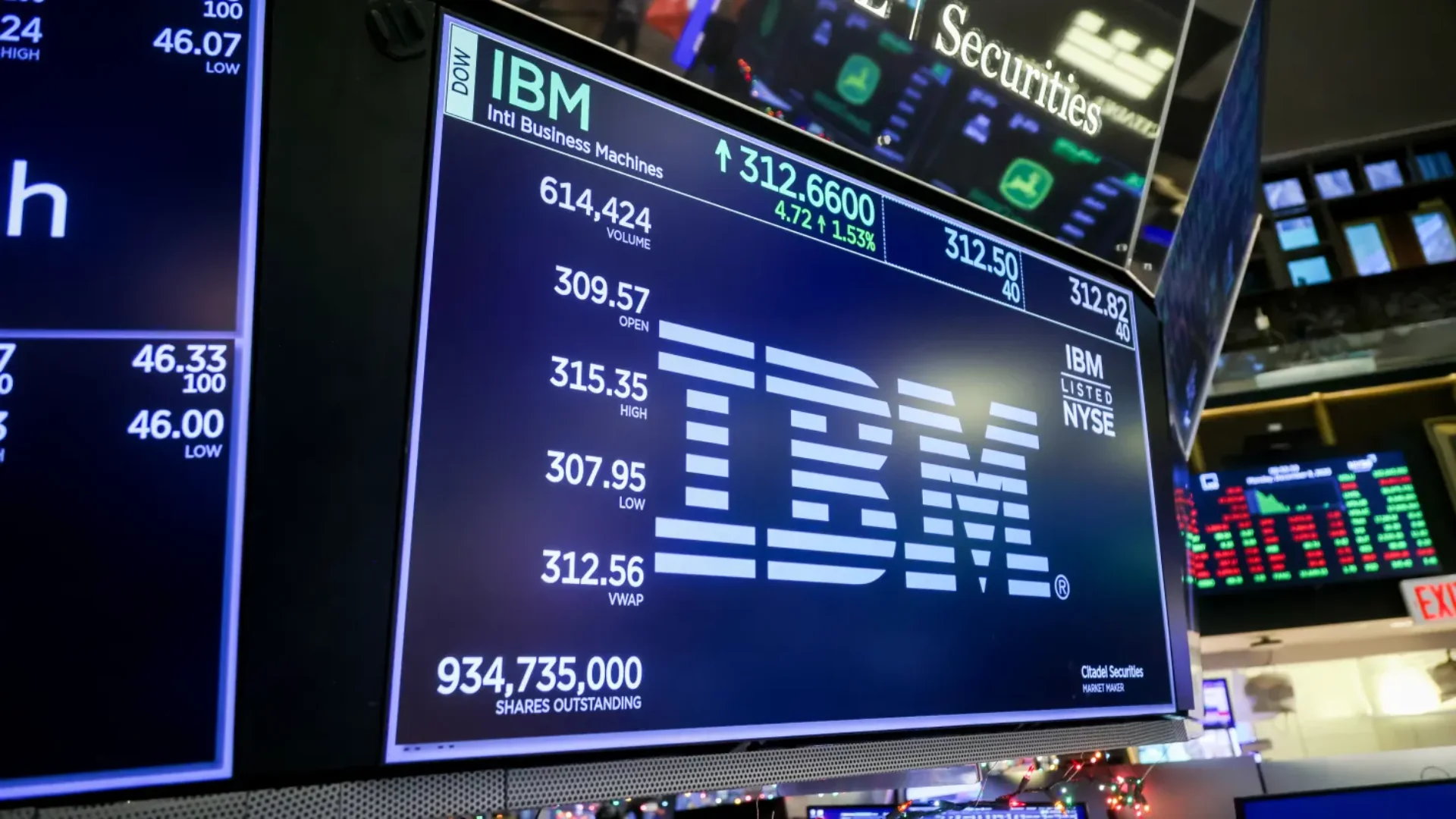
US Bets $2B on Quantum Computing With Equity Stakes
The U.S. CHIPS office announced $2.013 billion in quantum computing incentives across nine companies, including IBM and GlobalFoundries, with the government taking minority equity stakes under a new taxpayer-return model.
Comments (0)
Please sign in to join the discussion.
No comments yet.
Be the first to share your perspective on this topic.