

A 7,000-gallon tank of methyl methacrylate at an Orange County aerospace plant began overheating on the afternoon of May 21, triggering a four-day emergency that displaced up to 50,000 residents and forced incident commanders to describe a cracking tank as the best available outcome.
The Exothermic Loop That Makes MMA Storage a Latent Hazard
Methyl methacrylate is a volatile, highly flammable liquid monomer — the chemical precursor used to manufacture acrylic plastics and resins. It is stored in large quantities at industrial sites worldwide, and the chemistry of that storage creates a hazard distinct from ordinary flammability.
Under normal conditions, MMA is kept stable with inhibitor additives that suppress spontaneous polymerization. If the inhibitor is depleted, consumed by contamination, or thermally compromised, individual MMA molecules begin linking into polymer chains. That linking reaction is strongly exothermic: it releases heat. The released heat raises the temperature of the remaining monomer, which accelerates the rate of polymerization further — which releases more heat. The system enters a positive feedback loop with no self-limiting mechanism.
In a sealed tank, the consequence compounds rapidly. As the liquid heats, vapor pressure rises. Sustained high-rate polymerization drives internal pressure toward the structural limits of the container. The result is what engineers classify as a thermal runaway: a self-reinforcing cascade that, if not interrupted, can rupture the vessel violently. The following diagram shows how that feedback mechanism operates.
How the Garden Grove Incident Unfolded Over Four Days
The overheating event at the GKN Aerospace Transparency Systems plant in Garden Grove, California — roughly 38 miles south of Los Angeles in Orange County — began shortly after 3:00 PM on Thursday, May 21. The tank, holding approximately 7,000 gallons of MMA, began venting vapors, activating safety water sprinklers and drawing emergency responders.
Over the following two days, internal temperatures climbed from a baseline near 77°F. By Friday and into Saturday, readings had exceeded 100°F. Incident commanders expanded evacuation orders to a one-mile buffer zone, displacing up to 50,000 residents. The primary concern at that stage was not leakage but structural integrity: a sealed, pressurized tank containing a runaway exothermic reaction represents a potential explosive failure mode.
The situation changed overnight Saturday into Sunday. The tank structurally bulged and developed a crack. Emergency officials described the crack publicly as a best-case scenario — a slow physical breach relieves dangerous internal pressure and reduces the probability of a catastrophic rupture. Controlled release, however gradual and hazardous, is far preferable to an uncontrolled one.
By Monday, May 25, officials declared the threat of a catastrophic explosion effectively resolved. Internal temperatures had dropped to 93°F. Evacuation zones were reduced by 65%, though thousands of residents remained displaced while liquid containment barriers were completed around affected areas to prevent MMA from reaching storm drains and downstream waterways. The timeline below charts how the threat level evolved across those four days.
What Historical Precedent Reveals About MMA Runaway Events
The Garden Grove incident was not the first time an MMA runaway threatened a populated area with a force well beyond ordinary chemical leakage. In October 2009, an uncontrolled MMA polymerization reaction at a resin manufacturing facility in the United Kingdom destroyed the factory entirely and blew out windows in structures 600 feet away, as documented in the original chemistry commentary at Science.org. That precedent shapes how seriously industrial chemists treat MMA storage failures.
Several hazard parameters define why these events are categorically different from ordinary flammable-liquid incidents. MMA vapor is a severe irritant to the respiratory tract, skin, and eyes — inhalation causes chest tightness, coughing, headaches, and pronounced fatigue even at sub-explosive concentrations. A large liquid release carries separate environmental risk: MMA flowing into storm drains or river channels causes heavy damage to aquatic ecosystems. The combination of vapor toxicity, explosion potential, and liquid contamination risk explains both the scale of the evacuation order and the priority placed on liquid containment barriers even after the explosion threat subsided.
The incident also illustrates a specific design tension in industrial chemical storage: the measures that contain a spill — a sealed, robust tank — are precisely the measures that amplify the explosion risk if polymerization begins. A slow structural breach, despite releasing hazardous material, may be the least dangerous outcome available to incident commanders once a runaway is underway. The following cards summarize the key quantitative parameters that defined the Garden Grove event and its closest historical comparator.
The initiating cause of the Garden Grove overheating — whether inhibitor depletion, contamination, or another trigger — was not confirmed in publicly available incident reporting at the time of writing. That determination will shape what regulatory and operational changes follow at industrial sites storing large volumes of vinyl monomers in the western United States.
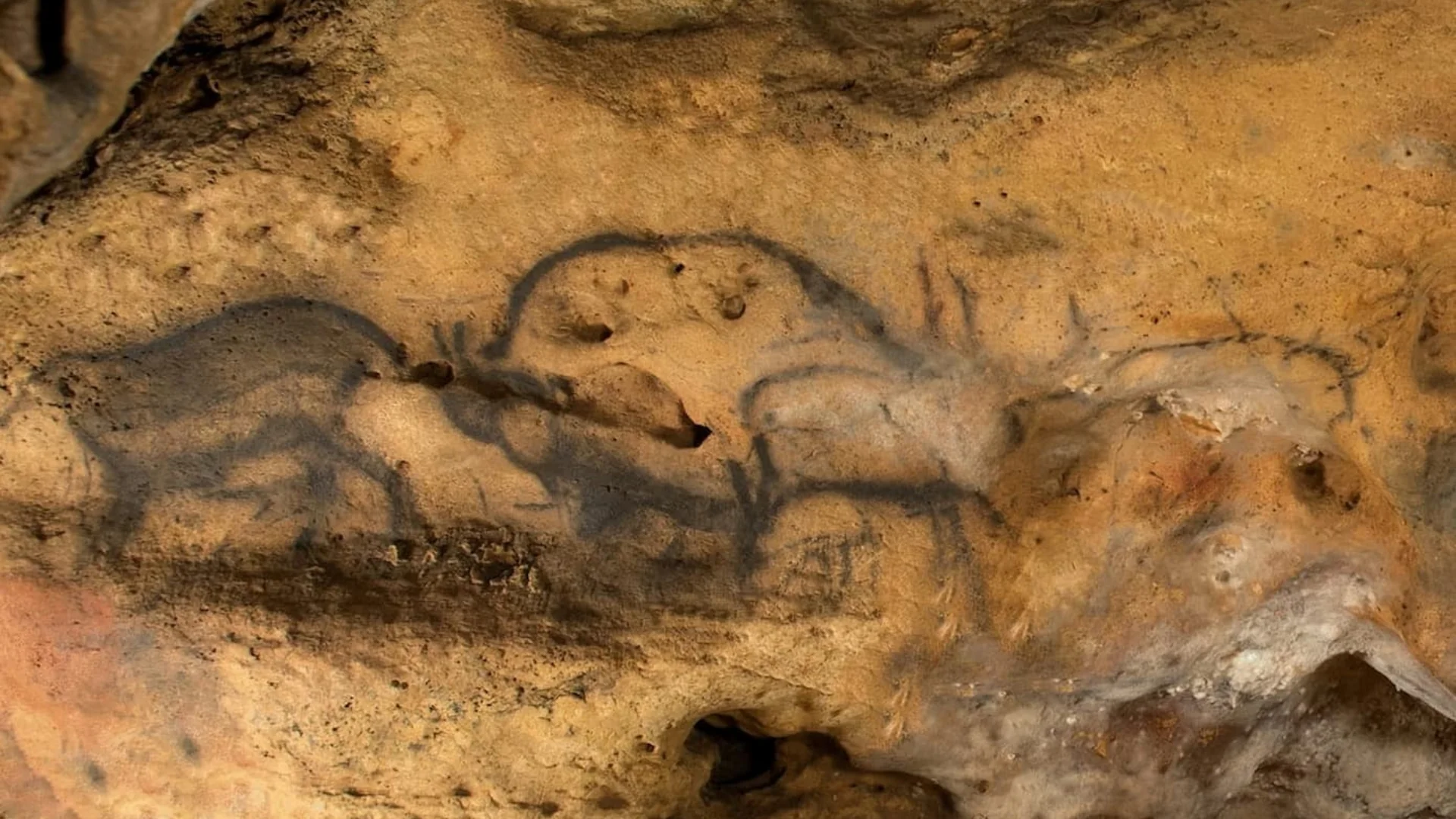
Font-de-Gaume Cave Art Gets Its First Confirmed Radiocarbon Dates
Chemical imaging found charcoal pigment in Font-de-Gaume cave art, letting scientists radiocarbon-date a bison and mask, confirming their Paleolithic age.
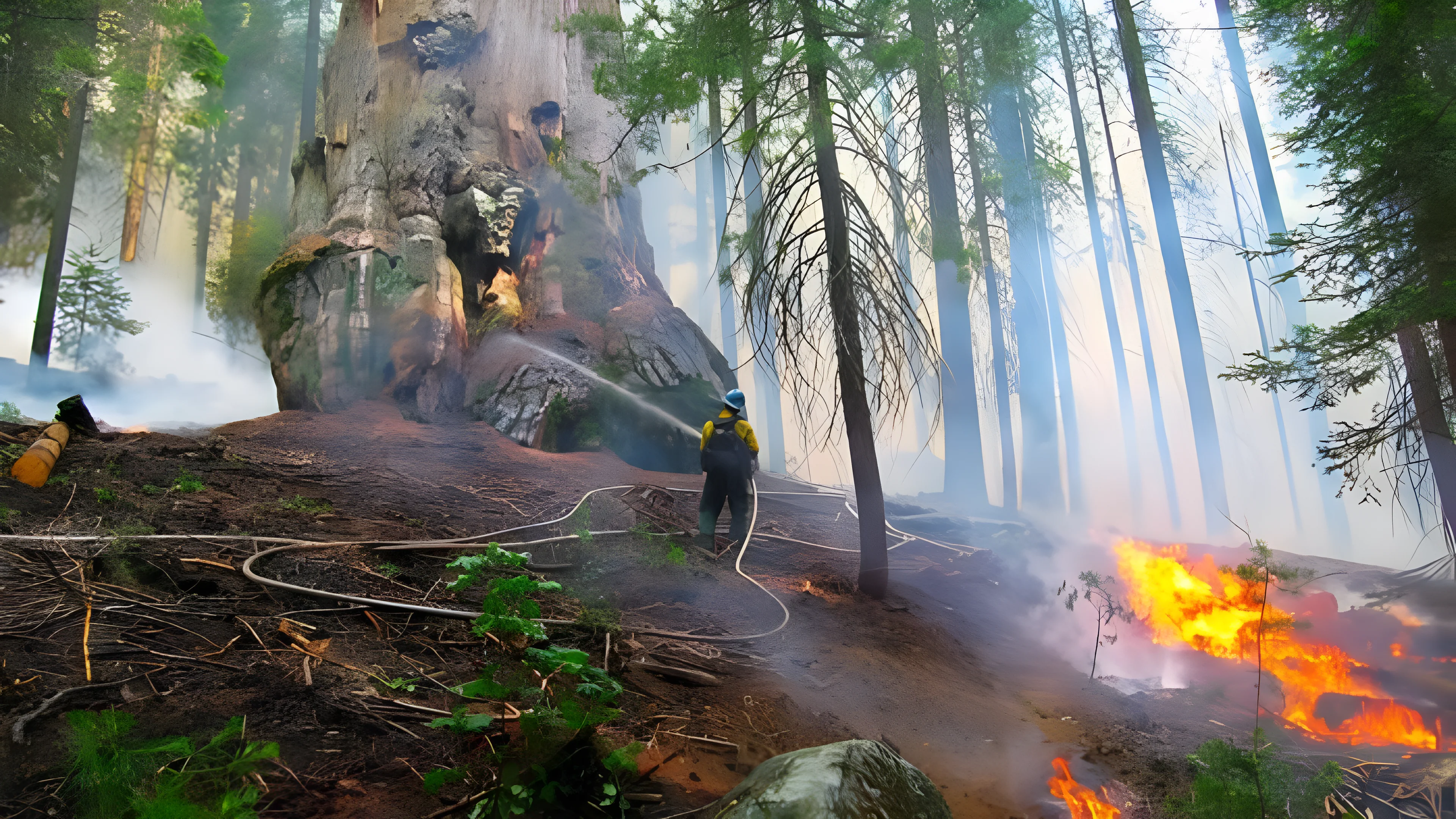
Prescribed Burns Cut Giant Sequoia Wildfire Deaths by 77%, Study Finds
A Nature Communications study of 26,403 giant sequoias found prescribed fire cut wildfire mortality odds 77%, already saving nearly 1,900 ancient trees.

Three Venus Rift Valleys May Be Tectonically Active Today
New 3D models of Venus rifts show extension rates of 3–10 cm/yr; wide flank uplifts at Dali, Ganis and Devana Chasmata suggest active rifting, a new study finds.

New Antiviral GHP-88310 Blocks Airborne Measles-Like Transmission in Ferret Study
GHP-88310, an oral antiviral, blocked airborne CDV spread in ferrets and cut sources' contagious period by 5 days, a new Nature Microbiology study finds.
Comments (0)
Please sign in to join the discussion.
No comments yet.
Be the first to share your perspective on this topic.