
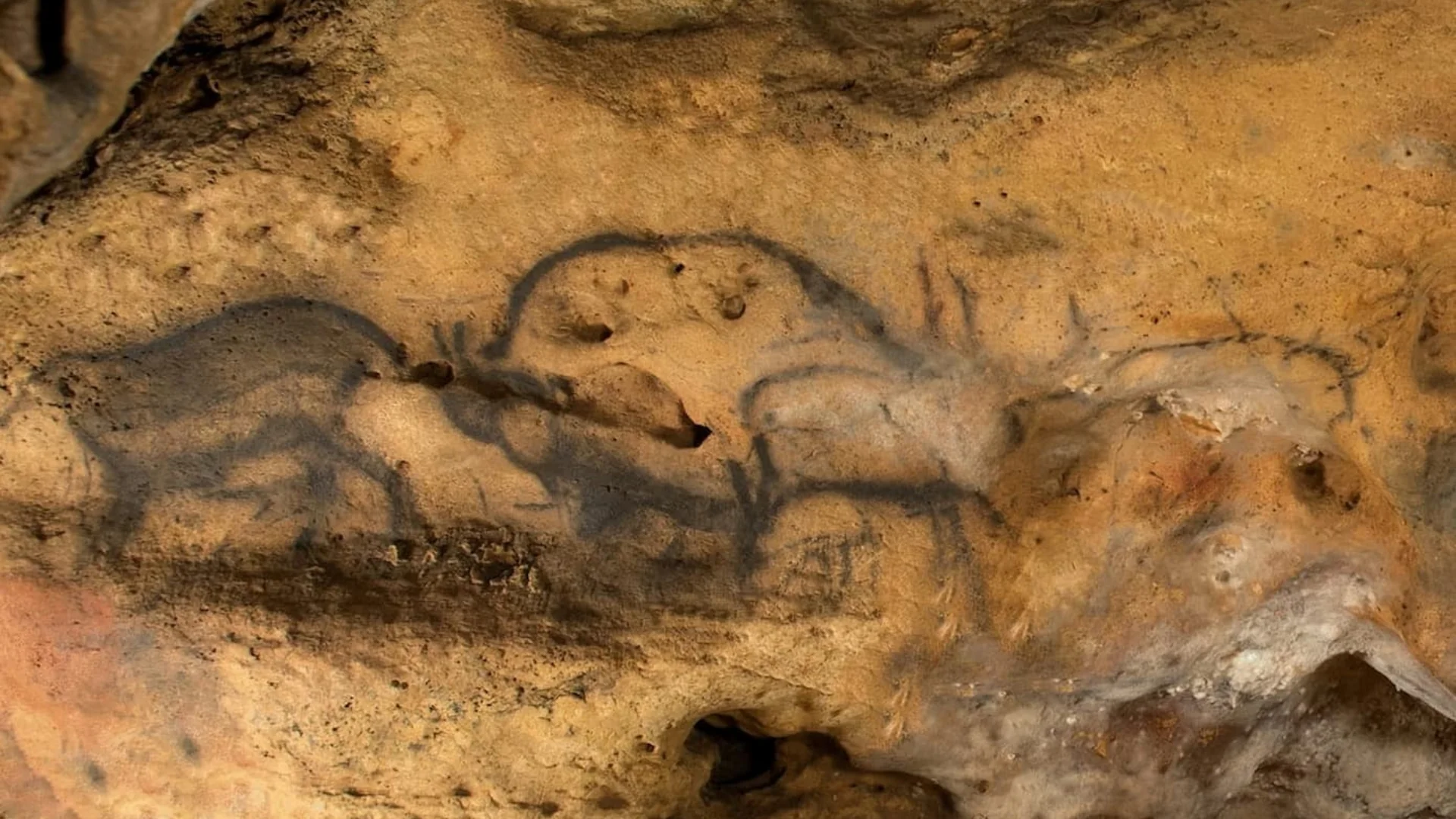
Researchers have directly radiocarbon-dated Paleolithic cave paintings in France's Dordogne region for the first time, after chemical imaging revealed that some of the black figures at Font-de-Gaume were drawn with charcoal rather than mineral pigment.
Charcoal Traces Found Inside Font-de-Gaume's Black Figures
Cave art in the Dordogne, including at Lascaux, was long assumed to rely entirely on mineral-based coloring matter — iron and manganese oxides that contain no carbon and therefore cannot be dated with radiocarbon methods. According to the PNAS study, no prior research had actually confirmed that carbon was absent; it was an assumption rather than a tested fact.
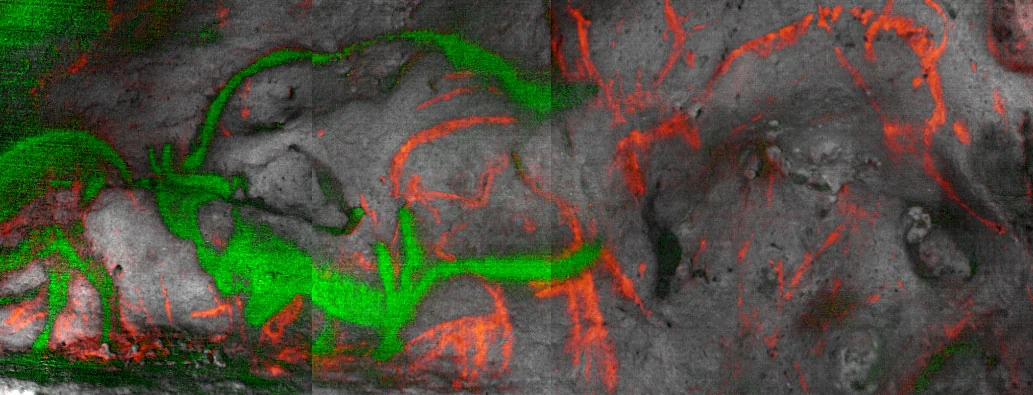
That assumption began to break down in 2023, when the same research group first identified carbon-black figures inside the Font-de-Gaume galleries, a UNESCO World Heritage cave in Les Eyzies. The new study picked up from there, using Reflectance Imaging Spectroscopy and Raman microspectrometry to noninvasively map pigment chemistry across the cave's figures. The Archaeology magazine account of the imaging work describes how these techniques let the team tell carbon-black and manganese-oxide-black apart without touching the art, and confirmed that charcoal traces ran uniformly through the black lines — a pattern the researchers say rules out later contamination from graffiti or tourist activity. That distinction is what made destructive microsampling, and therefore dating, possible at all. The sequence below shows how each step depended on the one before it.
Four Radiocarbon Dates Place the Bison and Mask in the Late Paleolithic
Two figures were selected for destructive sampling: the Bison, catalogued as HB15/GPCarG-006, in the public part of the cave, and a Mask — a human or animal face — in a remote section of the lateral gallery. Because the mask spans multiple painted elements, the team dated three separate points on it: the left eye, the upper lip, and the lower lip. The phys.org summary of the results reports that three of the four dates cluster in a range consistent with known Paleolithic activity in the region, while one — the mask's left eye — comes back thousands of years younger than the rest.
The Numbers Behind the Result
One Date Doesn't Fit, and the Study Says So
The researchers are direct about the mismatch: they describe the results as confirming the Paleolithic age of the cave art "except for one date." The mask's left eye, at 8,993–8,590 calBP, is thousands of years younger than the upper and lower lip on the same figure. The paper does not resolve why, though it flags the same limitation that makes any parietal dating difficult in the first place — the sample matter available is minimal, and contamination from other carbon sources already present in a cave environment is hard to fully exclude. Rather than discard the discrepancy, the study treats it as a marker of how much care this kind of dating still requires, even once the chemistry has confirmed which pigments are datable at all.
That caution matters beyond this one cave. The same combination of noninvasive chemical screening followed by minimal destructive sampling is the same basic logic behind how researchers pinned down the age of fossil bird bones on the other side of the world and how ancient DNA has been used to date remains from a different prehistoric population: confirm what a fragile trace of material actually is before trying to extract a date from it. For the Dordogne specifically, the study's authors say the same imaging approach can now be applied more broadly, opening the possibility of directly dating parietal art elsewhere in the region for the first time — including sites where, until now, dating has relied entirely on indirect methods like stylistic comparison or the archaeological layers found nearby.
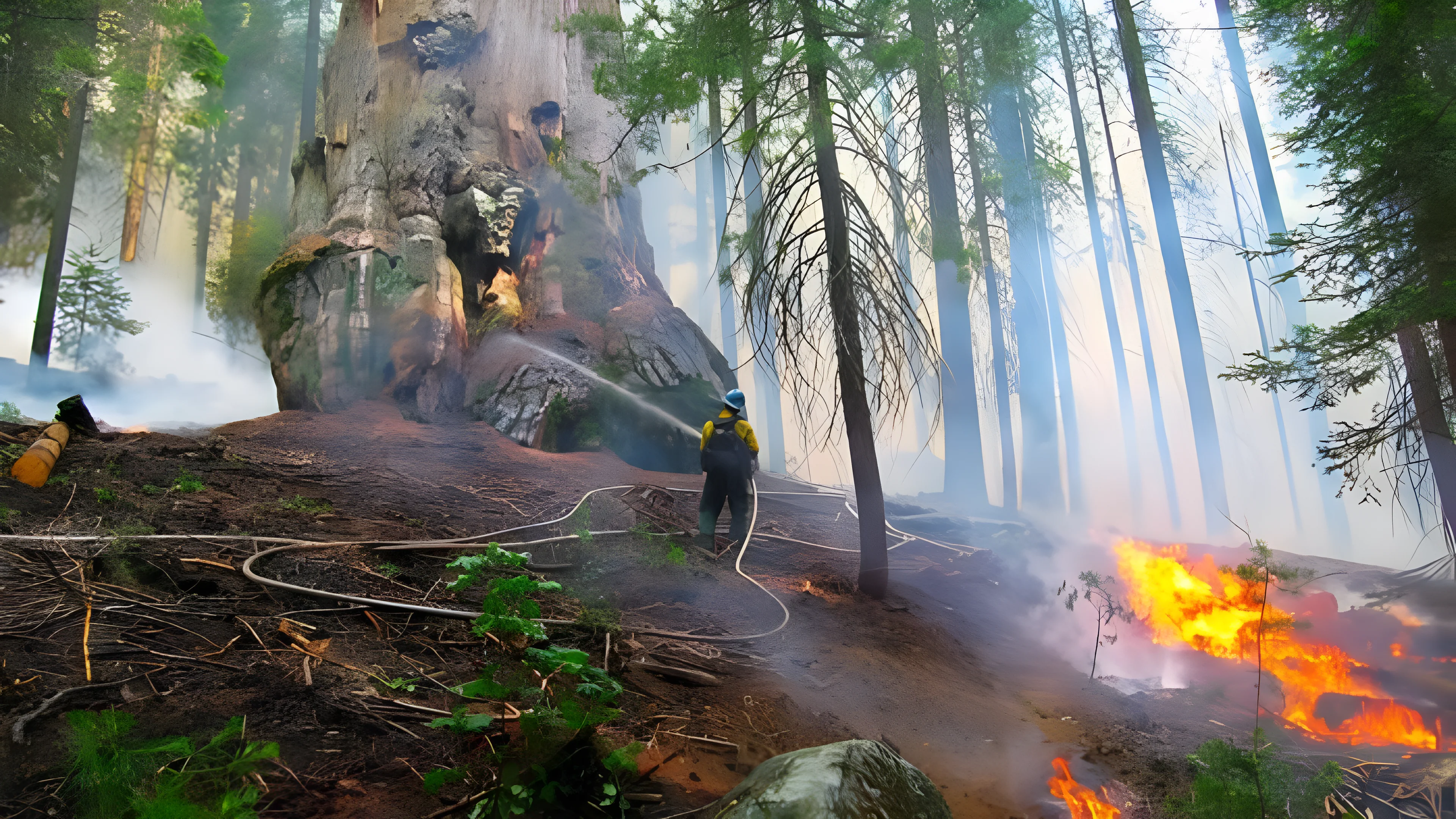
Prescribed Burns Cut Giant Sequoia Wildfire Deaths by 77%, Study Finds
A Nature Communications study of 26,403 giant sequoias found prescribed fire cut wildfire mortality odds 77%, already saving nearly 1,900 ancient trees.

Three Venus Rift Valleys May Be Tectonically Active Today
New 3D models of Venus rifts show extension rates of 3–10 cm/yr; wide flank uplifts at Dali, Ganis and Devana Chasmata suggest active rifting, a new study finds.

New Antiviral GHP-88310 Blocks Airborne Measles-Like Transmission in Ferret Study
GHP-88310, an oral antiviral, blocked airborne CDV spread in ferrets and cut sources' contagious period by 5 days, a new Nature Microbiology study finds.
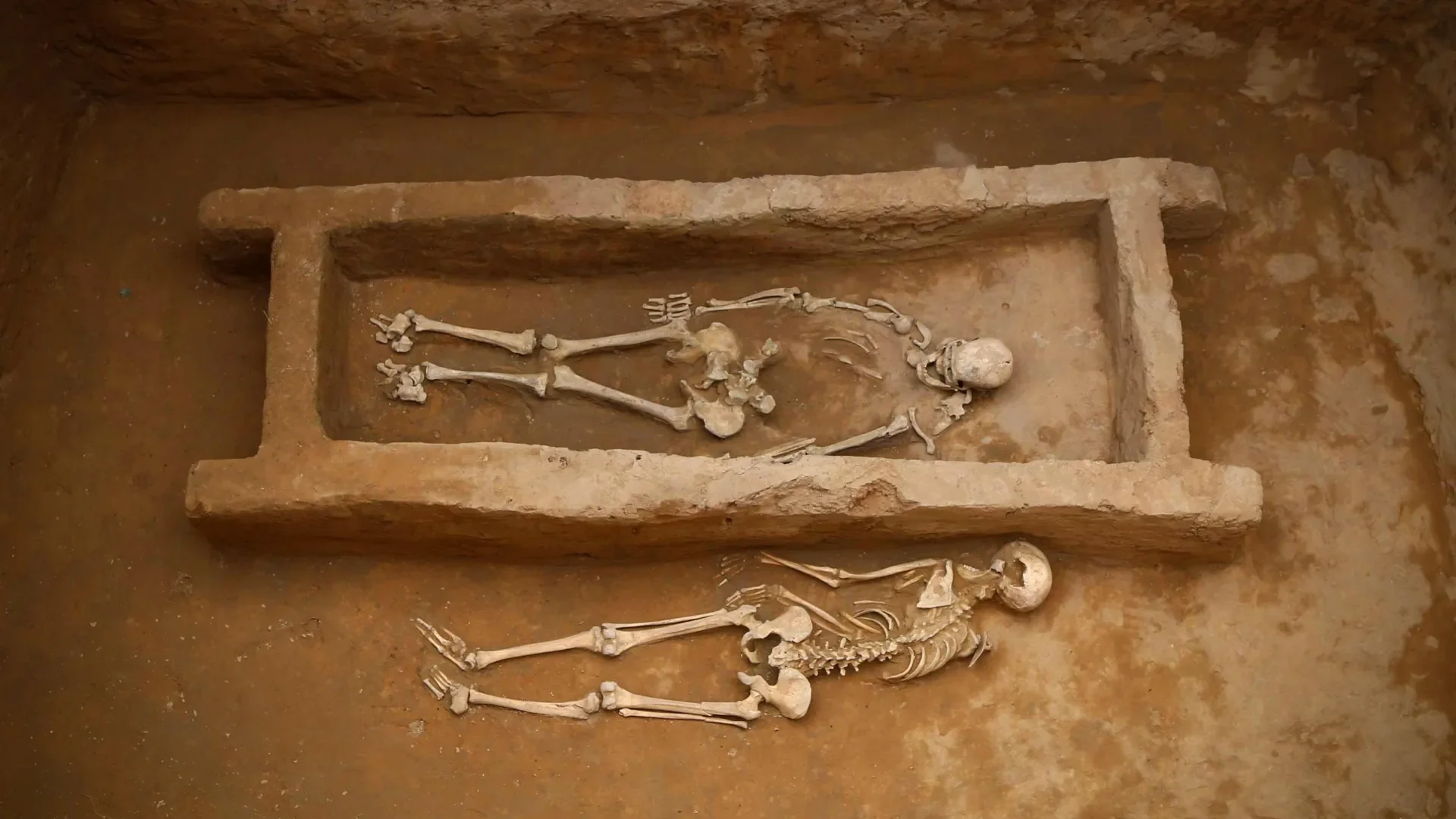
Ancient DNA Overturns Assumptions About Who Was Sacrificed at Shimao
Ancient DNA from 144 Neolithic Shimao burials shows nine of ten East Gate sacrifice victims were male, reversing earlier morphology-based assumptions.
Comments (0)
Please sign in to join the discussion.
No comments yet.
Be the first to share your perspective on this topic.