
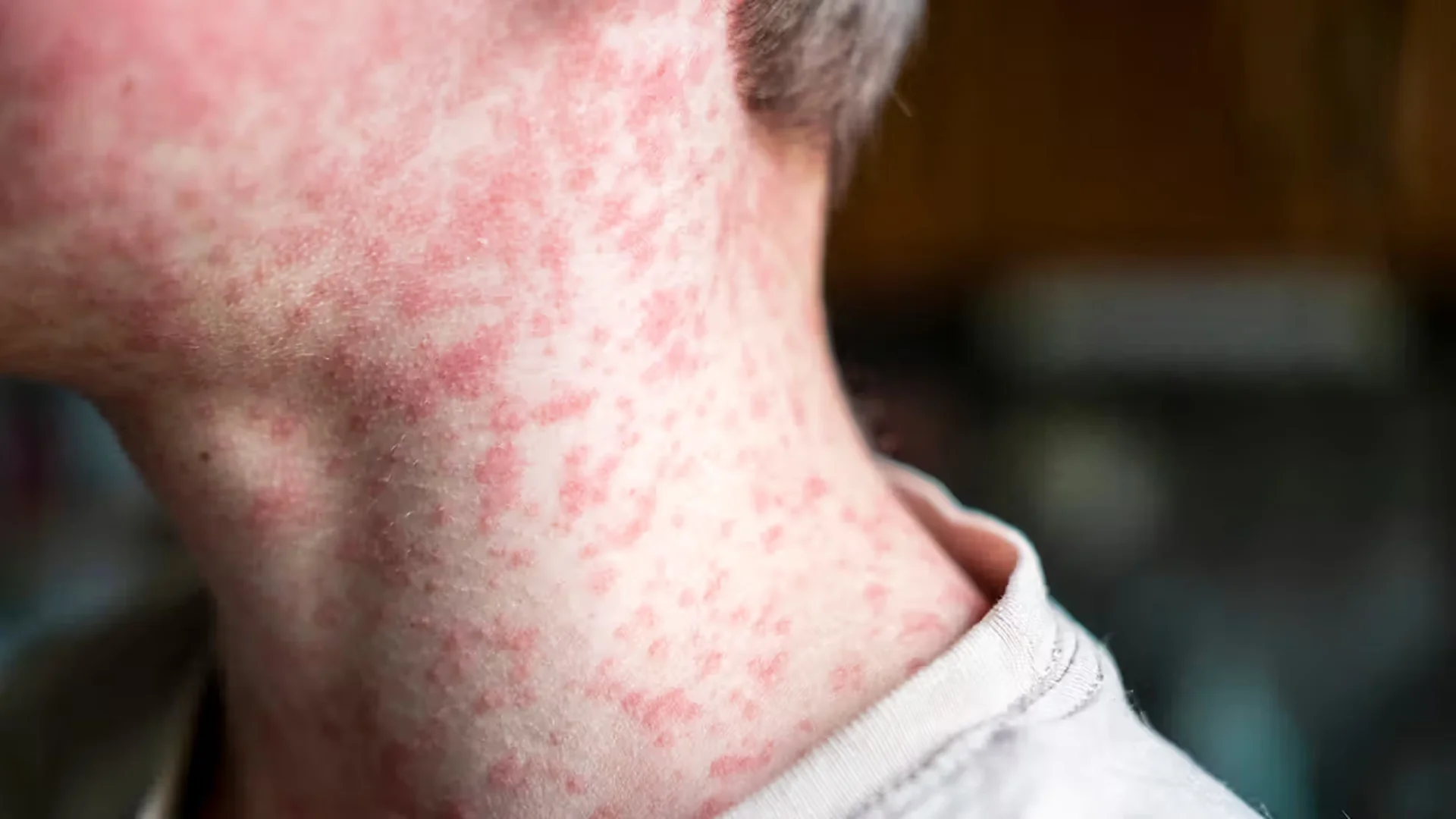
An oral antiviral candidate stopped a measles-like virus from spreading between ferrets through the air, according to a study in Nature Microbiology. The drug, GHP-88310, also shortened how long infected animals remained contagious to others.
Prophylactic GHP-88310 Fully Blocks Airborne CDV Transmission in Ferrets
The measles virus has no animal reservoir, so researchers at Georgia State University's Center for Translational Antiviral Research used canine distemper virus (CDV), a close relative that causes measles-like disease in ferrets and is more lethal than measles in humans. Untreated ferrets that inhaled the virus from an infected cagemate died with a median survival of 21 days.
Against that backdrop, the team tested four ways of dosing contact animals with GHP-88310: starting before exposure, starting three days after exposure, starting six days after exposure once symptoms had begun, and a lower once-daily dose given before exposure. Every animal in every treated group survived. Contacts that received the high twice-daily dose before or shortly after exposure never developed detectable virus in blood or nasal secretions and remained immunologically naive to CDV, meaning the drug fully intercepted infection rather than just softening its course. Animals on the lower once-daily dose survived too, but some developed transient, low-level infection and went on to produce neutralizing antibodies — a milder but still protective outcome.
d.p.c. = days post-contact. All treated arms reached full survival; the distinction between regimens lay in whether animals stayed virus-naive (high-dose b.i.d.) or developed mild transient infection before clearing it (low-dose q.d.).
GHP-88310 Outperforms Earlier Compound GHP-88309 in Direct-Contact Protection
Before testing airborne spread, the researchers checked direct-contact transmission — sentinel ferrets sharing a cage with an infected source, mimicking household exposure. Untreated sentinels all died. Sentinels given the earlier compound in this drug family, GHP-88309, at its highest tolerated dose fared better but not fully: the drug delayed and softened symptoms, yet all animals still became infected and two of three eventually died, with a median survival of 32 days among that group. By contrast, every sentinel given GHP-88310 at a matched-exposure dose stayed disease-free for the study's duration, with no detectable virus in blood or nasal secretions.
The gap matters because GHP-88309 had already shown pharmacological promise against several related viruses in earlier work, but its performance here resembled that of a structurally unrelated, older polymerase inhibitor the same lab had tested previously — both fell short of preventing infection outright when used prophylactically. GHP-88310 is a synthetically modified analog developed specifically to close that gap.
A Wider Tolerability Margin Clears a Path Toward Human Testing
A drug that blocks transmission in ferrets is only useful if humans, especially children, can tolerate a clinically meaningful dose. That is where GHP-88309, the earlier compound, ran into trouble: a companion study in Science Advances found its tolerability ceiling in higher mammals was 50 mg/kg twice daily, uncomfortably close to the lowest dose that still worked against the virus. GHP-88310 was engineered specifically to widen that margin. In seven-day multi-dose tolerability testing, doses up to 2,000 mg/kg per day were well tolerated. Single-ascending-dose testing in beagle dogs — the standard nonrodent species used to support investigational new drug applications — showed plasma exposure rising roughly in proportion to dose across 50, 150, and 500 mg/kg, without adverse signs or weight loss at any level.
The two figures aren't drawn from identical dosing schedules — one is a daily-dose ceiling, the other a single-dose range — so they shouldn't be read as a single fold-change. What they show together is that the tolerability ceiling moved from a level close to the effective dose to one well above the doses used for full protection in the transmission study.
Treating Infected Source Animals Narrows the Window of Contagiousness
The study's final experiment asked a different question: instead of protecting exposed contacts, could treating the infected animal itself shorten how long it stayed dangerous to others? Researchers gave infected source ferrets GHP-88310 starting at 4, 6, or 8 days post-infection, timed to fever onset, rash onset, or shortly after. All animals treated at 4 or 6 days post-infection survived and showed only brief, low-level viraemia. In the group started at 8 days, one of three still died, marking the outer edge of the treatable window — roughly two days past first symptoms, closing once viraemia peaked near the onset of rash.
Contacts and cagemates of the treated sources told the more striking story: none developed any sign of infection, and all remained immunologically naive to CDV. Cagemates of the untreated source, by contrast, died on schedule, confirming that transmission had proceeded normally in that arm. Treating the source, not just the contact, shortened the contagious period enough to break the chain of spread — by the researchers' estimate, by about 5 days compared with untreated infection.
What the Findings Do Not Yet Show
The entire dataset comes from canine distemper virus in ferrets, a deliberately chosen stand-in because measles virus has no animal host outside humans. The same lab previously showed that a related, older compound worked against a clinical measles isolate in non-human primates, which is the closest existing evidence that the ferret model translates — but GHP-88310 itself has not yet been tested directly against measles virus in vivo. Human pharmacokinetics, tolerability, and real-world patient compliance are also unknown. The paper's authors disclose a competing interest: two of them are named on a patent filing covering GHP-88310, and the work was funded by U.S. National Institutes of Health grants.
Set against a 2025 measles resurgence that produced the largest U.S. outbreak in decades, and a record case count across Europe tied to falling vaccination rates, the appeal of a stockpile-stable oral drug is clear. Whether GHP-88310 can repeat this performance against measles virus itself, in people, is the next test.
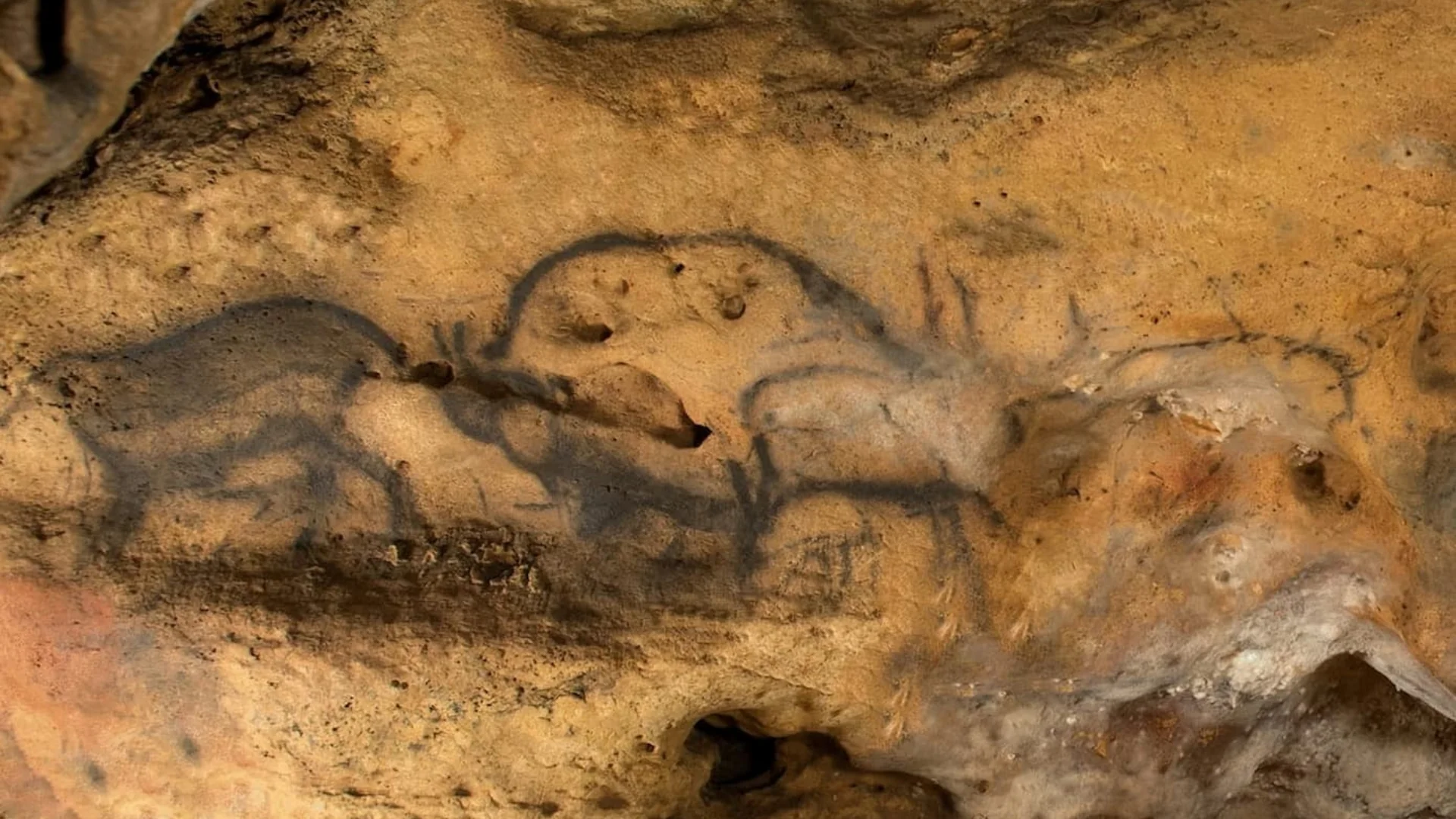
Font-de-Gaume Cave Art Gets Its First Confirmed Radiocarbon Dates
Chemical imaging found charcoal pigment in Font-de-Gaume cave art, letting scientists radiocarbon-date a bison and mask, confirming their Paleolithic age.
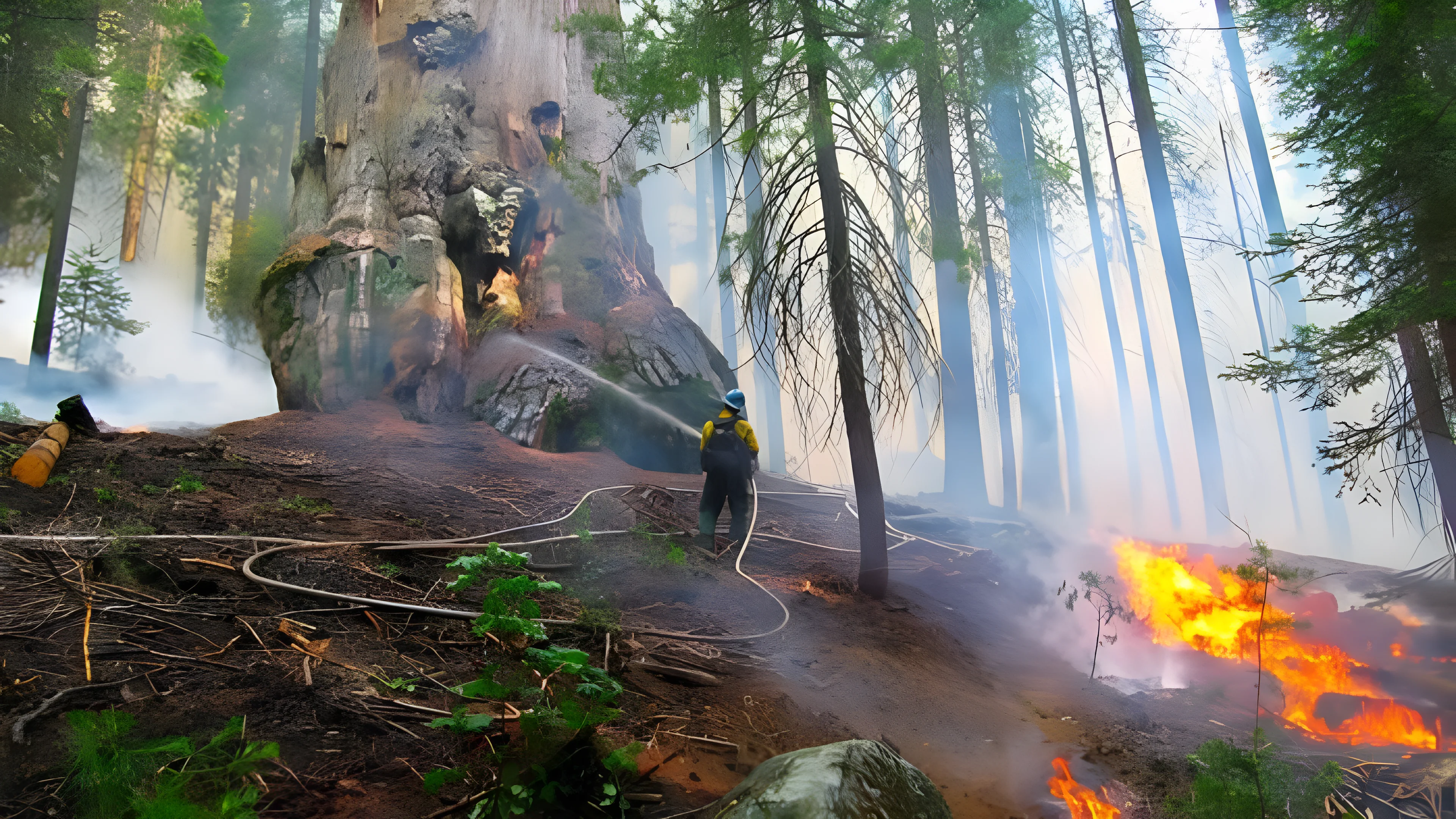
Prescribed Burns Cut Giant Sequoia Wildfire Deaths by 77%, Study Finds
A Nature Communications study of 26,403 giant sequoias found prescribed fire cut wildfire mortality odds 77%, already saving nearly 1,900 ancient trees.

Three Venus Rift Valleys May Be Tectonically Active Today
New 3D models of Venus rifts show extension rates of 3–10 cm/yr; wide flank uplifts at Dali, Ganis and Devana Chasmata suggest active rifting, a new study finds.

Ancient DNA Overturns Assumptions About Who Was Sacrificed at Shimao
Ancient DNA from 144 Neolithic Shimao burials shows nine of ten East Gate sacrifice victims were male, reversing earlier morphology-based assumptions.
Comments (0)
Please sign in to join the discussion.
No comments yet.
Be the first to share your perspective on this topic.