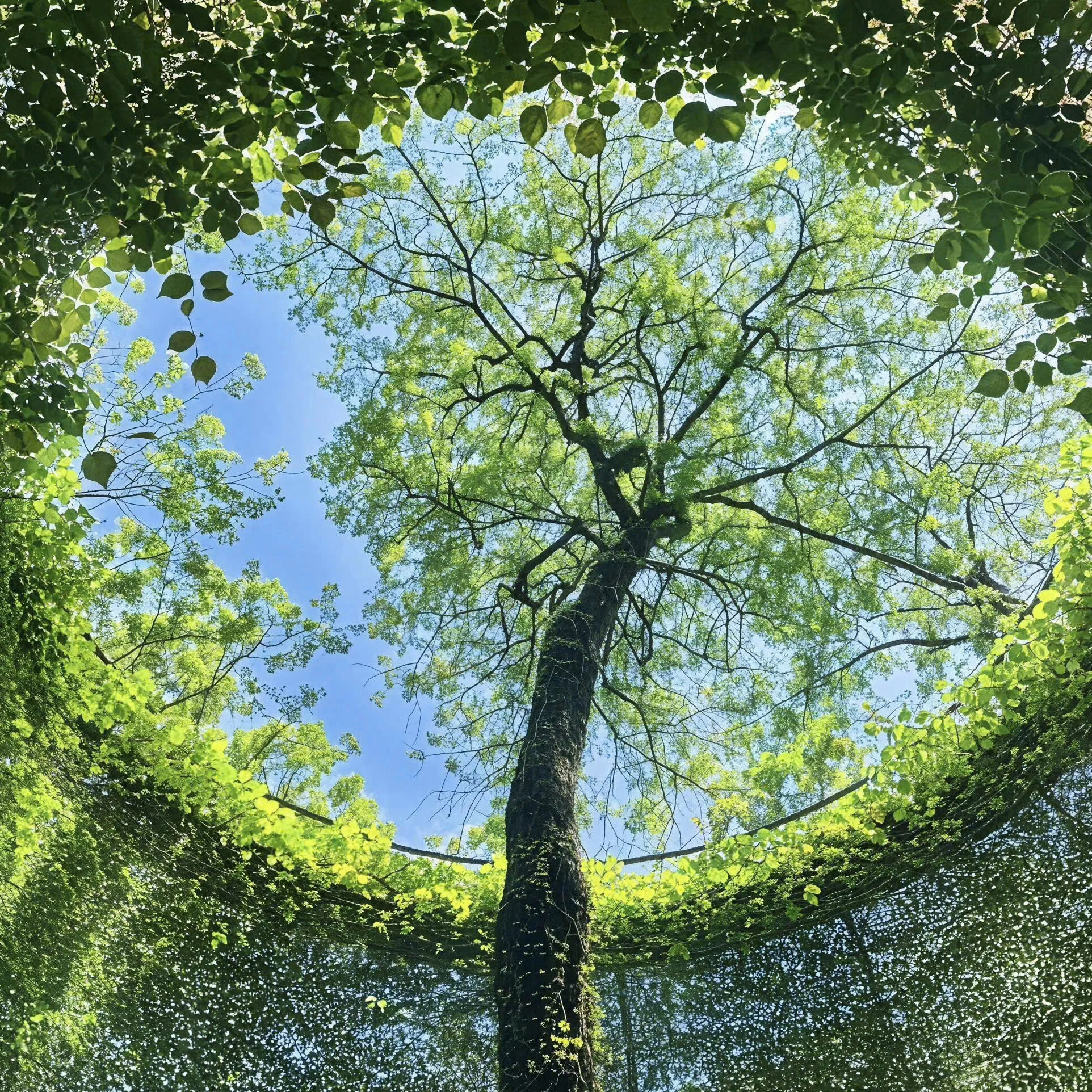
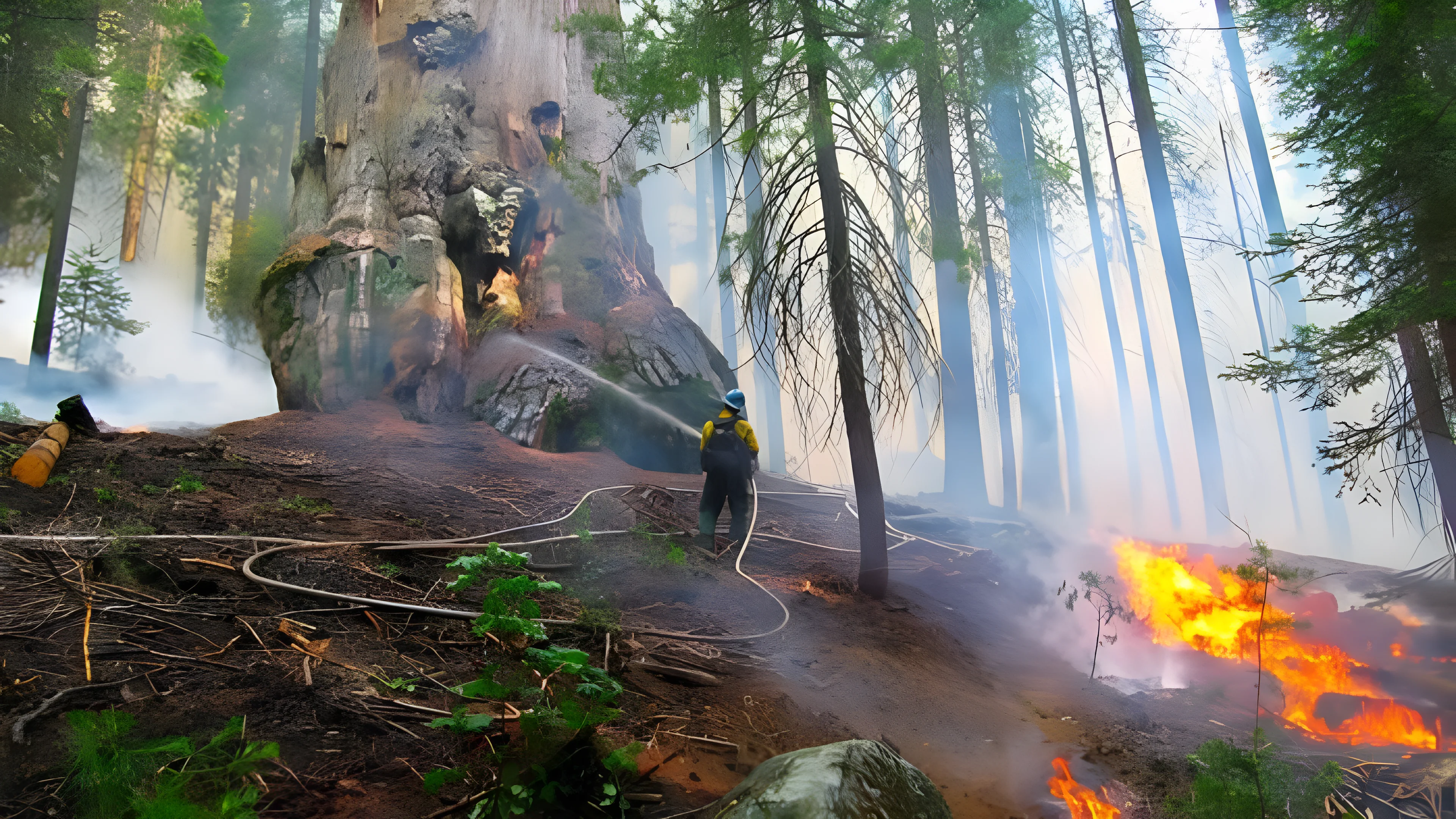
A Bayesian analysis of 26,403 giant sequoias in California's Sierra Nevada finds that groves treated with prescribed fire in the prior decade were far more likely to survive the record 2020 and 2021 wildfires than untreated stands nearby.
Nearly One in Three Assessed Sequoias Died in the 2020–2021 Fires
The peer-reviewed study, led by researchers at UC Davis with the U.S. Geological Survey and Sequoia and Kings Canyon National Parks, mapped mortality across 19 groves following the 2020 Castle Fire and the 2021 KNP Complex Fire. The team combined 3-meter PlanetScope satellite imagery, airborne lidar, and field observations in a deep learning classifier, then ran the results through a Bayesian statistical framework to estimate deaths with formal uncertainty bounds rather than a single point count.
The result: an estimated 7,974 sequoia deaths among the trees assessed, a 30.2% mortality rate. Giant sequoias can live more than 3,000 years and are among the most fire-adapted trees on Earth, which is why researchers described losses at this scale, concentrated in just two fire seasons, as unprecedented in the species' known history.
Prescribed Fire Cut Mortality Odds by 77 Percent
The study's central comparison is between sequoias in groves burned within the prior 10 years and those in groves that had gone without fire, in some cases for more than a century. The UC Davis account of the research notes that this contrast exists because Sequoia and Kings Canyon National Parks have run one of the country's longest-standing prescribed-burn programs, treating groves since the 1960s and unintentionally creating a landscape-scale natural experiment in fire history.
Statistically, prescribed fire in the prior decade reduced the odds of mortality by 77%, with a 95% credible interval of 69% to 83%, making treated trees nearly four times more likely to survive than untreated trees in the same groves. Dixon said prescribed burns remain effective "even for today's extreme wildfires," and called the practice an essential tool for managers focused on protecting the species.
What Broader Prescribed-Burn Coverage Could Still Add
Beyond describing what happened, the researchers ran counterfactual simulations to separate two things: how many sequoias existing burn treatments already saved, and how many more could be saved if every grove had been treated. NASA's summary of the federally funded research frames the study as evidence that scalable remote sensing can now quantify a forest-management benefit that was previously argued mostly from anecdote.
The model attributes at least 1,888 avoided deaths to burns already carried out. It separately estimates that treating every grove — full, universal coverage — could have prevented an additional 3,888 deaths beyond that. The second figure is a modeled projection, not an observed outcome, and the study reports it with a wider credible interval to reflect that added uncertainty. Independent coverage of the findings notes the results arrive as California continues expanding the pace and scale of its prescribed-burn and fuel-thinning programs, though the study itself does not make policy recommendations beyond the parks system it examined.
The findings are specific to the 19 groves examined in Sequoia and Kings Canyon National Parks and rest on a Bayesian model rather than a randomized trial, so the size of the effect could vary in groves with different terrain, fuel loads, or fire histories. Within that scope, the study offers one of the more direct quantitative links yet reported between a specific forest-management action and old-growth survival during extreme wildfire.
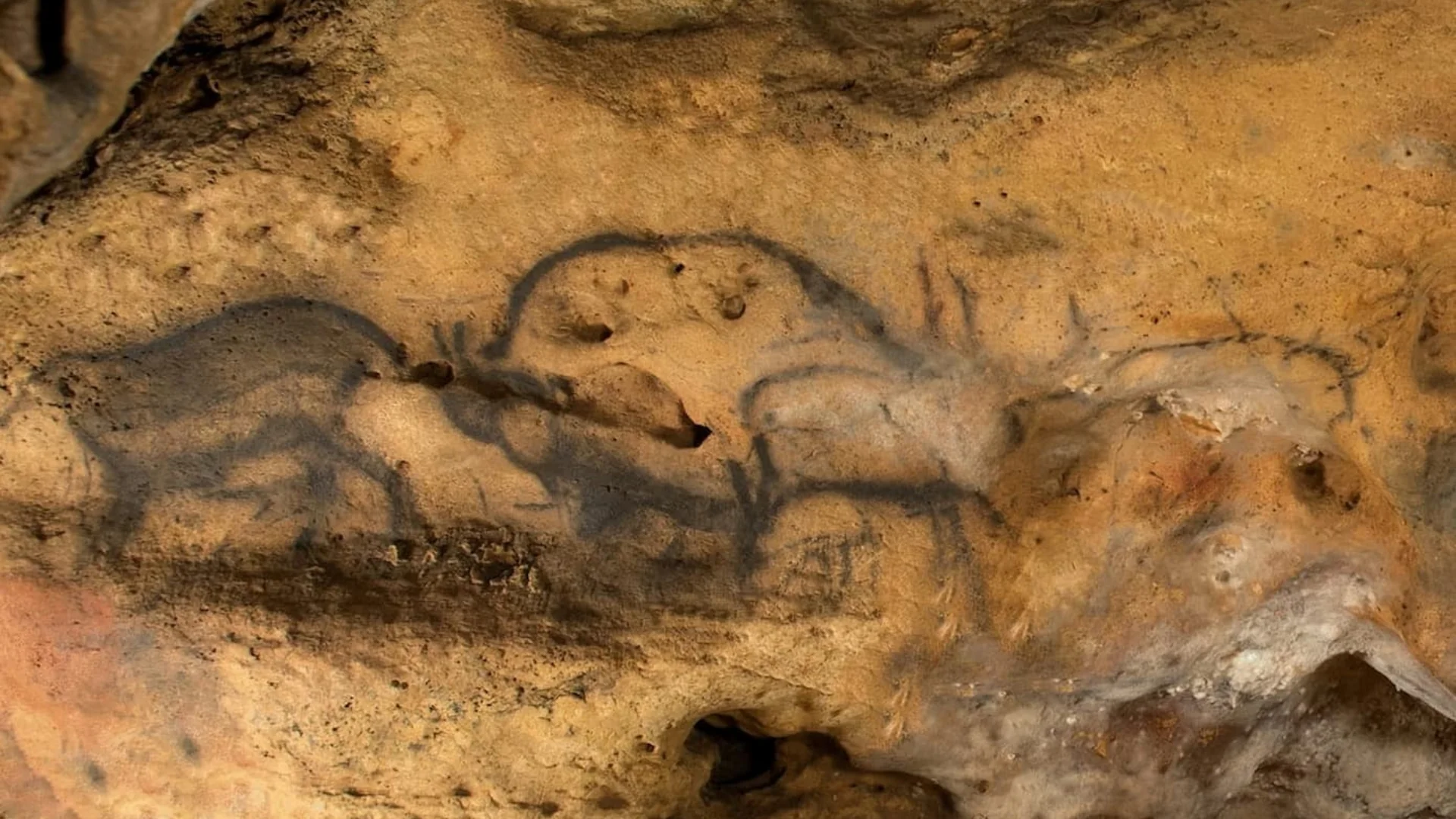
Font-de-Gaume Cave Art Gets Its First Confirmed Radiocarbon Dates
Chemical imaging found charcoal pigment in Font-de-Gaume cave art, letting scientists radiocarbon-date a bison and mask, confirming their Paleolithic age.

Three Venus Rift Valleys May Be Tectonically Active Today
New 3D models of Venus rifts show extension rates of 3–10 cm/yr; wide flank uplifts at Dali, Ganis and Devana Chasmata suggest active rifting, a new study finds.
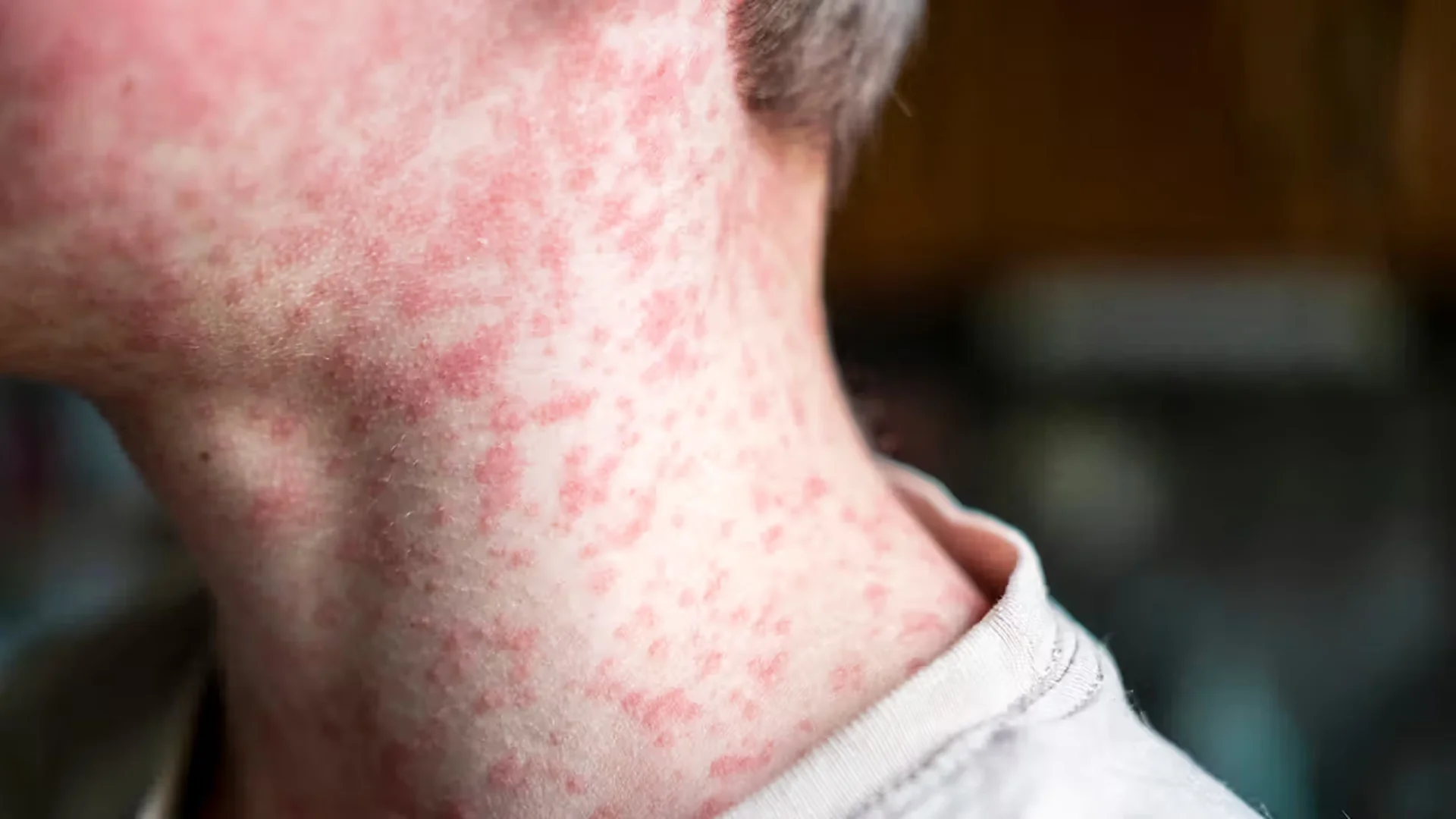
New Antiviral GHP-88310 Blocks Airborne Measles-Like Transmission in Ferret Study
GHP-88310, an oral antiviral, blocked airborne CDV spread in ferrets and cut sources' contagious period by 5 days, a new Nature Microbiology study finds.
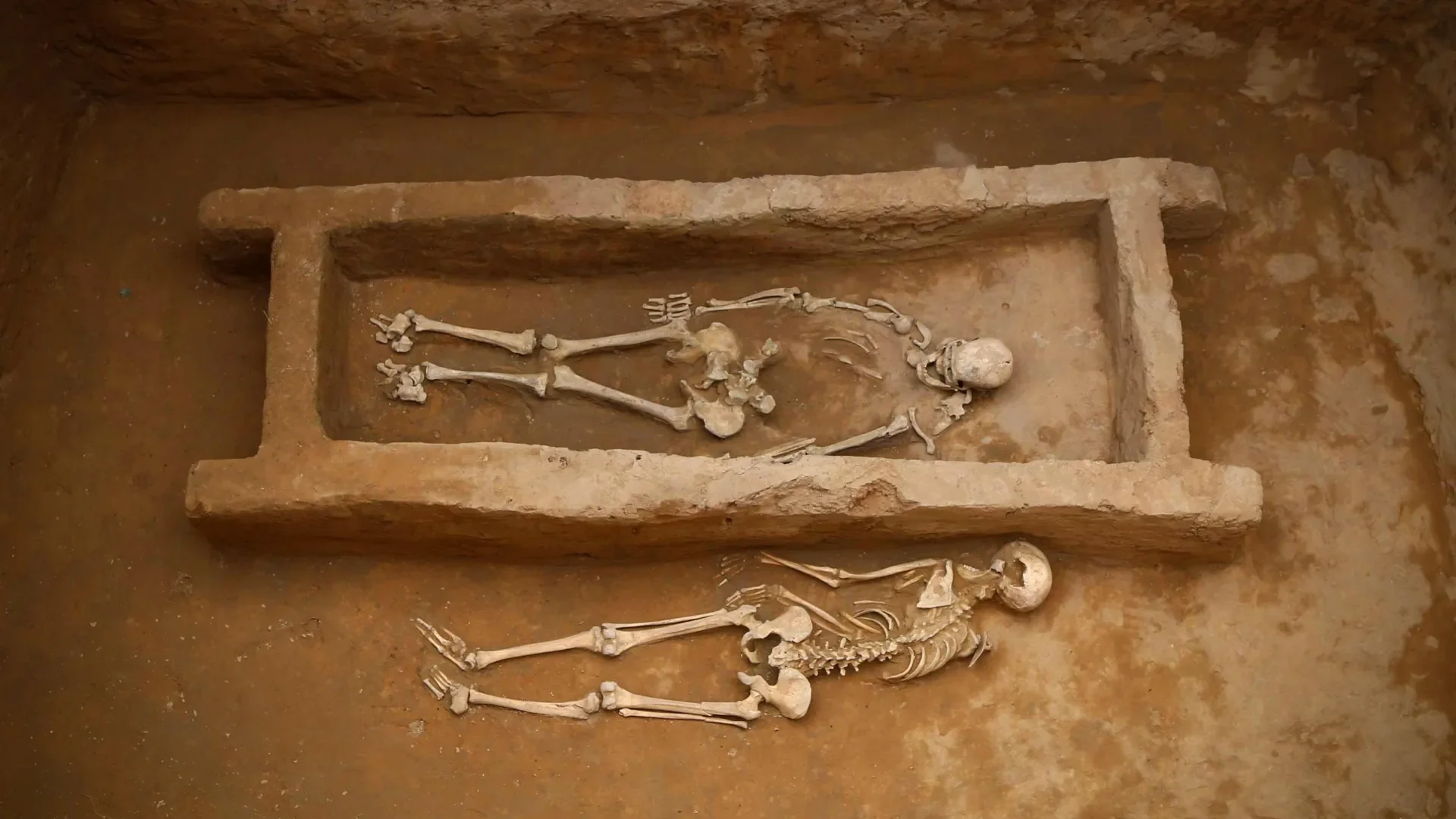
Ancient DNA Overturns Assumptions About Who Was Sacrificed at Shimao
Ancient DNA from 144 Neolithic Shimao burials shows nine of ten East Gate sacrifice victims were male, reversing earlier morphology-based assumptions.
Comments (0)
Please sign in to join the discussion.
No comments yet.
Be the first to share your perspective on this topic.