
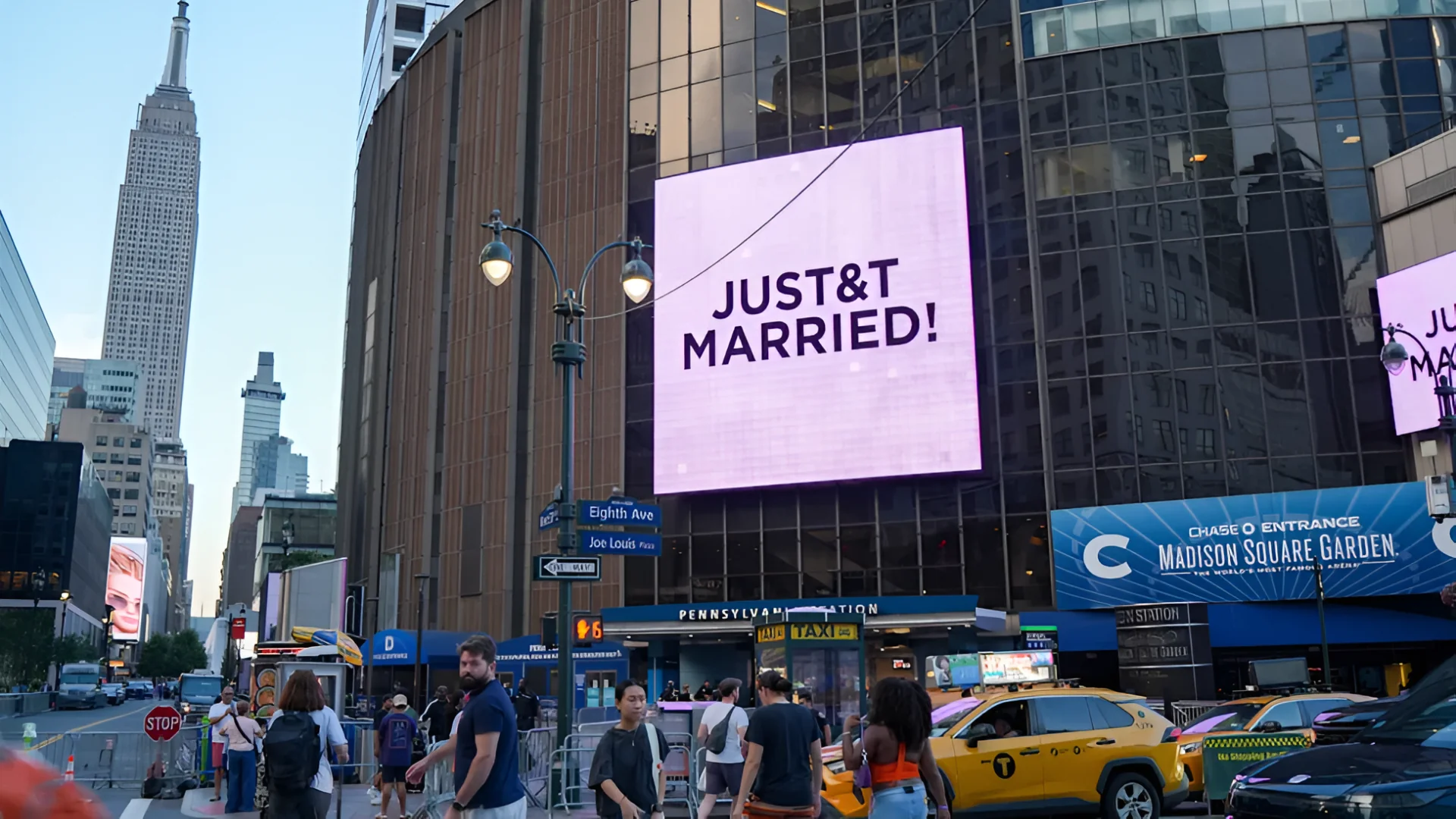
Taylor Swift and Travis Kelce married over July 4th weekend in a ceremony that treated privacy as a design problem to be solved, not an afterthought to be hoped for.
Madison Square Garden's Windowless Design Became the Wedding's First Line of Defense
The couple chose Madison Square Garden for their July 3-4 wedding in New York City, and the choice was as much architectural as sentimental. MSG's fully enclosed, windowless structure and its tightly controlled access points made it difficult for paparazzi to get a photograph, for drones to get a usable angle, or for anyone with a long-range camera to shoot through a window that doesn't exist. Swift also has an eight-show history performing at the venue, giving the pairing a personal logic layered on top of the practical one. For a wedding drawing global attention, the building itself did work that no amount of hired security could fully replicate. Readers who want the reasoning behind the venue selection laid out in more depth can find that context in a companion piece.

NYPD and Federal Counterterrorism Coordination Turned Midtown Into a Security Perimeter
Beyond the building itself, the surrounding blocks became part of the security architecture. New York City authorities processed street-use permits and road closures around MSG ahead of the event, and guests entered through a tented, screened private entrance rather than a visible red carpet. Security planning coordinated with the NYPD and with U.S. federal counterterrorism agencies, a level of involvement tied directly to Swift's history with stalkers rather than to wedding logistics in the abstract. That distinction matters: the measures read less like standard celebrity-event precaution and more like a response to a specific, documented threat pattern.
A Guest List Built Around Scale Control, Not Just Size
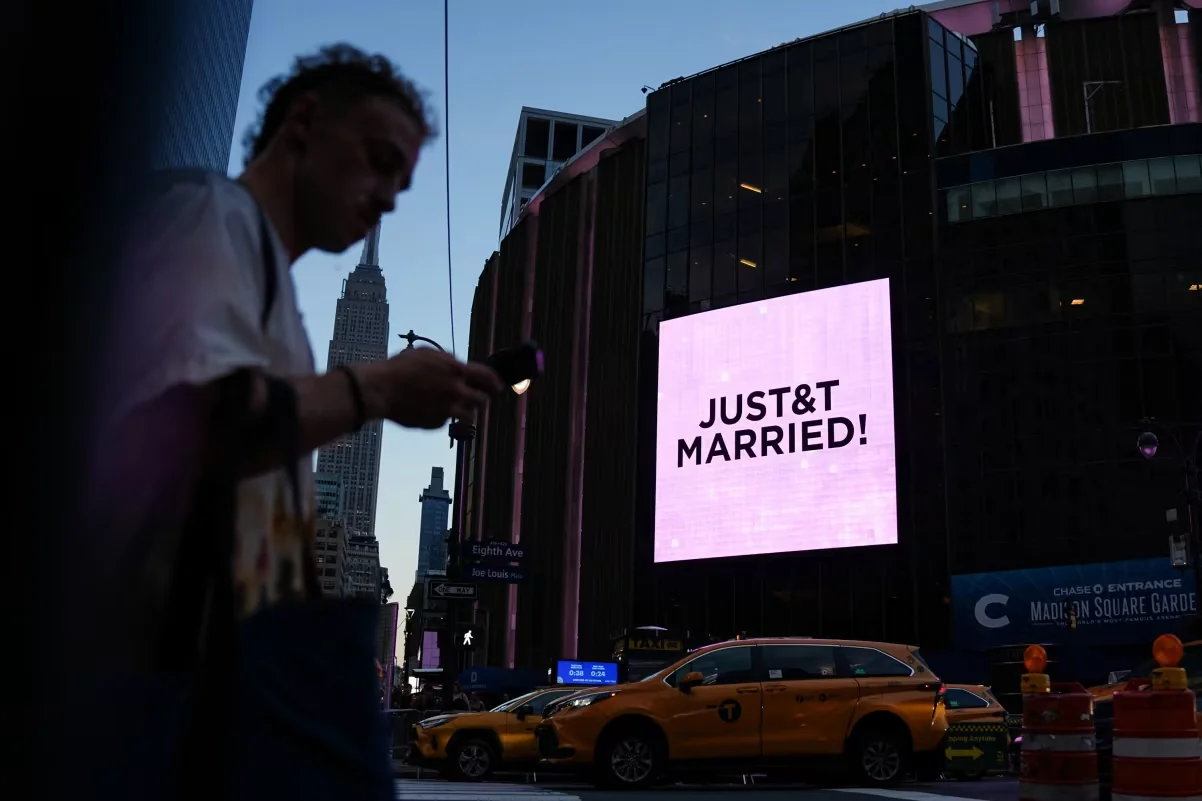
More than 1,000 guests attended the main event on July 3, while a smaller rehearsal of about 100 people took place the day before. Splitting the celebration this way let organizers screen and process a very large guest list without funneling everyone through the same choke point at once. The scale itself was part of the security calculus — a smaller, single-night event would have been easier to keep quiet, but a two-tier structure let the couple invite widely while still controlling who moved through the venue's most exposed moments, like arrival.
The Reception's Personal Touches Surfaced Despite the Secrecy
For all the operational precision, details of the celebration itself did leak through, mostly after the fact. The reception included arcade games and an unannounced cameo from Adam Sandler, alongside a schedule that ran from afternoon arrivals through a cocktail reception, the ceremony, and a banquet that stretched past midnight. These specifics reached the public only once the event had concluded, underscoring how completely the earlier phases — arrivals, ceremony, initial reception — had been shielded from outside view.
What the Diversion Theories Get Wrong
In the run-up to the wedding, some fans speculated that the MSG permit filings were a deliberate diversion meant to mask the real location. That theory didn't hold up: MSG was the actual venue, confirmed by what sources actually confirmed about the ceremony, and the confusion says more about how thoroughly Swift's team maintained silence beforehand than about any deception. Major outlets including the Times, CNN, and Yahoo covered the event extensively, but Swift's official team offered no confirmation until the wedding was already underway. The gap between public speculation and confirmed fact is itself a marker of how tightly the information was controlled — not evidence that the location itself was misdirection.
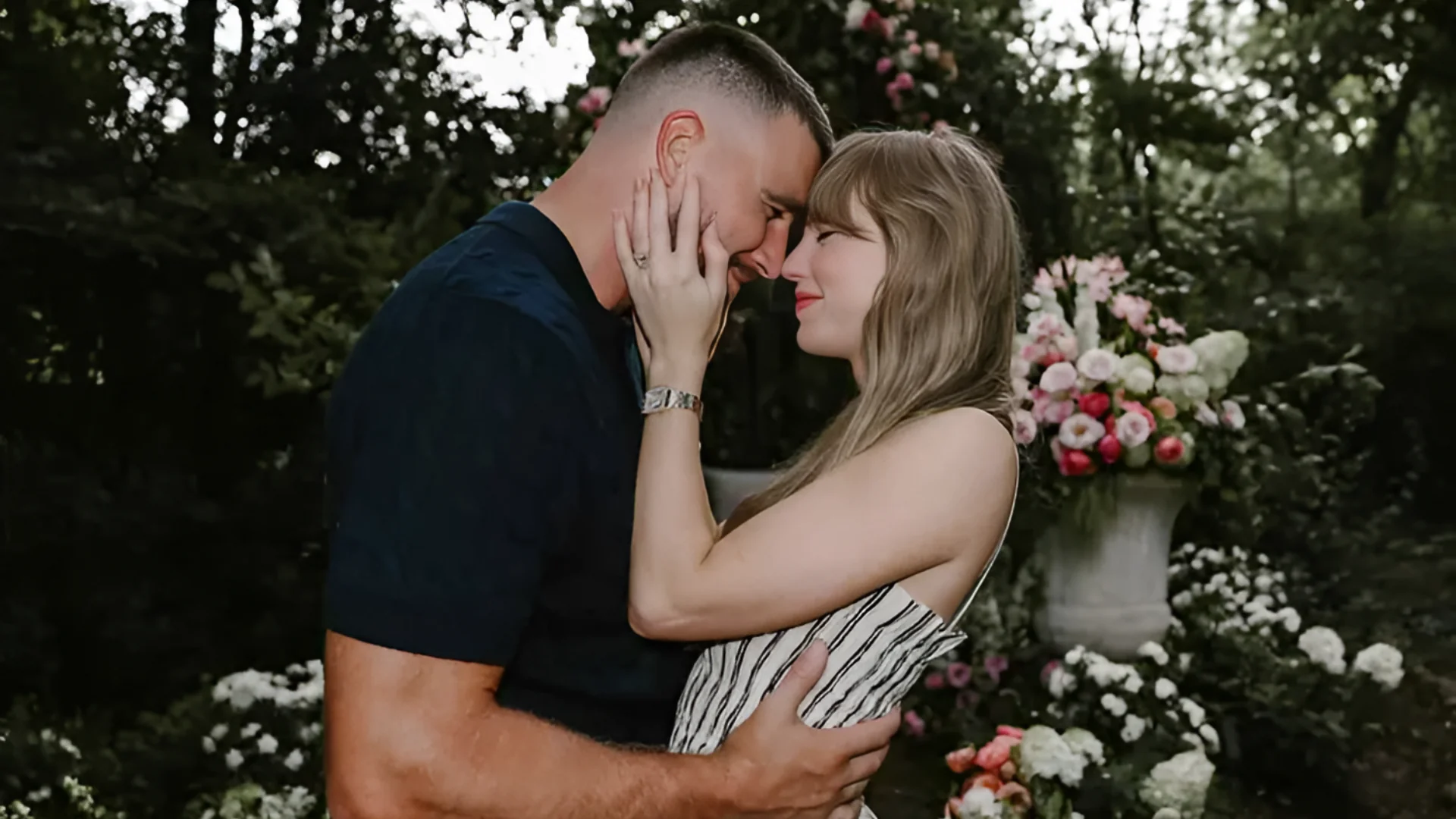
Dior Beats Chanel for Taylor Swift's Wedding Gown
Jonathan Anderson designed custom Dior couture for Taylor Swift and Travis Kelce's wedding, a high-stakes celebrity commission LVMH needed as it competes with Chanel in a slow luxury market.
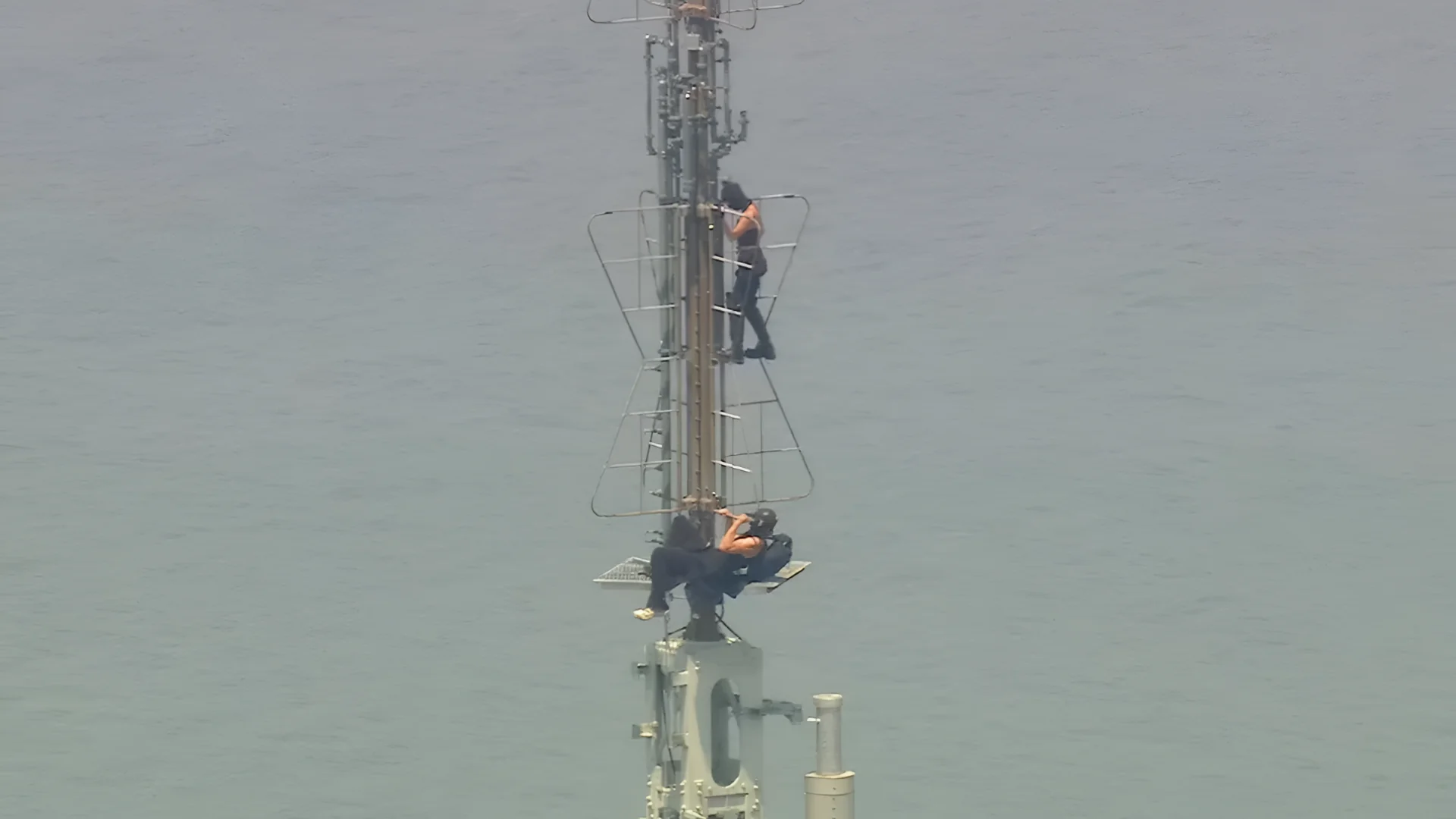
Empire State Building Climbers Face Court Thursday
A daredevil couple known for skyscraper stunts scaled the Empire State Building's spire, unfurled a peace banner, got engaged, and were arrested on multiple charges.
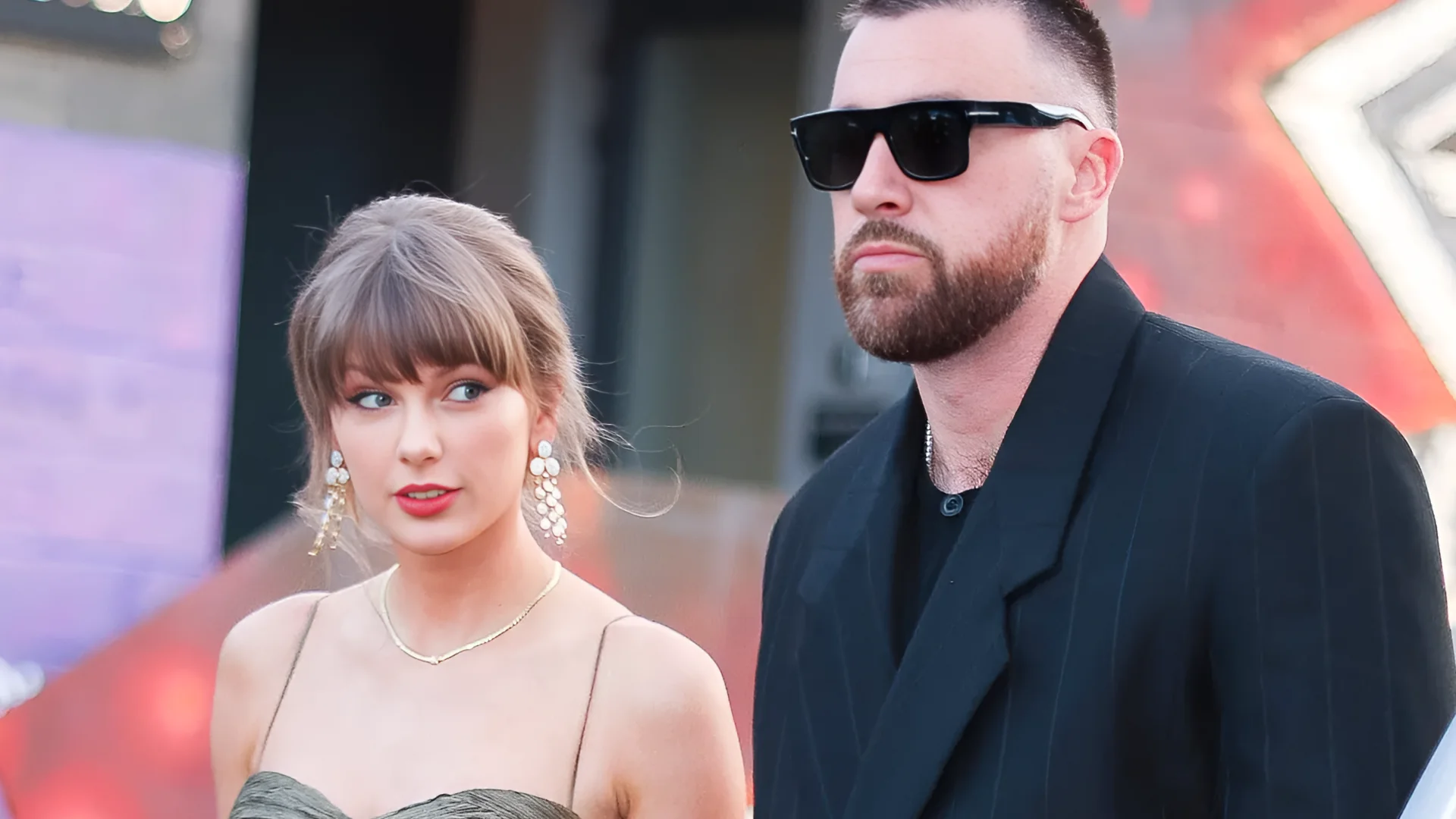
Taylor Swift and Travis Kelce's Reported MSG Wedding: What the Sources Actually Show
A breakdown of what permits, security documents, and sourced reporting reveal about the reported Taylor Swift and Travis Kelce wedding at Madison Square Garden on July 3, 2026.
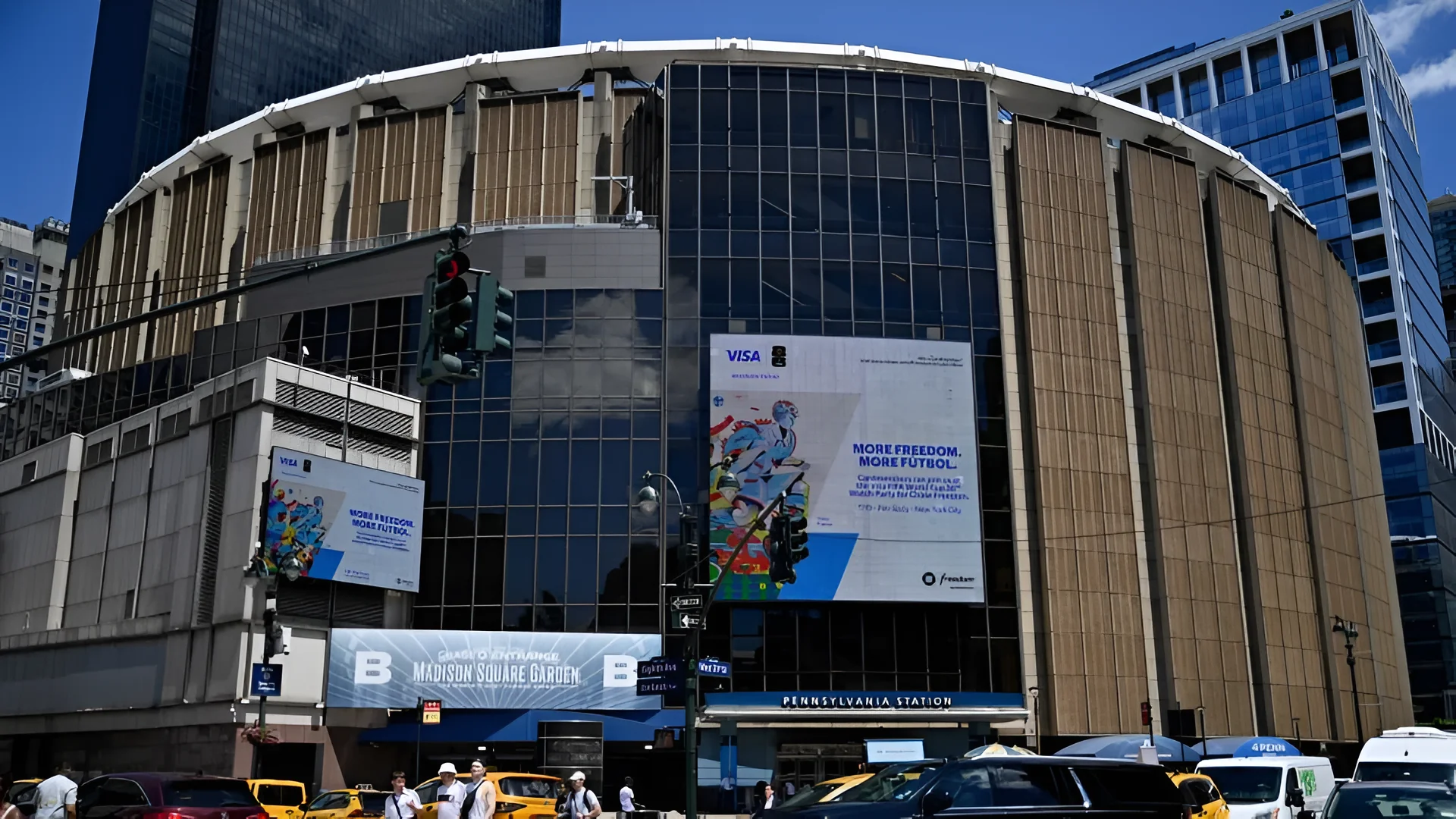
Why Taylor Swift Chose MSG for Her Wedding
Taylor Swift and Travis Kelce are rumored to be holding their wedding celebration at MSG on July 3, 2026. The venue's perimeter control, windowless walls, and underground parking explain the choice — even as some insiders remain skeptical.
Comments (0)
Please sign in to join the discussion.
No comments yet.
Be the first to share your perspective on this topic.