
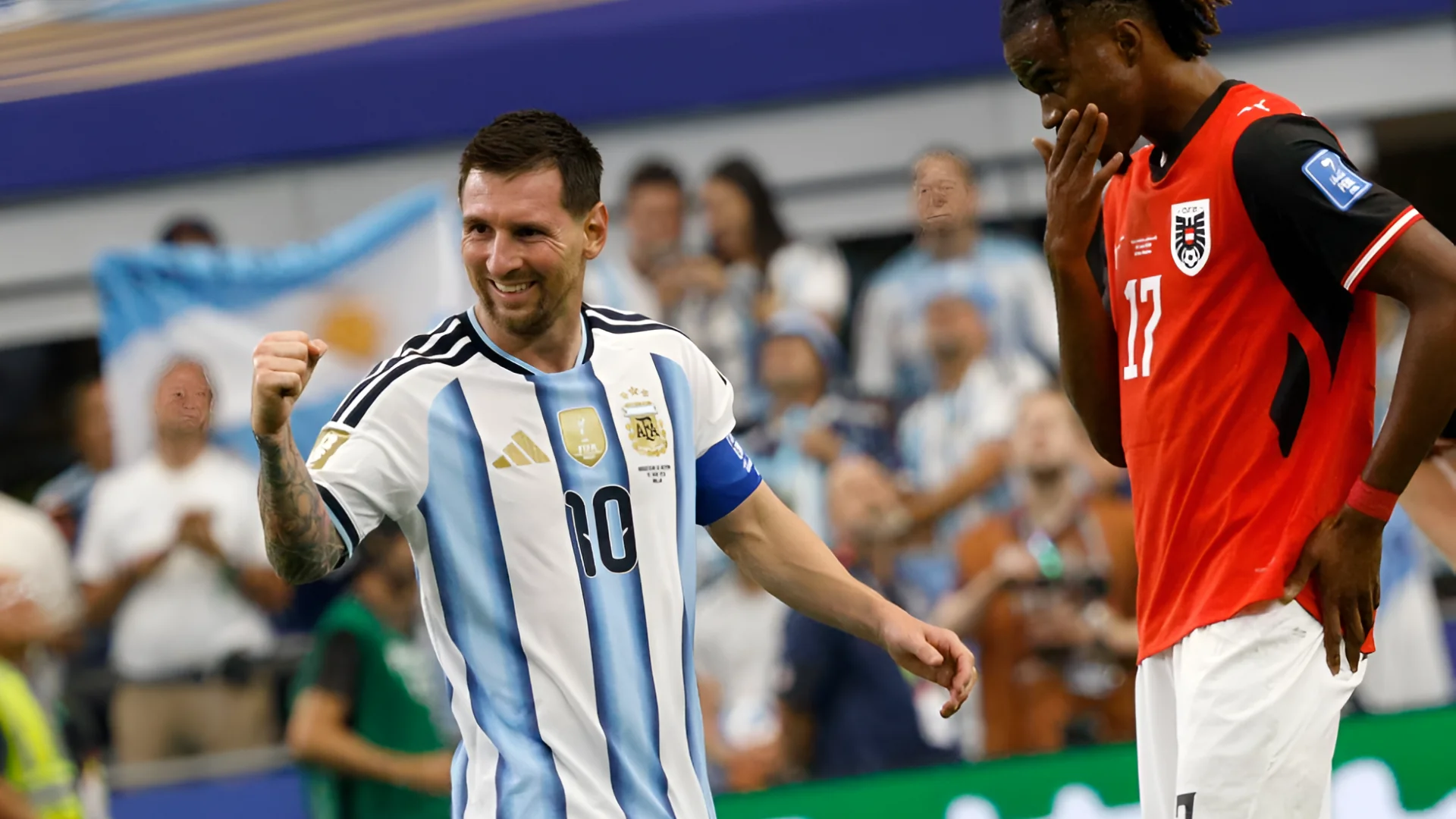
The early group stage of the 2026 World Cup is unfolding as something close to a best-case scenario for football fans — with three of the sport's biggest names performing at a level that is, by most accounts, exceeding even the generous expectations set before a ball was kicked.
Three Stars, One Tournament, All Delivering at Once
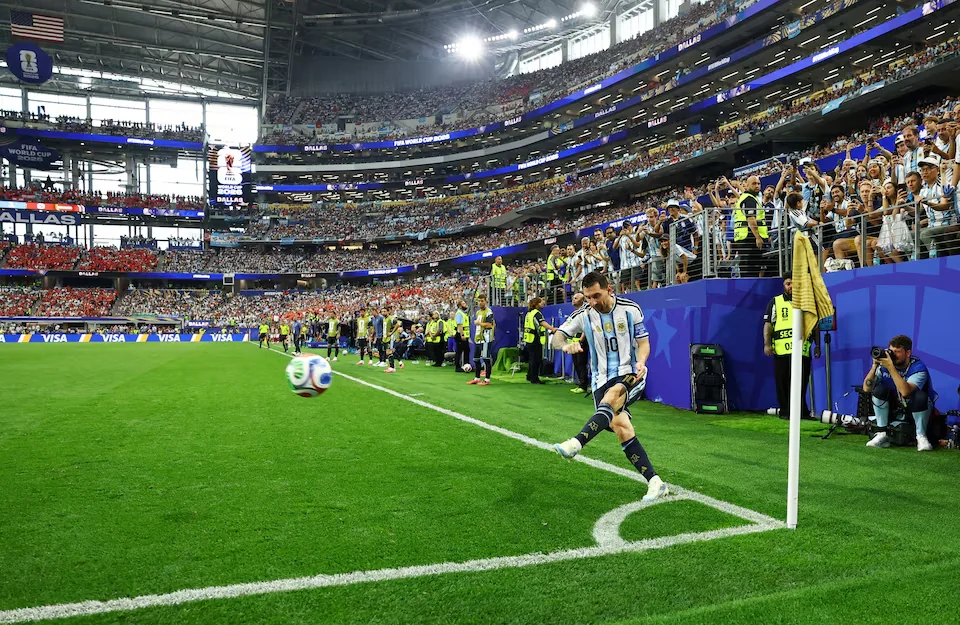
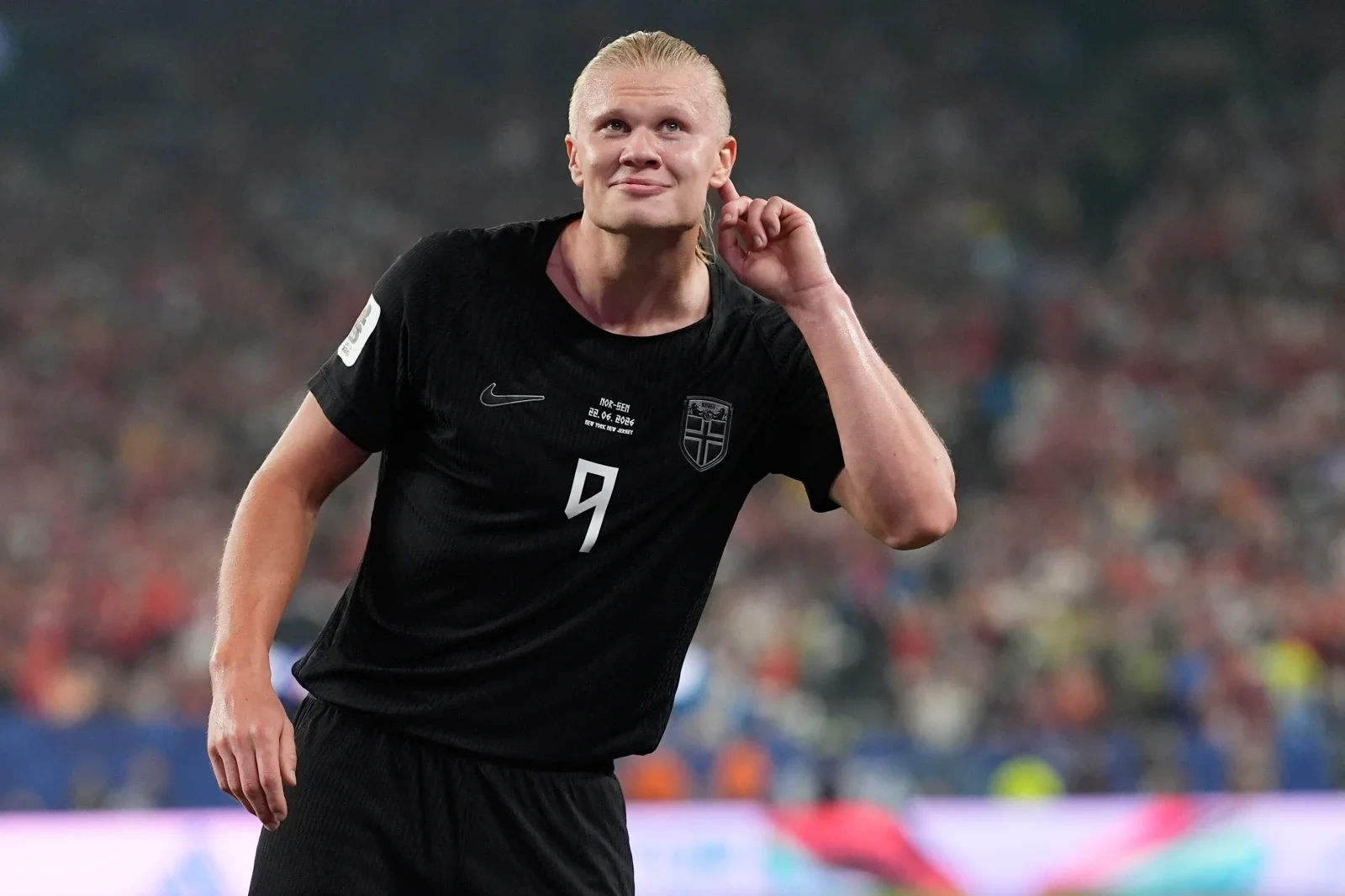
The opening days of the expanded 48-team tournament have been shaped by Lionel Messi, Kylian Mbappé, and Erling Haaland. Each arrived carrying enormous weight of expectation, and each has so far answered it.
Messi, competing in what is widely understood to be his final World Cup, is in strong contention for the Golden Boot, showing no visible decline in output or influence at the tournament level. Haaland, making his first major World Cup impression on the global stage, has been a consistent scoring force in the early rounds for Norway. Mbappé, meanwhile, has played with a sharpness that has prompted widespread commentary about France's standing as clear tournament favorites.
What makes this stretch notable is not just that all three are performing, but that they are doing so simultaneously and in the same group-stage window — a convergence that does not always materialise in tournaments of this scale. The following cards summarise their sourced tournament status through the early stage.
France Have Separated Themselves as Tournament Favorites
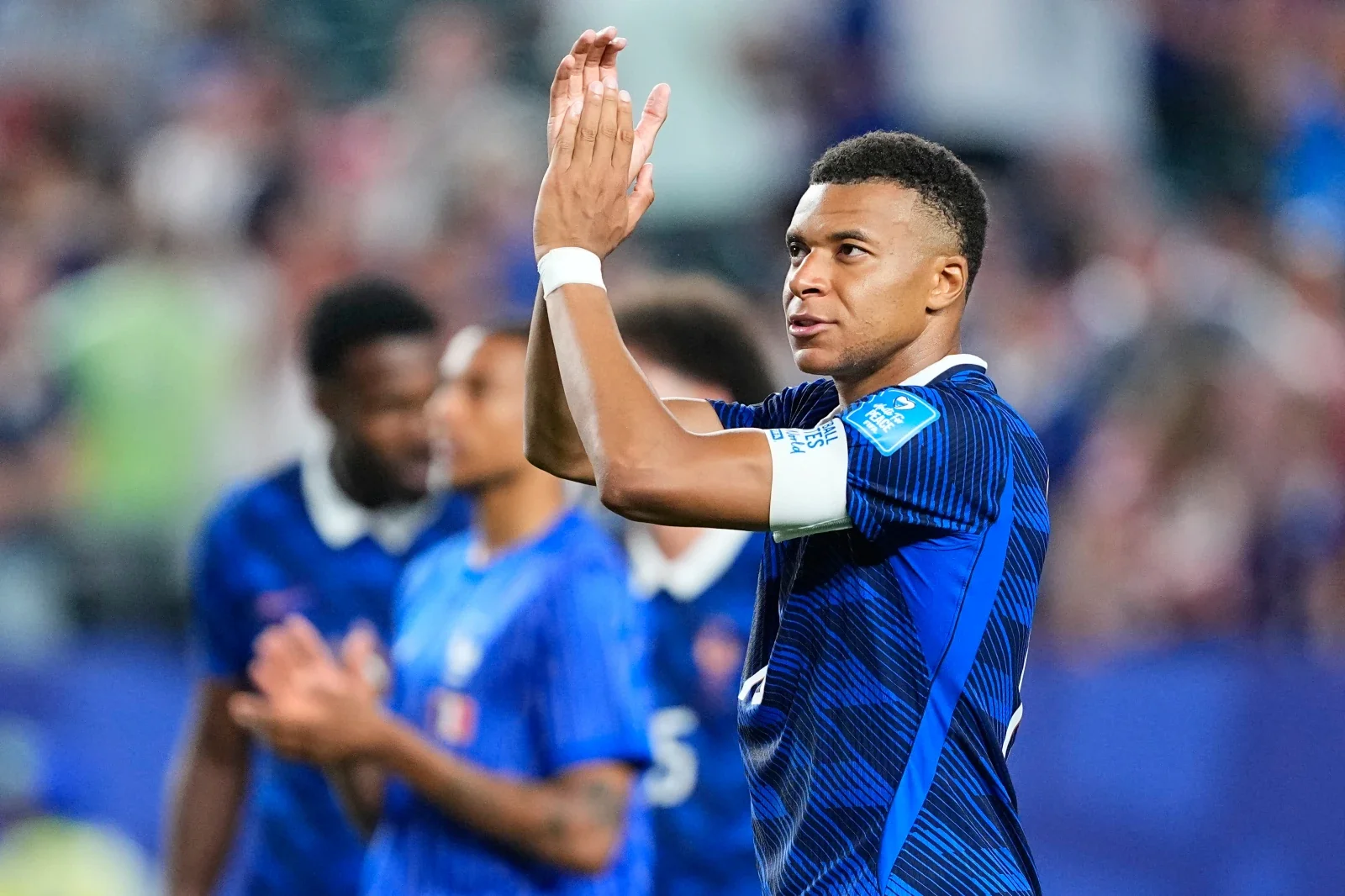
Of the three stories running through the early group stage, the most structurally significant for the tournament may be France's. While individual golden-boot races can shift rapidly as knockout rounds approach, a national team's positioning as the clear field favorite — if that assessment holds through the group stage — carries real weight in how the draw and bracket dynamics play out.
Reuters reported that Mbappé's form has been the primary driver of France's solidified status. The Athletic and NYT coverage notes France's favorites status alongside the broader picture of elite performer convergence at the tournament. It is worth noting that group-stage assessments are preliminary — the depth of the 48-team bracket means strong group-stage performers can face sharper tests once knockout football begins.
The card below reflects France's sourced tournament positioning as of the early group stage.
North American Heat Is Shaping How Matches Are Played
Beyond the individual performances, a structural factor specific to this edition of the tournament is drawing attention from analysts and broadcasters: the summer climate across the North American host cities in the United States, Canada, and Mexico.
Coverage from The Athletic and NYT notes that extreme summer weather forecasts are becoming a notable factor in match pacing and player fatigue. This is not unusual for summer tournaments played in warm climates, but the geographic spread of North American venues — ranging from high-altitude sites to coastal stadiums — creates variation in heat and humidity exposure across the group stage that teams must manage. Substitution patterns, training schedules, and squad depth management may all be shaped by conditions that are unusual for players from northern European leagues.
The diagram below maps the reported consequence chain from extreme heat to on-pitch match dynamics.
Whether the heat factor will tilt outcomes in the knockout rounds remains to be seen. At the group stage, it has been background noise behind the headline story of the tournament so far — three superstar footballers, performing at an exceptionally high level, at the same time.
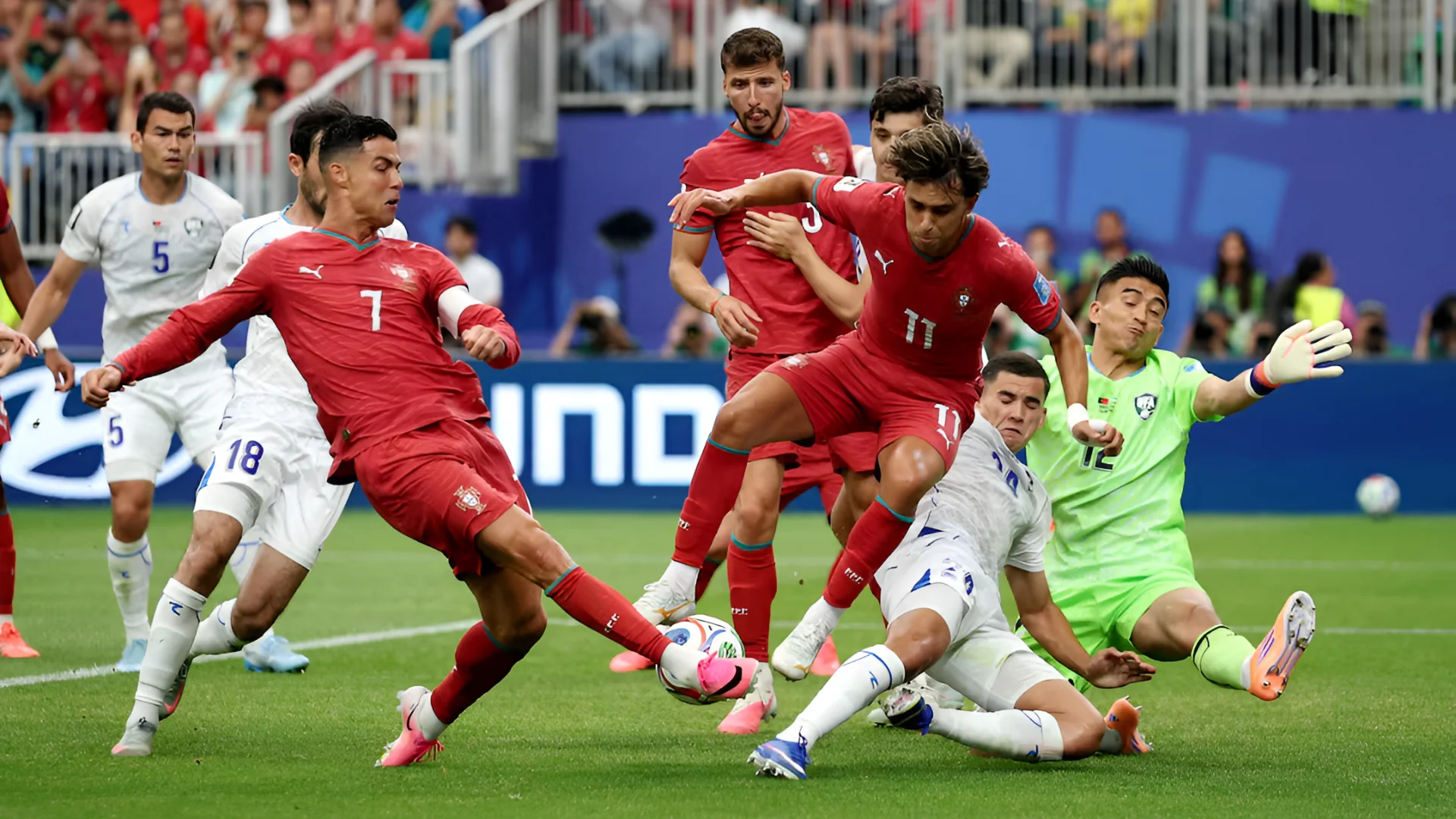
Ronaldo Scores in 6th World Cup in Portugal's 5-0 Win
Ronaldo's brace against Uzbekistan made him the first player to score in six different Men's World Cups and Portugal's all-time leading scorer at the global finals with 10 goals.
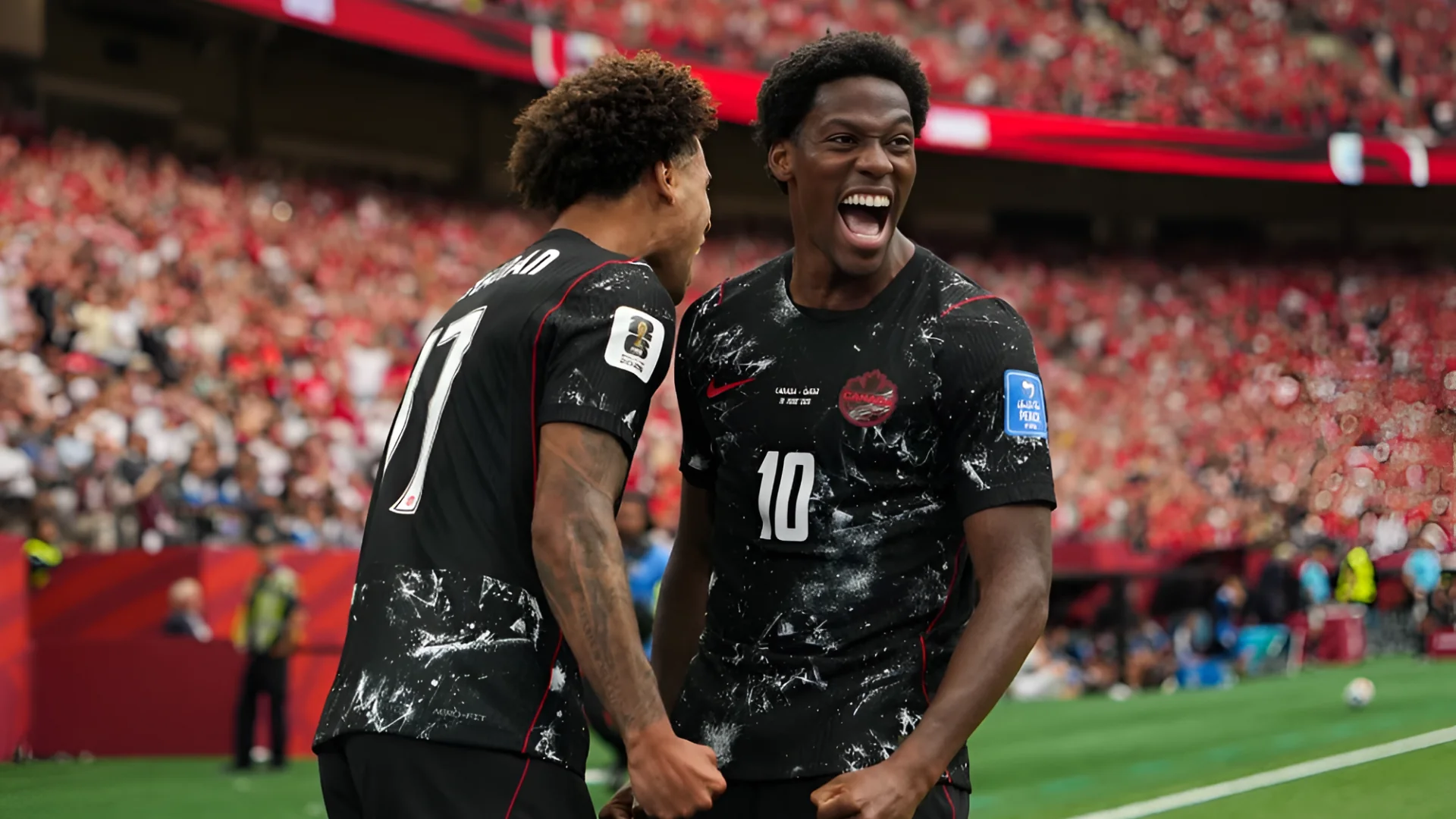
Canada's Historic Win Marred by Koné Injury and Brawl
Canada defeated Qatar 6-0 on June 18 for their first FIFA World Cup win. Jonathan David scored a hat-trick, but the night was marked by Ismaël Koné's broken leg and a post-match altercation between coaching staffs.
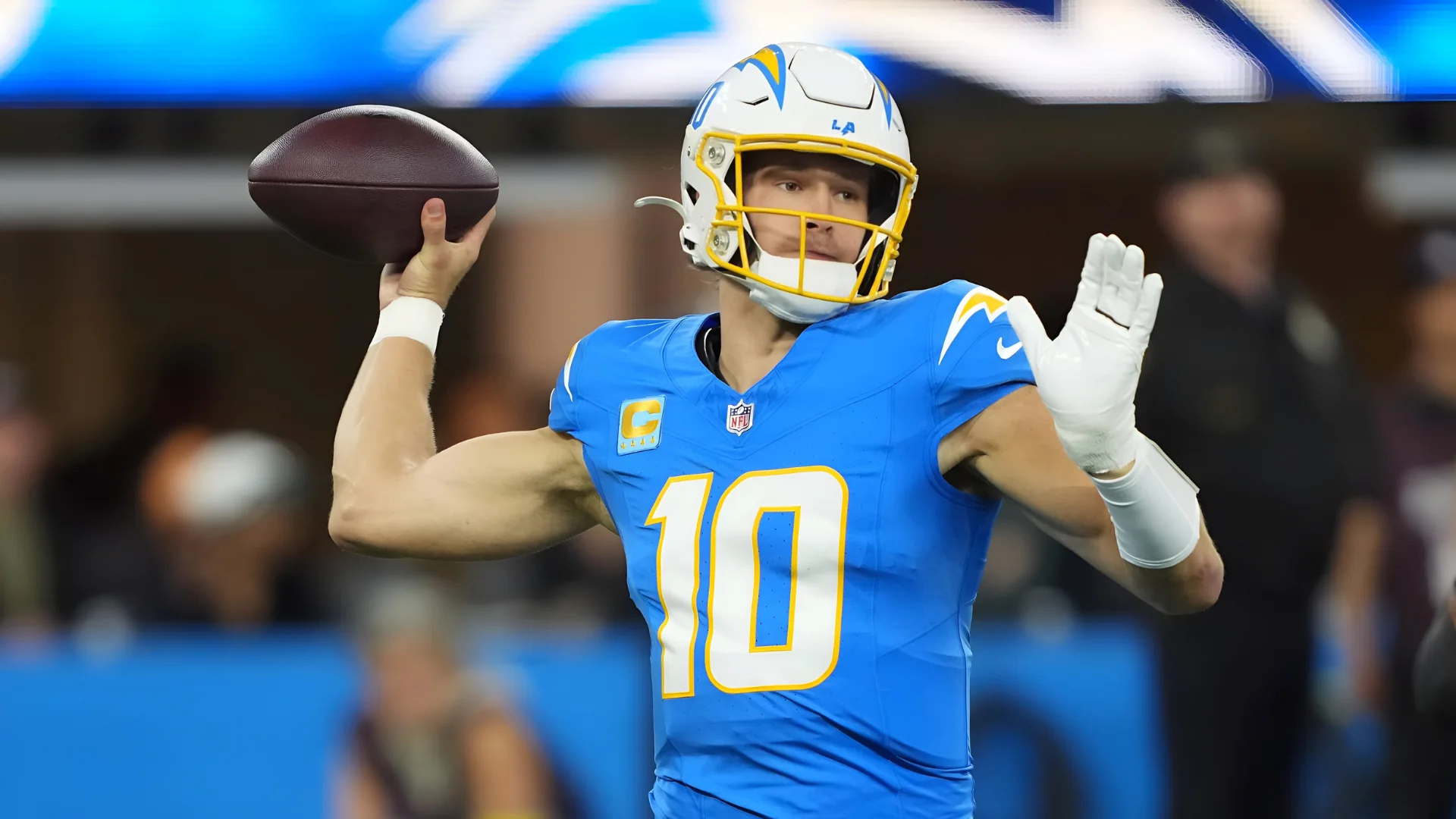
Justin Herbert's Footwork Overhaul Under Mike McDaniel
The Chargers' new OC is rebuilding Herbert's footwork from scratch, syncing his steps to route timing to neutralize the pass rush that battered him in 2025.
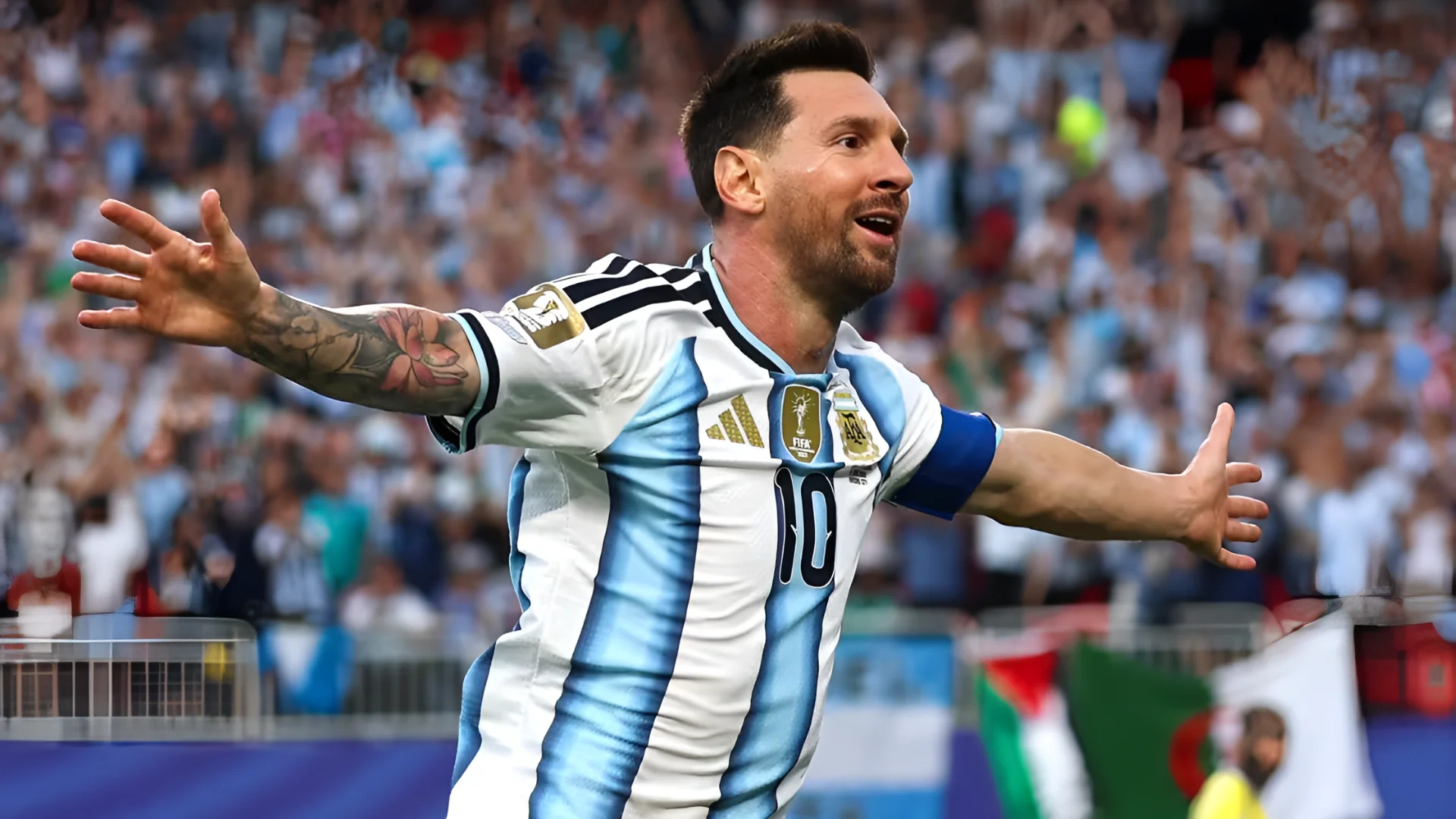
Messi Hat-Trick Ties Klose's All-Time World Cup Record
Lionel Messi netted three goals against Algeria on June 16, 2026, in Kansas City, tying Miroslav Klose's all-time men's World Cup scoring record at 16 goals while becoming the first man to appear at six World Cups.
Comments (0)
Please sign in to join the discussion.
No comments yet.
Be the first to share your perspective on this topic.