
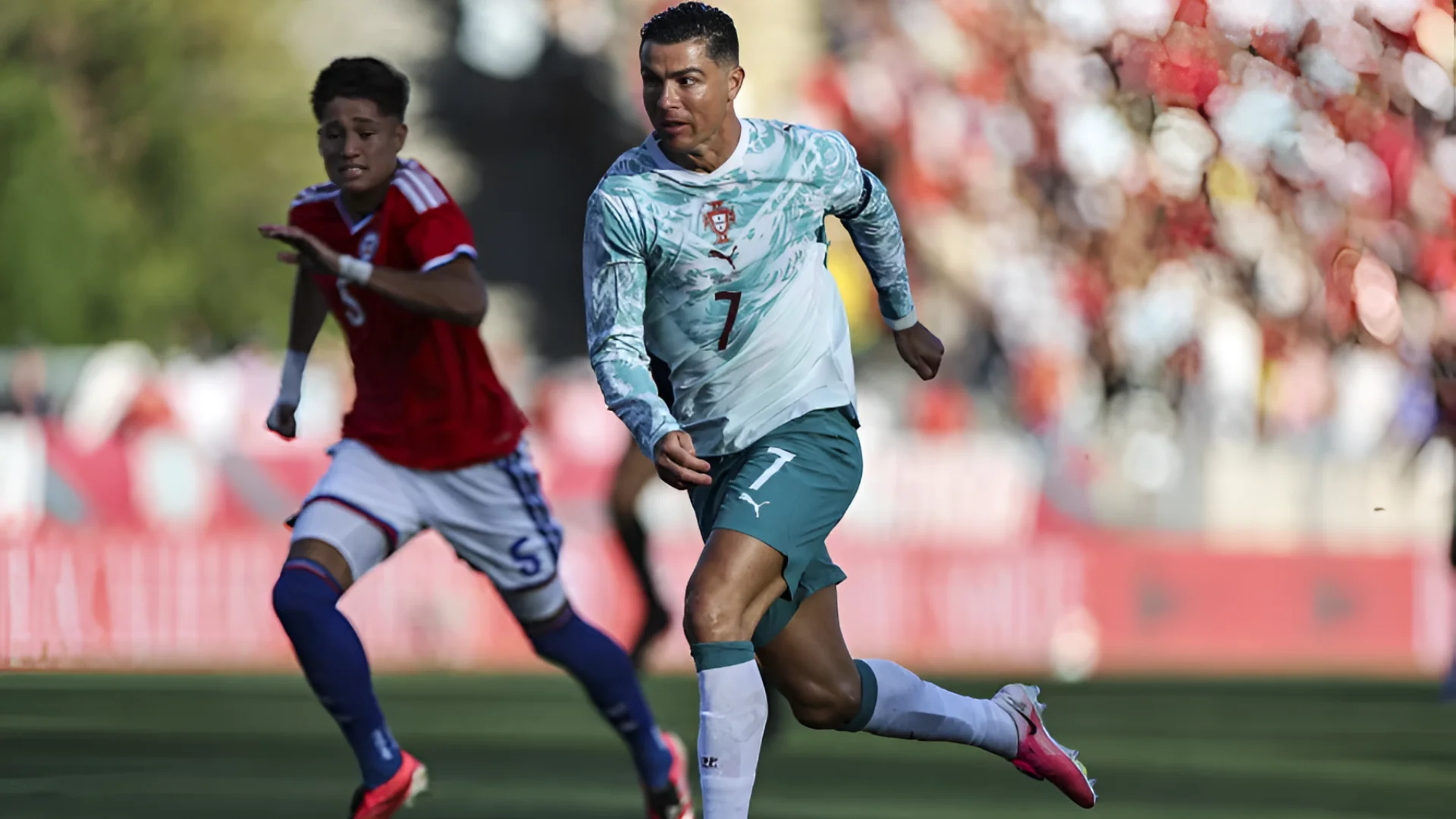
The largest FIFA World Cup in history opens today across North America, with 48 nations and 1,248 players competing across 16 cities in the United States, Canada, and Mexico — a format and a footprint unlike anything the tournament has attempted before.
Matchday 1: Two Fixtures, a Rematch, and a New Era
The tournament's opening day features two matches. At 3:00 PM ET, Mexico hosts South Africa at the renovated Estadio Azteca in Mexico City — a direct rematch of the 2010 World Cup opener in Johannesburg, this time with Mexico holding home advantage. At 10:00 PM ET, South Korea faces Czechia at Estadio Akron in Guadalajara.
The player field spans generations. Scotland's Craig Gordon, at 43, is the tournament's oldest participant. Cristiano Ronaldo, 41, is appearing in his sixth World Cup. Mexico's Gilberto Mora, 17, is the youngest player in the field. Manchester City is the most represented club, with 19 players distributed across 12 different national teams.
The expanded 48-team format, the first in World Cup history at this scale, is the structural centerpiece of what FIFA and its partners have built. The timeline below shows today's fixtures in the context of the full tournament window.
The Economics: A $14 Billion Machine With a $40,000 Ticket Problem
The financial architecture of this tournament is built on a scale FIFA has never tested before. The organization is projecting a record $14 billion budget across its current four-year cycle, and will distribute $871 million among the 48 participating teams. Every nation that simply qualified earns a minimum of $12.5 million — before playing a single match.
For fans trying to attend, the gap between FIFA's revenue ambitions and ground-level affordability is stark. Tickets to the final have reached $40,000 on the secondary market, according to ESPN's reporting. The commuter train from Manhattan to the Meadowlands stadium in New Jersey is reportedly carrying a roughly 700 percent fare markup, costing approximately $100 for a journey that ordinarily costs a fraction of that. Philadelphia has moved in the opposite direction, offering free subway rides to fans with match tickets.
These four figures capture the financial spread of the tournament as it opens today.
A Fractured Host: Iran, Immigration, and the FIFA Peace Prize
The United States is hosting the World Cup while enforcing some of the most stringent immigration and visa restrictions in recent memory. Nationwide protests and a climate of targeting foreign nationals form the backdrop against which teams and fans from around the world are arriving.
The most unresolved question is Iran. In March 2026, active military hostilities escalated between the United States and Iran. Iran qualified for this tournament, but its participation remains uncertain. A former Iranian football federation official described the situation directly, saying that playing in a World Cup is the players' dream — but not under these conditions, according to NPR's reporting. No resolution to that status has been confirmed.
That uncertainty sits alongside a specific institutional decision: in December 2025, FIFA President Gianni Infantino awarded a newly created FIFA Peace Prize to U.S. President Donald Trump — just months before geopolitical hostilities involving the United States broke out. The timing has not been addressed by FIFA in the source material available at publication.
The flow below maps the intersecting pressures on Iran's participation status as the tournament opens.
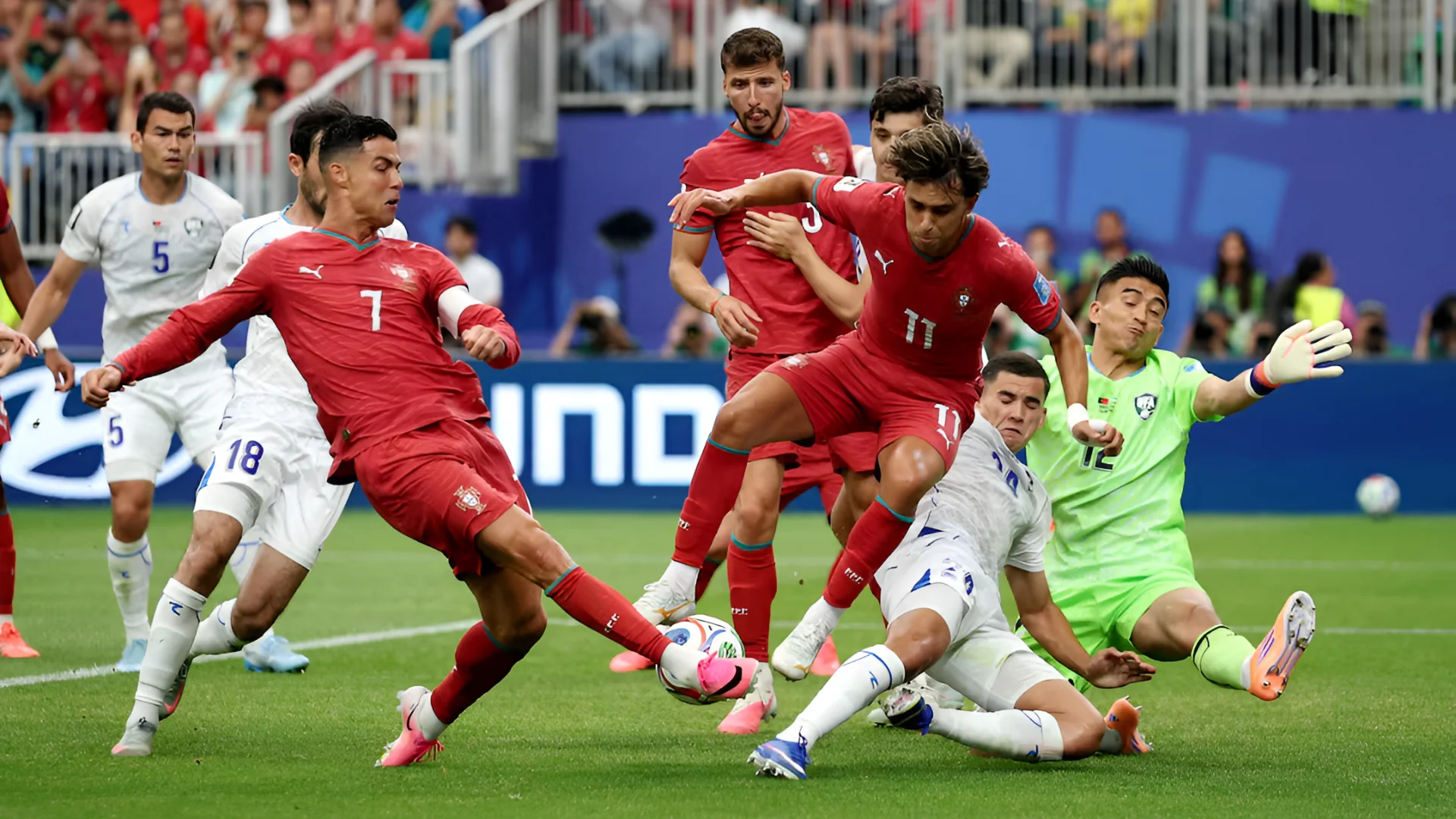
Ronaldo Scores in 6th World Cup in Portugal's 5-0 Win
Ronaldo's brace against Uzbekistan made him the first player to score in six different Men's World Cups and Portugal's all-time leading scorer at the global finals with 10 goals.
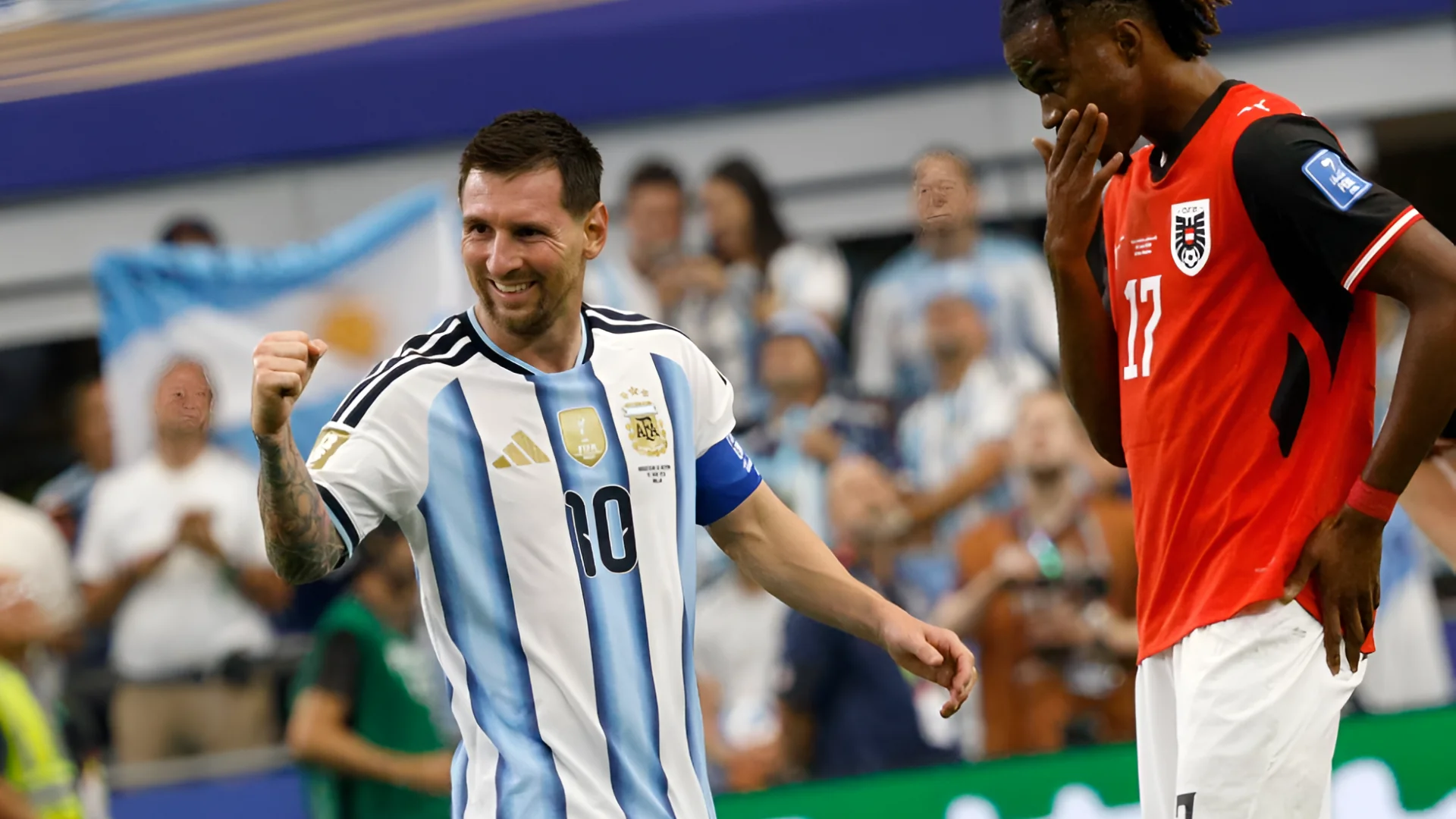
Messi, Mbappé, Haaland Dominate 2026 World Cup
Lionel Messi leads the Golden Boot race, Kylian Mbappé's France are the clear favorites, and Erling Haaland is scoring freely as the 2026 World Cup group stage produces a spectacular opening.
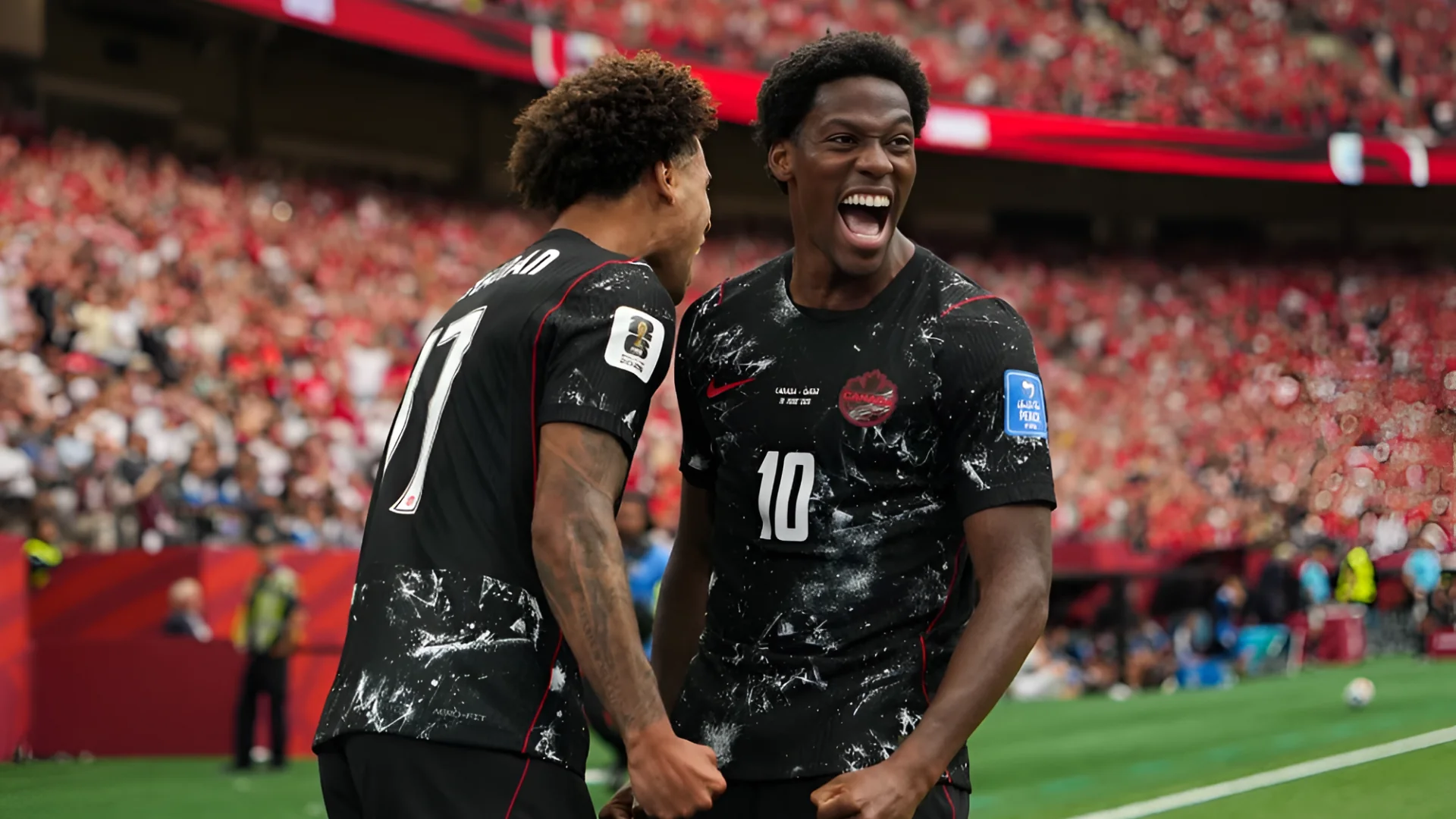
Canada's Historic Win Marred by Koné Injury and Brawl
Canada defeated Qatar 6-0 on June 18 for their first FIFA World Cup win. Jonathan David scored a hat-trick, but the night was marked by Ismaël Koné's broken leg and a post-match altercation between coaching staffs.
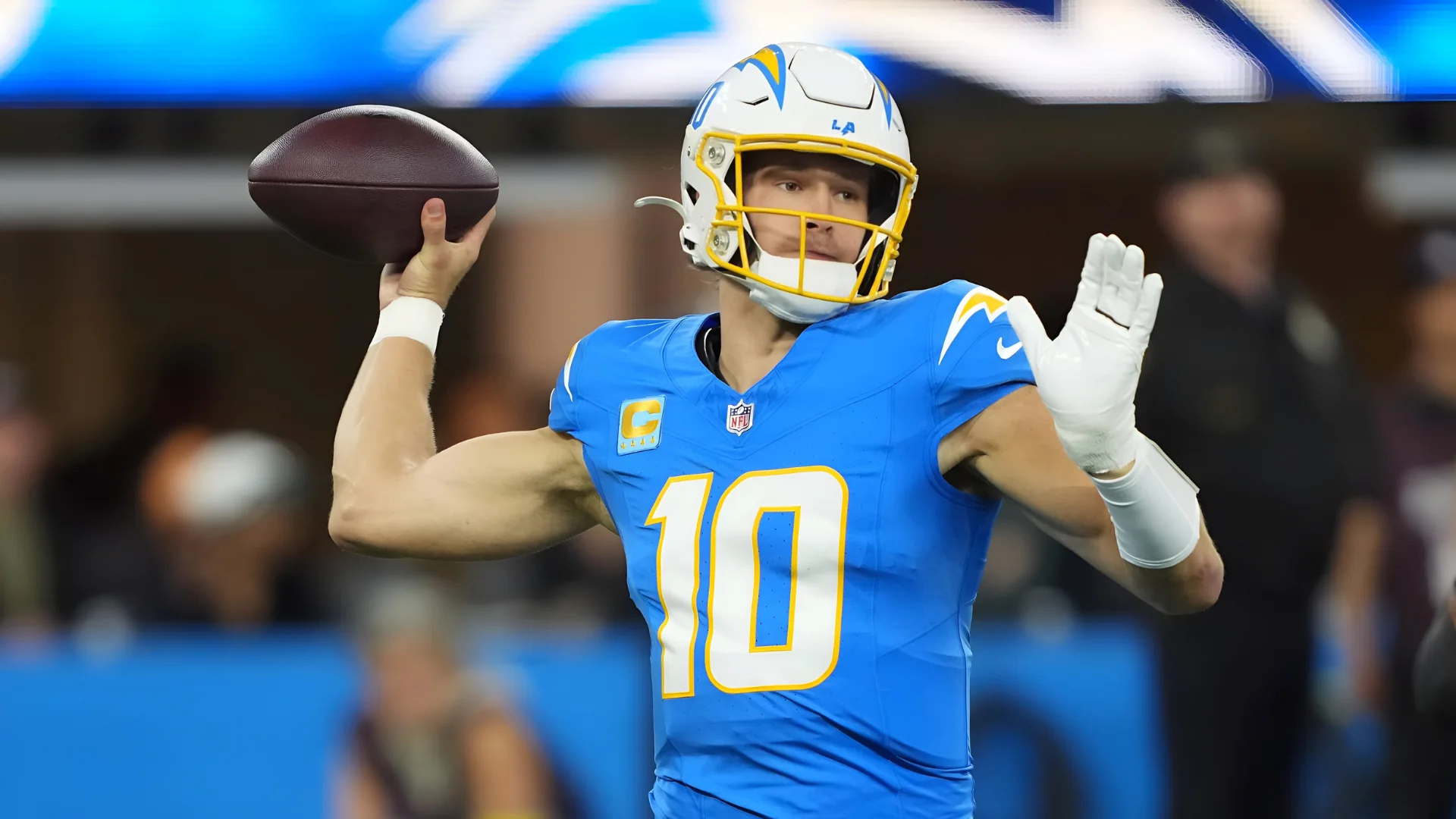
Justin Herbert's Footwork Overhaul Under Mike McDaniel
The Chargers' new OC is rebuilding Herbert's footwork from scratch, syncing his steps to route timing to neutralize the pass rush that battered him in 2025.
Comments (0)
Please sign in to join the discussion.
No comments yet.
Be the first to share your perspective on this topic.