
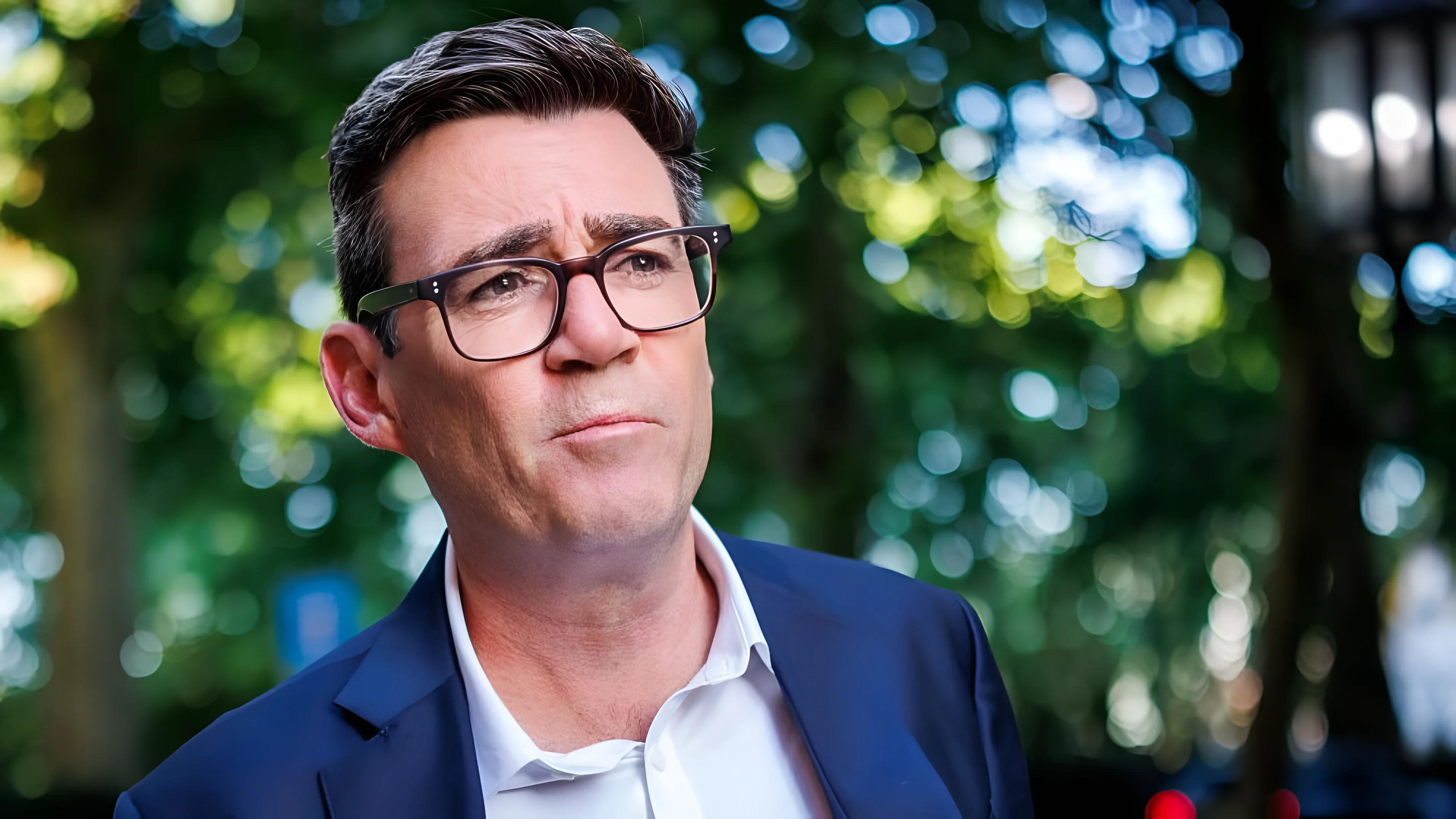
Andy Burnham was declared leader of Britain's governing Labour Party on Friday, clearing the way to become prime minister on Monday, after winning the backing of a higher share of Labour MPs than any leadership candidate in the party's modern history.
Burnham's 94% Nomination Share Breaks Labour's Modern Record
Burnham, the former mayor of Greater Manchester, was the only candidate to reach the nomination threshold when the contest to replace Sir Keir Starmer closed on 16 July. He ended with 379 of the 403 Labour MPs in the House of Commons, a final share of 94%. That exceeds the previous modern high of 88%, set by Gordon Brown when he became leader unopposed in 2007.
Burnham reached 322 nominations, one short of the number that would have made a rival candidacy mathematically impossible, on the day nominations opened. By convention, the outgoing leader, the party chair and the NEC chair did not nominate anyone, which narrows the pool a challenger could draw from. No other MP came forward.
The result caps a rapid return to Westminster for a politician who had spent most of the past decade as a regional mayor. Burnham re-entered the Commons a month earlier by winning a by-election in Makerfield, a seat that opened up after an ally resigned.
Survation Data Show Labour Level With Reform For The First Time In A Year
Survation's final Westminster voting-intention poll taken while Starmer was still Labour leader put the party level with Reform UK on 24% each, the first time the two have drawn level in Survation's series in more than a year. Labour rose five points against the pollster's previous reading on 17 June, its largest single jump since the 2024 general election, while Reform fell three points to its lowest share since shortly after last year's local elections. The Conservatives rose one point to 21%, and the Liberal Democrats slipped one point to 11%.
Survation's fieldwork ran from 10 to 14 July, overlapping with the final days of the nomination period, and the pollster frames the shift as coinciding with, rather than definitively caused by, Burnham's imminent takeover. Reform's fall came during a period in which its leader faced renewed scrutiny over an undeclared donation and stepped down from his Commons seat to contest a by-election. Separating how much of the movement reflects Labour's gain versus Reform's own difficulties is not possible from a single poll.
Six Weeks From Backbench Return To Downing Street
The sequence from Labour's local election losses to Burnham's confirmation as leader ran just over ten weeks, and the final stage, from re-entering Parliament to being declared leader, took under a month. Starmer announced in June that he would resign after two years marked, in his party's own assessment, by lost public confidence following the local election results. Burnham has said little in public about detailed policy priorities beyond a stated intention to prioritise social care and to spread economic growth beyond London and the South East.
Telegraph And Independent Diverge Sharply On What "Burnham's World" Means
Reaction to Burnham's first speech as leader split along familiar lines. Writing in the Telegraph, columnist Allister Heath dismissed the address as economically confused, arguing it revisited arguments about deregulation and privatisation that he said misread the causes of Britain's low-growth years. Coverage in the Telegraph's wider commentary pages framed the shift as, in one contributor's words, a move toward the most left-wing government of the recent era.
The Independent's editorial board took a more measured but still sceptical view, arguing that neither Burnham's practical route to Downing Street nor his policy instincts had been tested against the electorate, and that a change of leader does not by itself resolve the party's underlying weaknesses against Reform UK. Both outlets agree on the scale of the moment; they disagree on whether it represents renewal or repetition of Labour's recent troubles.
In his acceptance speech, Burnham told the party he wanted to govern through what he called a "broad church" cabinet, and said Labour would compete with Reform UK by being distinctly itself rather than adopting its rivals' positions. He is due to receive King Charles's invitation to form a government on Monday, once Starmer formally tenders his resignation, becoming the UK's seventh prime minister in a decade.
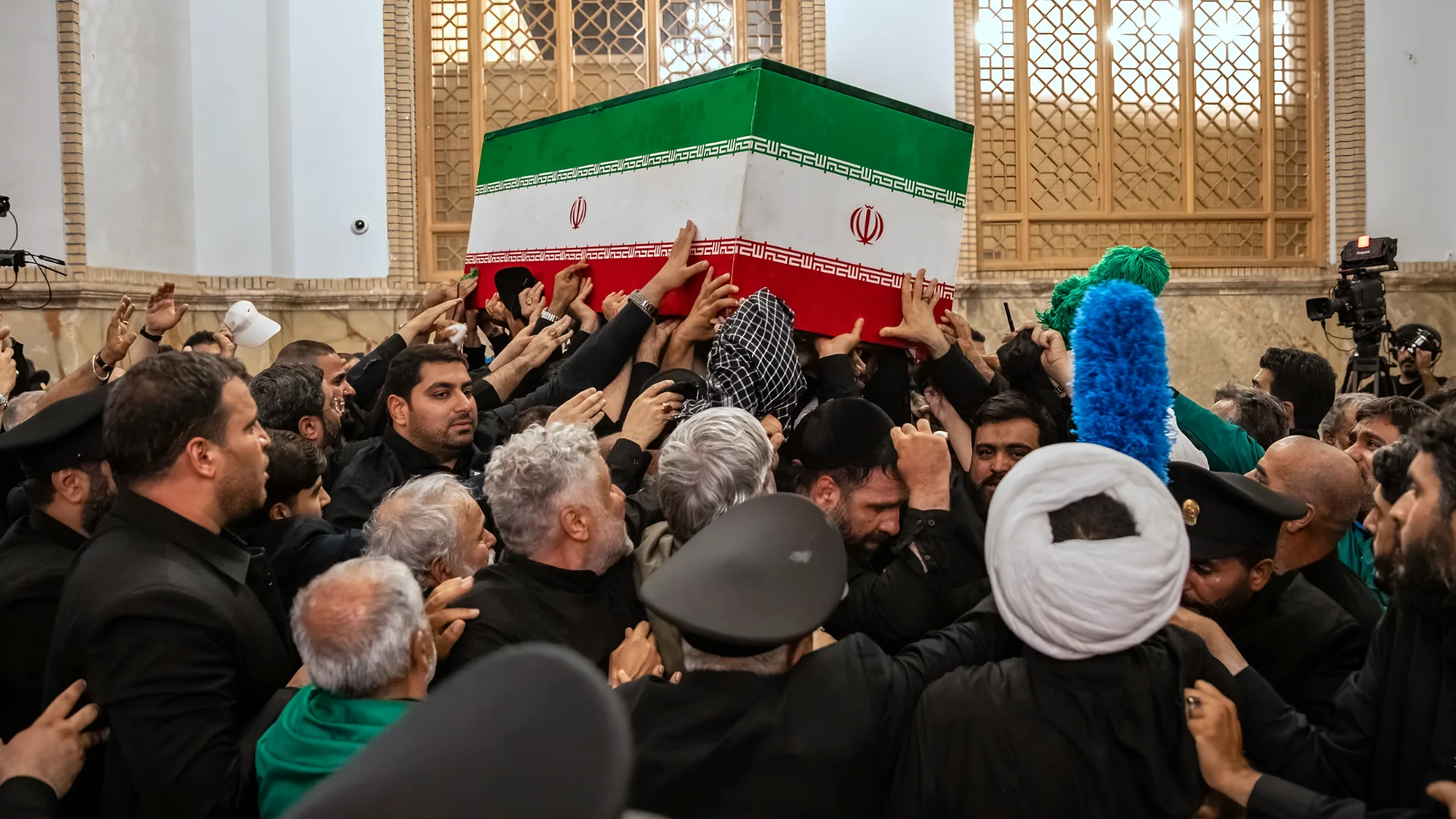
Israel Tells US of a New Plot to Assassinate Trump as the Iran Ceasefire Collapses
Amid renewed US-Iran strikes and a fraying ceasefire, Israel warned Washington of a new, unverified plot to assassinate Trump.

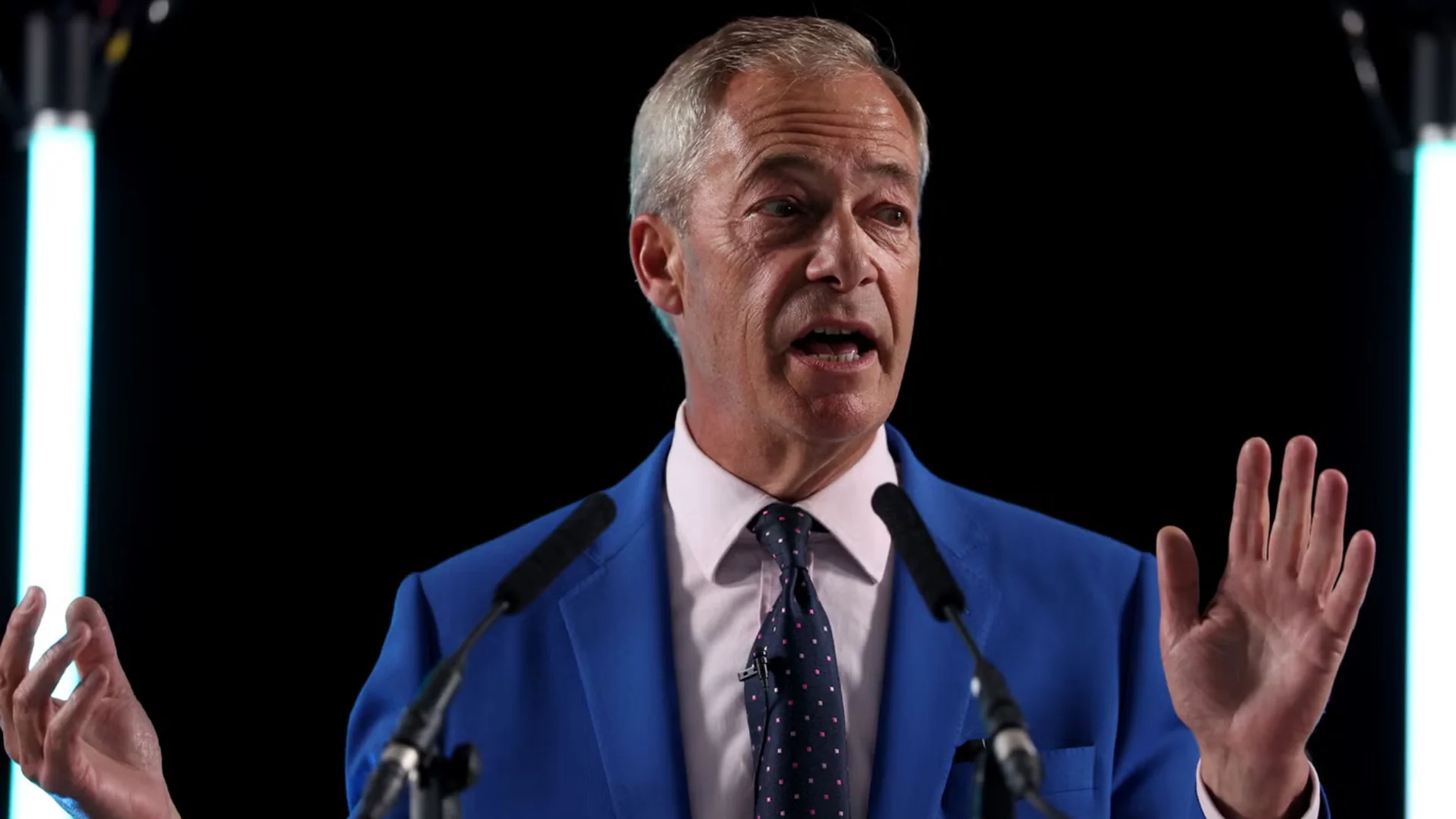
Farage Faces Two Watchdogs Over Cottrell's Hidden Funding
A Sunday Times investigation says George Cottrell funded Farage's staff, security and housing before 2024. Two watchdogs are now weighing separate legal tests.
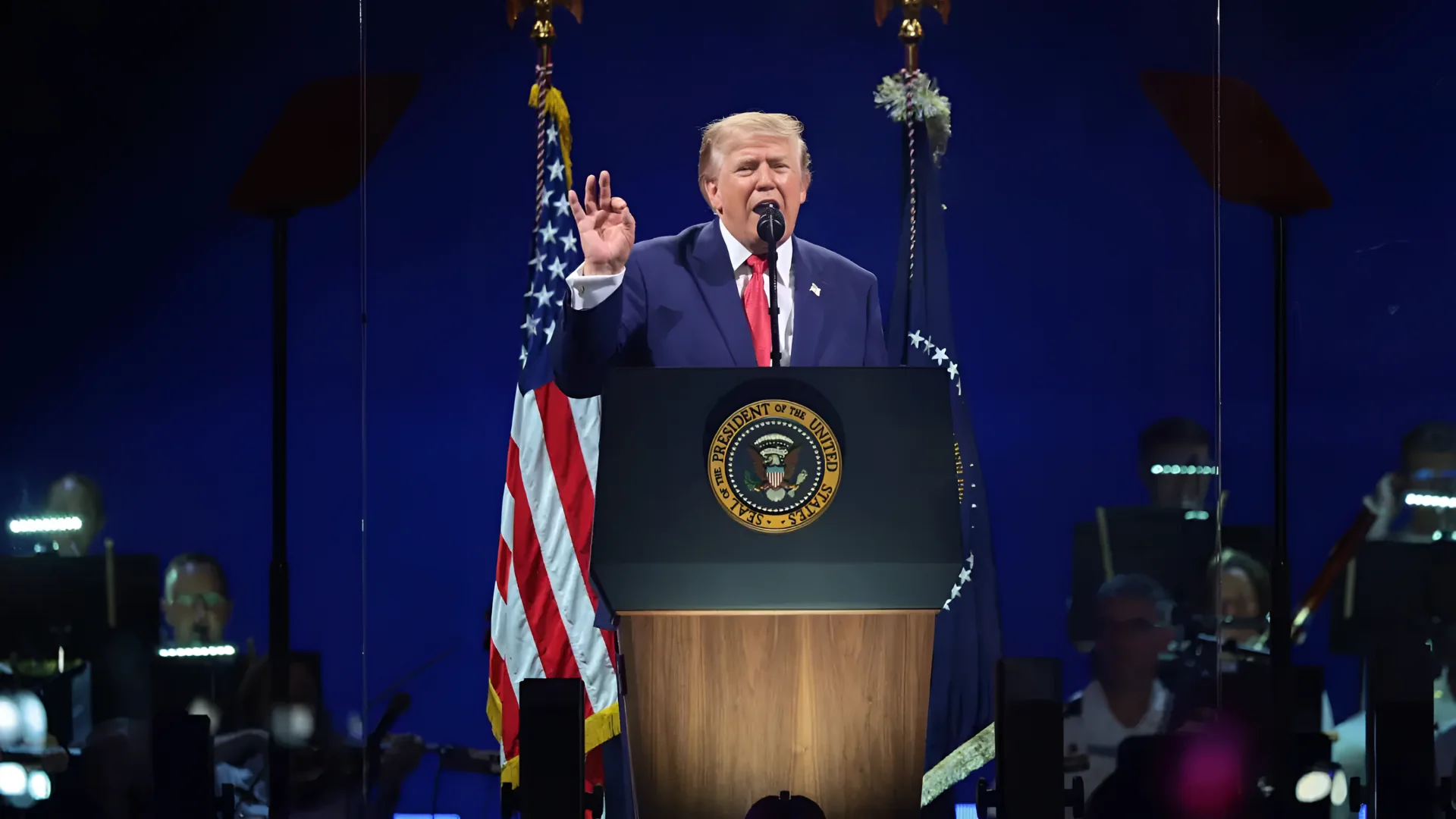
Storms Delay Trump's July 4 Speech, Not His Politics
A storm evacuation delayed Trump's America 250 keynote by nearly two hours, but the speech itself broke from past Independence Day addresses with midterms messaging.
America250 Funding Fight Clouds Trump's July 4 Plans
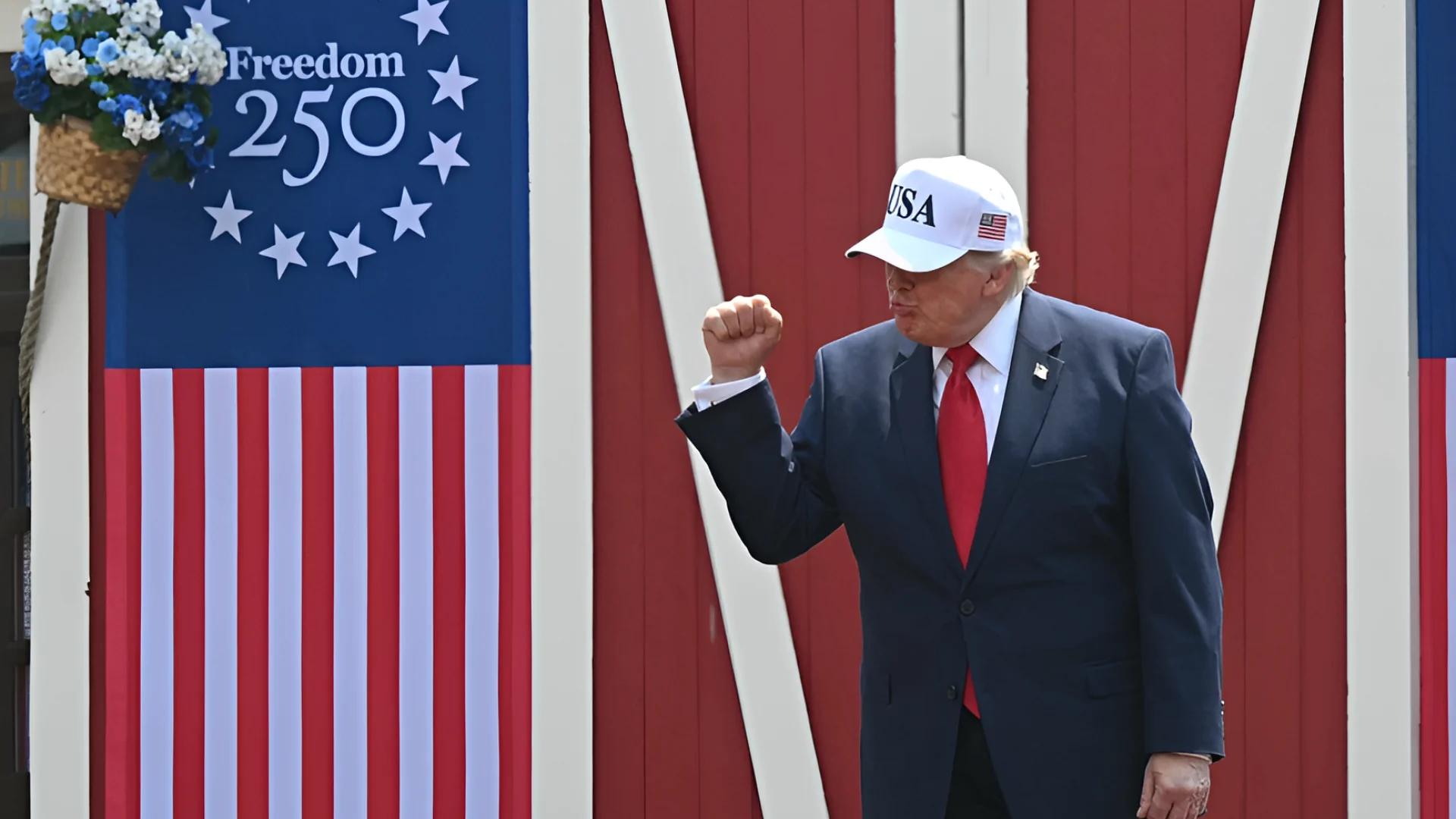
A House whistleblower report alleges Freedom 250 diverted funds intended for America250, as the 250th anniversary becomes a fundraising flashpoint.
Comments (0)
Please sign in to join the discussion.
No comments yet.
Be the first to share your perspective on this topic.