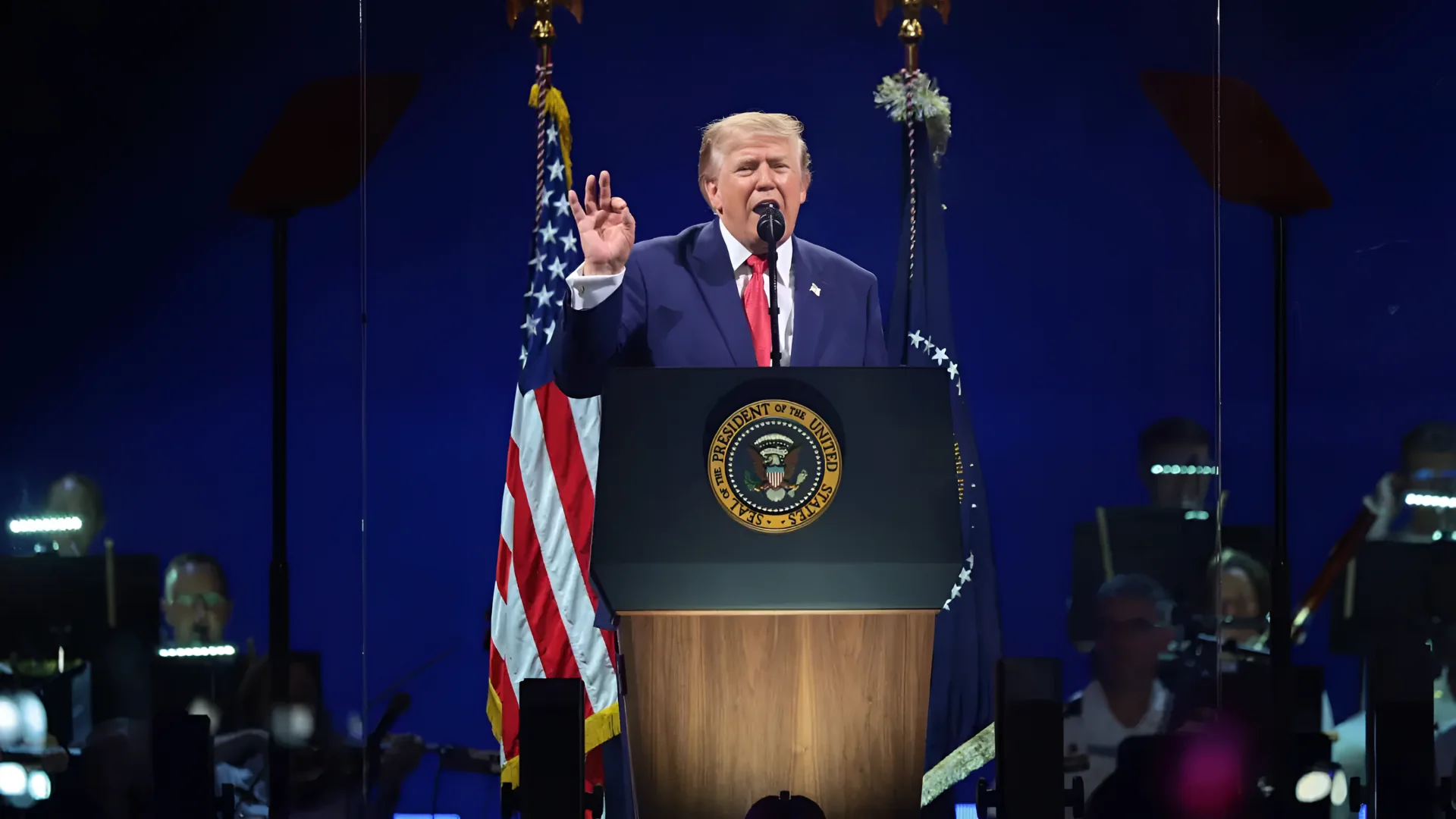
A severe weather evacuation pushed President Donald Trump's keynote at the National Mall nearly two hours past schedule. When he finally spoke, the address broke from the tradition of unifying Independence Day remarks.
A Storm Evacuation Pushes the Keynote to 11 p.m.
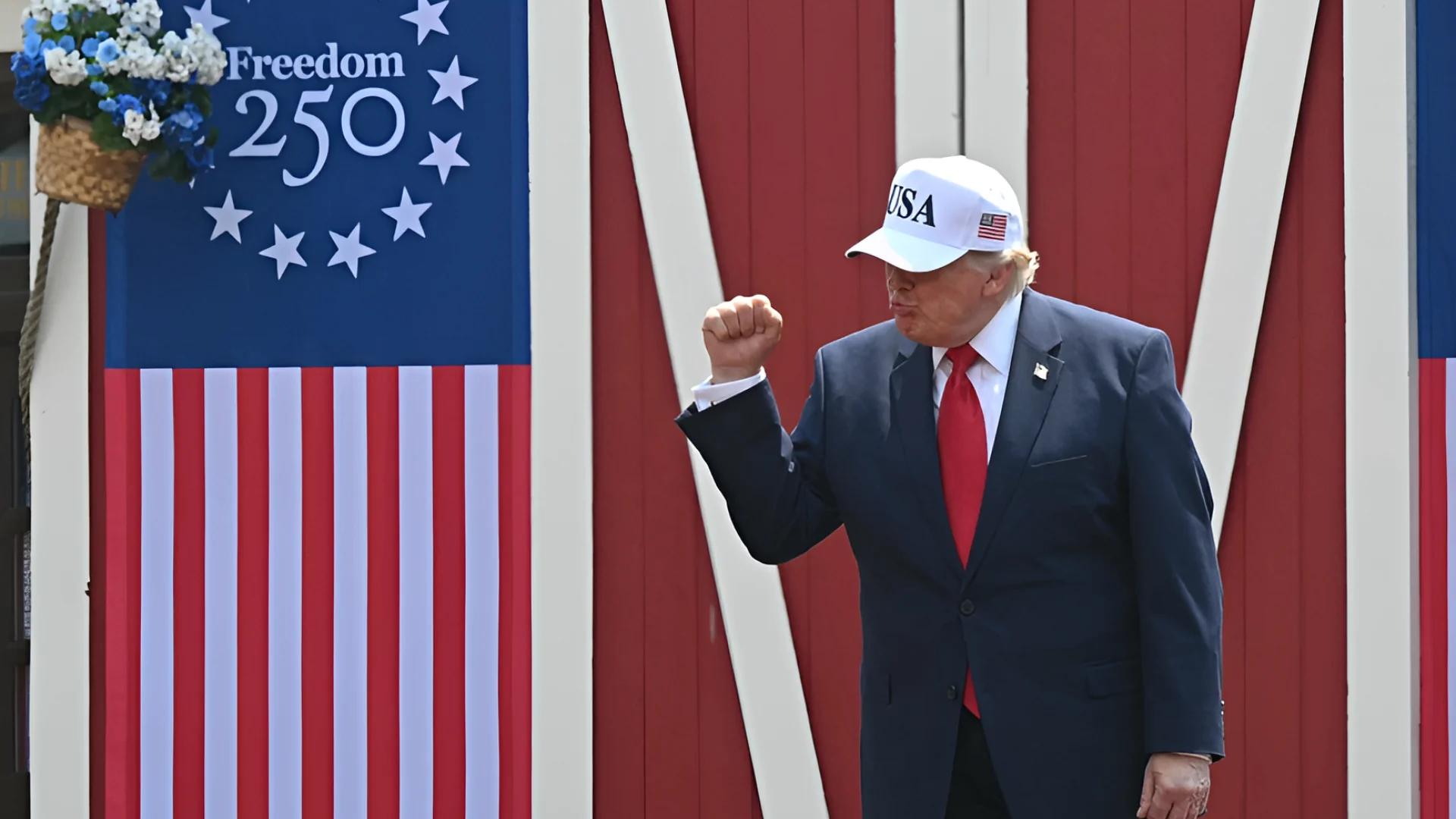
The country's 250th anniversary celebration, branded "Freedom 250" and "Salute to America 250," was still underway on the National Mall when the National Park Service issued an evacuation alert around 7:15 p.m. ET on July 4, according to WUSA9's coverage of the evacuation alert. Triple-digit heat combined with thunderstorms forced attendees into nearby federal buildings and Smithsonian museums for roughly two hours before gates reopened at 9:45 p.m.
The delay pushed Trump's keynote to 11 p.m., followed by fireworks. Freedom 250 spokesperson Danielle Alvarez framed the disruption as incidental to the occasion, saying rain "will never diminish" the celebration of what she called the greatest nation in history. The same storm system disrupted 250th-anniversary events elsewhere on the East Coast, forcing cancellations in Hartford and Harrisburg and brief evacuations in Philadelphia and Boston.
White House Organizers Replaced a Decade-Old Bipartisan Planning Body
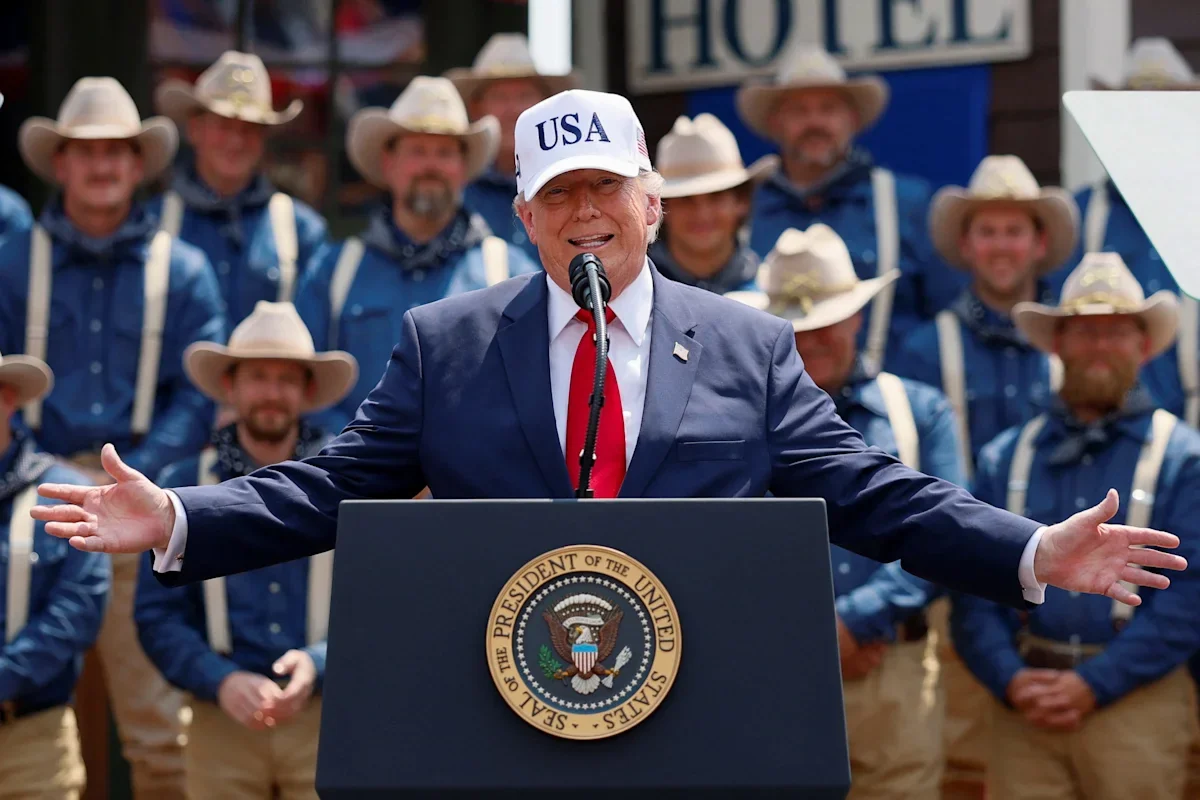
Beyond the weather, the event's format itself marked a departure. According to the New York Times' report on the address, the White House took direct control of programming, supplanting a bipartisan planning group that Congress had launched a decade earlier to organize the milestone anniversary. That shift in who ran the event set up the tone of what followed: a speech built around the president's own political priorities rather than a commission-brokered, cross-party program.
Trump Paired the Anniversary With Midterms Messaging
Independence Day keynotes have historically leaned toward unifying, nonpartisan language. This one didn't. Trump used the address to stump for the "SAVE America Act," an elections bill that Rolling Stone's account of the speech notes has drawn pushback even from some Republicans. He also reiterated his support for the Second Amendment and revived denunciations of the "threat" of communism, framing from his rally circuit rather than a milestone commemoration.
The president called the 250th anniversary one of the most joyous milestones in the nation's history and declared "We will always be on top," part of a broader riff on American exceptionalism. He also made a joke about seeking a third presidential term — a constitutionally barred outcome that nonetheless drew renewed attention given the setting.
Historic Flags and Veteran Honors Framed the Political Message
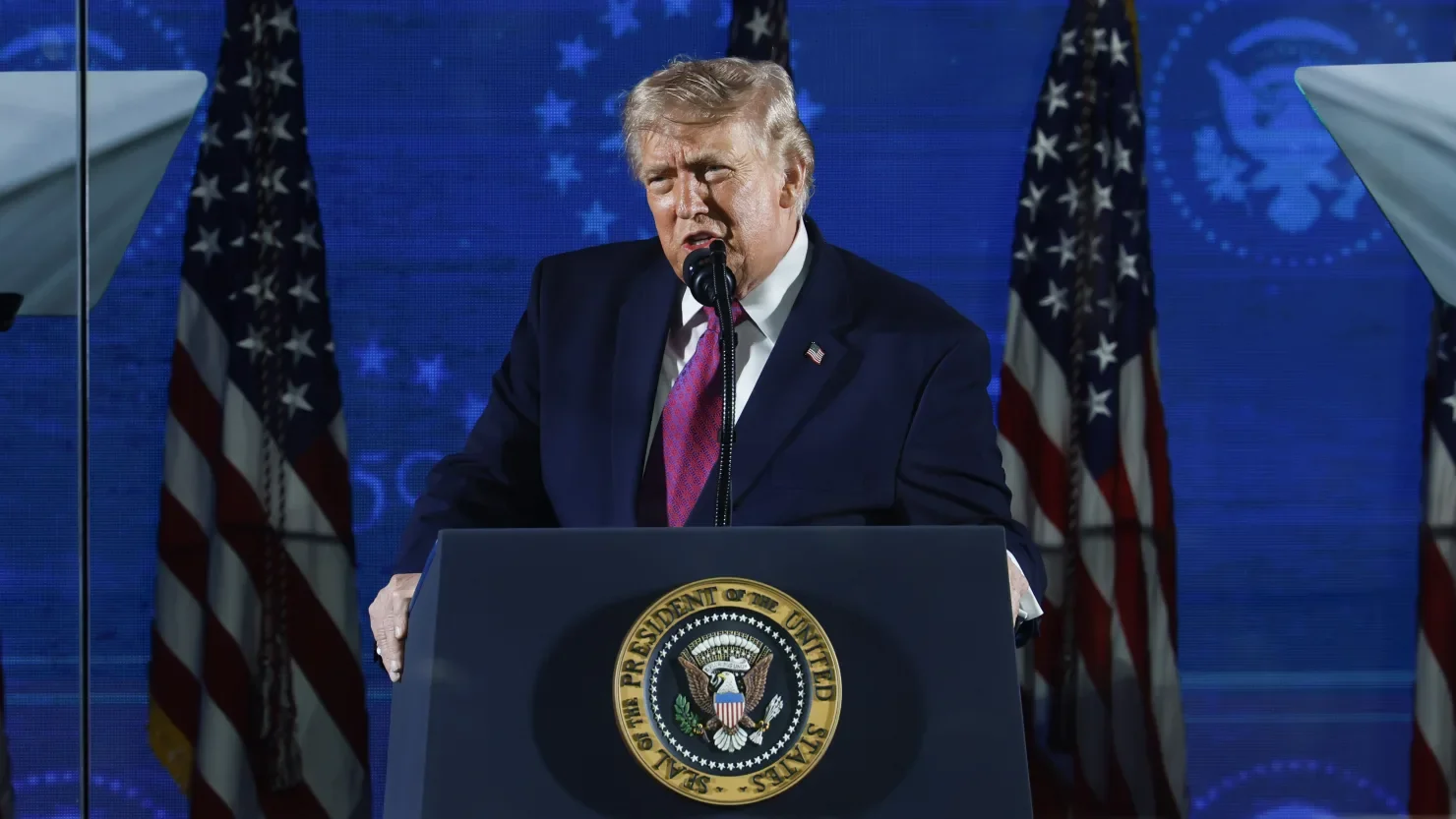
The staging leaned heavily on historical symbolism: the stage displayed the flag draped over Abraham Lincoln's casket and the flag flown aboard the Wright brothers' plane. Trump was introduced by Lee Greenwood, a frequent performer at his rallies, who sang "God Bless the USA" — blending campaign-trail staging with the commemorative occasion.
Trump also honored World War II veterans, telling the crowd he hated to admit it, but they were "the greatest generation," and he recognized one of the first Black officers to lead a Special Forces team in Vietnam. Those tributes were presented, per PBS NewsHour's broadcast of the keynote, without the overtly partisan framing that colored the rest of the speech — a contrast that underscores how selectively the unifying tone was applied.
Whether the SAVE America Act advances remains unresolved, and its reception even within the president's own party suggests the midterms messaging embedded in a nonpartisan milestone event may not settle cleanly along party lines.
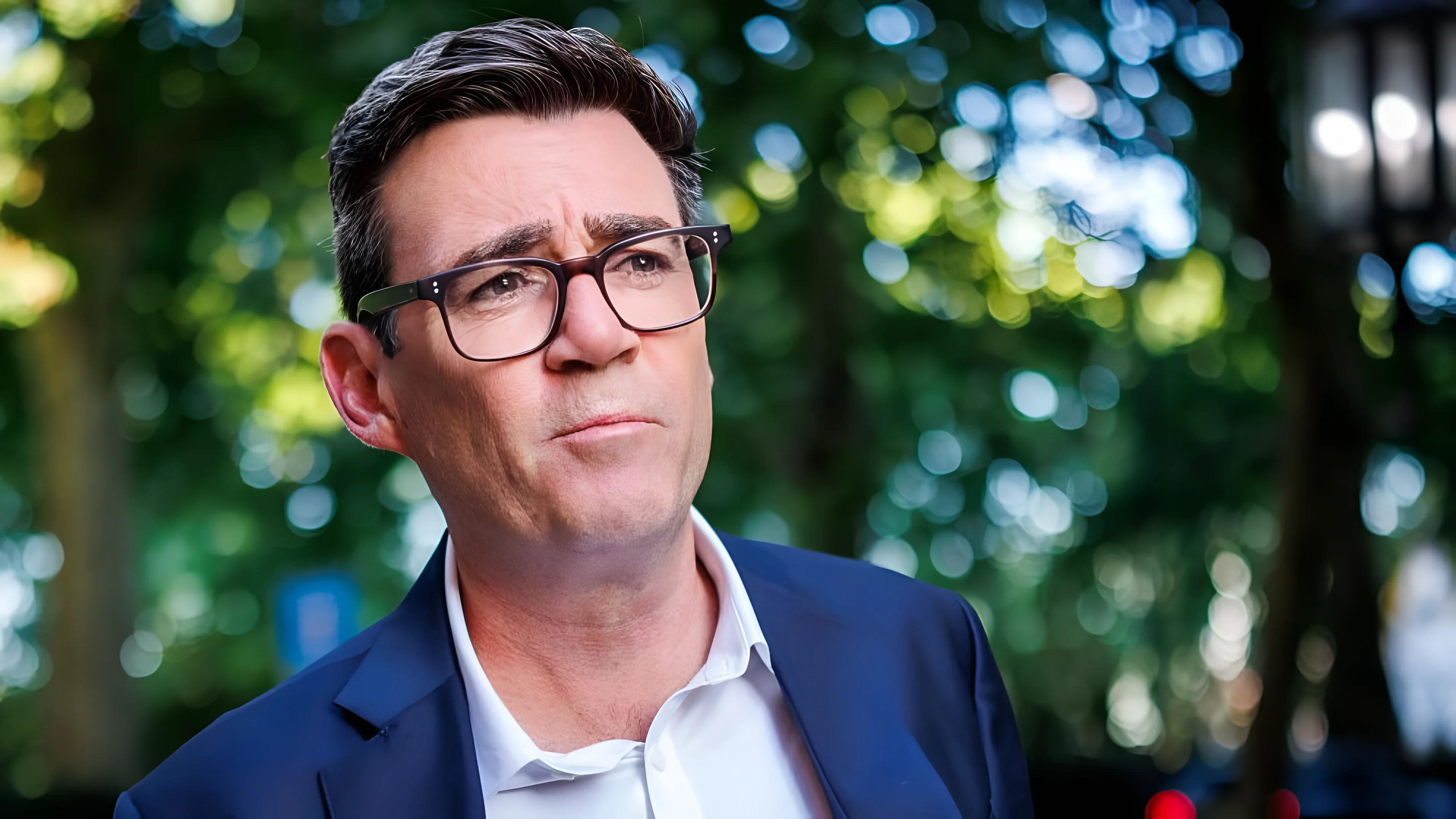
Andy Burnham Confirmed Labour Leader With Record 94% MP Backing
Andy Burnham won 379 of 403 Labour MPs' nominations, a modern-era record, as Survation found Labour level with Reform UK for the first time in a year.
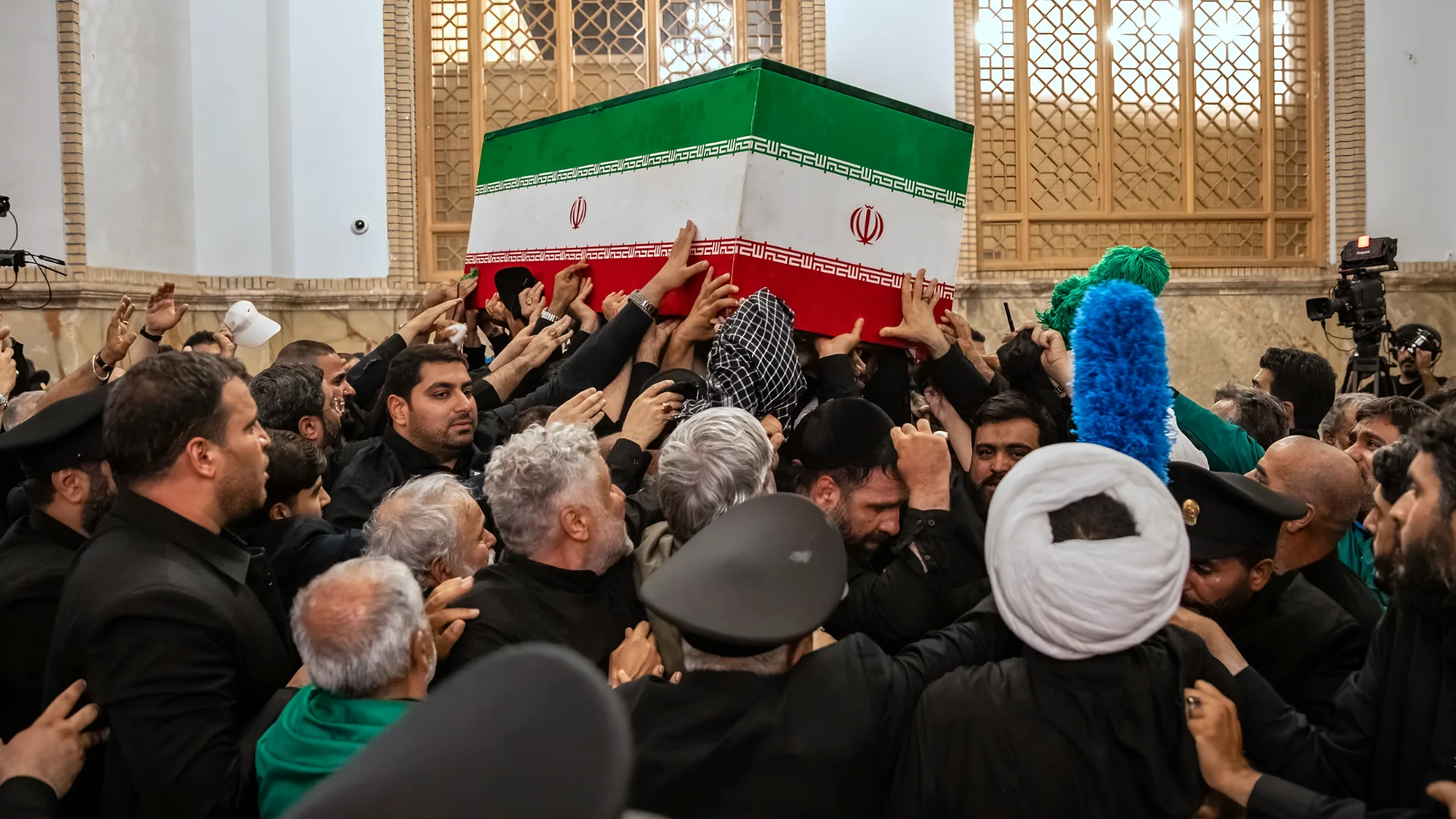
Israel Tells US of a New Plot to Assassinate Trump as the Iran Ceasefire Collapses
Amid renewed US-Iran strikes and a fraying ceasefire, Israel warned Washington of a new, unverified plot to assassinate Trump.
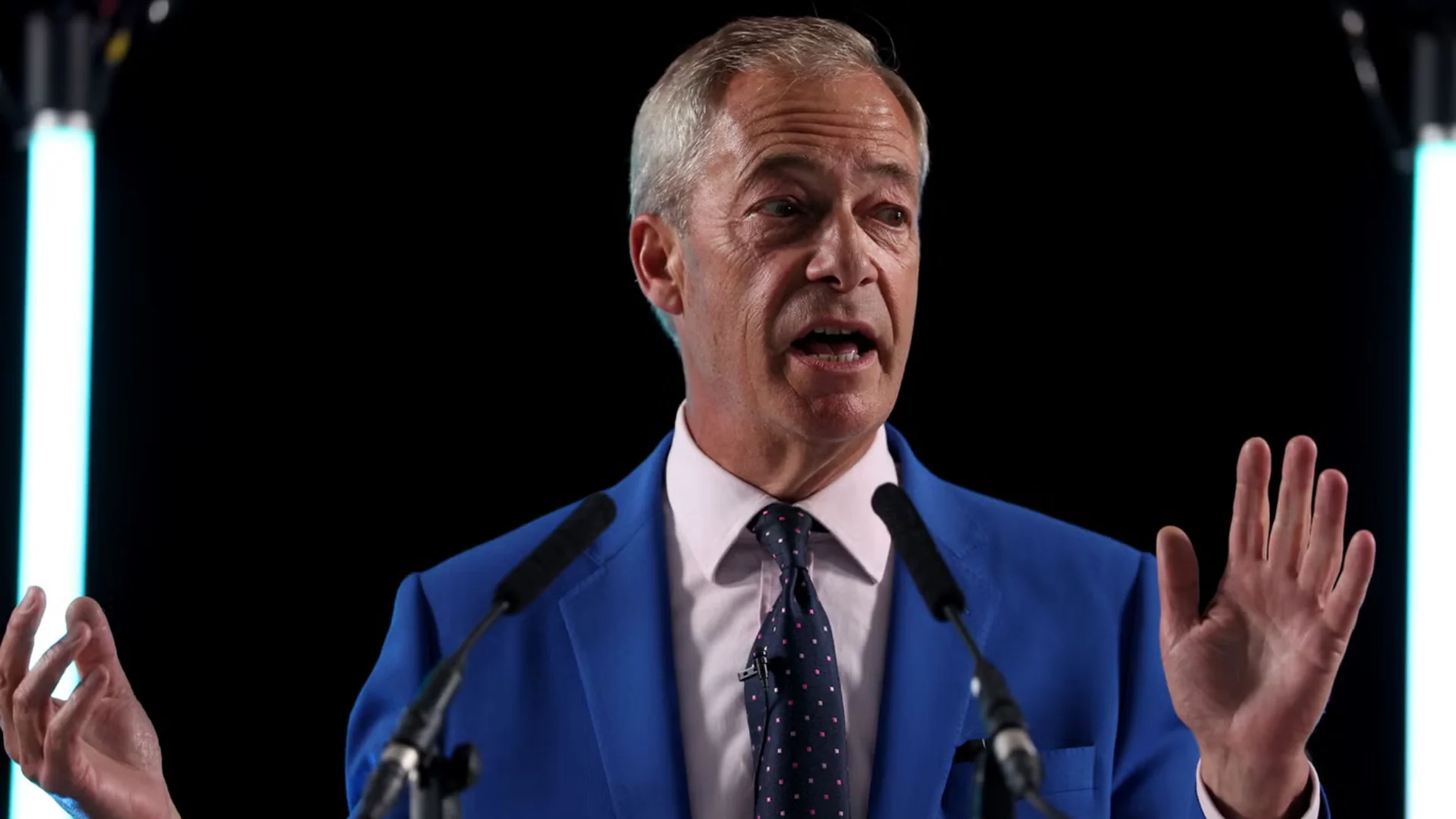
Farage Faces Two Watchdogs Over Cottrell's Hidden Funding
A Sunday Times investigation says George Cottrell funded Farage's staff, security and housing before 2024. Two watchdogs are now weighing separate legal tests.
America250 Funding Fight Clouds Trump's July 4 Plans
A House whistleblower report alleges Freedom 250 diverted funds intended for America250, as the 250th anniversary becomes a fundraising flashpoint.
Comments (0)
Please sign in to join the discussion.
No comments yet.
Be the first to share your perspective on this topic.