
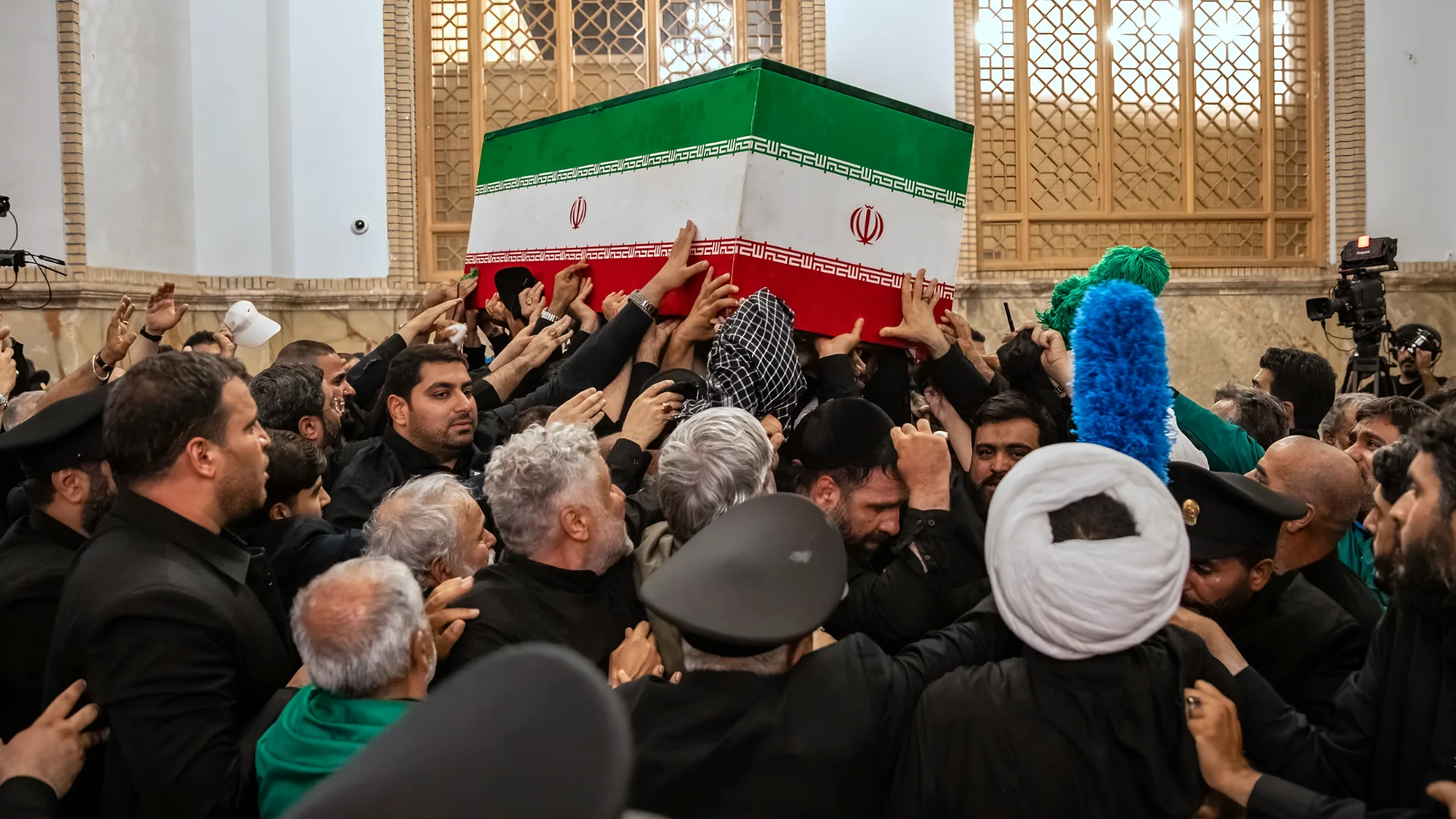
Israel has given the United States new intelligence describing a fresh Iranian plot to kill President Trump, arriving in the same week that US and Iranian forces exchanged fire and a fragile ceasefire over the Strait of Hormuz began to unravel.
A Warning Arrives Days After Funeral Crowds Called for Trump's Death
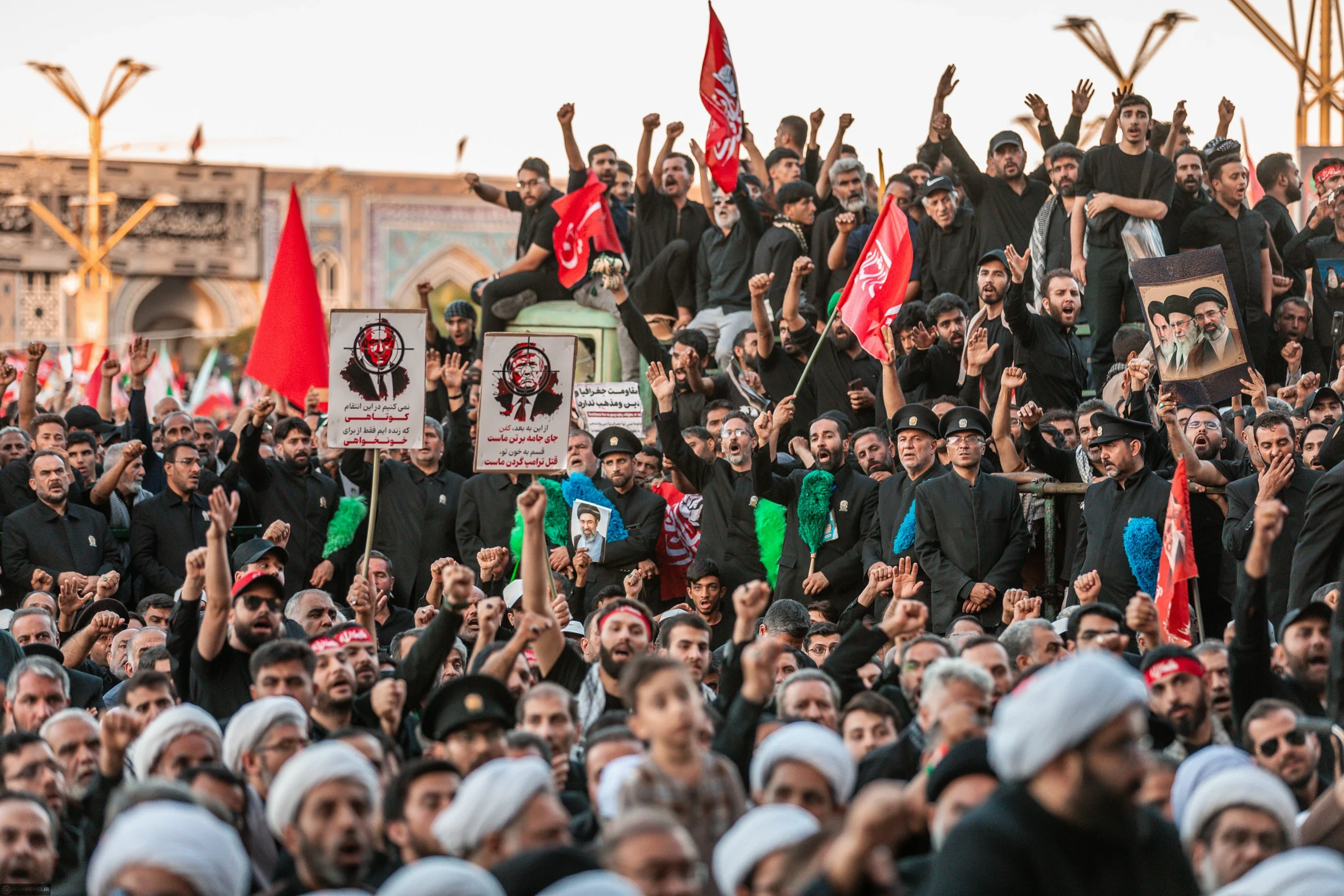
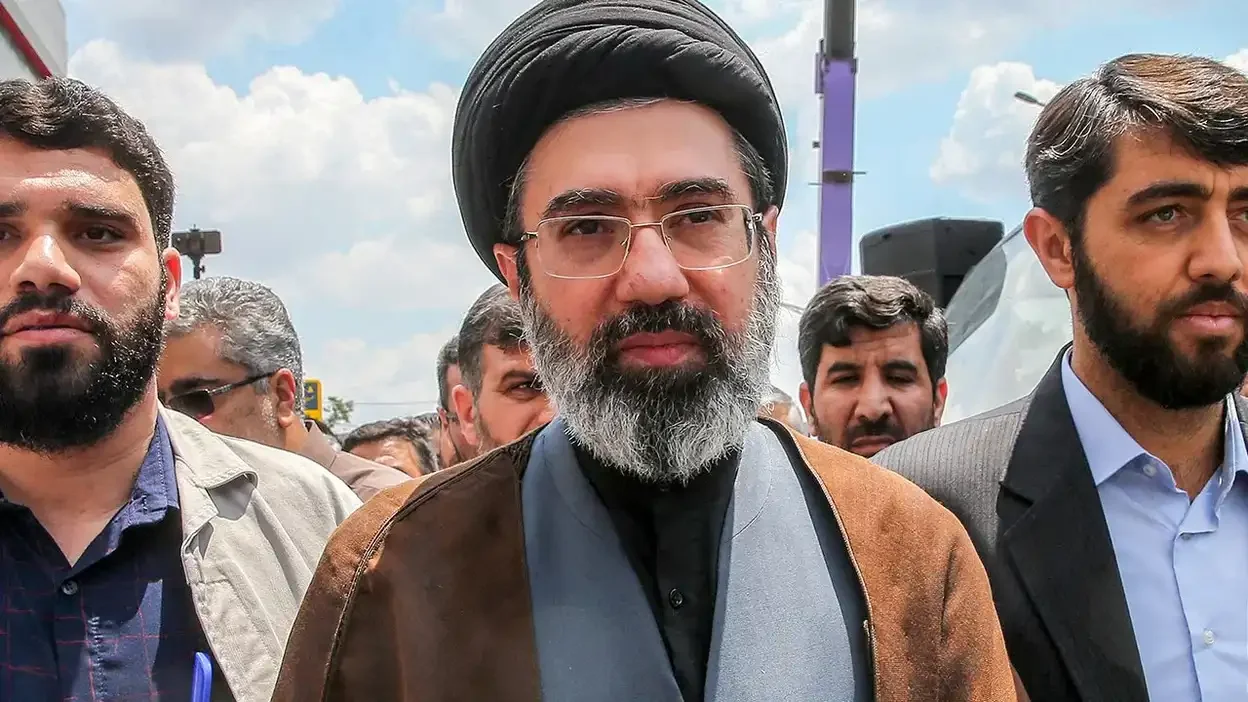
The warning, detailed in reporting on the assassination warning, came during the week-long funeral proceedings in Iran for Ayatollah Ali Khamenei, the Supreme Leader killed in joint US-Israeli strikes on February 28. During those ceremonies, mourners carried signs reading "WE WILL KILL TRUMP," and Mojtaba Khamenei, who succeeded his father as Supreme Leader, vowed revenge on social media. Speaking to reporters, Trump acknowledged the threats directly, saying he had learned he was near the top of Iran's target list and that he had "been a bit lucky" so far. The White House, asked for comment on the Israeli warning, pointed reporters back to those remarks rather than issuing a new statement.
Washington Has Not Verified the Specific Plot Israel Described
What separates this warning from the threats Trump and his aides have referenced for years is specificity, not certainty. US intelligence agencies had already been tracking what officials describe as a steady, ongoing stream of chatter about possible attempts on Trump's life, a pattern dating back to the 2020 killing of Iranian general Qassem Soleimani. What arrived this week was different in kind: a named, operational-sounding plot, rather than generalized hostility. Yet American agencies had not independently corroborated it before receiving it from Israel, and some US officials have raised a separate concern — that the timing of the disclosure may be less about protecting Trump and more about shaping his decisions. Israel is not a party to the ceasefire talks with Iran, and officials who spoke to reporters suggested the intelligence drop could be intended to push Trump toward a harder military posture and away from further diplomacy. Security analysts remain split on whether the plot is genuinely operational or sits closer to aspiration, even as they agree it fits a long-declared Iranian intent to retaliate.
Strikes Over the Strait of Hormuz Have Already Reopened the Wider War
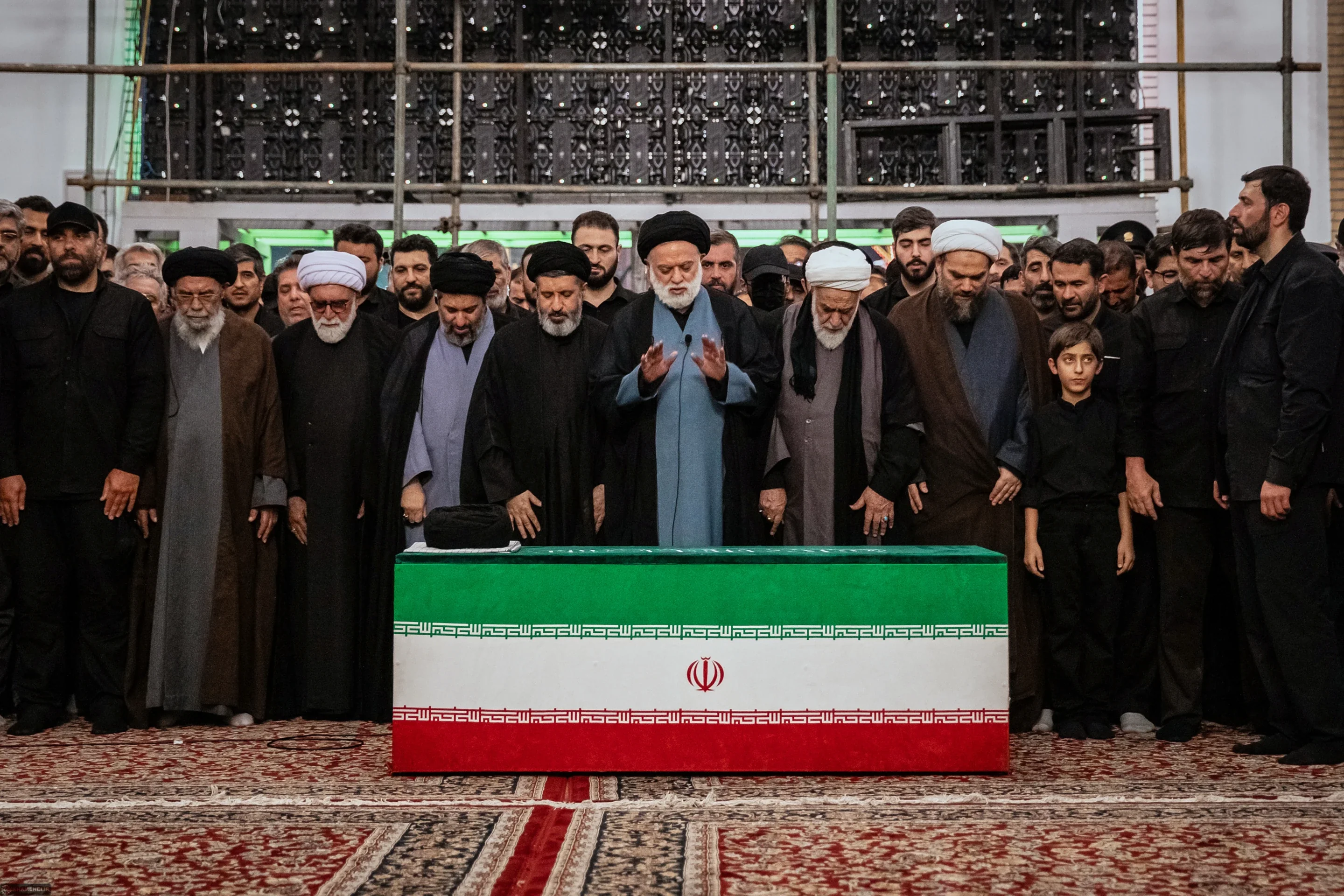
The warning did not emerge in isolation. Between July 8 and July 10, the US and Iran traded fire directly, with American forces striking roughly 90 targets after Iran attacked commercial vessels moving through the Strait of Hormuz, according to coverage of the renewed Hormuz strikes and oil market reaction. That exchange came after Trump had declared the existing memorandum of understanding between Washington and Tehran "over," even as the White House separately described the arrangement as "performance-based" — language that leaves room for either side to claim the other broke it first. Despite the public rupture, diplomatic contact between the two governments is reportedly continuing out of view, a detail that complicates any simple reading of the strikes as the end of negotiations rather than pressure within them. The war itself began with the February strikes that killed Khamenei, an operation reporting on Khamenei's funeral and the killing that started the war traces back to the joint US-Israeli campaign that removed Iran's leadership without installing a clear successor until Mojtaba Khamenei's appointment weeks later.
Oil Markets Are Pricing In a Conflict That Isn't Cooling Off
The financial signal is arriving alongside the political and military ones. Global oil demand is falling as a direct consequence of the war, even as demand inside the United States has held up unexpectedly despite rising prices, according to an International Energy Agency assessment cited in market analysis of oil demand under wartime conditions. That split matters because it suggests the war's economic drag is not being felt evenly: buyers most exposed to shipping risk through the Strait are pulling back, while US consumers, insulated by domestic supply and accustomed to volatility after months of conflict, have not yet changed behavior. It is an early, partial data point rather than a verdict on how long elevated prices can coexist with steady American demand, and the IEA's own framing leaves that question open.
What Remains Unresolved
None of the threads here — the assassination warning, the resumed strikes, the ceasefire's ambiguous status, or the oil market's uneven response — has fully resolved. The plot Israel described has not been independently verified by the agencies responsible for protecting Trump. The ceasefire that supposedly ended the February war is simultaneously "over" by the president's own words and still being worked on behind closed doors. What is confirmed is narrower than the headlines suggest: Israel passed a specific warning, the US struck roughly 90 targets after attacks on shipping, and global oil markets have begun adjusting to a war that shows no clear sign of stopping.

Before Argentina-Spain: Messi's Goal Record, the Ballon d'Or Math, and Why Models Favor Spain
Mbappé now owns the World Cup goal record. Messi has a Golden Boot deficit and a 9th Ballon d'Or on the line. Here's the data before Sunday's final.


The Retirement Countdown: What to Fix at 5 Years, 3 Years and 1 Year Out
Retirement checklist: what advisors say to fix at 5, 3 and 1 year out — Social Security claiming order, IRA withdrawal sequencing and a 2028 tax deadline.


Vatican Excommunicates SSPX Bishops Over Écône Rite
Rome declared the Society of St. Pius X in schism on July 2, 2026, excommunicating six bishops and warning followers they risk the same penalty.

Crypto Overtakes Real Estate as Trump's Top Income Source, 2025 Disclosure Shows
President Donald Trump’s 2025 financial disclosure reveals $1.2B+ in crypto earnings, outpacing real estate as his top income source amid ethics scrutiny.
Comments (0)
Please sign in to join the discussion.
No comments yet.
Be the first to share your perspective on this topic.