
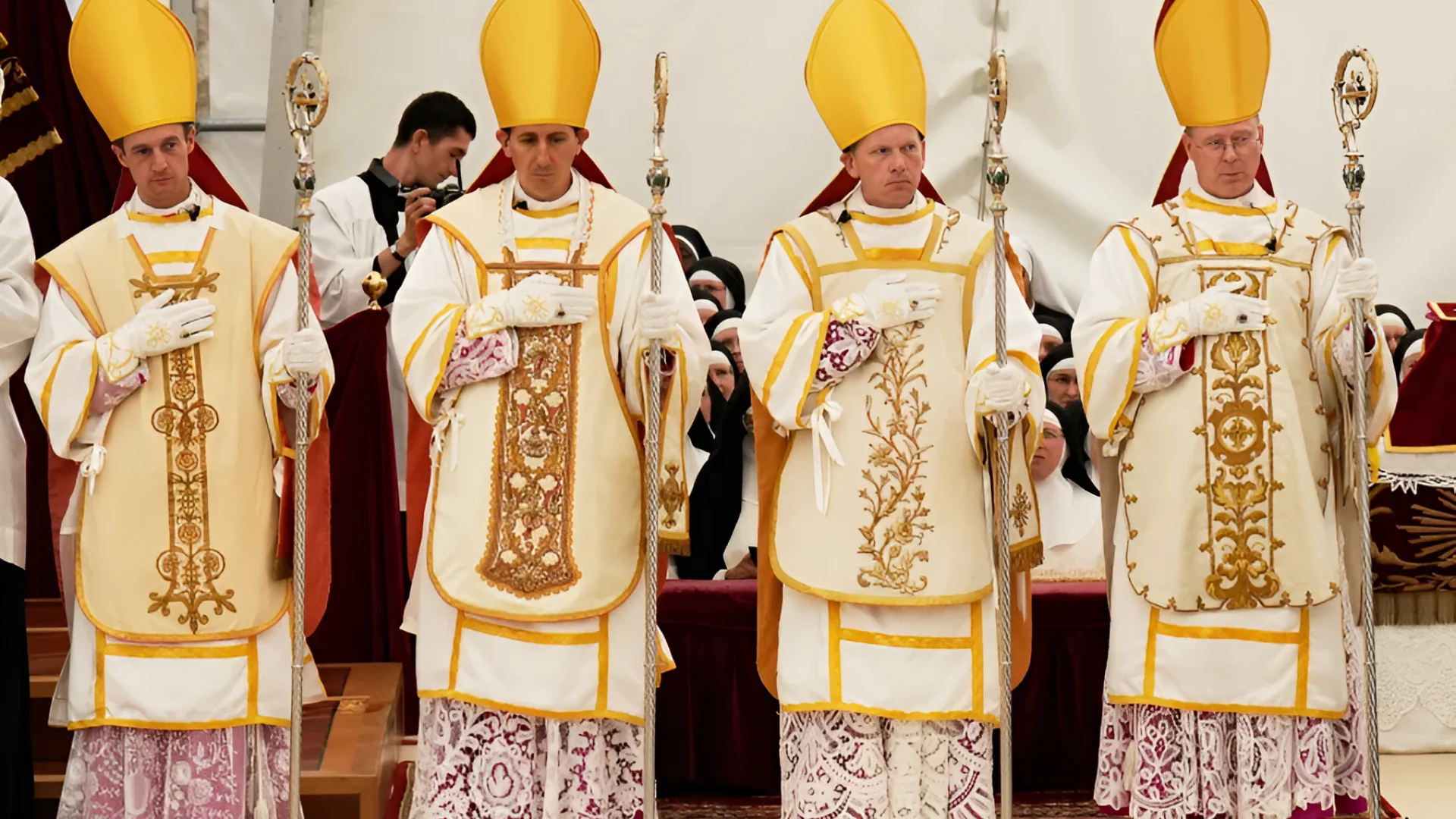
The Vatican formally declared the traditionalist Society of St. Pius X in schism on July 2, 2026, excommunicating six of its bishops one day after the group consecrated four new bishops without papal approval at its seminary in Écône, Switzerland.
Four New Bishops Consecrated in Defiance of a Papal Appeal
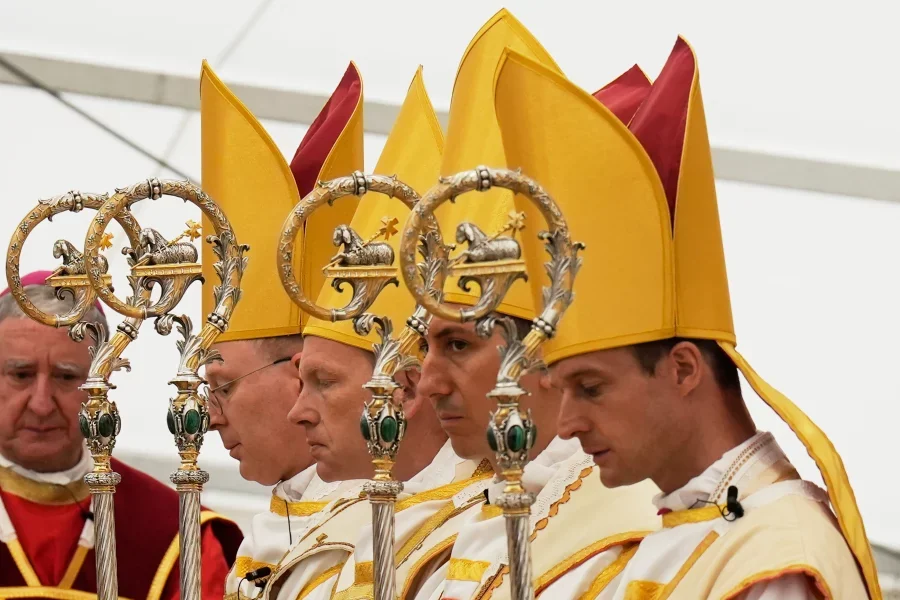
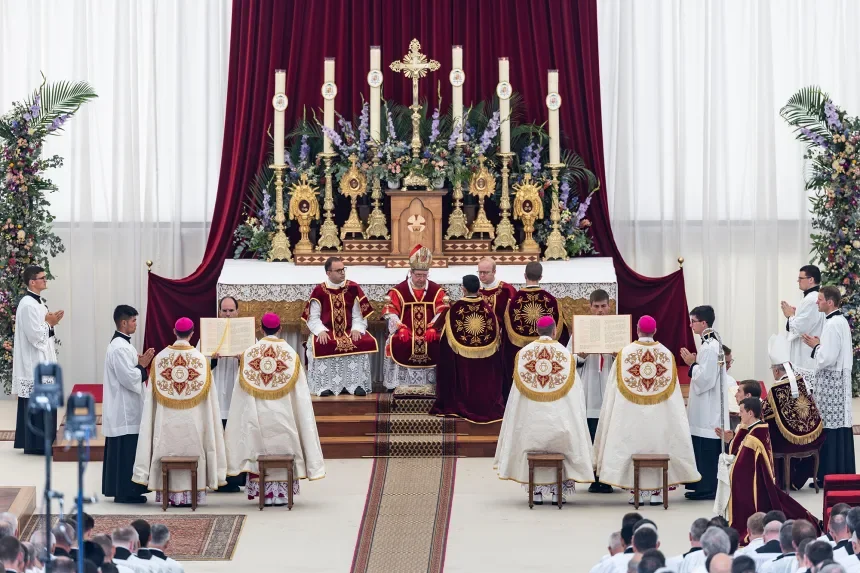
The consecrations took place July 1 at the SSPX seminary in Écône, with Bishop Alfonso de Galarreta serving as principal consecrator and Bishop Bernard Fellay as co-consecrator. The four men elevated to the episcopate were Fr. Marc Hanappier of France, Fr. Michel Poinsinet de Sivry of France, Fr. Michael Goldade of the United States, and Fr. Pascal Schreiber of Switzerland. The ceremony went forward despite a personal, final appeal from Pope Leo XIV asking the society to halt, and despite a Vatican warning issued May 13 that proceeding would trigger automatic excommunication.
Rome's Decree Reaches Beyond the Six Bishops
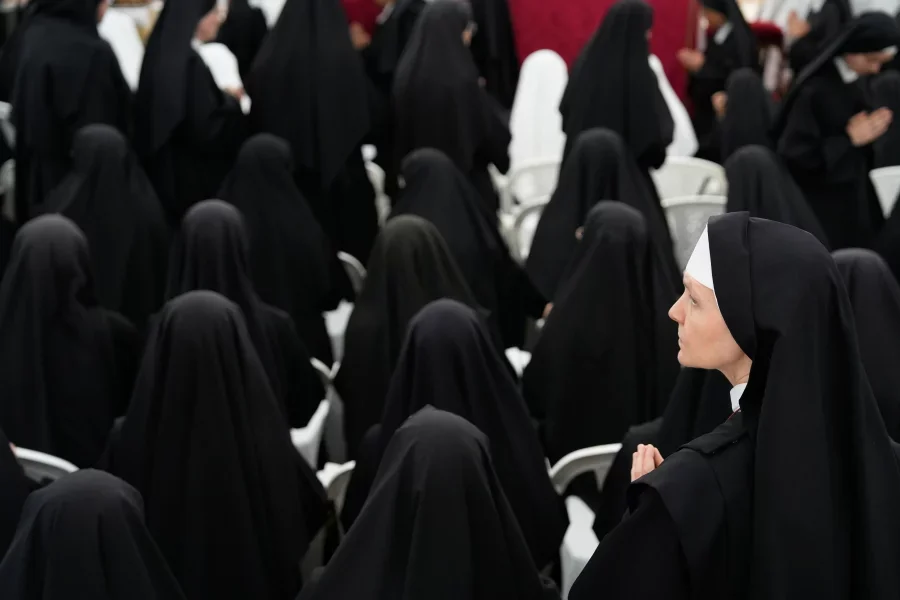
The Dicastery for the Doctrine of the Faith, in a decree signed by Cardinal Víctor Manuel Fernández, ruled that the six bishops involved had committed a "schismatic act" and incurred latae sententiae — automatic — excommunication reserved to the Holy See. The Vatican did not stop at the bishops themselves. It declared SSPX priests generally to be schismatic and therefore excommunicated, and it invalidated the sacraments of confession and marriage that those priests administer. The decree further warned that any lay faithful or clergy who formally adhere to the SSPX schism risk incurring the same automatic excommunication.
That combination — sanctioning not just the consecrators and the consecrated but the wider priestly body and its sacraments — extends past what canon law alone requires for an illicit consecration, signaling that Rome chose to treat this as a formal rupture rather than an isolated disciplinary violation.
A 1988 Precedent the Vatican Had Spent Years Trying to Undo
The SSPX was founded in 1970 by French Archbishop Marcel Lefebvre in opposition to the modernizing reforms of the Second Vatican Council, particularly its approach to interfaith relations and its move away from the traditional Latin Mass. Lefebvre himself consecrated four bishops without papal consent in 1988, drawing excommunications that Pope Benedict XVI lifted in 2009 as part of a broader effort to bring the society back into the church's fold. Thursday's decree reverses years of that outreach, placing the SSPX in a canonical position more severe than the one it held before the 2009 reconciliation attempt began.
Whether Rome's latest action produces a similar eventual reversal, or marks a permanent break, is not something the current decree addresses — it establishes the penalty without forecasting the society's long-term standing.

Before Argentina-Spain: Messi's Goal Record, the Ballon d'Or Math, and Why Models Favor Spain
Mbappé now owns the World Cup goal record. Messi has a Golden Boot deficit and a 9th Ballon d'Or on the line. Here's the data before Sunday's final.


The Retirement Countdown: What to Fix at 5 Years, 3 Years and 1 Year Out
Retirement checklist: what advisors say to fix at 5, 3 and 1 year out — Social Security claiming order, IRA withdrawal sequencing and a 2028 tax deadline.

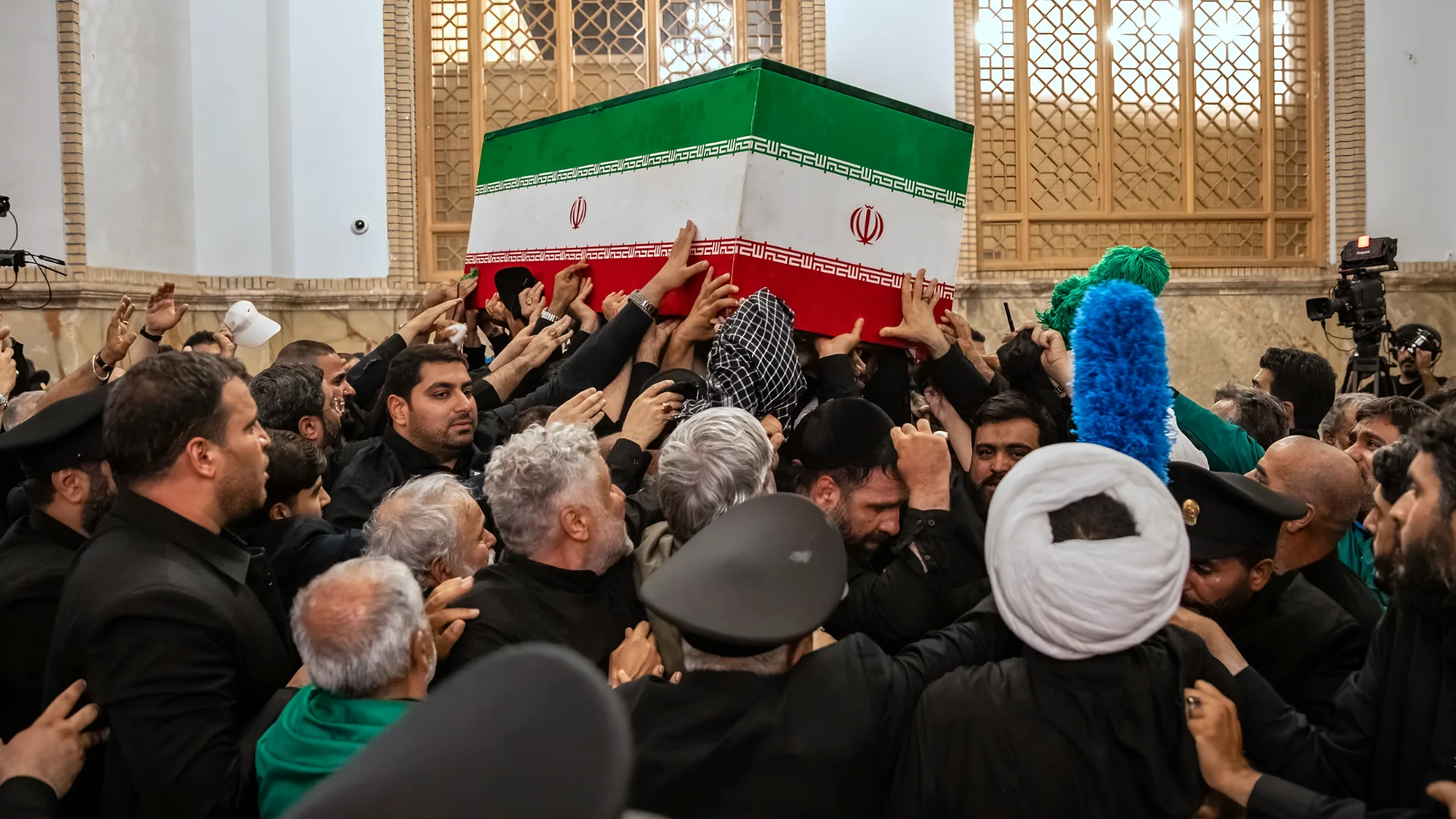
Israel Tells US of a New Plot to Assassinate Trump as the Iran Ceasefire Collapses
Amid renewed US-Iran strikes and a fraying ceasefire, Israel warned Washington of a new, unverified plot to assassinate Trump.
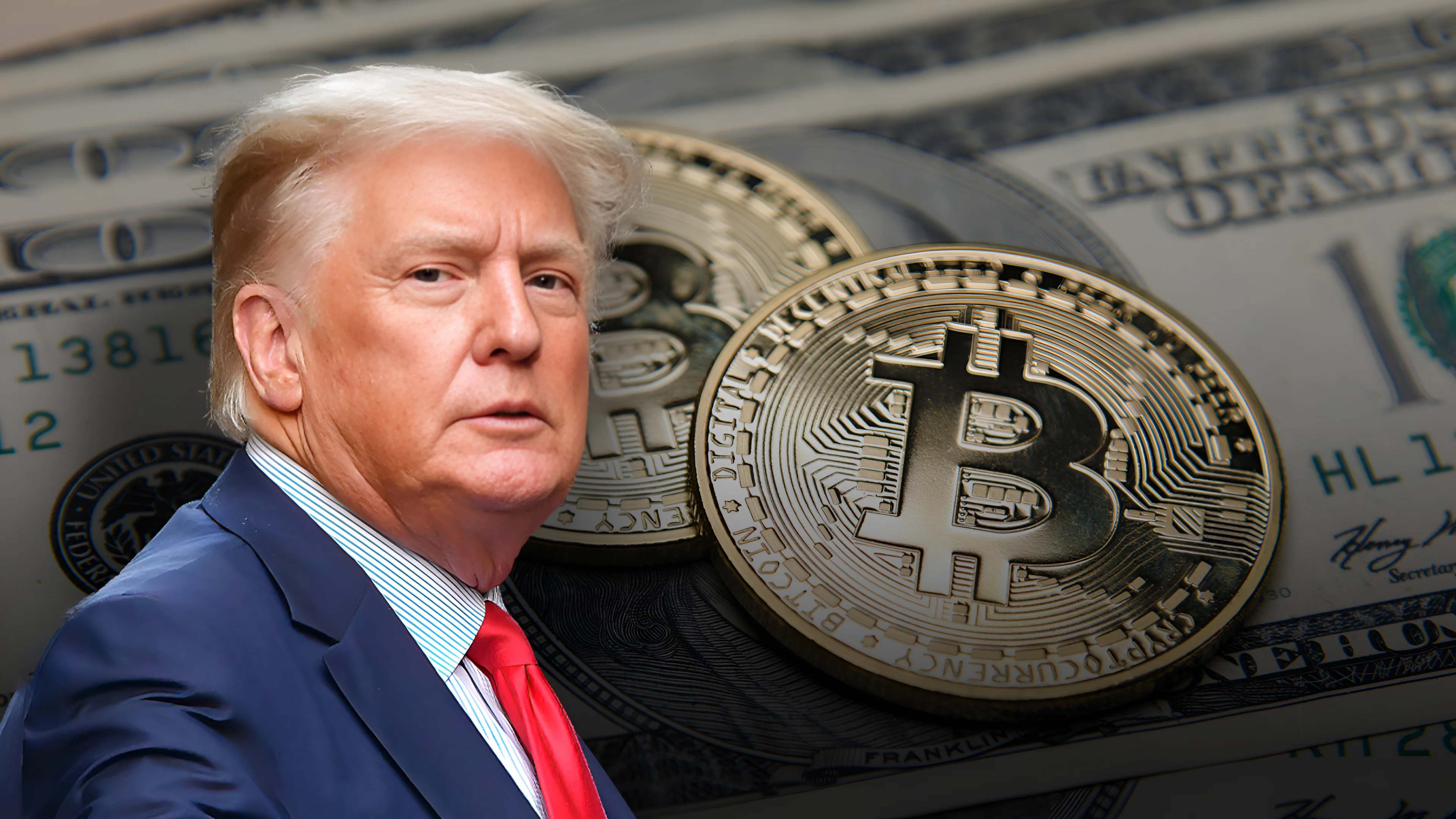
Crypto Overtakes Real Estate as Trump's Top Income Source, 2025 Disclosure Shows
President Donald Trump’s 2025 financial disclosure reveals $1.2B+ in crypto earnings, outpacing real estate as his top income source amid ethics scrutiny.
Comments (0)
Please sign in to join the discussion.
No comments yet.
Be the first to share your perspective on this topic.