
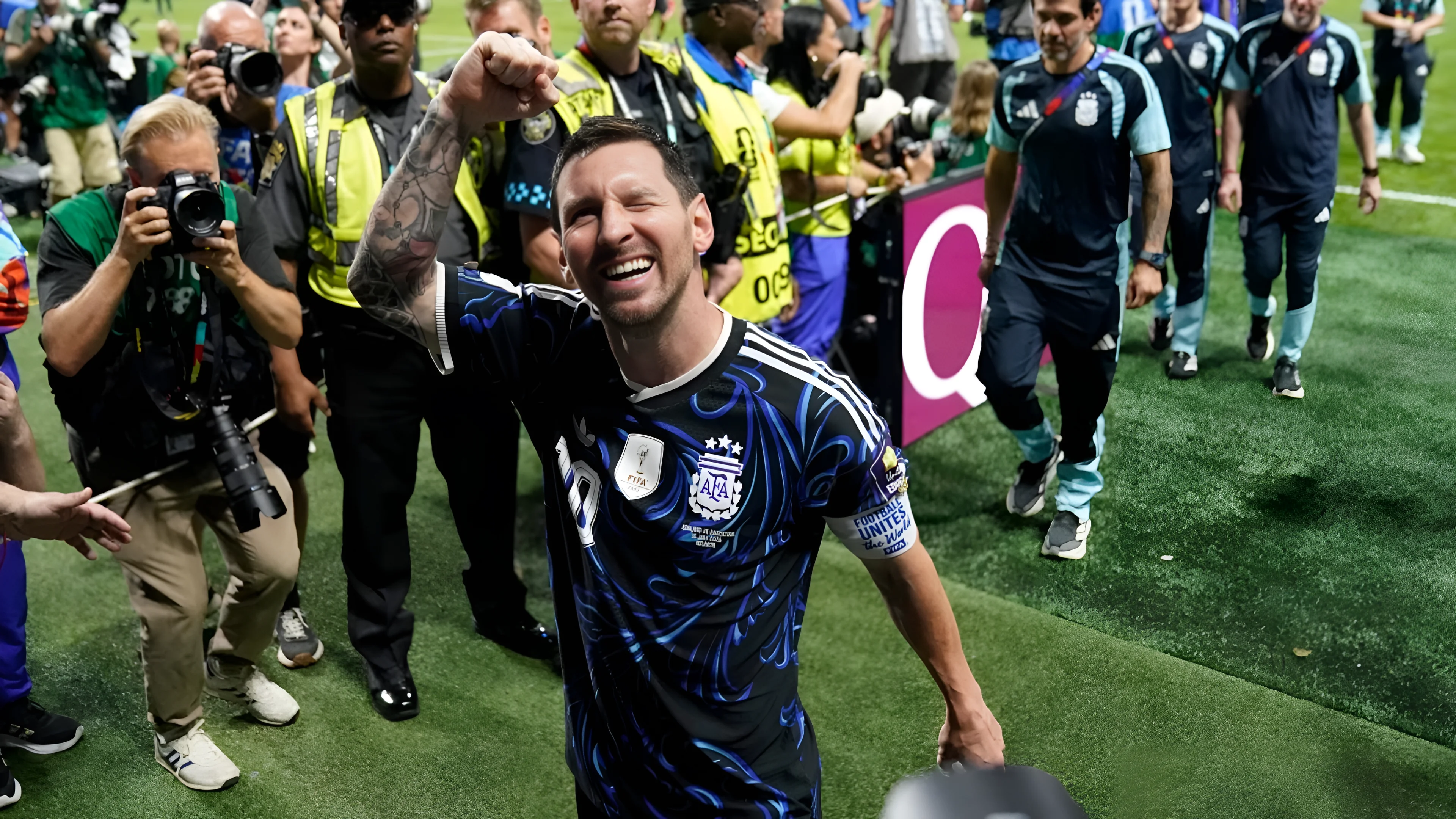
Lionel Messi walks into Sunday's final no longer holding the record he built this tournament on. Here's what the numbers actually say before kickoff at MetLife Stadium.
Mbappé, Not Messi, Now Owns the All-Time World Cup Scoring Record
For most of this tournament, the storyline around Messi's scoring was straightforward: he had become the outright leading goalscorer in men's World Cup history. That changed Saturday. Kylian Mbappé scored twice in France's third-place playoff loss to England, taking his career tally to 22 World Cup goals against Messi's 21 — a record that had been Messi's alone since he passed Miroslav Klose earlier in the tournament. Mbappé, speaking afterward, said he would have traded the record for a place in Sunday's final instead.
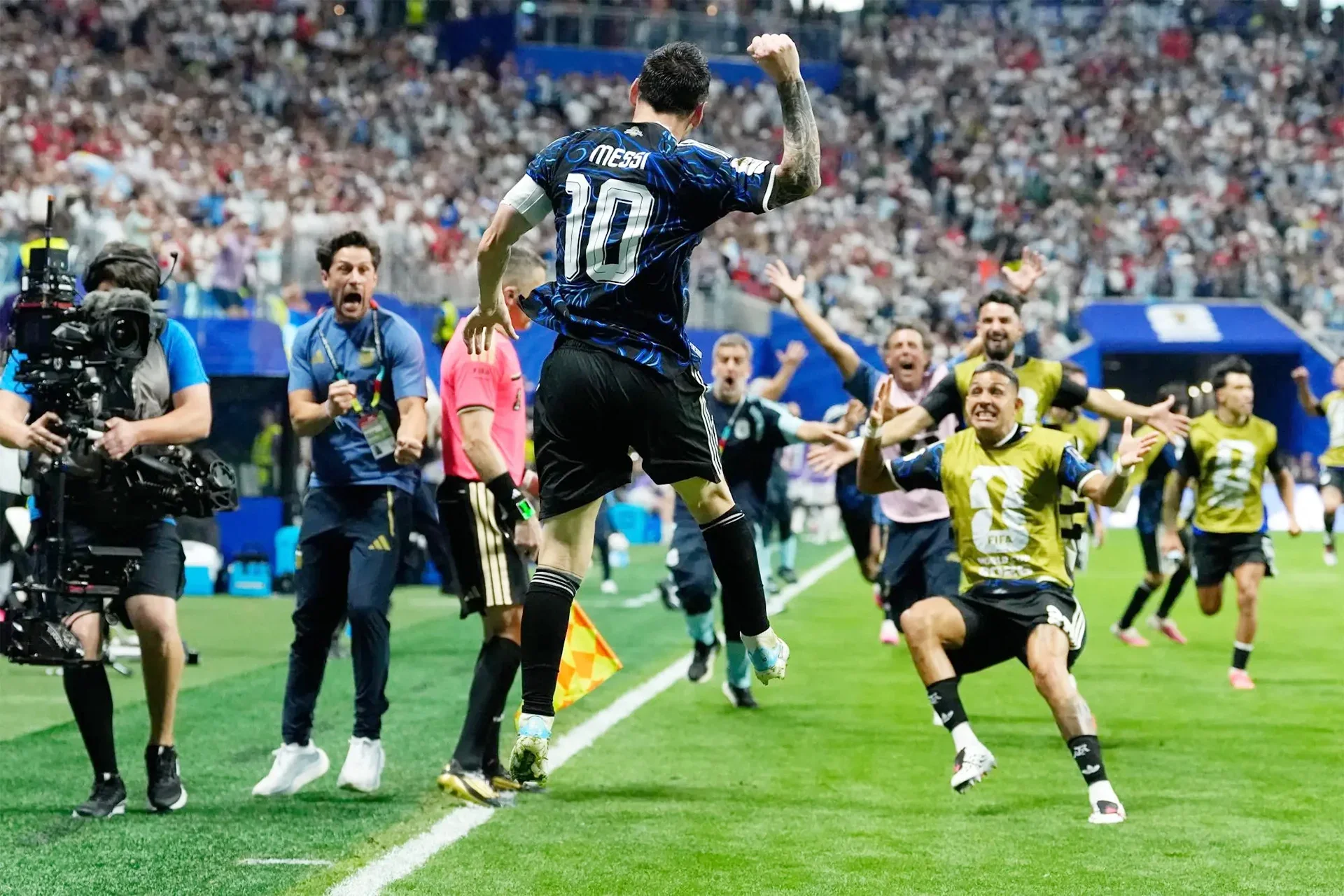
The two totals measure different things than the tournament's Golden Boot race, which is still open. Messi has scored eight goals and added four assists in this World Cup; Mbappé finished his tournament with ten goals before France's elimination. Because Mbappé is done playing, Messi could still close that specific gap on Sunday — but he cannot retake the all-time career record without playing in another World Cup after this one, since Mbappé's total is now fixed at 22 heading into a match Messi is still part of.
Two Very Different Roads to the Same Sunday
The two finalists arrive from opposite tournaments. Argentina has scored more — 19 goals against 7 conceded — but has needed extra time twice and trailed in three separate knockout matches before winning late.
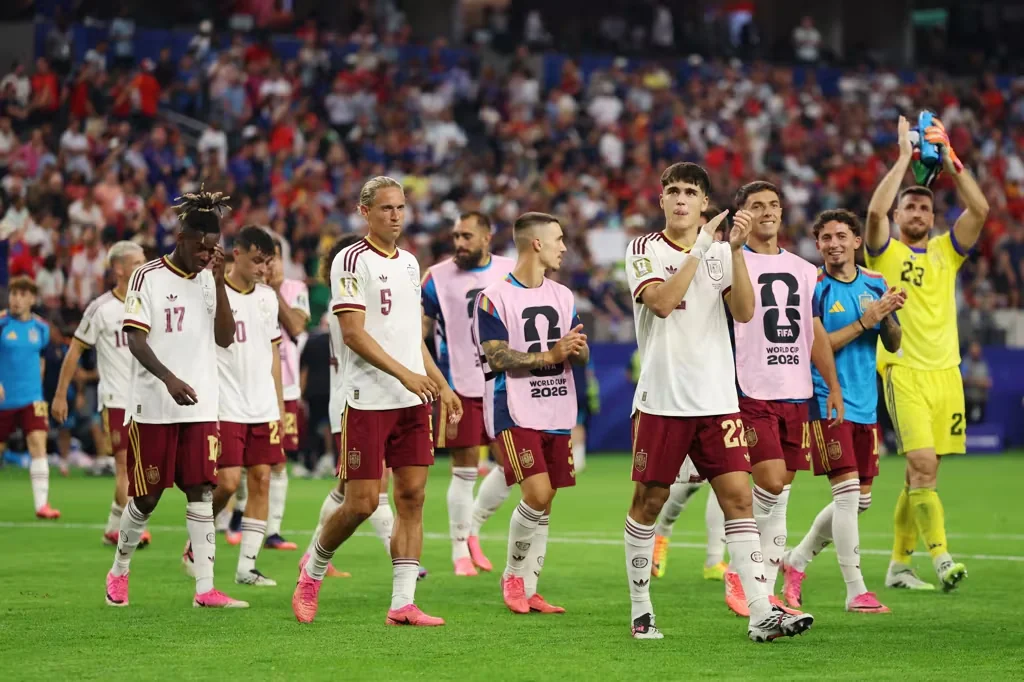
Spain has scored fewer, 13, but has conceded exactly once across seven games, a run built on Rodri controlling tempo and a back line anchored by Pau Cubarsí and Aymeric Laporte. It is the sharpest scored-versus-conceded contrast of the two remaining teams, and it maps onto how each side is expected to line up: Lionel Scaloni's projected 4-3-3 leans on Messi, Julián Alvarez and either Giuliano Simeone or Rodrigo De Paul to create direct chances, while Luis de la Fuente's Spain is built to keep the ball through Rodri and Fabián Ruiz rather than rely on any single scorer.
Two Independent Models Both Lean Toward Spain
Neither Opta's supercomputer nor Squawka's proprietary model treats this as close. Opta puts Spain's chance of winning the title at 59.46%, against 40.54% for Argentina; Squawka's own model lands in a nearly identical range. That the two independent systems converge on roughly the same split — rather than one favoring each side — suggests the gap reflects something real in the underlying data (Spain's defensive record, in particular) rather than a quirk of either model's assumptions. It's worth being precise about what that number is not: it's a title-winner probability, not a prediction of the scoreline, and it says nothing about individual outcomes like the Golden Boot or the Ballon d'Or.
What an Eventual Ballon d'Or Would Actually Rest On
Messi already holds the men's Ballon d'Or record outright with eight wins; Cristiano Ronaldo is next-closest at five, and no other man is within three of Messi's total. Winning Sunday's final at age 39 — in what he has indicated will be his last World Cup — is the kind of moment voters have rewarded in the past, but the award itself covers a broader season and hasn't been decided or voted on. A trophy on Sunday would strengthen Messi's case; it would not, by itself, settle it, and Rodri's own 2024 Ballon d'Or-caliber form for Spain this tournament is a reminder that voters have more than one name to weigh once the season is actually judged.
Whatever happens at MetLife Stadium, the two things this tournament has already settled — Mbappé's new goal record and the size of the gap between the two title-probability models — will outlast Sunday's scoreline. What it hasn't settled is sitting in front of both players when the whistle blows.
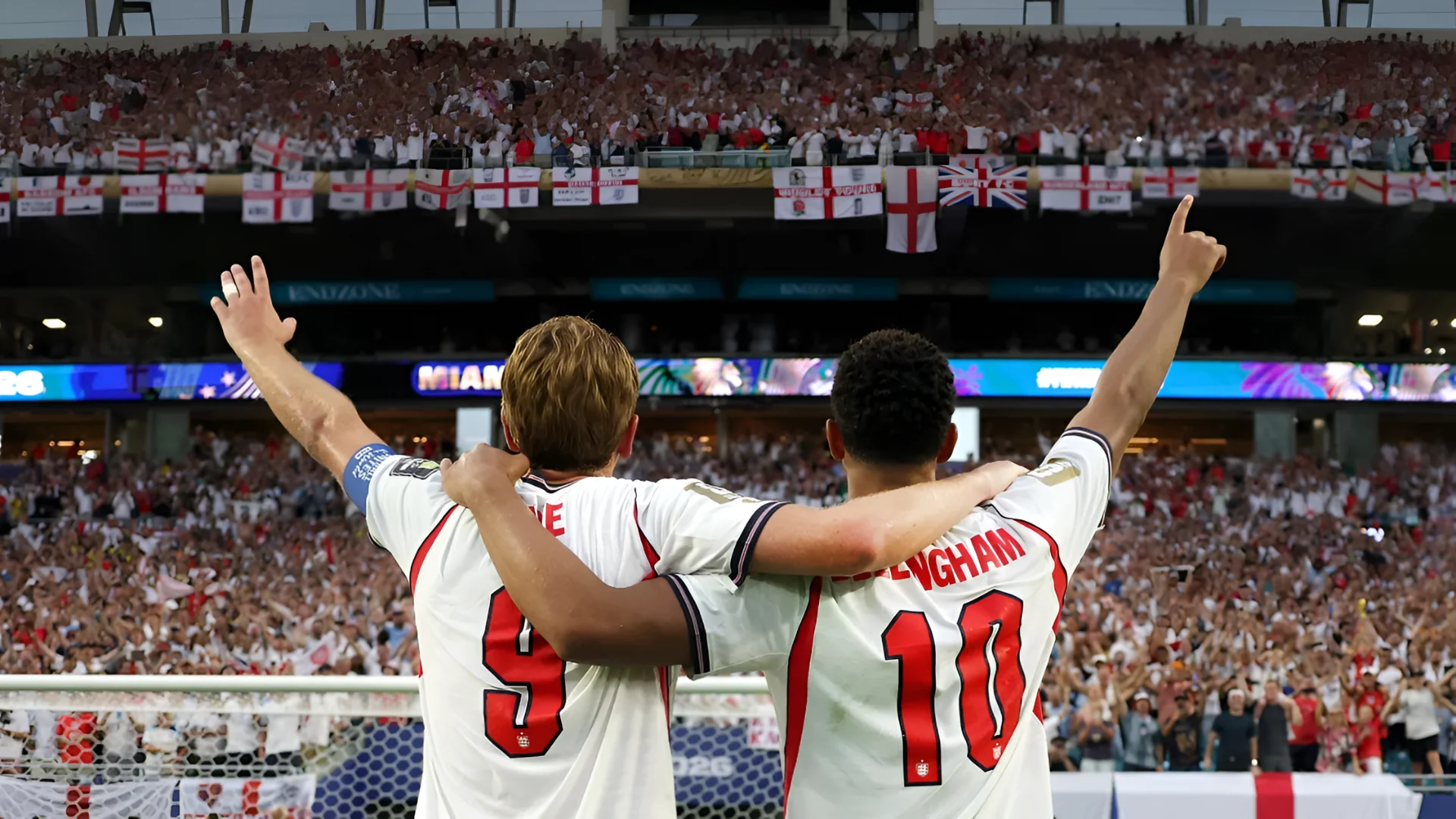
England vs. Argentina: How to Watch the World Cup Semifinal
A matchup and streaming guide for England vs. Argentina's 2026 World Cup semifinal, including kickoff time, TV channels, and free international options.
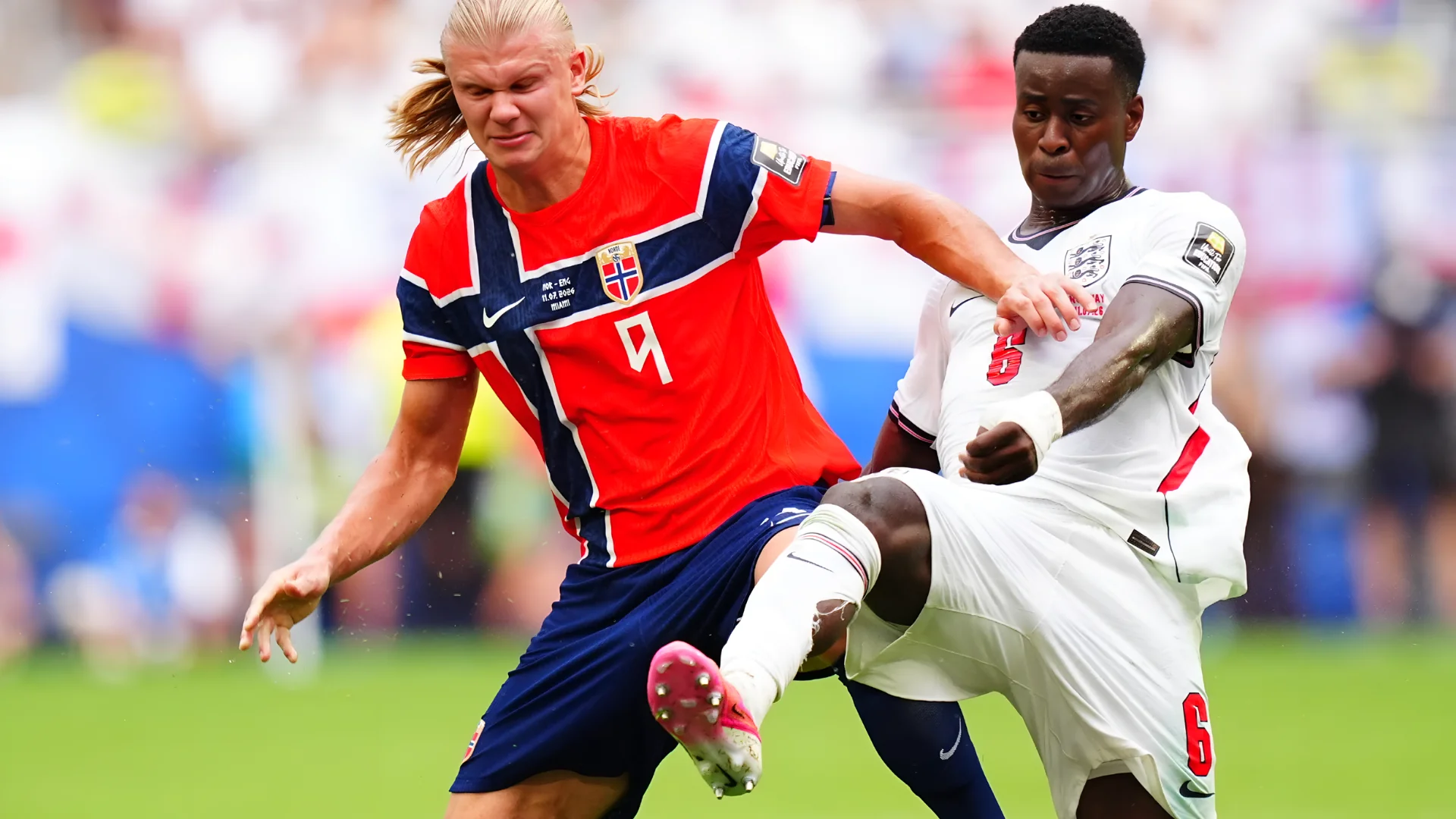
Bellingham's Extra-Time Double Sends England Past Norway and Into the World Cup Semi-Finals
England beat Norway 2-1 after extra time in a World Cup quarter-final defined by Bellingham's double, a disputed sky-cam goal, and Tuchel's criticism.
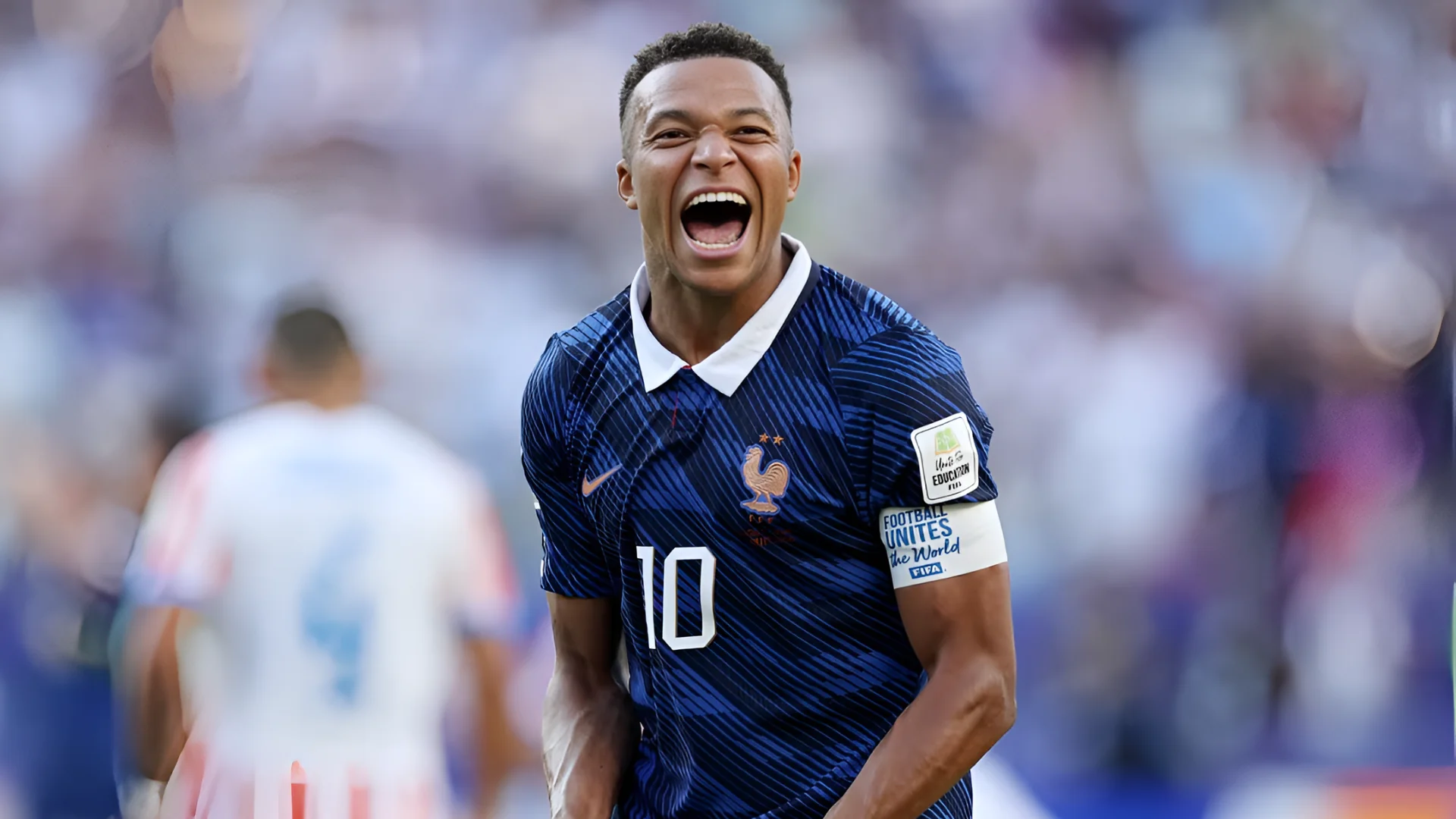
France and Morocco Meet Again in a World Cup Quarterfinal Loaded With History
A rematch of the 2022 semifinal, France vs. Morocco carries colonial history, PSG locker-room ties and a large Revere fan base into Thursday's quarterfinal.
![Portugal's Cristiano Ronaldo celebrates scoring their first goal [Mike Segar/Reuters]](/uploads/1783054409518-Ronaldo_scores_as_Portugal_come_back_to_win__Croatia_denied_by_late_VAR.webp)
Portugal Edge Croatia 2-1 in Record VAR Thriller
Portugal beat Croatia 2-1 at the 2026 World Cup after VAR disallowed a record four goals, with Ronaldo's penalty and a late Ramos header deciding it.
Comments (2)
Please sign in to join the discussion.