
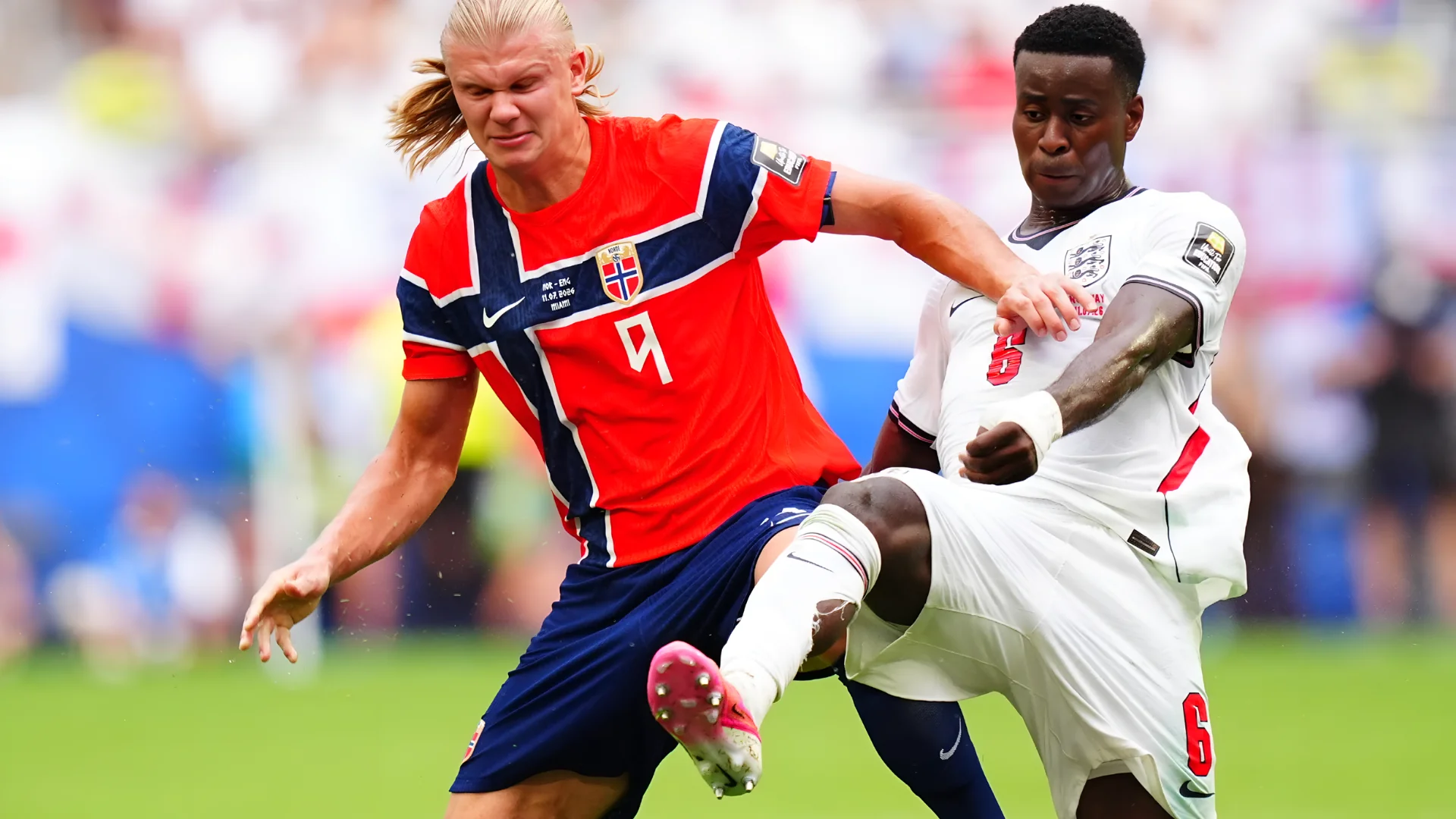
Jude Bellingham scored twice as England beat Norway 2-1 after extra time in a sweltering World Cup quarter-final in Miami Gardens, setting up a semi-final against Argentina. The win was overshadowed by a disputed first-half goal-kick incident and pointed post-match comments from manager Thomas Tuchel.
Bellingham's rebound strike settles a physical quarter-final in Miami heat
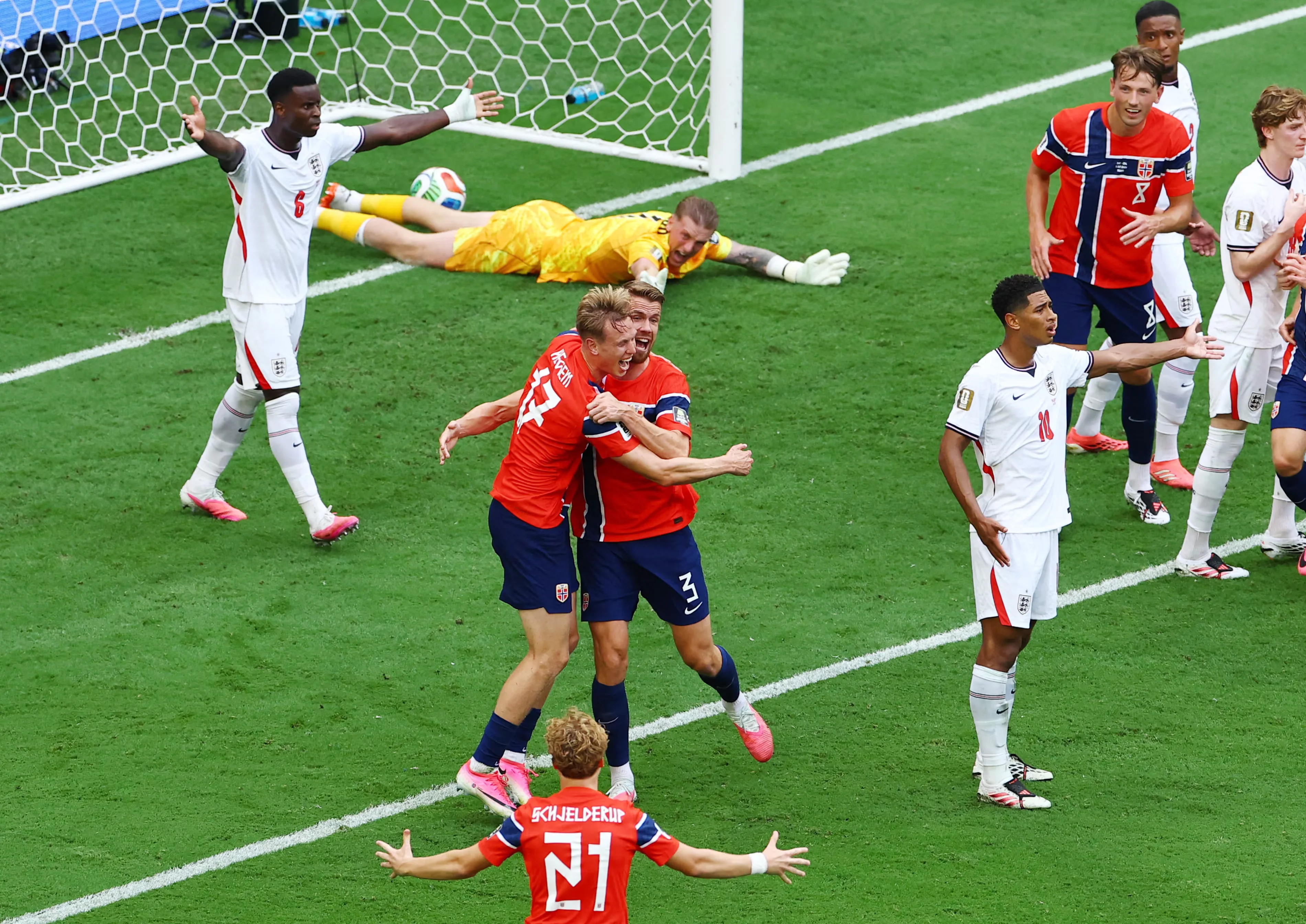
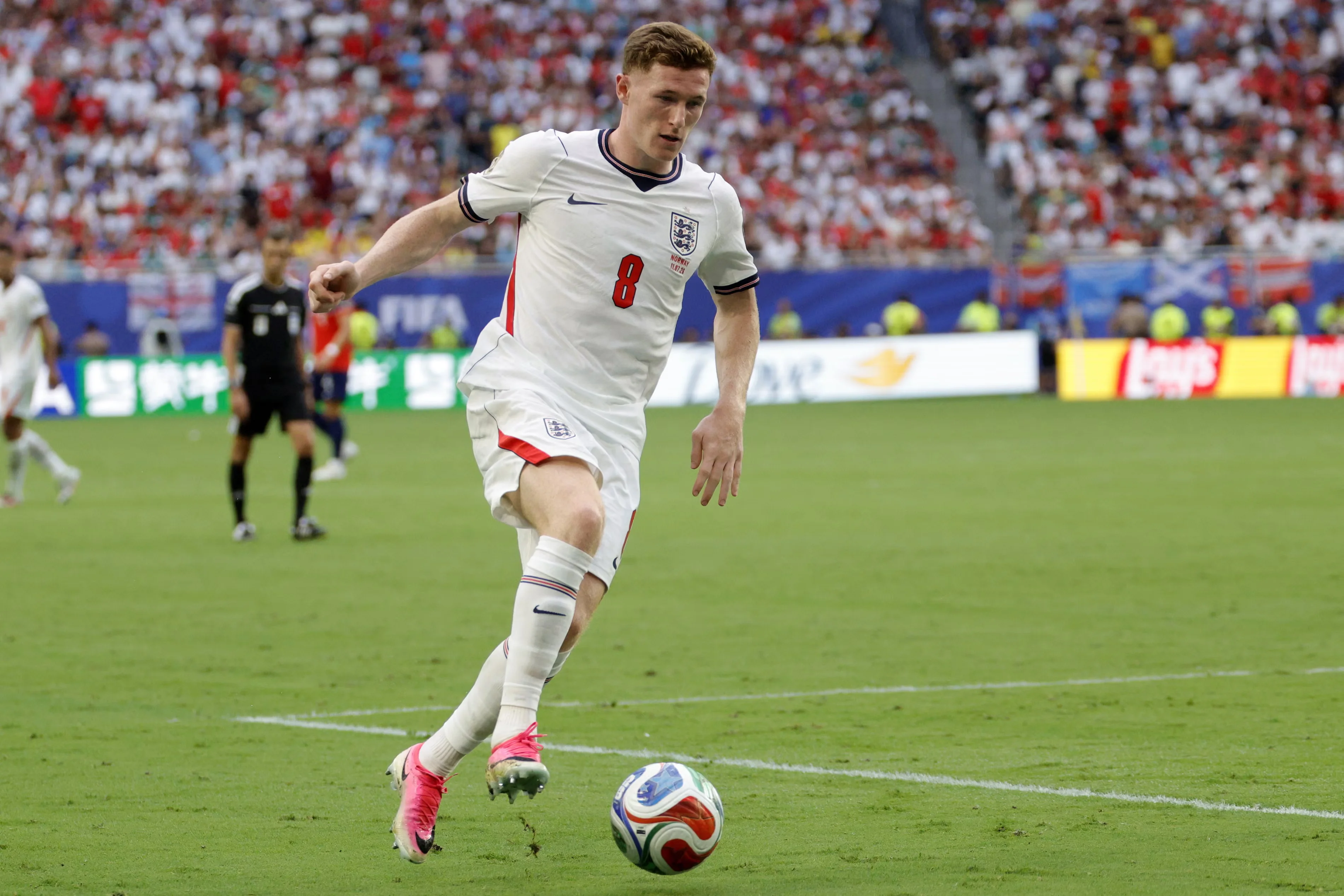
Norway took the lead in the 36th minute when Andreas Schjelderup beat Jordan Pickford. England equalized in first-half stoppage time through Bellingham, who converted after a drive from Elliot Anderson and a pass from Anthony Gordon. The second half produced two disallowed goals: a Torbjørn Heggem effort for Norway was ruled out by VAR for a foul by Erling Haaland on Anderson, and a late Harry Kane strike for England was flagged offside in the 90th minute. Haaland was substituted in the 106th minute due to cramping and physical exhaustion. Bellingham won it in extra time, pouncing on a rebound from a Morgan Rogers shot after Norway goalkeeper Ørjan Nyland failed to hold it, as detailed in player ratings from the match in Miami.
Norway's sky-cam complaint collides with FIFA's ball-sensor data
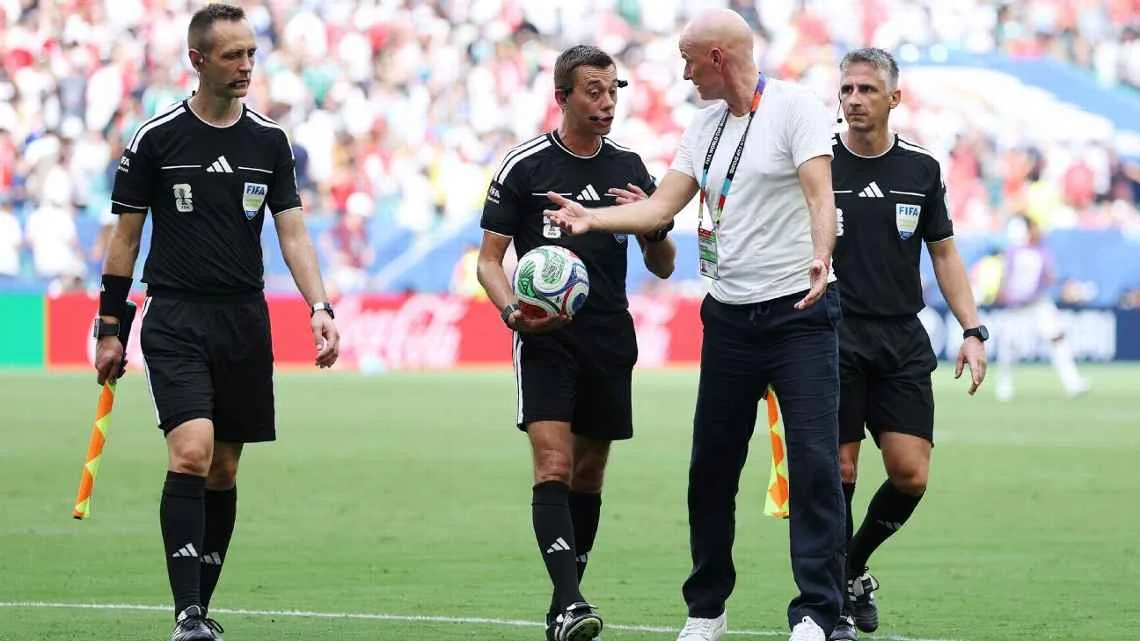
The most contested moment came before Bellingham's first goal. In first-half stoppage time, Nyland launched a long goal kick down the left touchline that appeared to drop sharply into England's half. Norway's players, including Nyland and Haaland, along with head coach Ståle Solbakken, appealed to referee Clément Turpin, arguing the ball had struck the cable of FIFA's overhead Sky Cam rig. Under IFAB's Laws of the Game, contact between the ball and an outside agent such as a suspended camera cable requires play to stop and restart with a dropped ball.
Solbakken said afterward that the referee had not personally seen any contact and had received no confirmation that it occurred, though he maintained the ball's sudden drop in front of the technical area suggested otherwise. FIFA addressed the complaint by pointing to data from the Connected Ball's internal sensor, stating there was "no evidence that the ball touched the overhead wire" and changed course during the passage of play. Former referee and rules analyst Mark Clattenburg said play should have been halted had contact actually taken place, while Haaland's father, Alf-Inge Haaland, credited both Bellingham and the officiating on social media. The dispute, covered in Norway's coach reacting to the disputed cable contact before England's goal, remains unresolved: no independent footage or additional sensor data has been presented beyond FIFA's statement and the players' accounts.
Tuchel's blunt post-match assessment draws a rare public rebuttal from Bellingham
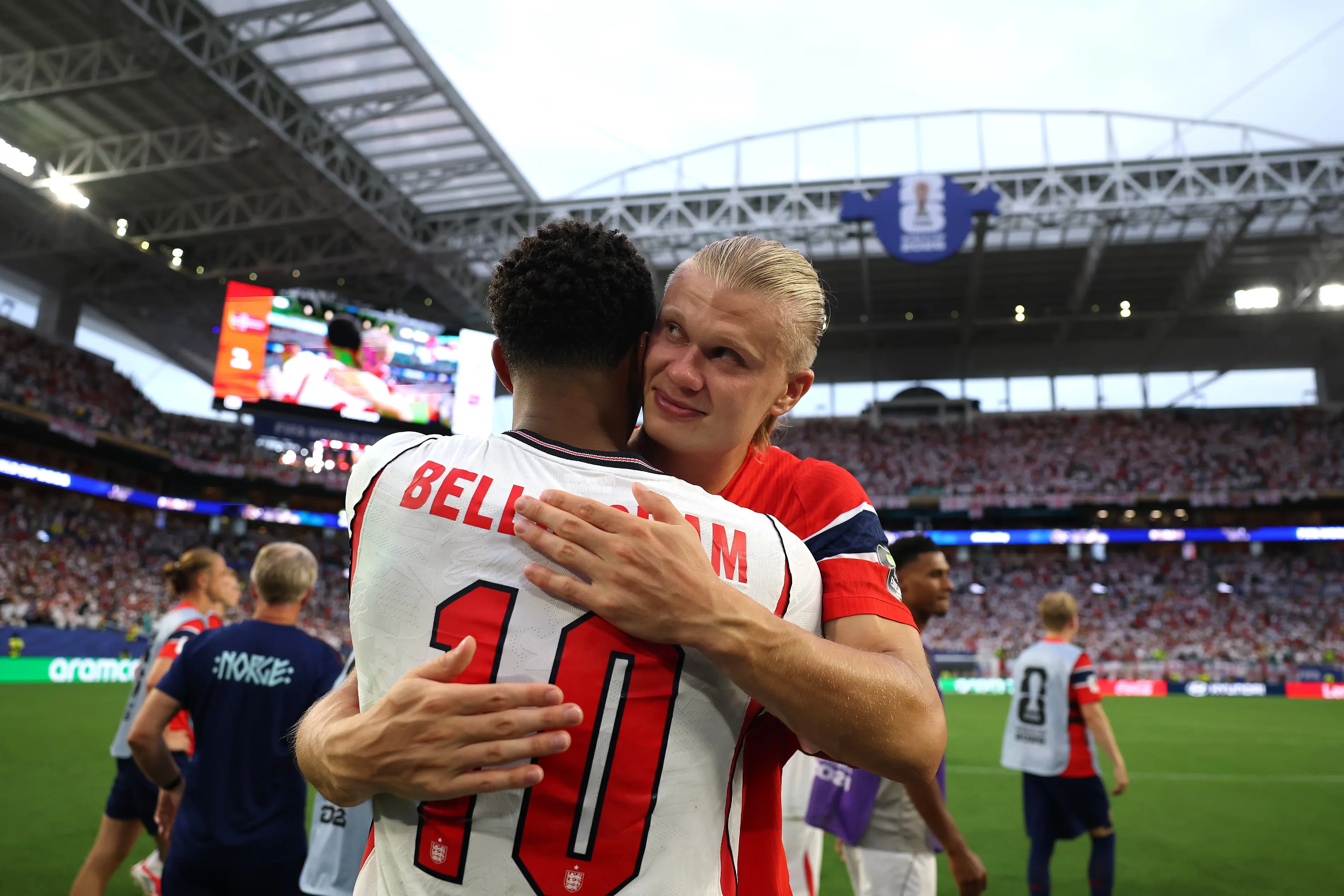
England's win did not translate into an unqualified endorsement from Tuchel. In his immediate pitchside interview, the manager described the performance as sloppy and error-prone, said England had not played at the required tempo, and added that his side had been fortunate to advance. Told of the comments, Bellingham pushed back, arguing that matches played in Miami's heat and humidity cannot always be won through patient buildup play. Asked directly whether England had been lucky, Bellingham said "sometimes you have to win dirty" and otherwise declined to answer.
By his later main press conference, Tuchel sought to lower the temperature, saying he was both proud of the result and still holding his team to a coach's standards, and insisting there was no rift between himself and the squad. The exchange, reported in Bellingham's reaction to his manager's post-match comments, reflects a tension between a coach's tactical demands and a team that has repeatedly needed late goals to advance.
Bellingham joins Maradona in rare World Cup knockout company
Bellingham's two goals against Norway made him the first player to score twice in consecutive World Cup knockout matches since Diego Maradona in 1986, having also scored twice against Mexico in the round of 16. Nine of his 12 senior international goals, or 75%, have now come at major tournaments — seven at World Cups and two at the European Championship. No other England player with 12 or more career goals has more than 30% of their total coming at major tournaments, according to a breakdown of Bellingham's tournament scoring record.
He has scored six goals at the 2026 World Cup, trailing only Lionel Messi and Kylian Mbappé in the race for the Golden Boot and level with Kane. England have recorded a non-penalty expected-goals figure above 0.6 in four matches this tournament, and three of those four instances came in knockout games built around Bellingham's involvement. Combined with Tuchel's public reservations about the team's overall play, the numbers point to a side advancing largely on the individual output of one player rather than consistent collective performance.
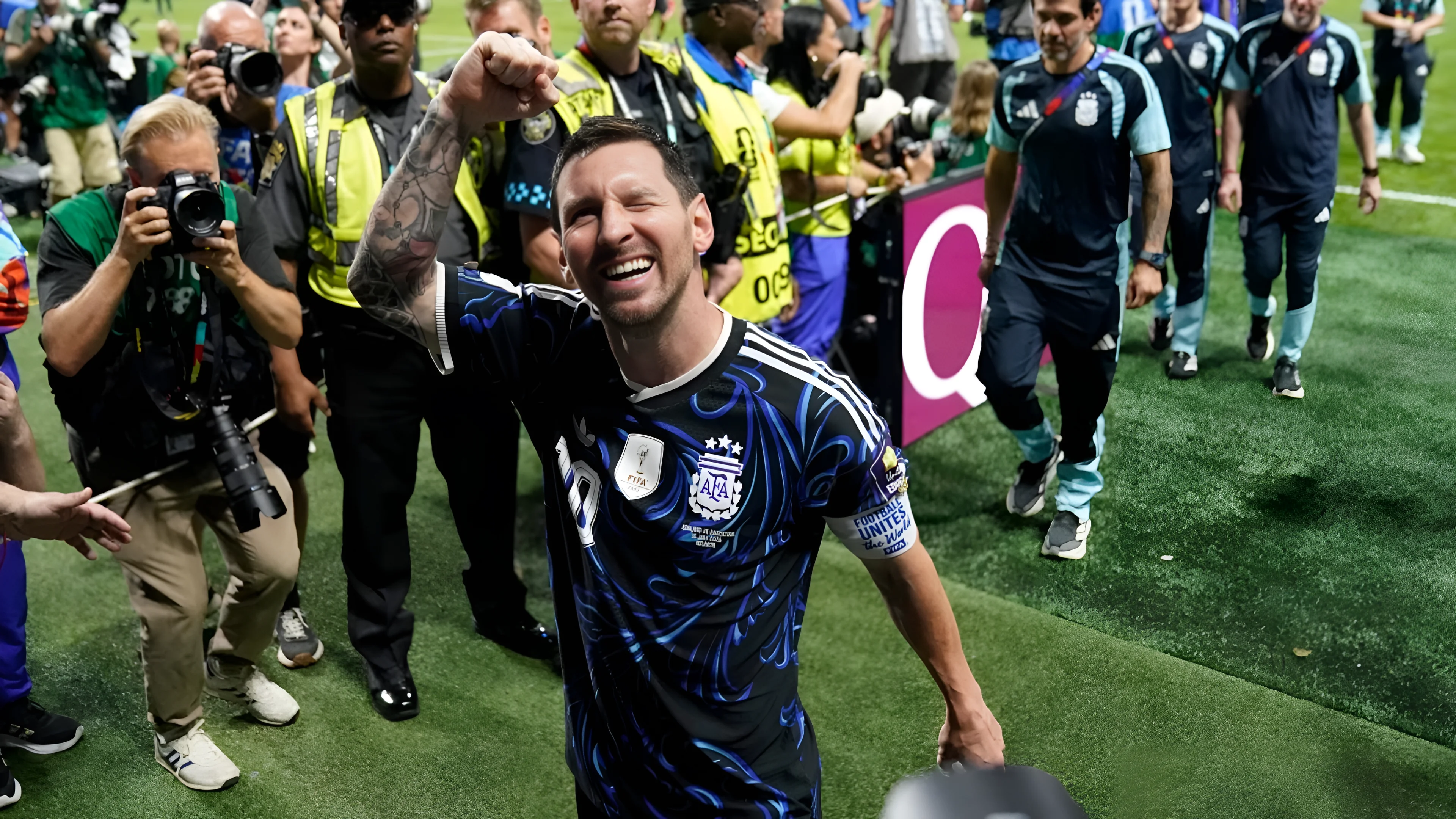
Before Argentina-Spain: Messi's Goal Record, the Ballon d'Or Math, and Why Models Favor Spain
Mbappé now owns the World Cup goal record. Messi has a Golden Boot deficit and a 9th Ballon d'Or on the line. Here's the data before Sunday's final.
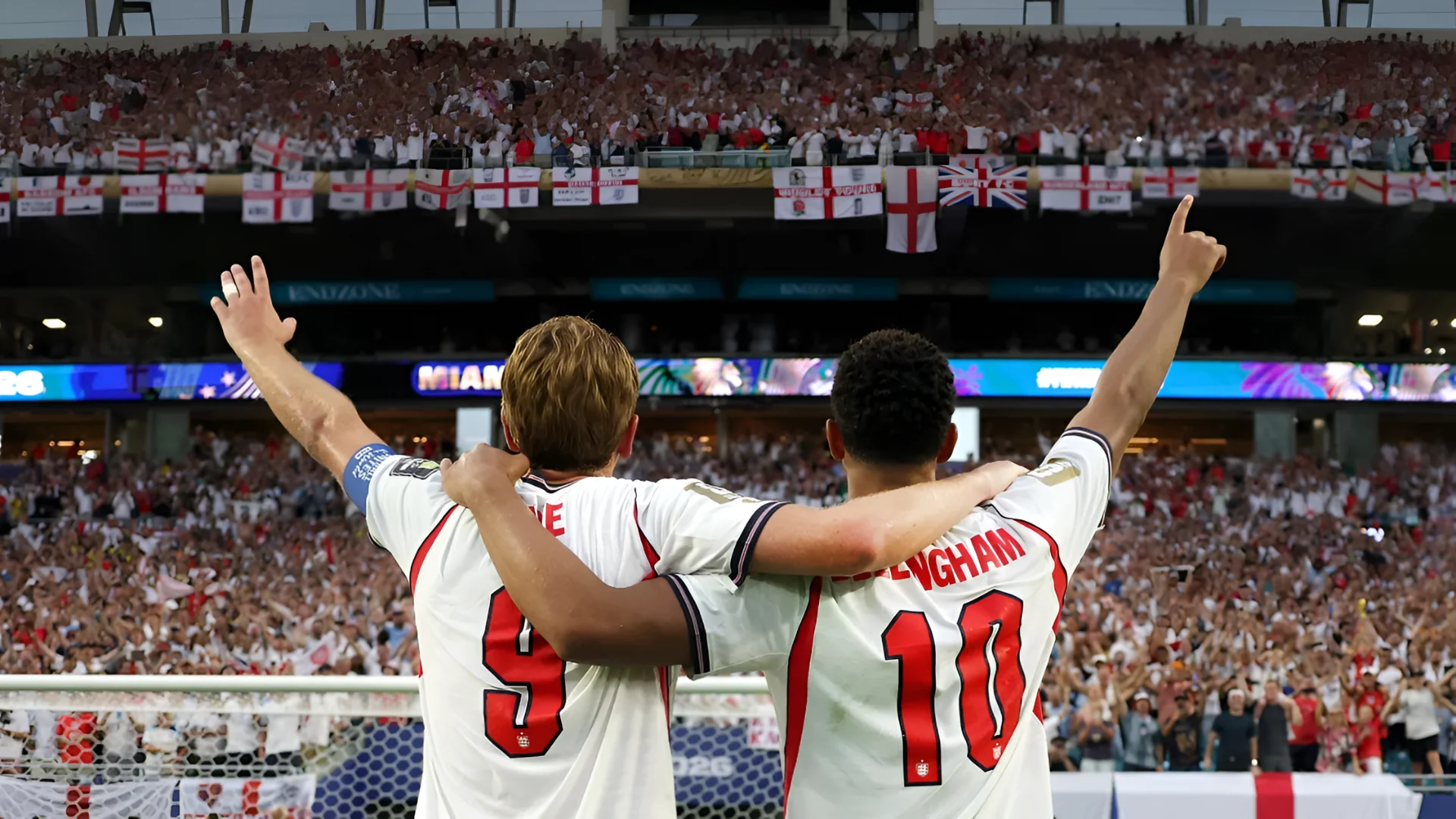
England vs. Argentina: How to Watch the World Cup Semifinal
A matchup and streaming guide for England vs. Argentina's 2026 World Cup semifinal, including kickoff time, TV channels, and free international options.
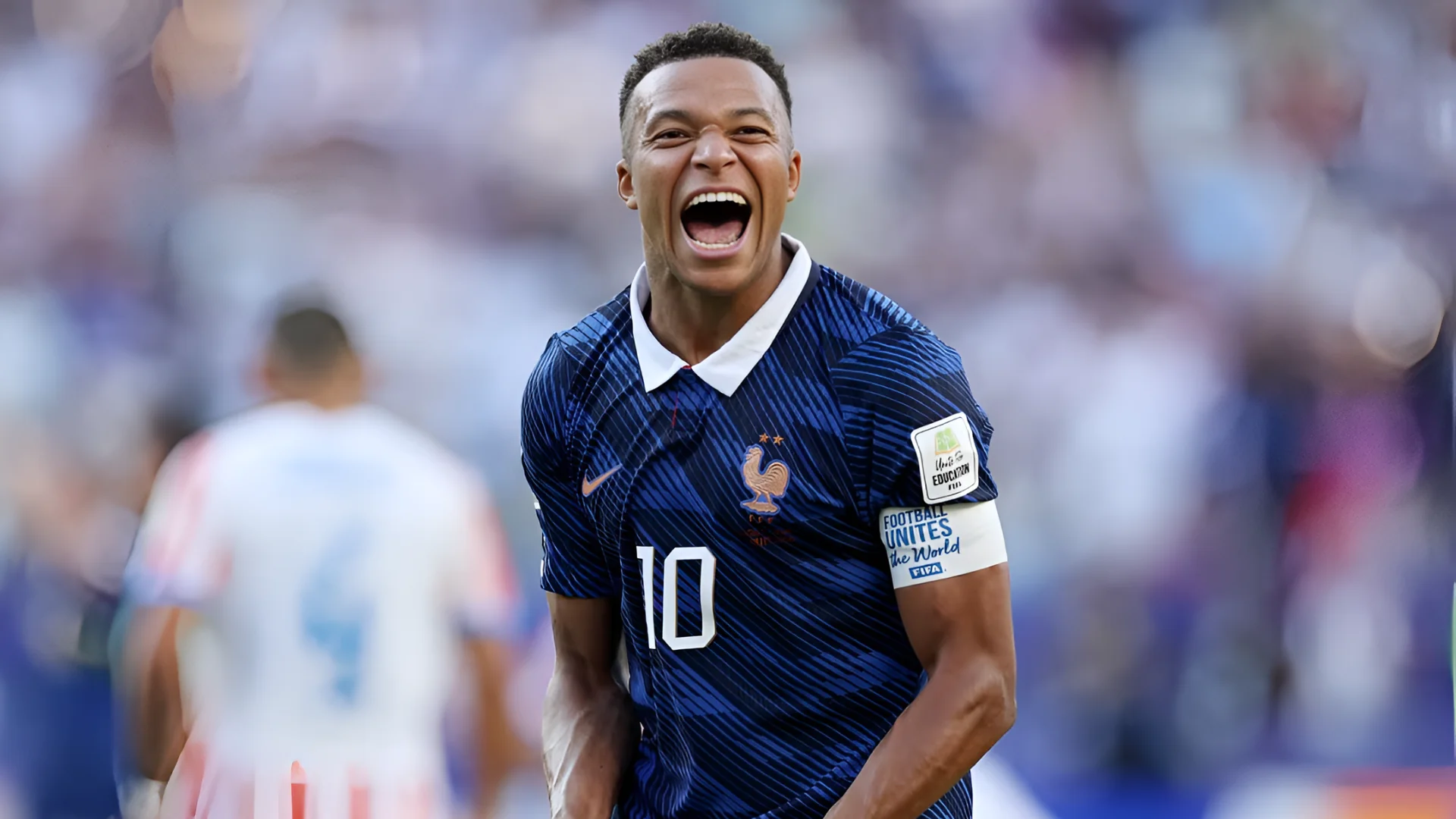
France and Morocco Meet Again in a World Cup Quarterfinal Loaded With History
A rematch of the 2022 semifinal, France vs. Morocco carries colonial history, PSG locker-room ties and a large Revere fan base into Thursday's quarterfinal.
![Portugal's Cristiano Ronaldo celebrates scoring their first goal [Mike Segar/Reuters]](/uploads/1783054409518-Ronaldo_scores_as_Portugal_come_back_to_win__Croatia_denied_by_late_VAR.webp)
Portugal Edge Croatia 2-1 in Record VAR Thriller
Portugal beat Croatia 2-1 at the 2026 World Cup after VAR disallowed a record four goals, with Ronaldo's penalty and a late Ramos header deciding it.
Comments (0)
Please sign in to join the discussion.
No comments yet.
Be the first to share your perspective on this topic.