
![Portugal's Cristiano Ronaldo celebrates scoring their first goal [Mike Segar/Reuters]](/uploads/1783054409518-Ronaldo_scores_as_Portugal_come_back_to_win__Croatia_denied_by_late_VAR.webp)
Portugal advanced to the World Cup last 16 with a 2-1 win over Croatia in Toronto, a match remembered less for its football than for a record four goals wiped out by video review — three against Croatia, one against Portugal.
Ramos's Stoppage-Time Header Settles a Match Croatia Dominated
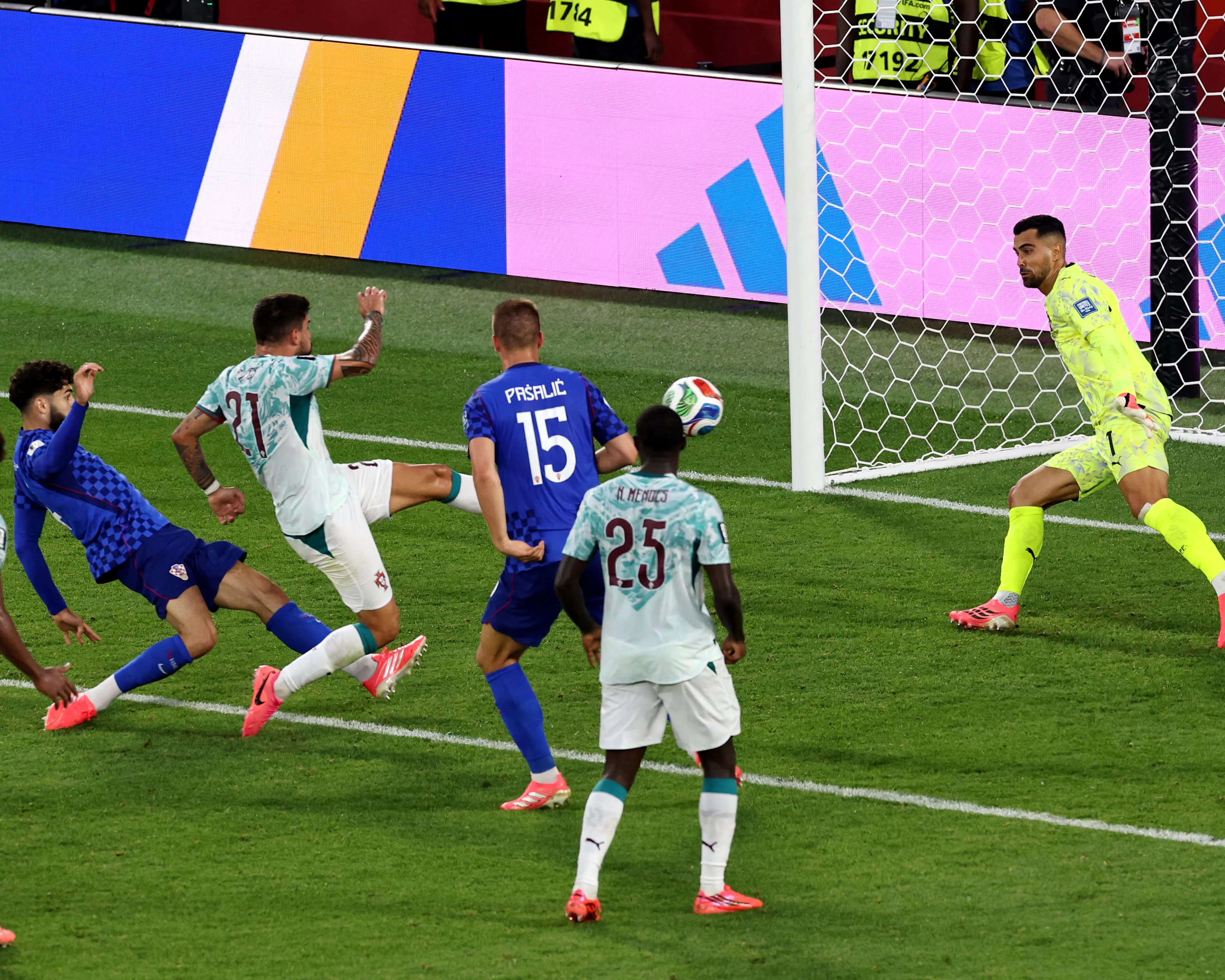
Croatia controlled the bulk of the chances through open play, including a Mateo Kovačić effort tipped onto the post by goalkeeper Diogo Costa. Ivan Perišić broke the deadlock in the 53rd minute, slotting past Costa to put Croatia ahead. Portugal leveled through a Cristiano Ronaldo penalty after referees confirmed, following review, that Nikola Vlašić had grabbed Renato Veiga inside the box. The decisive moment arrived deep into stoppage time, when substitute Gonçalo Ramos headed in a Rafael Leão cross to complete the comeback. Croatia had a late chance to force extra time when Mario Pašalić headed a clear opportunity wide, and Portugal held on from there.
A Record Four Goals Disallowed Reopens the VAR Fairness Debate
What separated this match from an ordinary knockout thriller was the volume of video-review interventions. Three Croatia goals and one Portugal goal were disallowed over the course of the game — a total described by the Guardian's account of the match as a World Cup record. Ronaldo had an early goal chalked off for offside shortly after Perišić's opener, and Croatia's Petar Sučić saw a goal ruled out for what officials called a clear offside. The pattern illustrates a tension the tournament has wrestled with since its opening weeks: review technology is catching marginal infractions that previous generations of officiating would likely have missed or allowed to stand, and the sheer frequency of those calls is now shaping results as much as the play itself.
Semi-Automated Offside Technology Delivers the Final, Contested Word
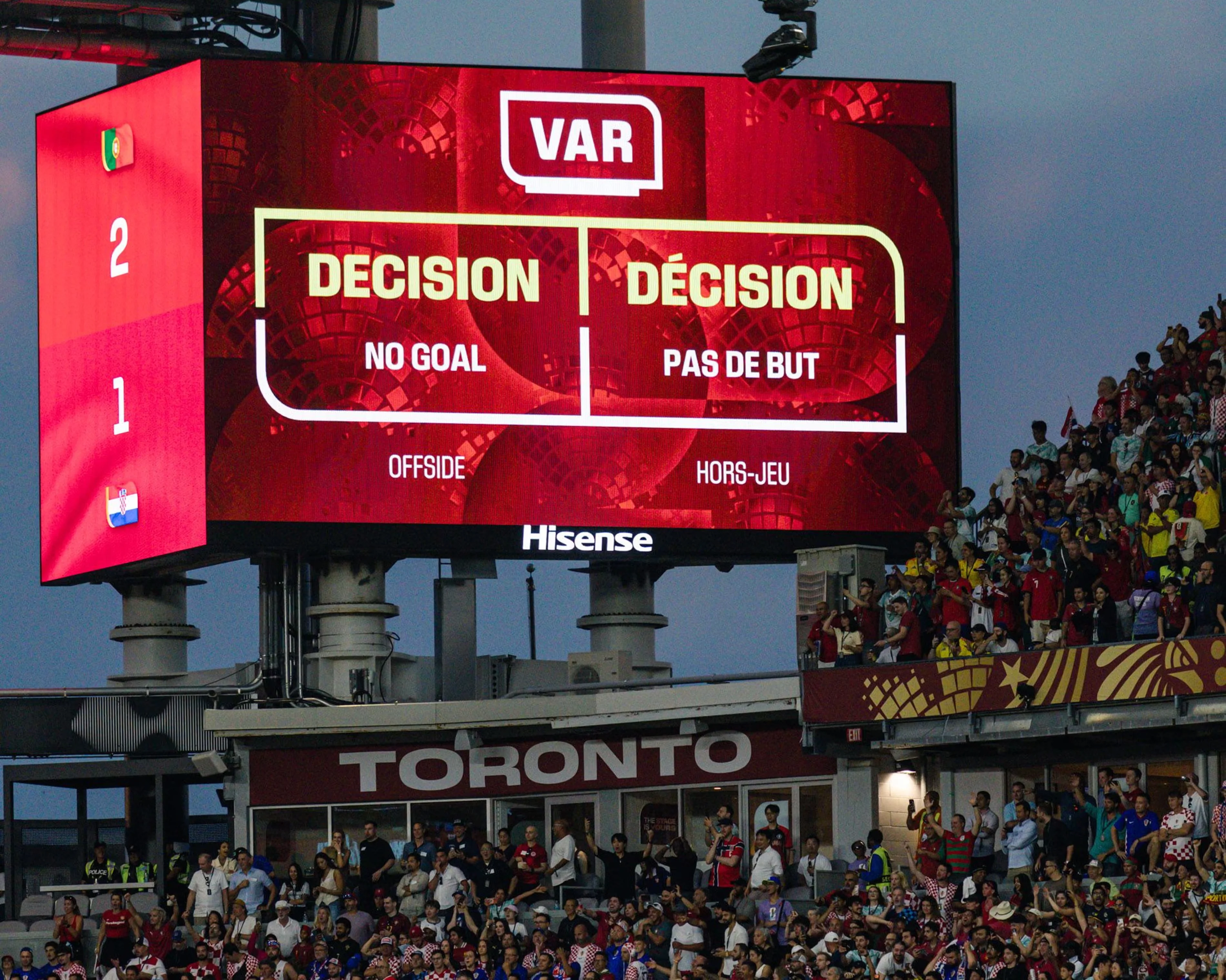
The night's defining controversy came in the third minute of stoppage time, when Joško Gvardiol appeared to have forced extra time with a stoppage-time equalizer. The goal was disallowed after in-ball sensor technology — a motion-tracking chip embedded in the match ball — detected a slight deflection off a Croatia teammate's head, a touch fine enough that it rendered Gvardiol offside by a margin no eye in the stadium could have seen live. Portugal manager Roberto Martínez defended the ruling afterward, saying the ball's embedded chip made clear why the video review team intervened and that there had been no bad decision or lucky break involved. Croatia manager Zlatko Dalić took the opposite view, arguing that the emotion has been drained out of the sport and that fairness has been sacrificed to a level of review precision the game was never built to carry. The disagreement is less about whether the technology is accurate than about whether that level of accuracy belongs in a sport whose offside law has always tolerated a margin of human judgment.
Ronaldo's Milestone and a Farewell Overshadowed by the Video Screen
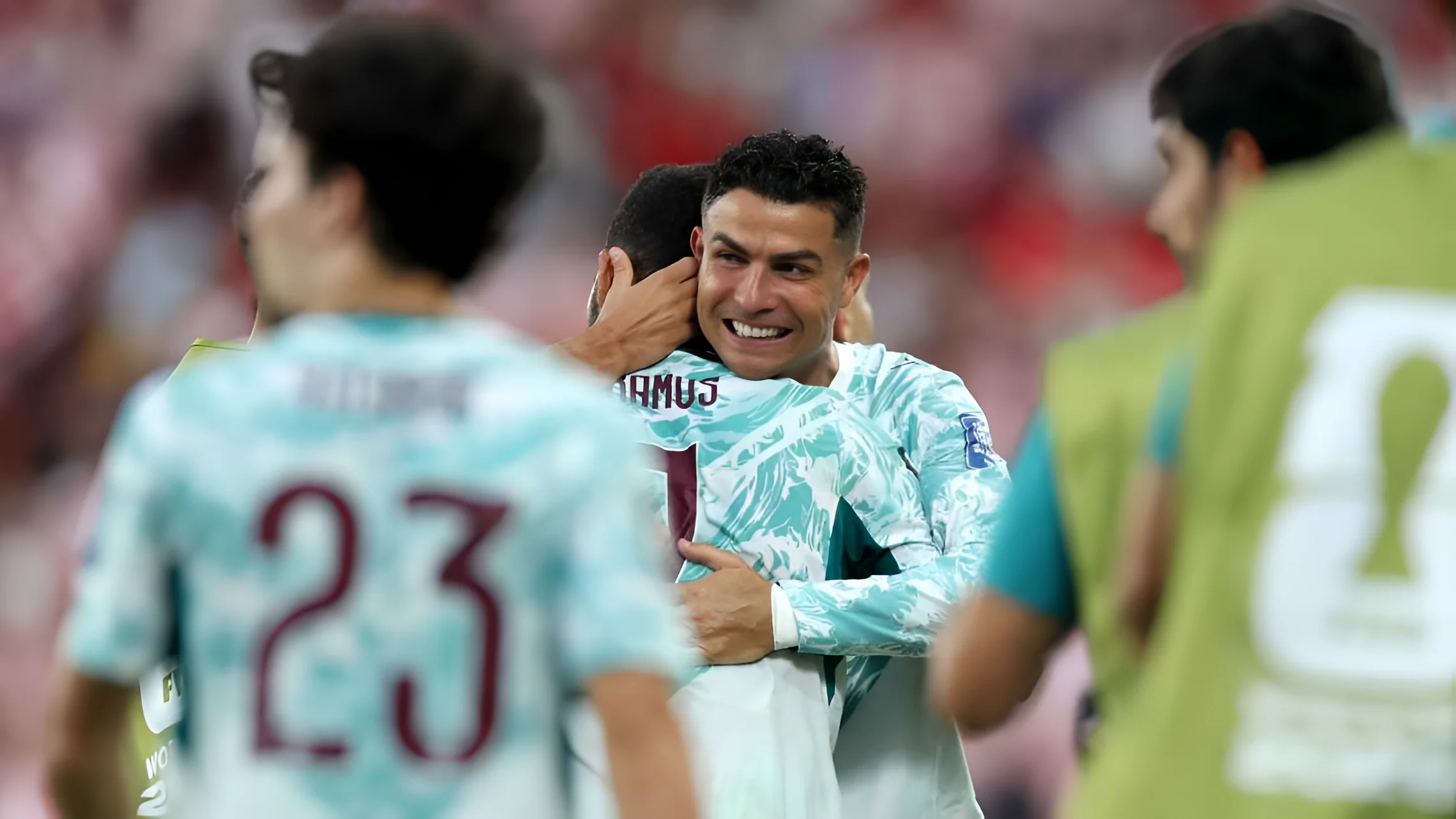
The result carried two storylines that briefly cut through the VAR debate. At 41, Ronaldo became the oldest player to score in a World Cup knockout match, continuing a run of World Cup scoring that has stretched back years. He wore a No. 21 shirt after the final whistle in tribute to former Portugal teammate Diogo Jota, who died a year earlier. For Croatia, the match is widely expected to have been Luka Modrić's final World Cup appearance, a farewell that played out under the shadow of a review process both managers spent their post-match remarks arguing about rather than the football itself. Portugal now moves on to face Spain in Dallas in the last 16, in a tournament already defined as much by its scale and off-field pressures as by its on-field drama.
Before Argentina-Spain: Messi's Goal Record, the Ballon d'Or Math, and Why Models Favor Spain
Mbappé now owns the World Cup goal record. Messi has a Golden Boot deficit and a 9th Ballon d'Or on the line. Here's the data before Sunday's final.
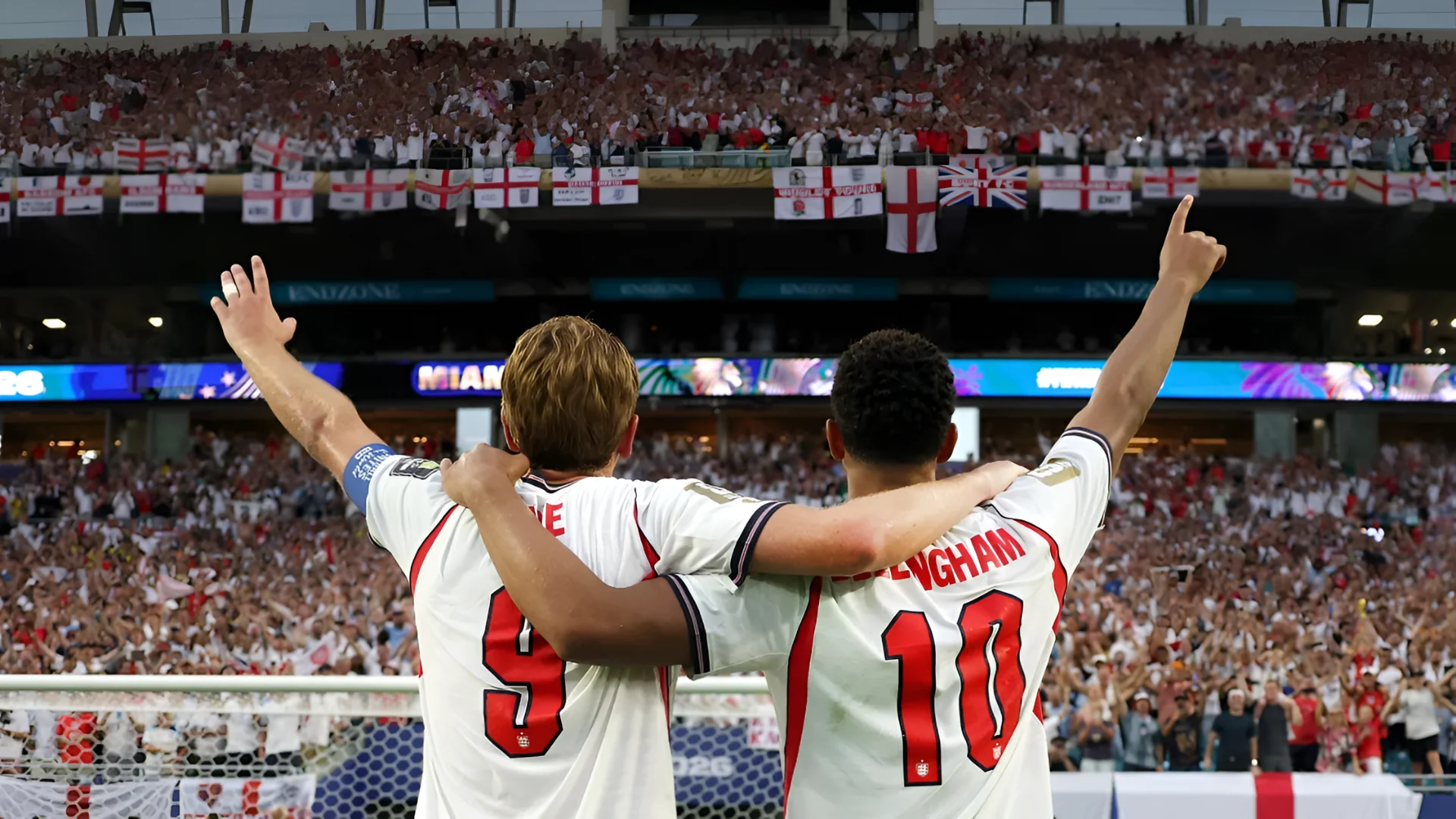
England vs. Argentina: How to Watch the World Cup Semifinal
A matchup and streaming guide for England vs. Argentina's 2026 World Cup semifinal, including kickoff time, TV channels, and free international options.
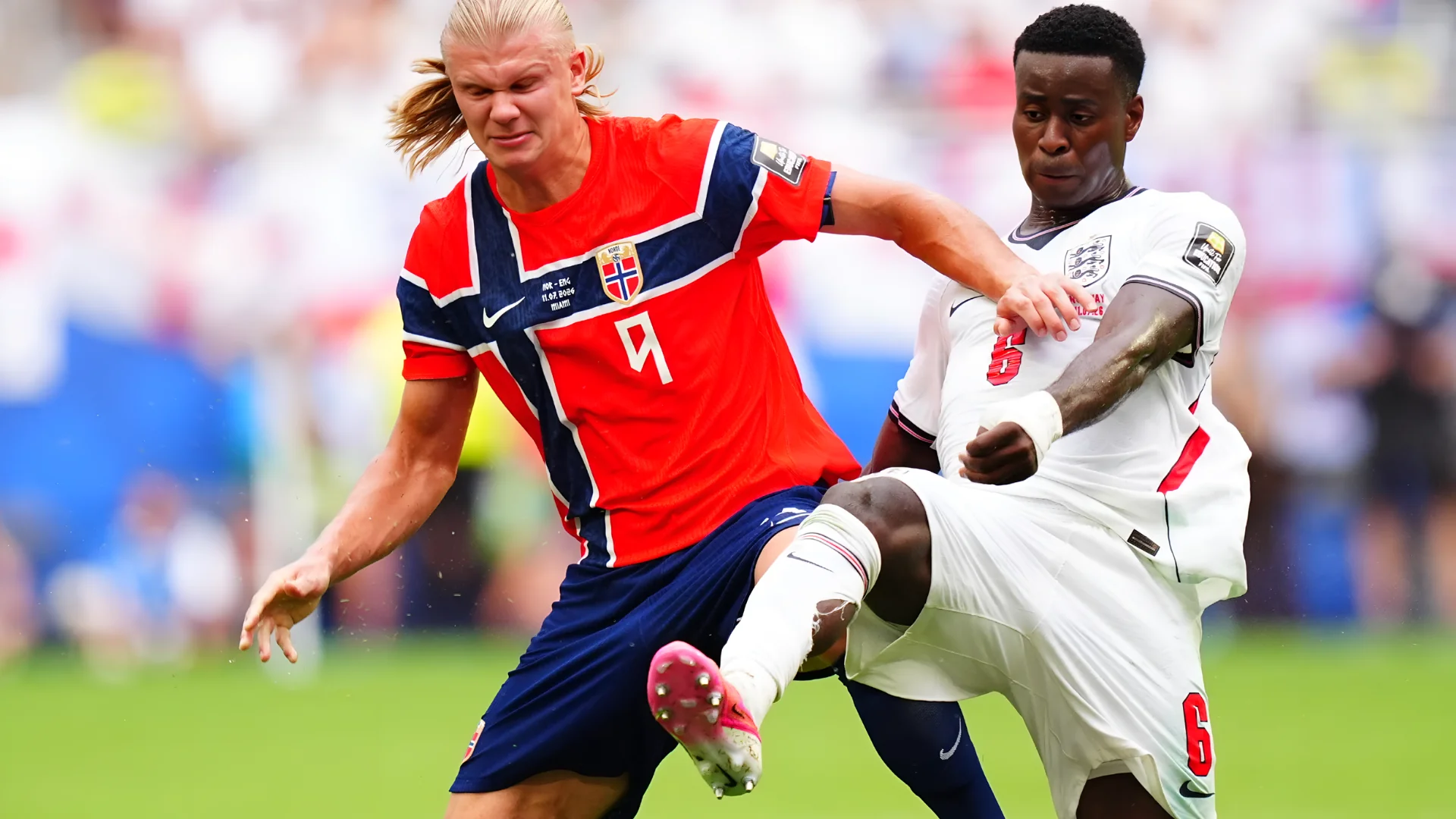
Bellingham's Extra-Time Double Sends England Past Norway and Into the World Cup Semi-Finals
England beat Norway 2-1 after extra time in a World Cup quarter-final defined by Bellingham's double, a disputed sky-cam goal, and Tuchel's criticism.
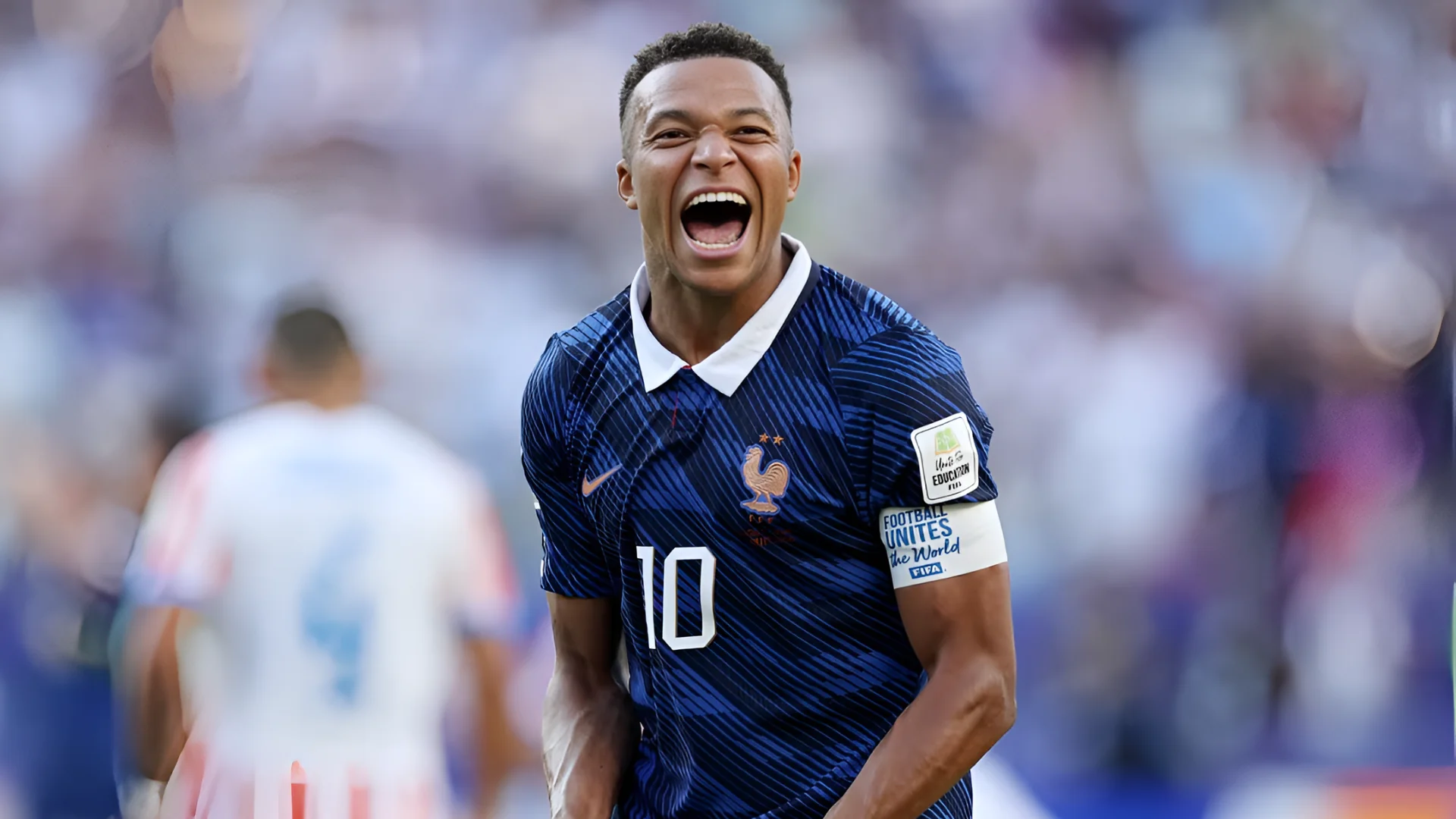
France and Morocco Meet Again in a World Cup Quarterfinal Loaded With History
A rematch of the 2022 semifinal, France vs. Morocco carries colonial history, PSG locker-room ties and a large Revere fan base into Thursday's quarterfinal.
Comments (0)
Please sign in to join the discussion.
No comments yet.
Be the first to share your perspective on this topic.