
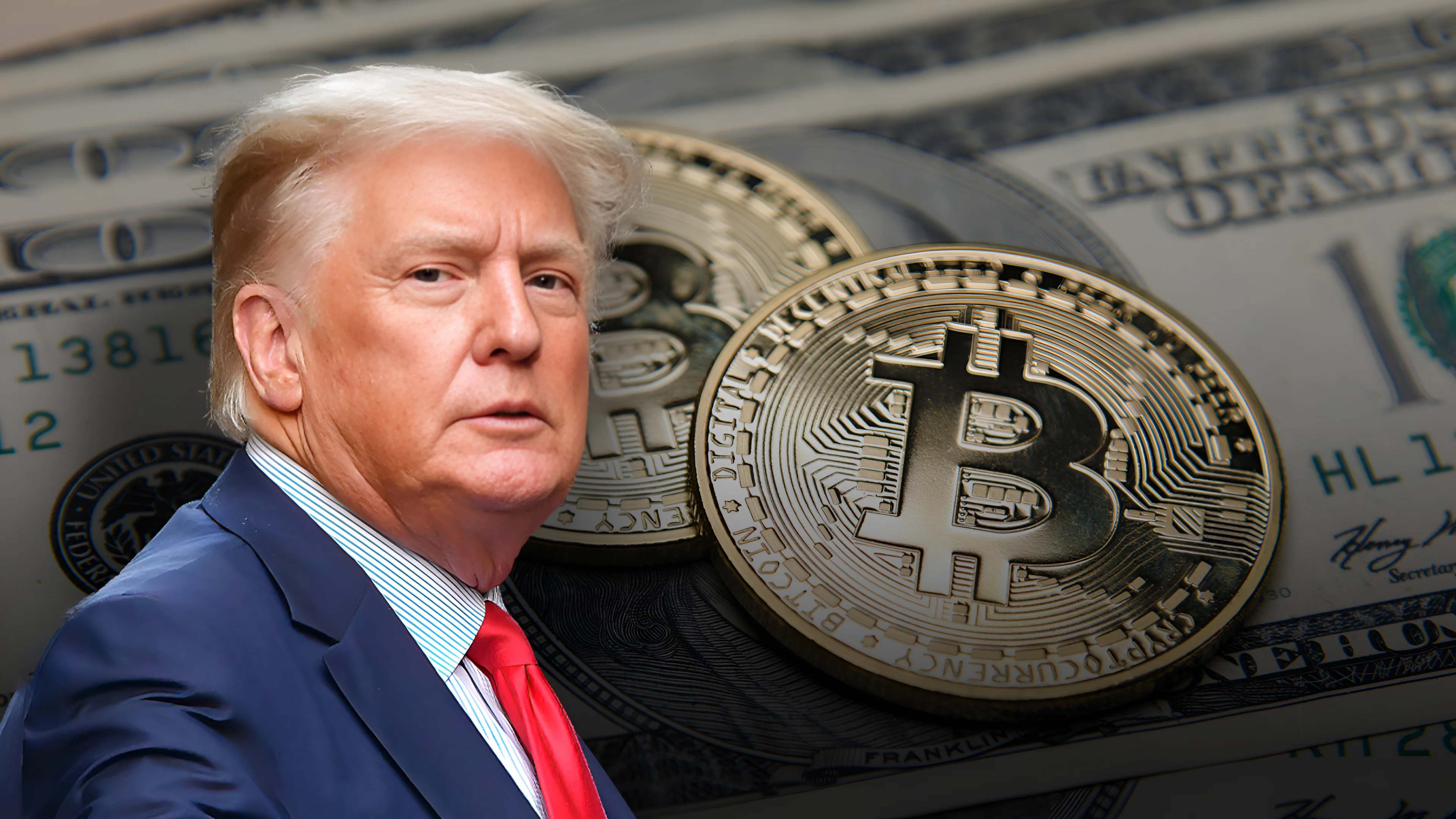
President Donald Trump reported between $1.2 billion and $1.4 billion in income from cryptocurrency ventures in 2025, according to his annual financial disclosure released June 30 by the U.S. Office of Government Ethics. It is the first time digital assets have outpaced his real estate holdings as his dominant source of personal income — and the first full-year filing of his second, non-consecutive term.
The 927-page disclosure, several times longer than any predecessor's, covers a year in which Trump's business empire pivoted sharply toward crypto while he simultaneously pushed federal policy to loosen regulation of the industry.
Where the money came from
The largest single line item was $635 million in royalties tied to the $TRUMP meme coin, routed through CIC Digital LLC under a licensing deal with an entity called Celebration Coins. The token launched days before Trump's January 2025 inauguration, spiked above $70, and had fallen to under $2 by mid-2026.
World Liberty Financial, the crypto venture co-founded during the 2024 campaign by Trump's sons Donald Jr. and Eric alongside the Witkoff family, generated more than $500 million — reports vary between roughly $520 million and $590 million depending on how token sales and business-interest sales are grouped. WLF's product lines include a governance token and the USD1 stablecoin. Separately, Trump reported nearly $197 million from equity sales in Stablecoin Holdco LLC, WLF's parent entity, plus tens of millions more from other WLF-linked equity sales.
By comparison, his traditional holdings still generated real money — Mar-a-Lago brought in $77 million, up sharply from his time as a private citizen, and Trump National Doral added over $100 million — but crypto now dwarfs both.
Net worth surge
Forbes and Bloomberg estimate Trump's personal fortune has roughly tripled since 2024, from about $2.3 billion to somewhere between $6 billion and $7.6 billion depending on the valuation method, with crypto holdings and income cited as the primary driver.
The conflict-of-interest question
Trump did not divest his assets or place them in an independent blind trust before returning to office — a break from the practice of prior presidents. The Trump Organization says outside financial institutions manage the assets. Ethics watchdogs and some legal observers argue the arrangement leaves Trump positioned to benefit directly from his own administration's crypto policy, including deregulatory executive actions and his backing of the GENIUS Act, a stablecoin framework bill.
The scrutiny sharpened around World Liberty Financial's USD1 stablecoin, which an Abu Dhabi state-backed fund used for a multibillion-dollar investment into the crypto exchange Binance — a deal that came shortly after Trump pardoned Binance co-founder Changpeng Zhao. Trump has also pardoned other crypto figures, including Silk Road founder Ross Ulbricht.
What the White House and Trump have said
White House deputy press secretary Anna Kelly rejected the conflict-of-interest criticism, saying the president and his family have never engaged in conflicts of interest and that Trump has made the U.S. the "crypto capital of the world" through his policies. She characterized reporters raising the issue as pushing a recycled narrative.
Trump, asked about the disclosure by reporters on July 1, said he does not get involved in his personal investment decisions, describing a "blind account" run by outside institutions he does not speak with. Pressed on accusations that he is profiting from the presidency, he pointed to broader market gains: "Everybody's profiting."
Beyond crypto
The filing also documented stock purchases of $5 million to $25 million each in Apple, Microsoft, and Nvidia on August 18, 2025 — a transaction that drew separate scrutiny given its timing relative to administration decisions on chip export policy. Branded merchandise added smaller but notable sums, including $4.7 million from Trump-branded watches and over $208,000 from Trump-branded Bibles produced in partnership with country singer Lee Greenwood. Vice President JD Vance's own disclosure, a fraction of the length at 17 pages, reported $1 million to $5 million in book royalties from "Hillbilly Elegy."
Inside the Fed's Growing Hawkish Camp as a July Rate Decision Looms
Dallas Fed's Logan is pushing for higher rates weeks after a weak June jobs report. Here's what's driving the split before the July 29-30 FOMC meeting.
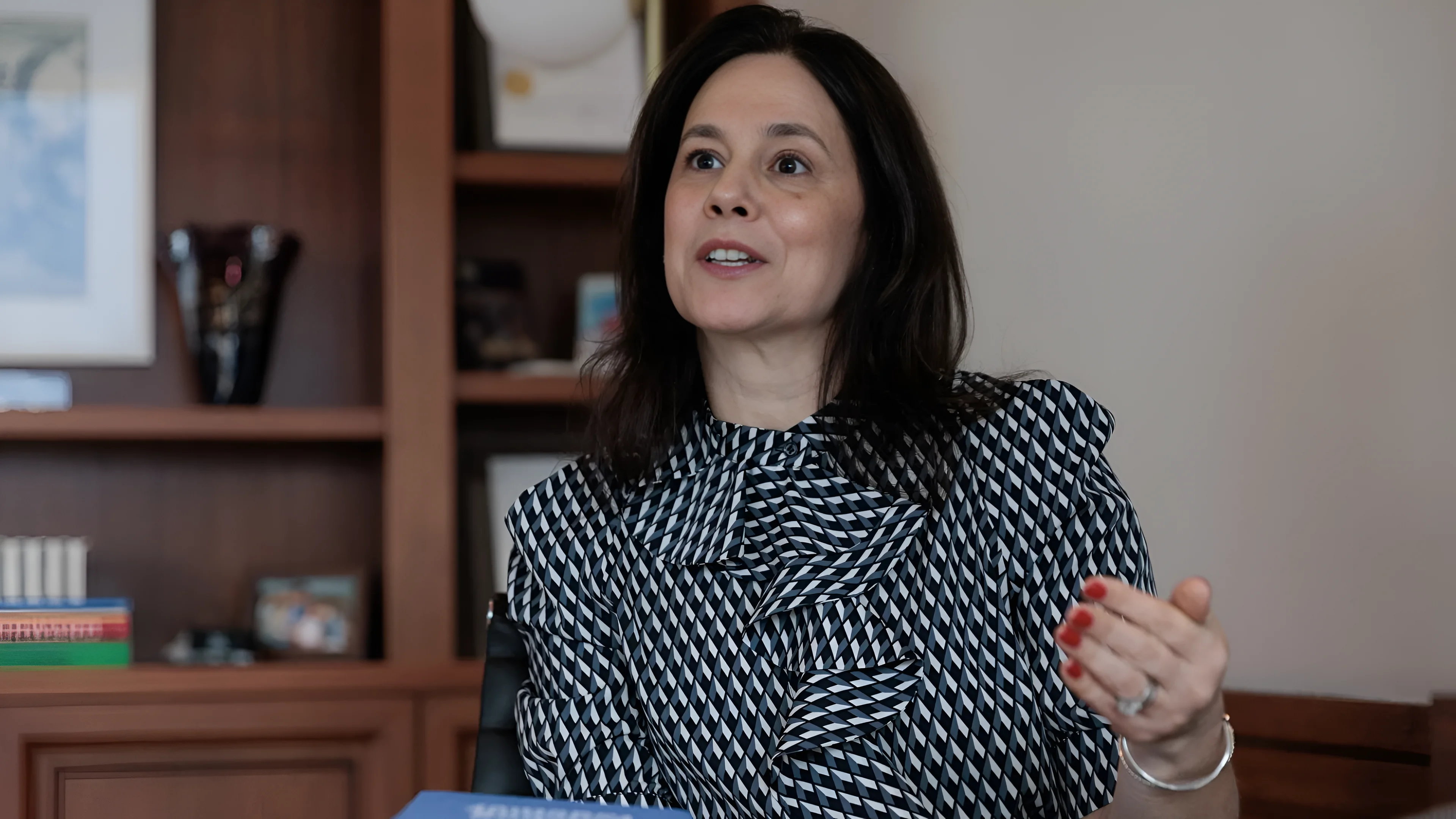
Dallas Fed's Lorie Logan Becomes First Official to Call for a Rate Hike Under Warsh
Dallas Fed's Lorie Logan cites 3.4% core inflation and AI-driven demand to back a hike, splitting the FOMC ahead of its July 28–29 meeting.

UnitedHealth's Adjusted EPS of $6.38 Beats Estimates by 30% as It Sheds Members for Margin
UnitedHealth posted $6.38 adjusted EPS in Q2 2026, beating estimates by 30%, as medical costs eased to 86.7% and full-year guidance rose to $19.50–$20.00.
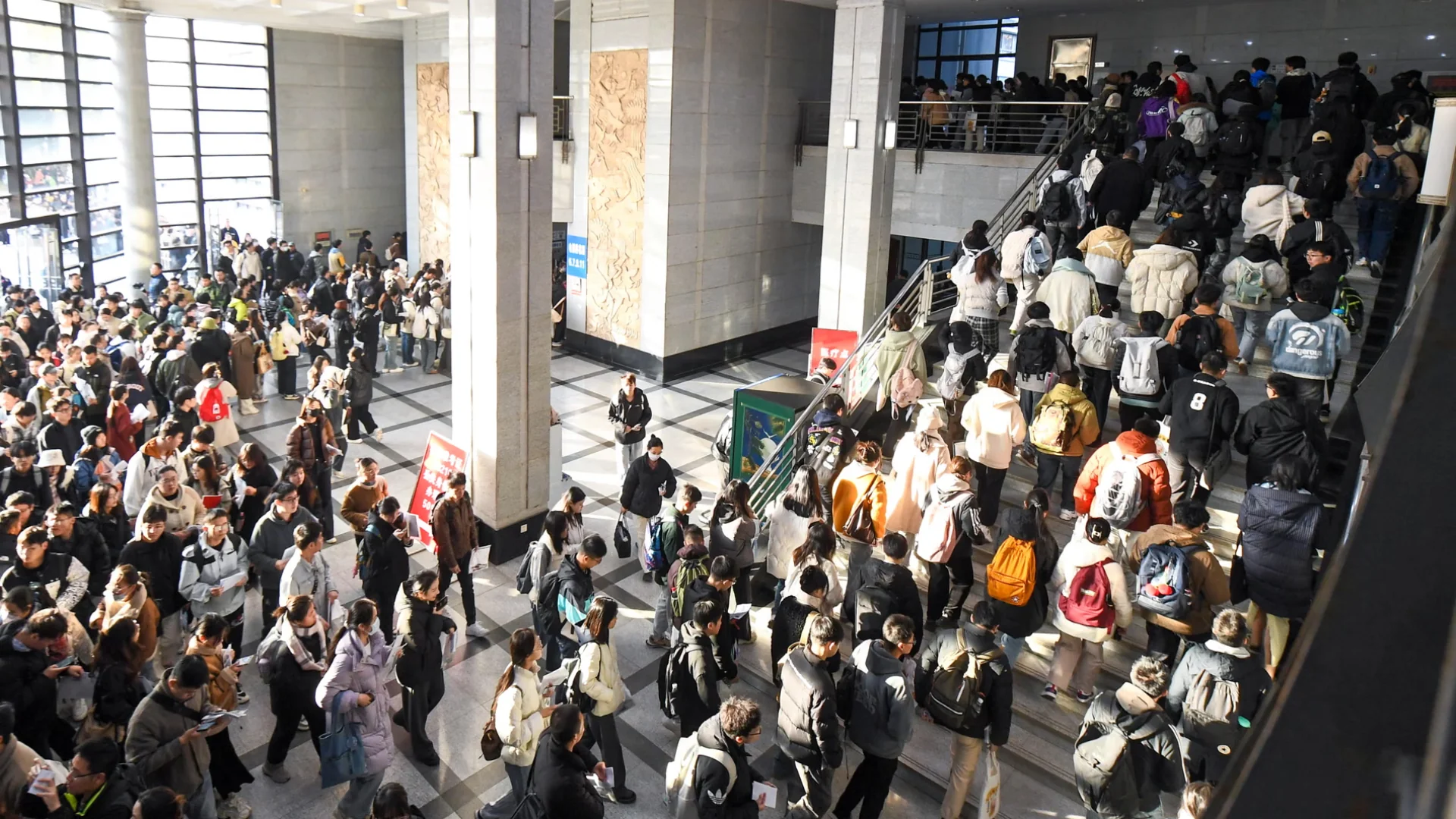
Asia’s Youth Job Squeeze: Inside China’s Record Graduate Influx and Vietnam’s AI Skills Gap
China's record 12.7 million graduates face a 15.6% youth jobless rate as AI reshapes hiring; Vietnam shows the same skills-gap pattern at smaller scale.
Comments (0)
Please sign in to join the discussion.
No comments yet.
Be the first to share your perspective on this topic.