
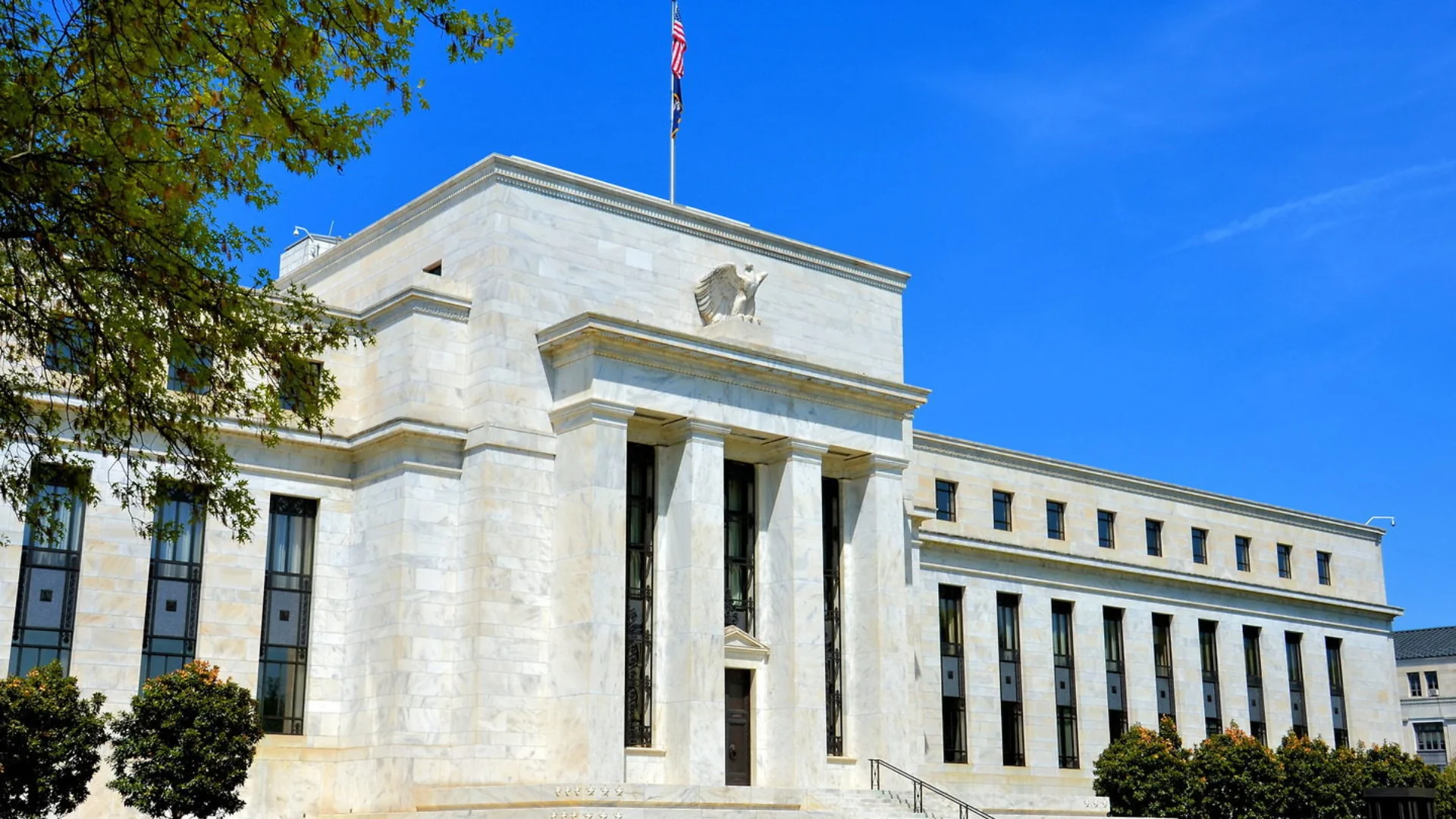
Weeks after a stark June jobs report seemed to close the door on any near-term rate increase, Dallas Fed president Lorie Logan is pushing to reopen it — and by mid-July, she was no longer arguing alone.
A Weak June Jobs Report Complicates the Case for Higher Rates
Nonfarm payrolls rose by a seasonally adjusted 57,000 in June, well below the 115,000 Dow Jones consensus forecast and a sharp step down from May's revised gain of 129,000, according to data reported alongside the release, which showed short-term Treasury yields falling as investors digested the lighter-than-expected jobs figures. The market's initial read was straightforward: the 2-year Treasury yield dropped more than 2 basis points, while the 10-year note ticked up just 1 basis point, a combination typically read as reduced near-term hike expectations. The full breakdown of the report shows the miss wasn't a one-month blip so much as a continuation of a slower hiring trend building since spring.
On its own, that kind of number normally takes a rate increase off the table. It hasn't.
Dallas Fed's Logan Turns From Dissenter to Public Advocate for a Hike
The pushback predates the June jobs number. At the FOMC's April 28-29 meeting, Logan was one of three officials — alongside Cleveland Fed president Beth Hammack — who dissented from statement language suggesting the next move would most likely be a cut. In her formal dissent statement, she argued the outlook left room for the next action to be "either an increase or a cut," not a presumed easing.
From there, the position hardened in public. By June 3, speaking in El Paso, Logan said rate hikes "might be required later this year" given inflation indicators that had "heated up." Her earlier dissent had left the door open; the June remarks pushed through it. Then, on July 16 in Houston, Logan said "inflation has been too high, for too long, and does not appear to be on track all the way back to 2%," adding that she currently believes "modestly higher interest rates" would better balance the Fed's mandate. According to the wire account of that speech, she became the first of Chair Kevin Warsh's colleagues to call publicly for a hike, laying groundwork for a possible dissent at the next meeting.
Energy Prices and AI-Driven Demand Give Hawks a Second Argument
Logan isn't leaning on the labor market at all — her case rests on inflation not being "on track all the way back to 2%." That argument is being reinforced by two channels unrelated to hiring. Per the wire account of last week's remarks, Fed policymakers have expressed concern about higher fuel prices tied to the Middle East conflict, as well as rising price pressures from the fast-paced buildout of AI-related data centers, with Vice Chair Philip Jefferson telling a Stanford audience that policy could need reconsidering if inflation "does not start to cool down soon." The connection between AI-driven investment and the inflation debate has been building for months, and it gives hawks a case that doesn't depend on a strong jobs report at all — which is precisely why a weak one hasn't ended the argument.
What the July 29-30 Vote Will and Won't Settle
None of this guarantees a hike, or even a dissent. Market pricing heading into the meeting still leans toward a hold, and Logan's escalating rhetoric is, so far, a minority position within the committee rather than a consensus shift. What it does confirm is that the debate the FOMC papered over in April — cut-leaning language versus hold-leaning votes — never actually resolved. The June jobs miss weakened one leg of the hawks' argument without touching the other two: energy costs and AI-linked demand pressure. Whether that's enough to produce another dissent at the July 29-30 meeting, rather than just louder public remarks beforehand, is the open question the vote itself will answer.
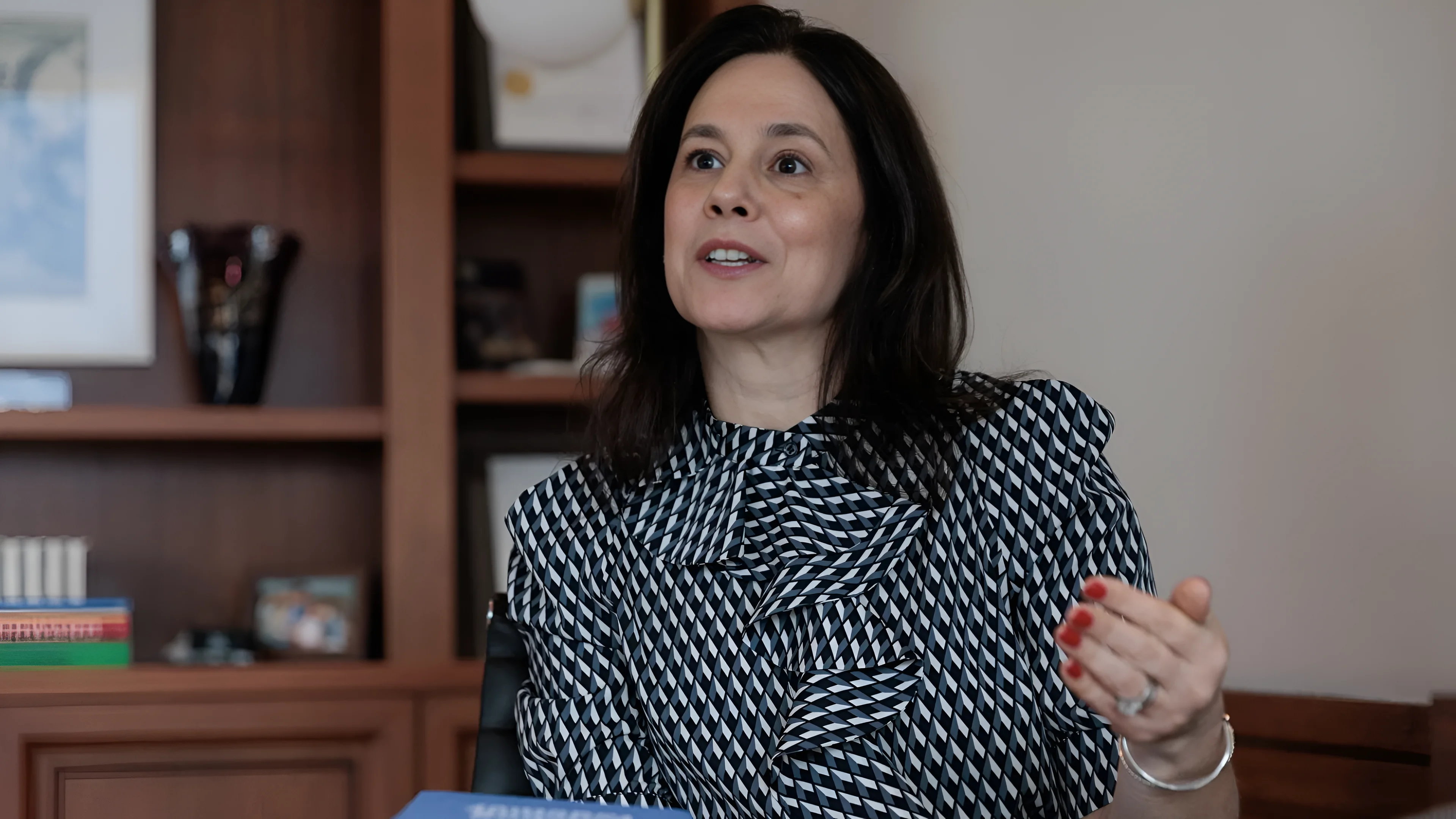
Dallas Fed's Lorie Logan Becomes First Official to Call for a Rate Hike Under Warsh
Dallas Fed's Lorie Logan cites 3.4% core inflation and AI-driven demand to back a hike, splitting the FOMC ahead of its July 28–29 meeting.
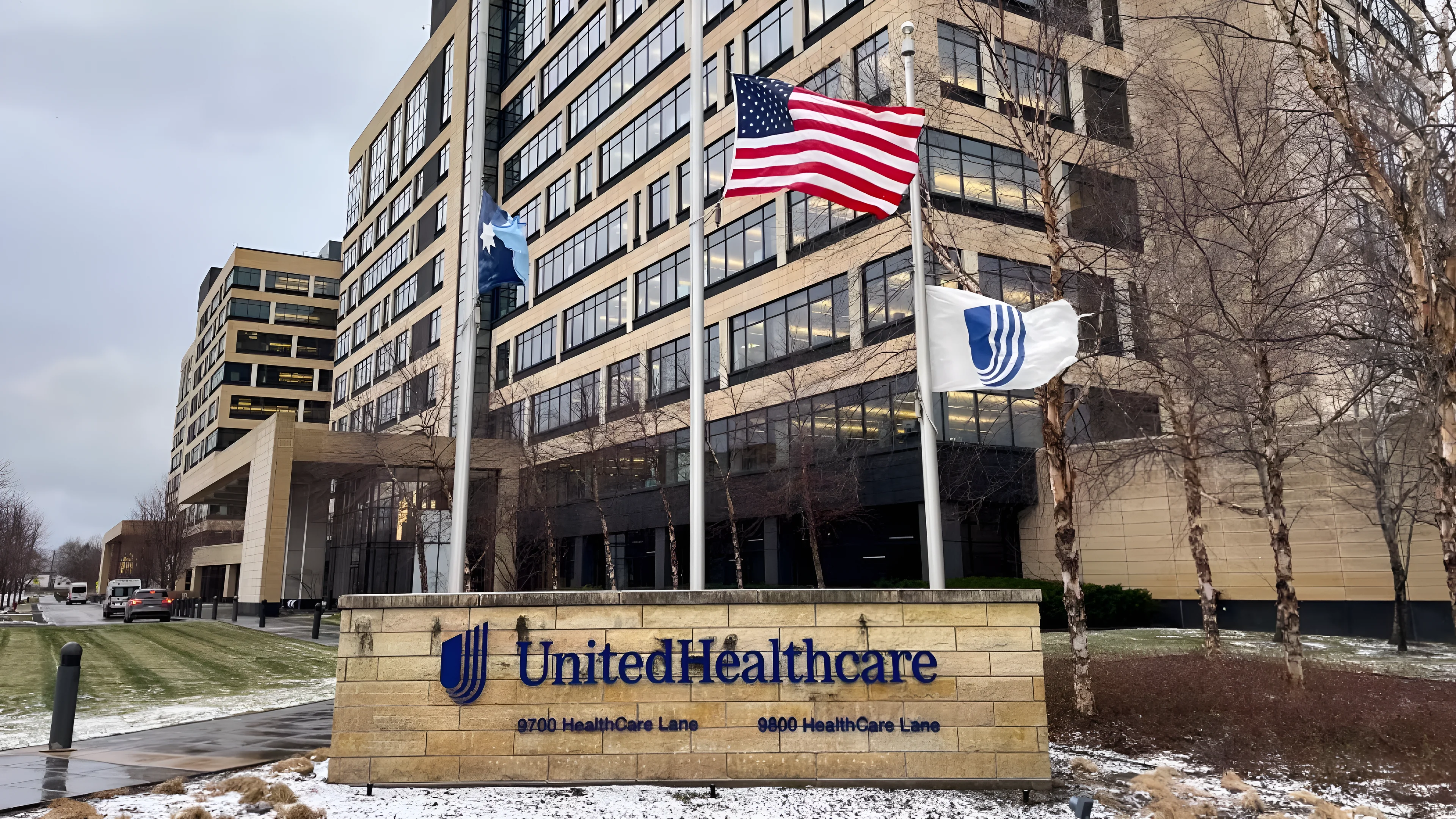
UnitedHealth's Adjusted EPS of $6.38 Beats Estimates by 30% as It Sheds Members for Margin
UnitedHealth posted $6.38 adjusted EPS in Q2 2026, beating estimates by 30%, as medical costs eased to 86.7% and full-year guidance rose to $19.50–$20.00.
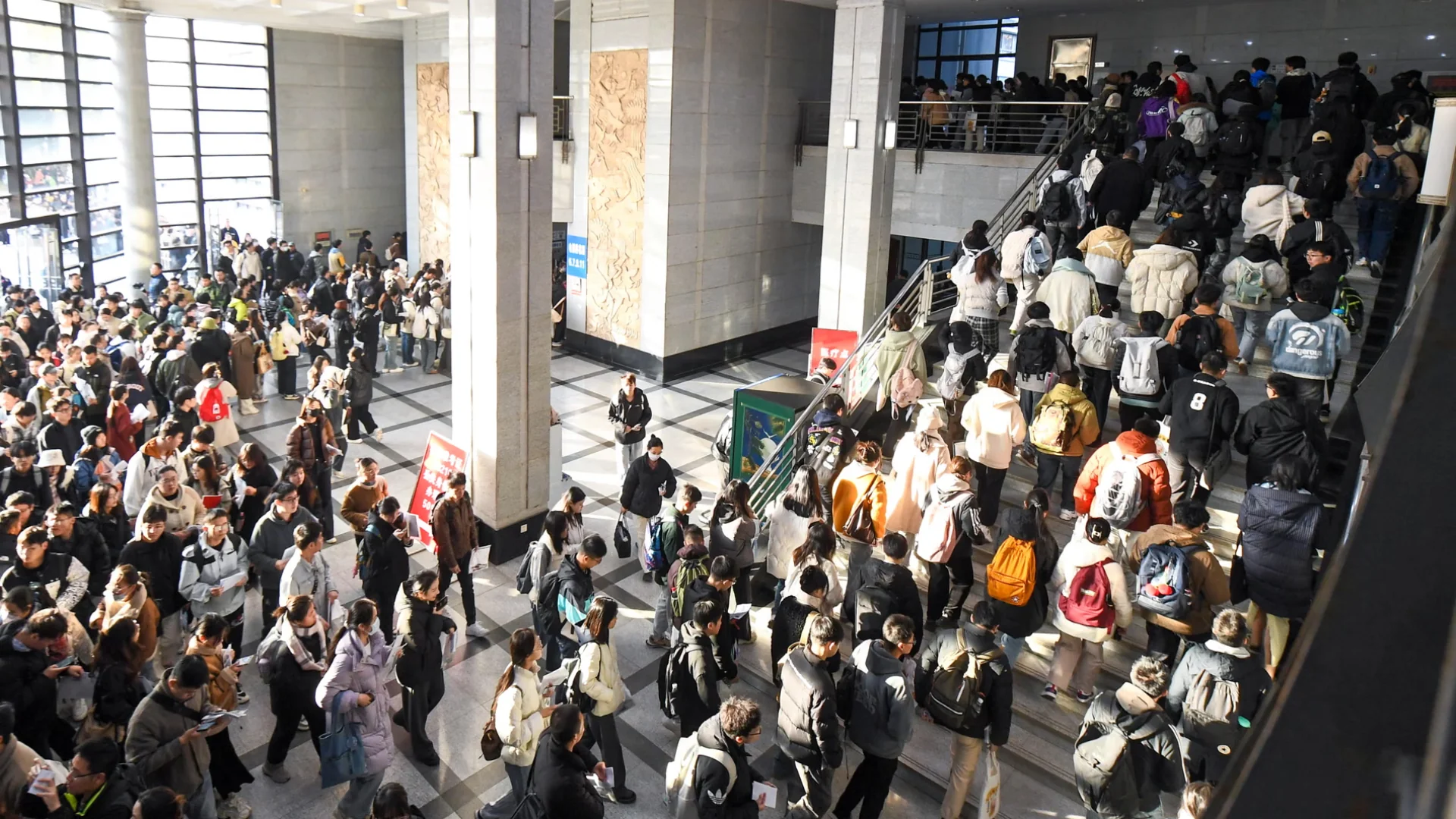
Asia’s Youth Job Squeeze: Inside China’s Record Graduate Influx and Vietnam’s AI Skills Gap
China's record 12.7 million graduates face a 15.6% youth jobless rate as AI reshapes hiring; Vietnam shows the same skills-gap pattern at smaller scale.
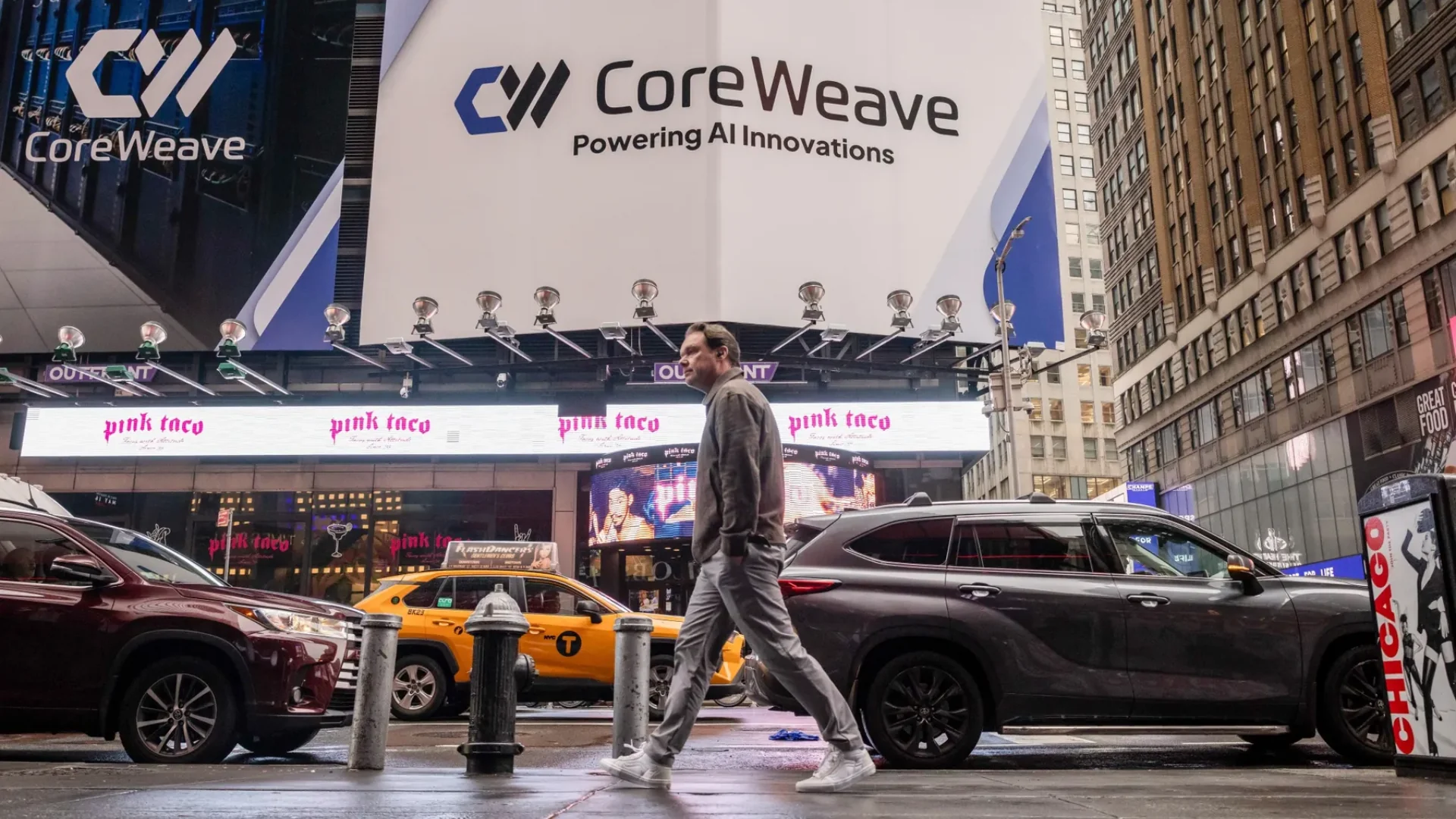
CoreWeave and Nebius Are Chasing $145 Billion in AI Deals on $16 Billion of Revenue
Microsoft, Meta and Nvidia have committed more than $145 billion to neoclouds CoreWeave and Nebius, whose combined 2026 revenue is projected near $16 billion.
Comments (0)
Please sign in to join the discussion.
No comments yet.
Be the first to share your perspective on this topic.