
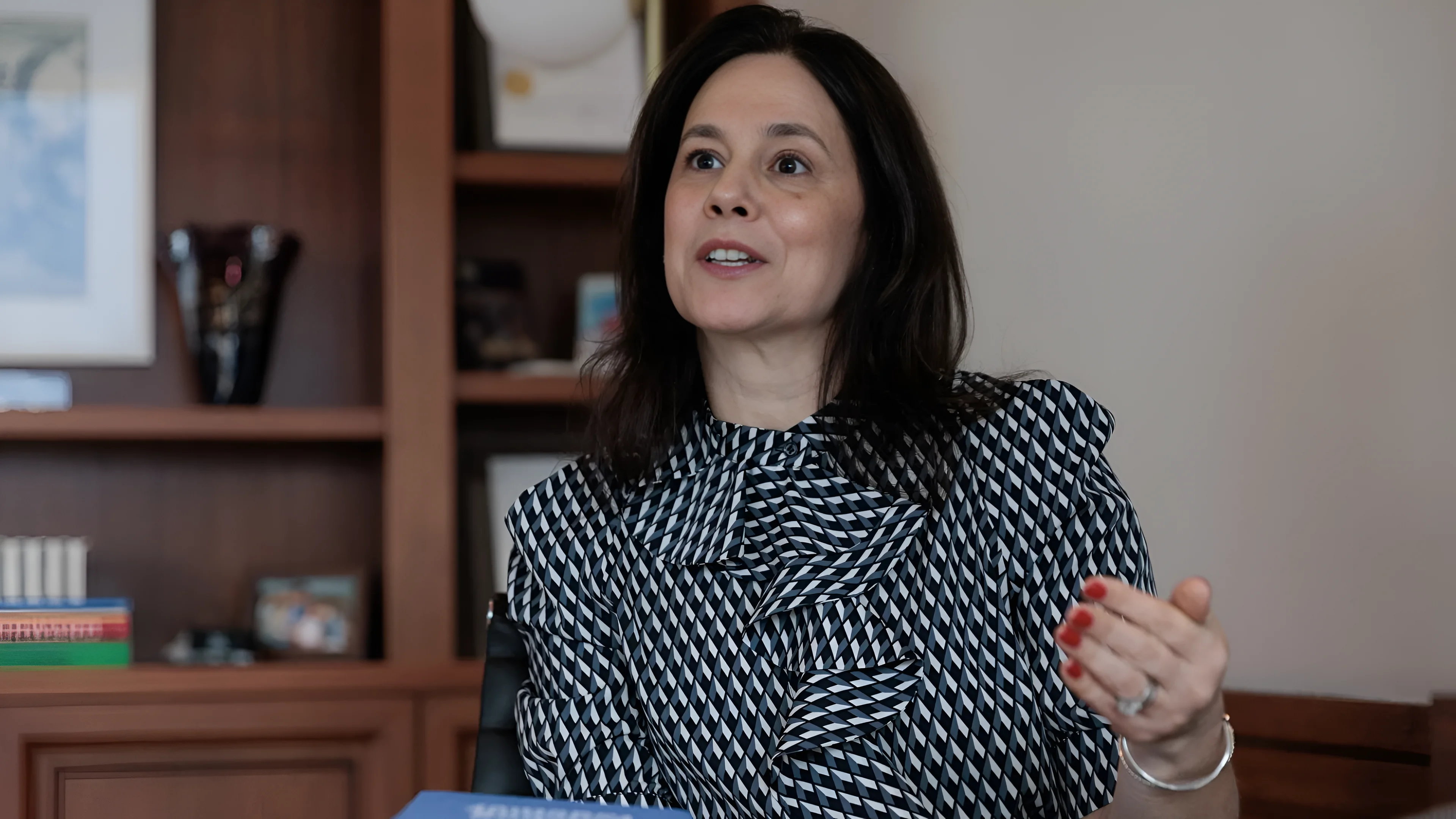
Dallas Fed President Lorie Logan used a Houston speech to become the first sitting FOMC voter to publicly back higher interest rates since Kevin Warsh took over as Fed Chair, arguing that inflation is not on track to return to target on its own.
Logan's Houston Remarks Put Her at Odds With the Rest of the FOMC
Speaking July 16 as part of her "Listening in 360" tour, Logan said she currently believes modestly higher rates would better balance the risks to the Fed's dual mandate, according to ActionForex's account of Logan's Houston remarks. She stopped short of naming a preferred size or committing to a move at this month's meeting.
Her position is not shared across the committee. New York Fed President John Williams said a day earlier that inflation has peaked and favors holding rates steady, while Cleveland's Beth Hammack and Minneapolis's Neel Kashkari have both leaned toward a hike by year-end rather than this month, per Qz's reporting on FOMC dynamics and rate-hike odds. The split below is an editorial reading of where each official's public remarks currently sit, not a Fed-published score.
The Inflation and Labor Data Behind Logan's Case
Logan grounded her argument in a specific reading of the data rather than a general sense that prices are too high. She pointed to core PCE inflation of 3.4%, which she said has risen since December, along with the New York Fed's own trend model landing on the same figure for the persistent component of inflation, per MarketScreener's coverage of the speech. She acknowledged June's softer CPI reading but said one month of relief does not offset the broader trend.
On the labor side, Logan described conditions as solid rather than weakening — an unemployment rate averaging 4.3% in the first half of 2026 and average monthly job gains of 92,000. That framing sits in some tension with June's jobs data, which showed hiring cooling rather than accelerating, though Logan's own conclusion was that current policy isn't restraining the economy enough to bring inflation down.
AI Investment Is Already Lifting Demand, Even Before Any Productivity Payoff
The most distinctive part of Logan's case wasn't the inflation data itself but where she said new price pressure could come from. She named the AI investment boom as a risk alongside renewed Middle East conflict, arguing that AI could eventually improve productivity but that "the potential size and timing of those gains are uncertain," per ActionForex's account of Logan's Houston remarks — whereas the spending tied to AI buildout is already showing up in demand.
That distinction lines up with the delayed timeline typically seen between AI investment and measurable productivity gains: capital gets deployed and demand rises well before any efficiency gains show up in output. Logan's argument is effectively that the Fed is living through the demand side of that gap right now, without yet seeing the offsetting supply side.
Markets Are Skeptical Logan Gets Her Hike This Month
None of this means a hike is imminent. The Fed held its target range at 3.50%–3.75% at its June 17 meeting, its fourth consecutive hold in 2026, and Logan did not say she'd push for a change at the July 28–29 meeting. Traders were pricing roughly a 12.3% probability of a hike at that meeting, with September or October seen as the more likely window for any move, according to Qz's reporting on FOMC dynamics and rate-hike odds.
That gap between Logan's rhetoric and the market's near-term pricing is itself informative: investors appear to be treating her remarks as an early marker in a longer internal debate rather than a signal of an imminent policy shift. Given how a slowing labor market can compound into broader economic strain, how the FOMC resolves that debate over the coming months will matter well beyond the July meeting itself.
Inside the Fed's Growing Hawkish Camp as a July Rate Decision Looms
Dallas Fed's Logan is pushing for higher rates weeks after a weak June jobs report. Here's what's driving the split before the July 29-30 FOMC meeting.
UnitedHealth's Adjusted EPS of $6.38 Beats Estimates by 30% as It Sheds Members for Margin
UnitedHealth posted $6.38 adjusted EPS in Q2 2026, beating estimates by 30%, as medical costs eased to 86.7% and full-year guidance rose to $19.50–$20.00.
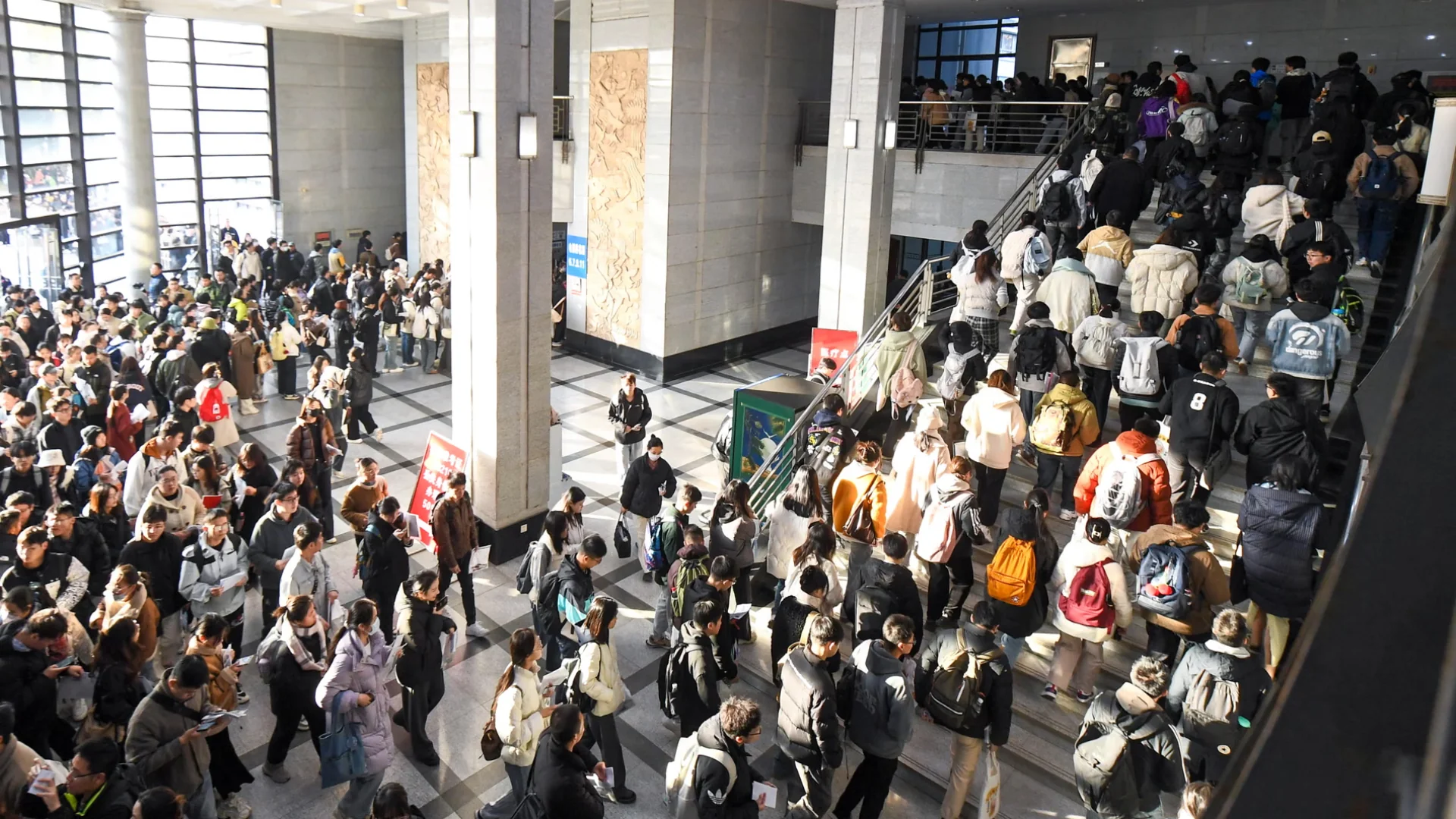
Asia’s Youth Job Squeeze: Inside China’s Record Graduate Influx and Vietnam’s AI Skills Gap
China's record 12.7 million graduates face a 15.6% youth jobless rate as AI reshapes hiring; Vietnam shows the same skills-gap pattern at smaller scale.
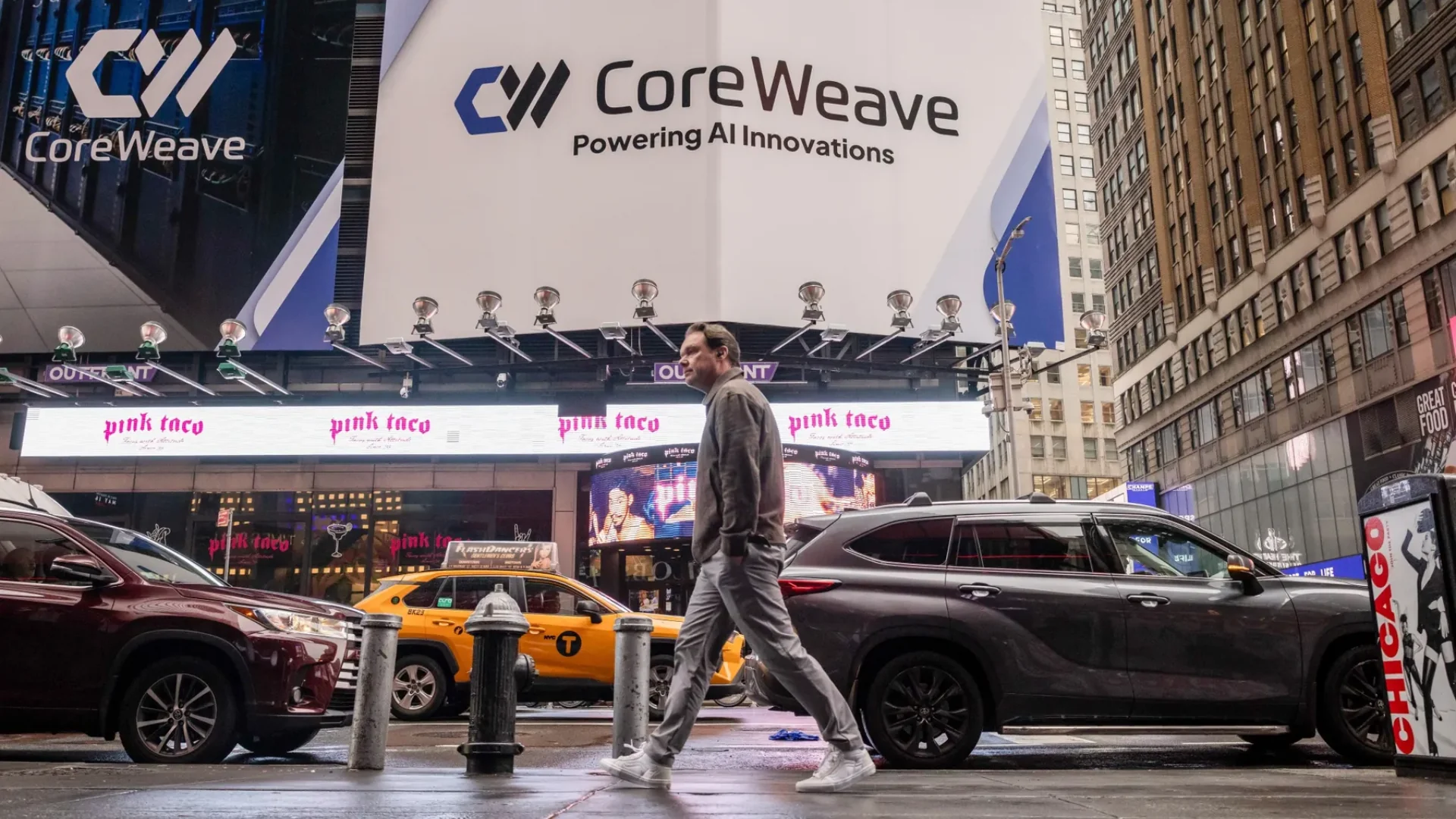
CoreWeave and Nebius Are Chasing $145 Billion in AI Deals on $16 Billion of Revenue
Microsoft, Meta and Nvidia have committed more than $145 billion to neoclouds CoreWeave and Nebius, whose combined 2026 revenue is projected near $16 billion.
Comments (0)
Please sign in to join the discussion.
No comments yet.
Be the first to share your perspective on this topic.