
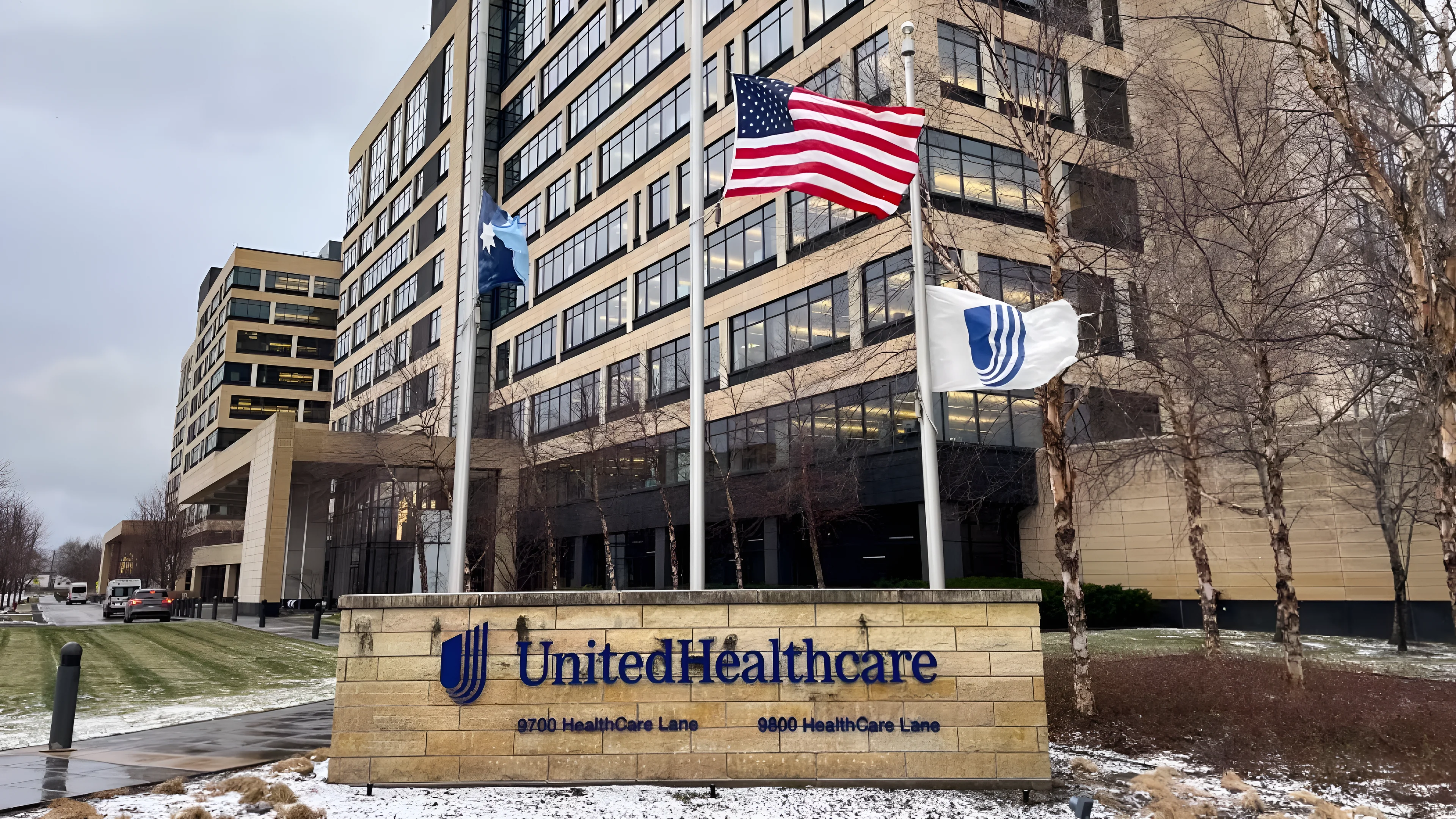
UnitedHealth Group's second-quarter 2026 adjusted earnings of $6.38 per share cleared Wall Street's roughly $4.85–$4.91 estimate by about 30%, on revenue of $112.0 billion and earnings from operations of $8.0 billion. The company also raised its full-year outlook well above where analysts had it — but the improvement came from a smaller, pickier UnitedHealthcare business, not a bigger one.
Adjusted EPS Jumped From $2.11 to $6.38 in Two Quarters, but the Real Story Is the Medical Cost Ratio
UnitedHealth's non-GAAP profit of $6.38 per share was roughly 30.6% above the analyst consensus, and up sharply from $4.08 in the same quarter last year. On a GAAP basis, net income came to $5.48 billion, or $6.04 per share, compared with $3.41 billion, or $3.74 per share, a year earlier. Total earnings from operations reached $8.0 billion, a sharp increase from $5.2 billion in the second quarter of 2025.
The swing traces back to underwriting, not top-line growth: revenue was $112.0 billion, essentially flat from the prior year, so the entire earnings jump came from spending less of every premium dollar on care and than a year earlier. Placed against the last five reported quarters, the swing from a $2.11 adjusted quarter to $6.38 shows how volatile the recovery path has been rather than a smooth upward trend.
The Medical Care Ratio Fell to 86.7% as Optum's Margin Widened 160 Basis Points
UnitedHealth Group's medical cost ratio was 86.7% for the second quarter of 2026, reflecting cost and pricing discipline as well as mix changes across benefit offerings, down from 89.4% a year earlier. Part of that improvement was a timing effect: the ratio included $860 million of net favorable prior-period development, with the majority tied to 2026 dates of service, rather than a pure structural gain.
At the segment level, UnitedHealthcare served 48.5 million consumers and reported revenue of $86.0 billion with operating earnings of $3.9 billion, while the segment's operating margin rose to 4.6%, up from 2.4% a year ago. Optum supported more than 120 million consumers and generated revenue of $65.7 billion and earnings of $4.0 billion, reflecting 160 basis points of margin expansion year-over-year. Set against the last five quarters, the ratio's path from a low of 83.9% in the first quarter of 2026 back up to 86.7% shows the metric moving in a narrower, more managed band than the mid-89% readings of late 2025.
UnitedHealthcare Shed 525,000 Members in a Quarter as the Company Trades Growth for Margin
The margin gains were not free. UnitedHealthcare served 48.5 million people in the second quarter, down 525,000 from the previous quarter. Chief Financial Officer Wayne DeVeydt attributed the membership declines largely to affordability pressures driven by higher health care costs, and forecast a loss of roughly 500,000 ACA exchange members and 1.1 million Medicare Advantage members in 2026. The company is doing this deliberately — it has eliminated 30% of prior-authorization volume and is moving toward a fully transparent, fee-based pharmacy model at Optum Rx, alongside exiting unprofitable contracts and pouring $1.5 billion into artificial intelligence to streamline operations.
DeVeydt was direct about what the improved ratio does and doesn't mean, saying the quarter's results are "not a reflection of trend bending or coming under control" but rather an effort to push down an already-elevated cost figure. He added that medical costs in the quarter remained "elevated over historical levels", an issue that has weighed on the broader insurance industry for more than two years.
The Stock Jumped at the Open, but Its Recovery Is Priced for the Trend to Keep Improving
Investors rewarded the print immediately: shares were sent up over 8% at the open as investors responded positively to the improved outlook, with UNH closing the prior session at $418.52, up 28.92% over the last three months and 45.28% over the last 12 months. UnitedHealth also raised its full-year 2026 adjusted earnings guidance to $19.50 to $20.00 per share, with a midpoint of $19.75 that exceeds the analyst consensus of $18.48, while holding its revenue guidance near $439 billion even as membership shrinks.
That guidance raise, on top of an already-strong run, means the stock's next moves depend on whether the medical cost ratio keeps behaving the way it did this quarter — including the $860 million of favorable prior-period development that flattered the ratio — rather than reverting toward the high-80s levels seen for most of 2025.
Inside the Fed's Growing Hawkish Camp as a July Rate Decision Looms
Dallas Fed's Logan is pushing for higher rates weeks after a weak June jobs report. Here's what's driving the split before the July 29-30 FOMC meeting.

The Retirement Countdown: What to Fix at 5 Years, 3 Years and 1 Year Out
Retirement checklist: what advisors say to fix at 5, 3 and 1 year out — Social Security claiming order, IRA withdrawal sequencing and a 2028 tax deadline.
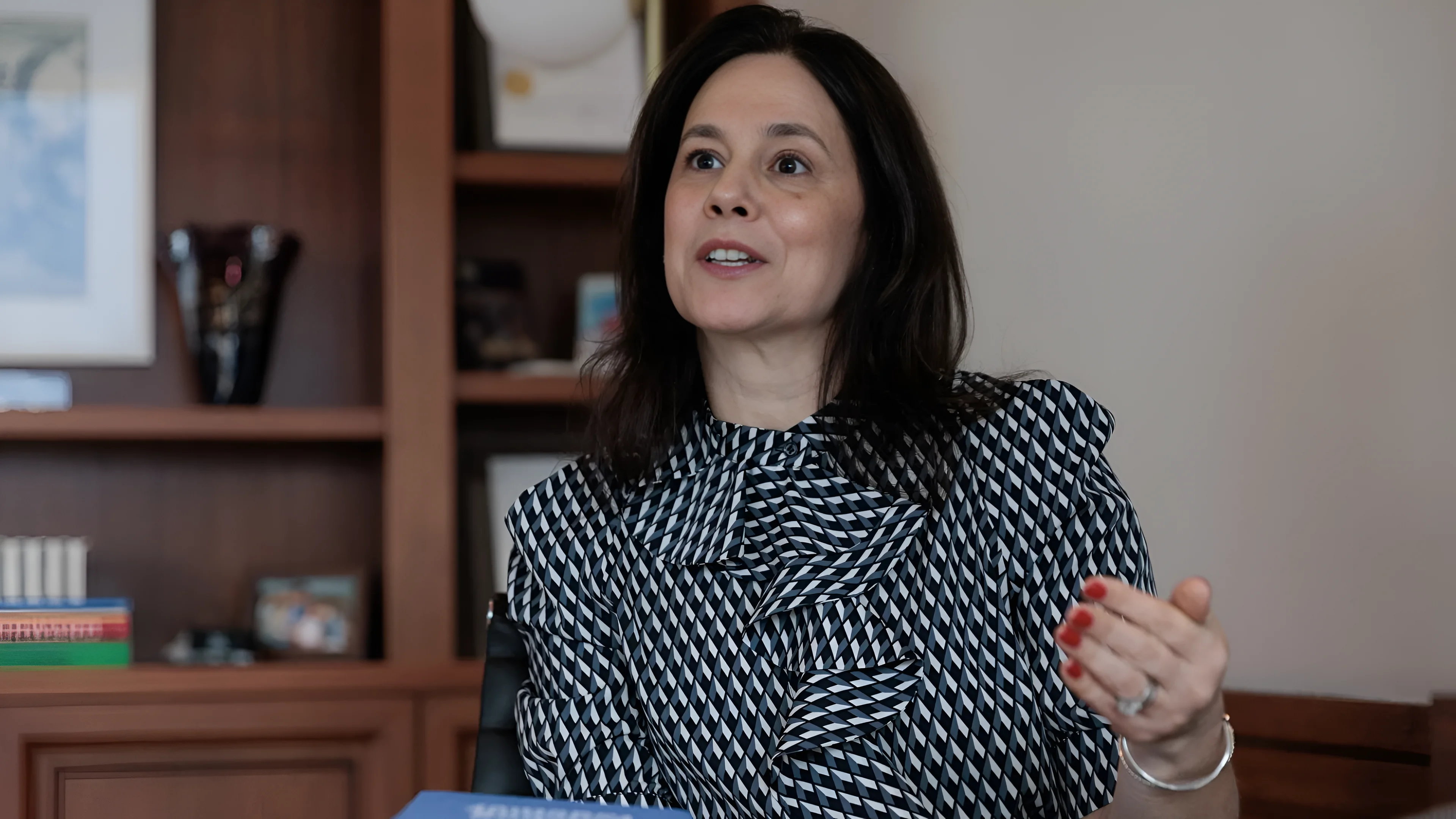
Dallas Fed's Lorie Logan Becomes First Official to Call for a Rate Hike Under Warsh
Dallas Fed's Lorie Logan cites 3.4% core inflation and AI-driven demand to back a hike, splitting the FOMC ahead of its July 28–29 meeting.

Why SaaS Companies Fail: What the 2024 Shutdown Data Shows
CB Insights' 2024 study of 431 failed startups found 43% cite poor product-market fit; Carta data shows enterprise SaaS led 2024's shutdown wave at 32%.
Comments (0)
Please sign in to join the discussion.
No comments yet.
Be the first to share your perspective on this topic.