
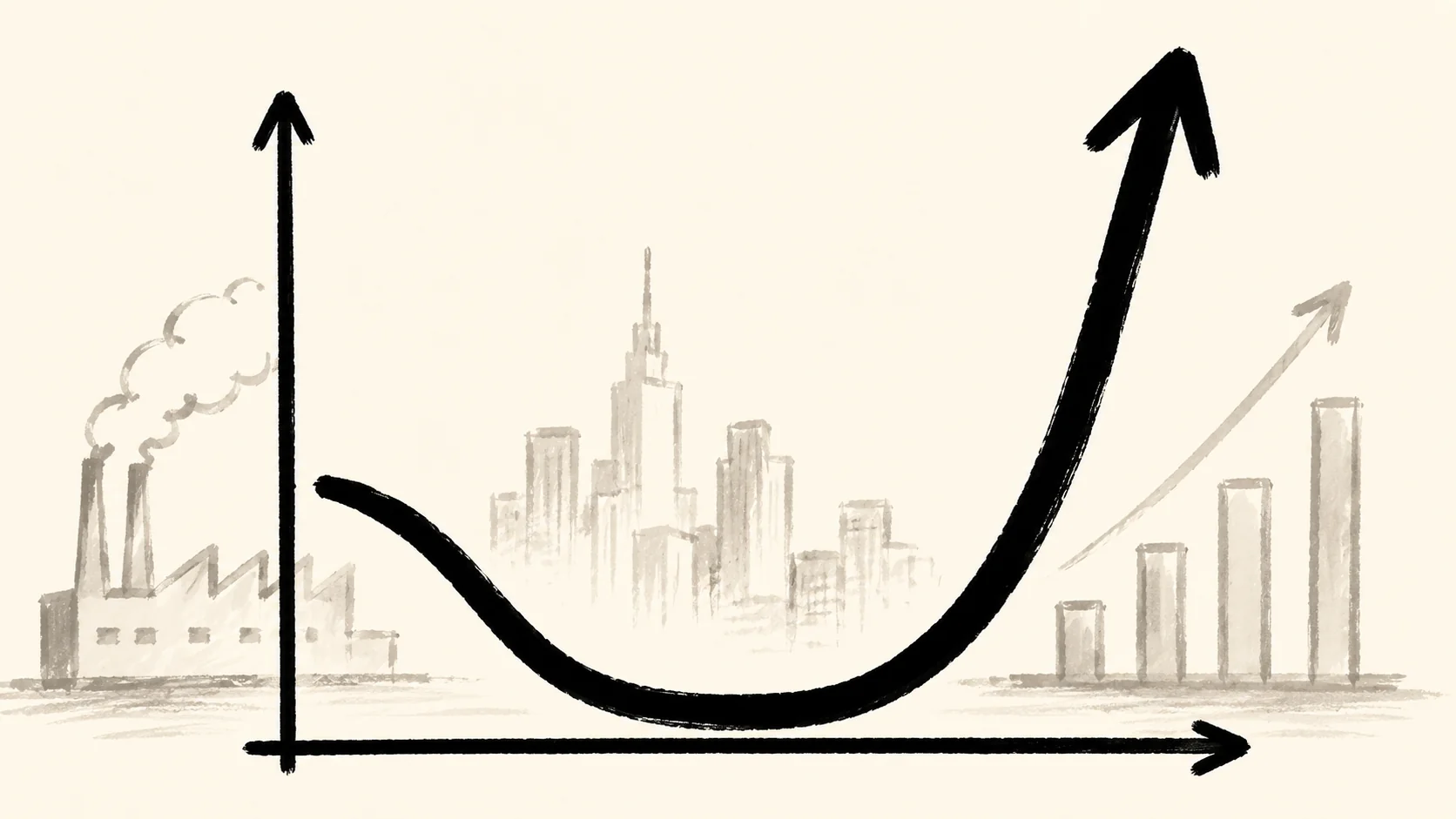
If artificial intelligence is as transformative as its backers claim, why hasn't it shown up in productivity statistics yet? A framework from researchers at the MIT Initiative on the Digital Economy offers an answer: it has, but not in a way standard economic accounting can see.
How the J-Curve Hides Productivity Gains Inside Unmeasured Capital
The paper describing the productivity J-curve argues that major general purpose technologies — electricity, computing, and now AI — follow a predictable but counterintuitive path. Adoption does not translate immediately into measured output. Instead, firms redirect labor and capital away from standard production toward building what the framework calls intangible capital: reorganized workflows, redesigned business processes, retrained staff, retuned software, and in some cases entirely new business models.
This activity is real investment, but it does not appear on a balance sheet the way a factory or a server rack does. National accounting and GDP metrics are built to capture physical and financial capital, not the organizational rewiring a new technology demands. The result is what the framework labels the "dip" phase: measured output and Total Factor Productivity (TFP) growth appear to slow or stagnate, even though firms are actively building the foundation for a later payoff.
Years or decades on, the framework describes a "surge" phase. Once the accumulated intangible capital starts generating measurable output, productivity growth appears to spike — and can temporarily overstate how much new value is actually being created, since it is partly the deferred harvest of earlier, uncounted investment.
Electricity and Personal Computers Followed the Same Delayed Curve
The framework is not new to AI. According to the paper, electrification in the 1890s through the 1920s produced a productivity lag that lasted decades, not because the technology was deficient, but because the dominant industrial layout — a single giant central steam engine driving machinery through a shared system of belts — had to be abandoned before electricity's advantages could be realized. The payoff arrived only once factories adopted modular, distributed electric motors, a structural shift that enabled the assembly line.
A similar pattern played out with information technology between the 1970s and 1990s. Economist Robert Solow's well-known observation that "you can see the computer age everywhere but in the productivity statistics" captured the dip phase of that cycle. The paper notes the eventual productivity spike of the 1990s did not arrive simply because PCs became common. It came once individual machines were connected through relational databases and networked infrastructure, allowing the technology's value to compound across an organization rather than sit on individual desks.
In both cases, the lag was not a sign of failure. It was the visible cost of restructuring around a technology, paid before the technology's full output could be measured.
Adjusted Accounting Already Found a 15.9% Hidden Productivity Gap
The paper's empirical contribution moves the framework from analogy to measurement. According to its findings, adjusting traditional growth accounting to include software and hardware intangible assets puts the true US TFP level 15.9% higher by the end of 2017 than official statistics reported. That gap represents productive activity that conventional accounting treated as a cost rather than an asset — work that was building intangible capital without being recorded as building anything at all.
This figure is significant for the AI debate specifically because it demonstrates the dip is not merely theoretical. Even for the prior computing-driven wave, a meaningful share of true productivity growth was sitting unmeasured in intangible capital stocks for years before it was recognized.
Why Today's AI Spending Looks Like a Trough, Not a Failure
The paper situates the current moment inside the early downward portion of the AI J-curve. Heavy spending on AI infrastructure and talent is, by this account, suppressing short-term measured productivity gains precisely because so much of that spending is going toward structural adaptation rather than output that shows up in near-term statistics.
This reframes a common critique of the AI buildout. The absence of a clear, broad productivity surge so far is consistent with the framework's dip phase rather than evidence that the technology is overhyped. That said, the paper's argument rests on analogy to two historical cases plus one accounting study covering the 1970s–2017 period; it does not measure or date the AI surge directly, and the size, timing, and existence of a future AI productivity surge remain unproven by this evidence. Whether AI follows the same path as electricity and computing, on a similar or different timeline, depends on how completely firms manage the organizational redesign the framework says any such payoff requires.
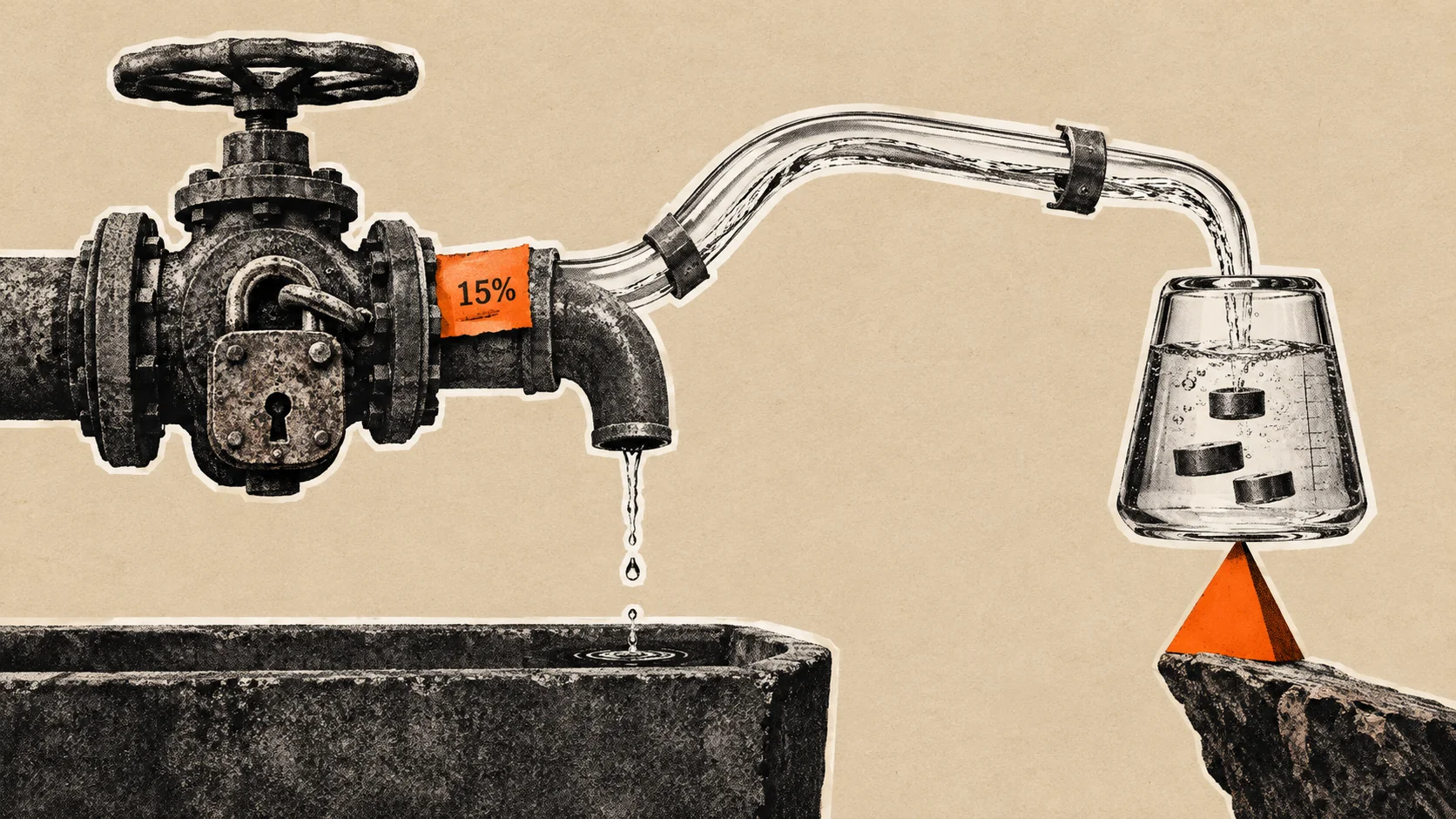
DeFi vs. TradFi: Where Cheaper Payment Rails Meet Different Liquidity Risks
DeFi vs TradFi compared: banks average 14.99% on $200 cross-border transfers, a stablecoin pilot priced 1.60% to 2.50%, and liquidity risk differs by design.
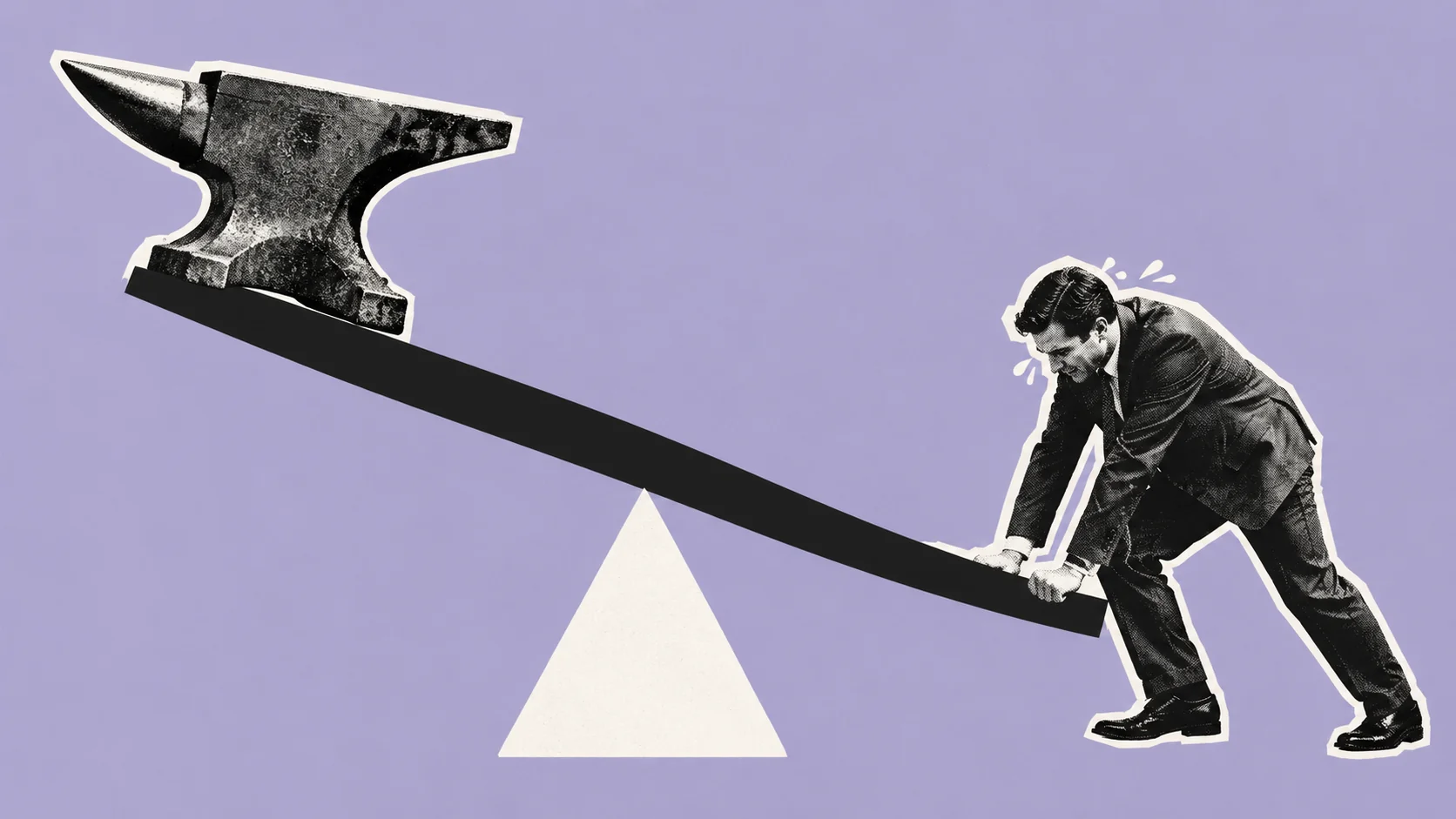
The Phillips Curve in 2026: Unemployment at 4.1%, Inflation Still at 3.4%
U.S. unemployment held at 4.1% in August 2026 while inflation stayed at 3.4%. Here is what seven months of BLS data show about the Phillips curve trade-off.
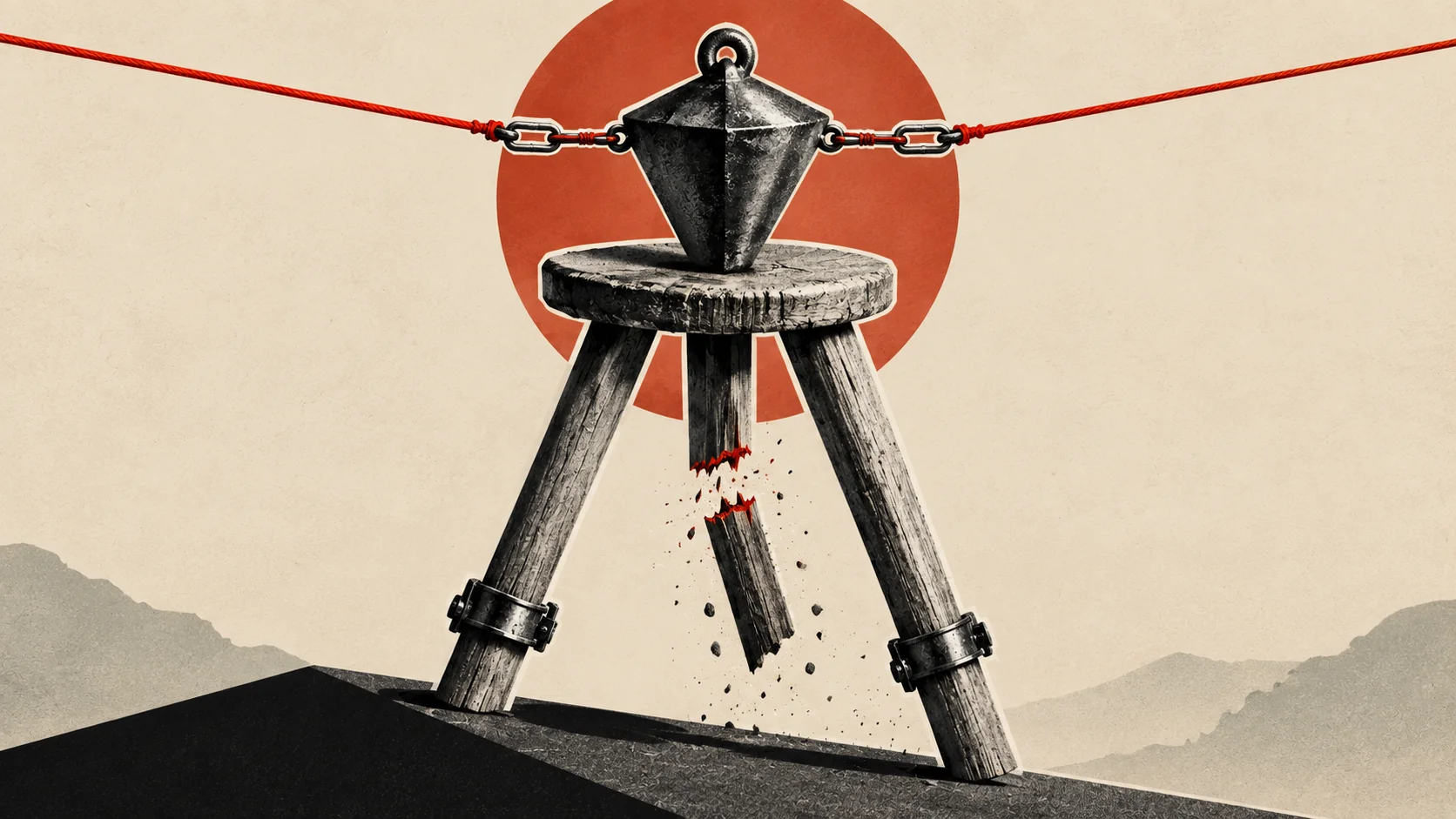
The Impossible Trinity: Why Hong Kong's Peg and China's Capital Controls Are Two Sides of the Same Trade-Off
Hong Kong's dollar peg and China's capital controls look opposite, but both are answers to the same economic trilemma: pick two of three, never all three.
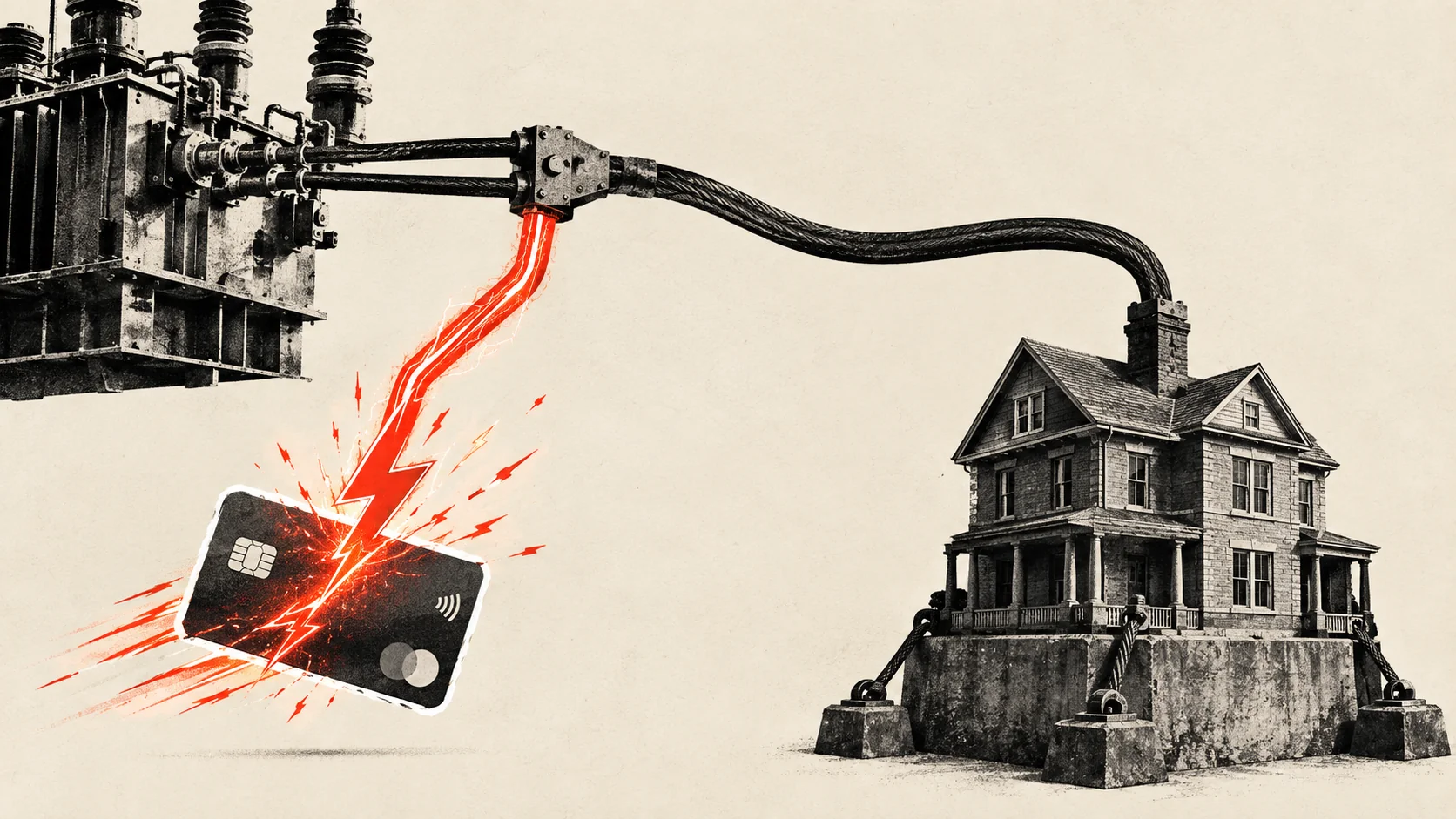
Why Credit Card Rates React to the Fed Faster Than Mortgages Do
How a central bank's overnight policy rate moves through prime rate, credit cards, mortgages and savings accounts at very different speeds.
Comments (0)
Please sign in to join the discussion.
No comments yet.
Be the first to share your perspective on this topic.