
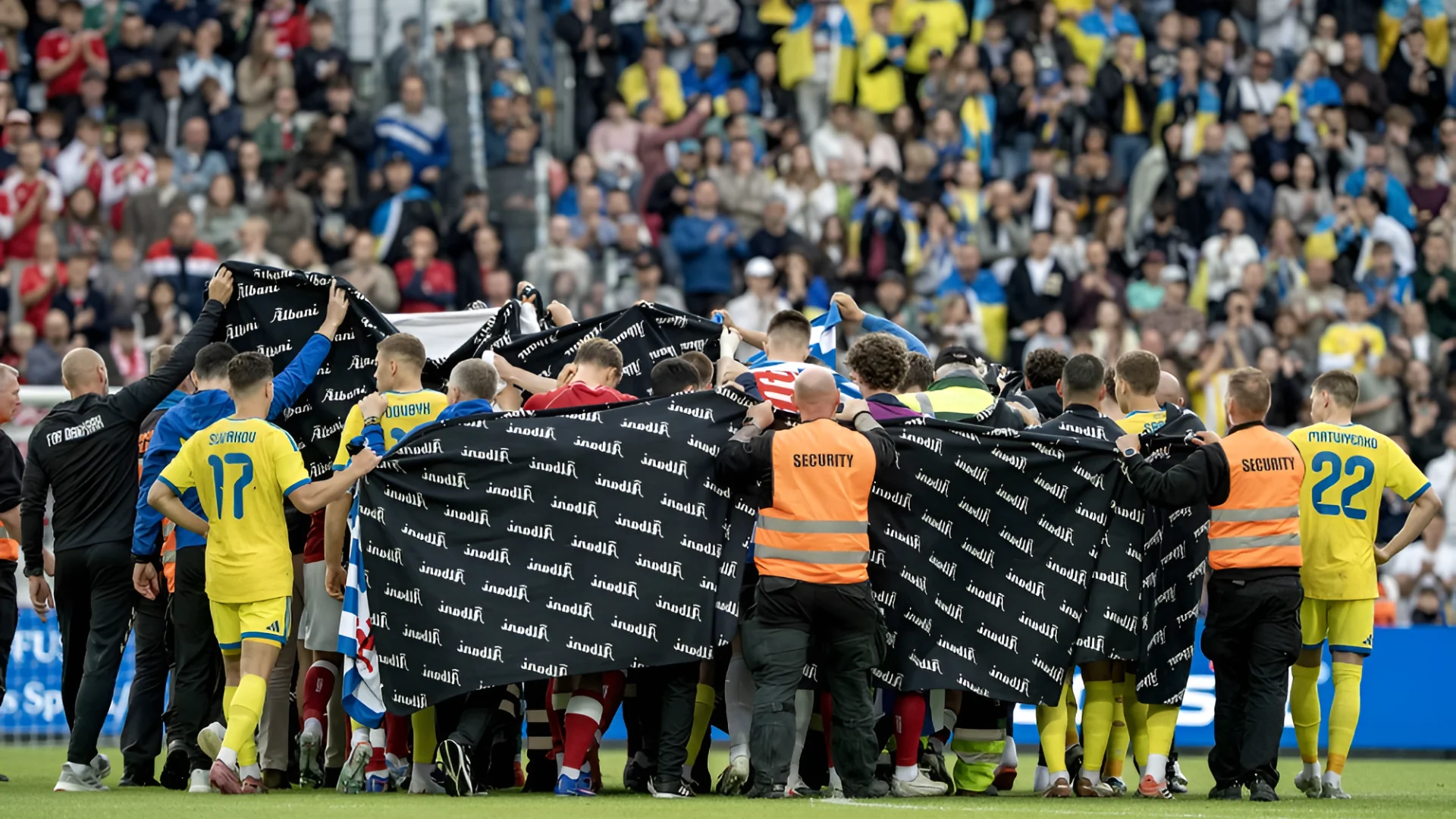
Danish midfielder Christian Eriksen suffered another on-pitch cardiac episode during an international friendly against Ukraine on Sunday, June 7, 2026 — five years after a near-fatal arrest at Euro 2020. His implanted cardiac device responded as expected, and he walked to the ambulance under his own power.
What Happened in Odense on June 7
In the 65th minute of a friendly at Nature Energy Park in Odense, with Denmark leading Ukraine 2–1, Eriksen clutched his chest during an off-the-ball sequence and fell to the ground. Medical staff reached him within seconds. Players from both teams formed a protective circle around him to shield him from cameras — a gesture that drew widespread attention in 2021 and was repeated here without hesitation.
Denmark national team doctor Morten Boesen confirmed to reporters that Eriksen had been "briefly unconscious" but regained consciousness quickly. Eriksen was then able to walk to the waiting ambulance and was transported to Odense University Hospital for further assessment. The Danish Football Association issued a statement confirming he was "in good spirits," conscious, stable, and expected to be discharged. The match was officially abandoned in the 79th minute.
The chart below shows the three key facts from the incident as reported by the Danish FA and sourced journalists on the day.
How the ICD Worked and Why It Mattered
The difference between the outcome on Sunday and the events of June 12, 2021 traces directly to one device. After his cardiac arrest during Denmark's Euro 2020 opener against Finland, Eriksen was fitted with an Implantable Cardioverter-Defibrillator. An ICD continuously monitors heart rhythm and, when it detects a life-threatening arrhythmia, delivers an electric shock to restore normal function — distinct from a standard pacemaker, which only regulates a slow or irregular beat without the defibrillation capacity.
On Sunday, Dr. Boesen was direct: "As I see it, the pacemaker responded as it should." The clinical shorthand aside, what Boesen described was an ICD functioning as designed. The device detected the abnormal rhythm, intervened, and Eriksen regained consciousness rapidly. The precise arrhythmia type has not been disclosed by the hospital or the Danish FA.
The fact that Eriksen walked to the ambulance is not merely reassuring detail — it is the clearest available signal of how quickly and completely his circulation was restored. In his 2021 arrest, he required prolonged CPR on the pitch before return of spontaneous circulation. On Sunday, there was no visible resuscitation effort beyond initial medical assessment.
Eriksen reportedly asked medical staff to pass a message to his teammates confirming he was okay. Fans at the stadium chanted his name. The Danish FA's public statement followed within hours.
Eriksen's Path From 2021 to the Pitch in Odense
The ICD implantation after his 2021 cardiac arrest was itself a medically and professionally consequential decision. The device allowed Eriksen to return to professional football when UEFA's regulations, which had previously barred players with ICDs from competing in its competitions, were amended following his case. He played for Brentford, then Manchester United, and had been competing for VfL Wolfsburg in the Bundesliga prior to Sunday's match.
The timeline below traces the five-year arc from his collapse in Copenhagen to Sunday's incident and its outcome.
Neither Denmark nor Ukraine had qualified for the 2026 World Cup. The friendly had no competitive stakes, but the incident's significance — and the way it resolved — will shape discussions about cardiac screening, ICD policy, and player welfare in professional football for some time. For now, Eriksen was stable and expected to leave hospital.
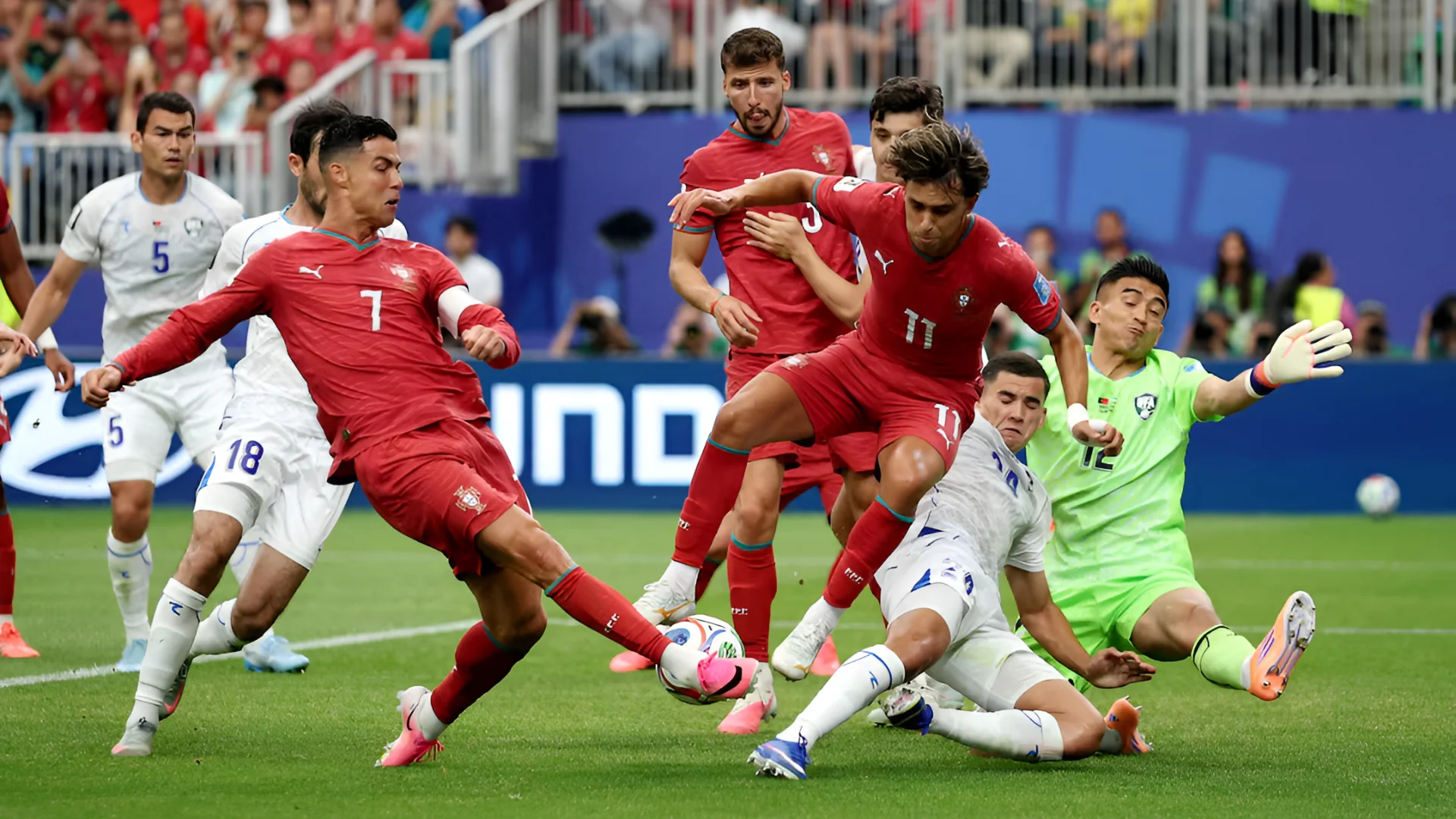
Ronaldo Scores in 6th World Cup in Portugal's 5-0 Win
Ronaldo's brace against Uzbekistan made him the first player to score in six different Men's World Cups and Portugal's all-time leading scorer at the global finals with 10 goals.
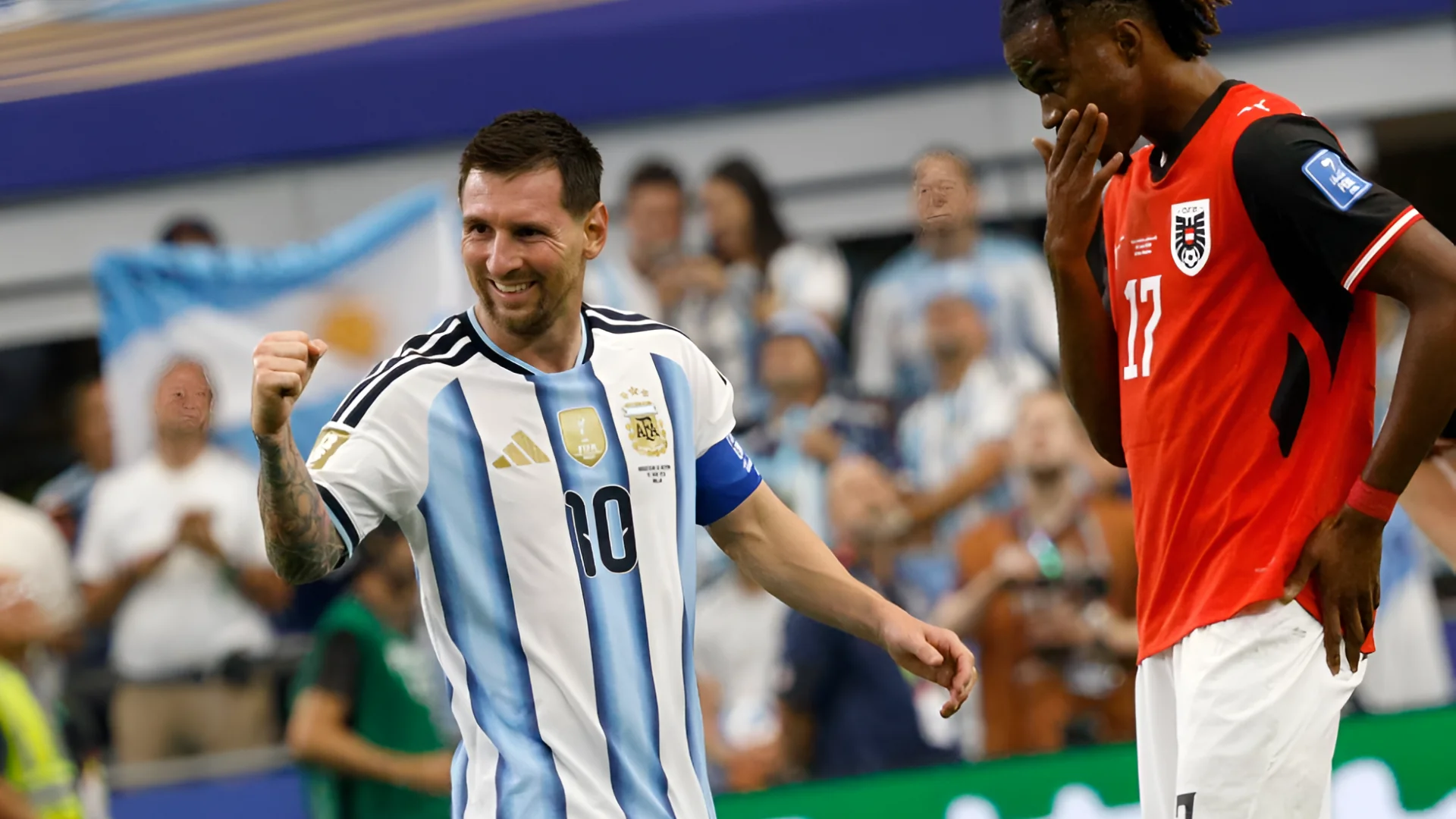
Messi, Mbappé, Haaland Dominate 2026 World Cup
Lionel Messi leads the Golden Boot race, Kylian Mbappé's France are the clear favorites, and Erling Haaland is scoring freely as the 2026 World Cup group stage produces a spectacular opening.
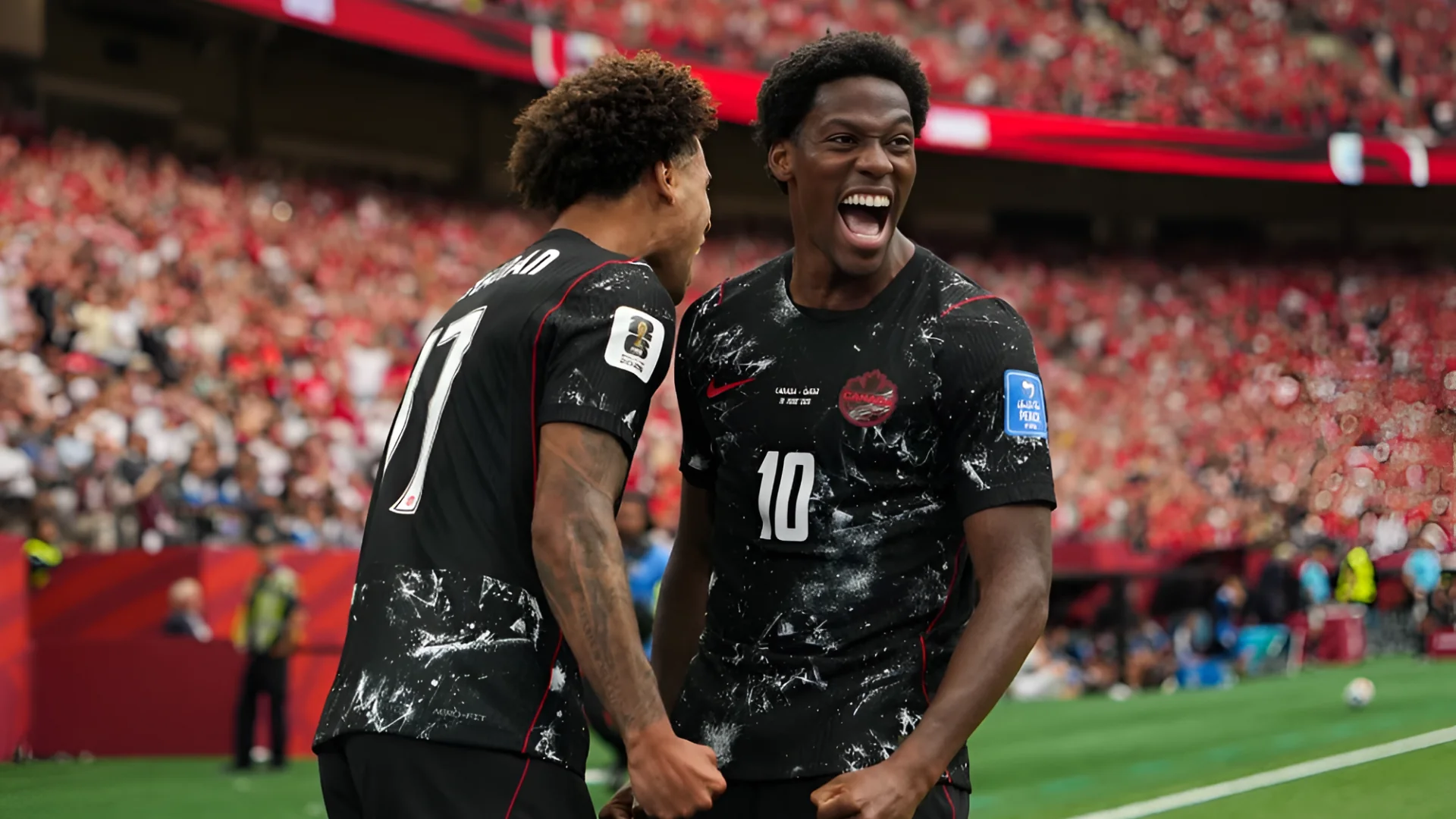
Canada's Historic Win Marred by Koné Injury and Brawl
Canada defeated Qatar 6-0 on June 18 for their first FIFA World Cup win. Jonathan David scored a hat-trick, but the night was marked by Ismaël Koné's broken leg and a post-match altercation between coaching staffs.
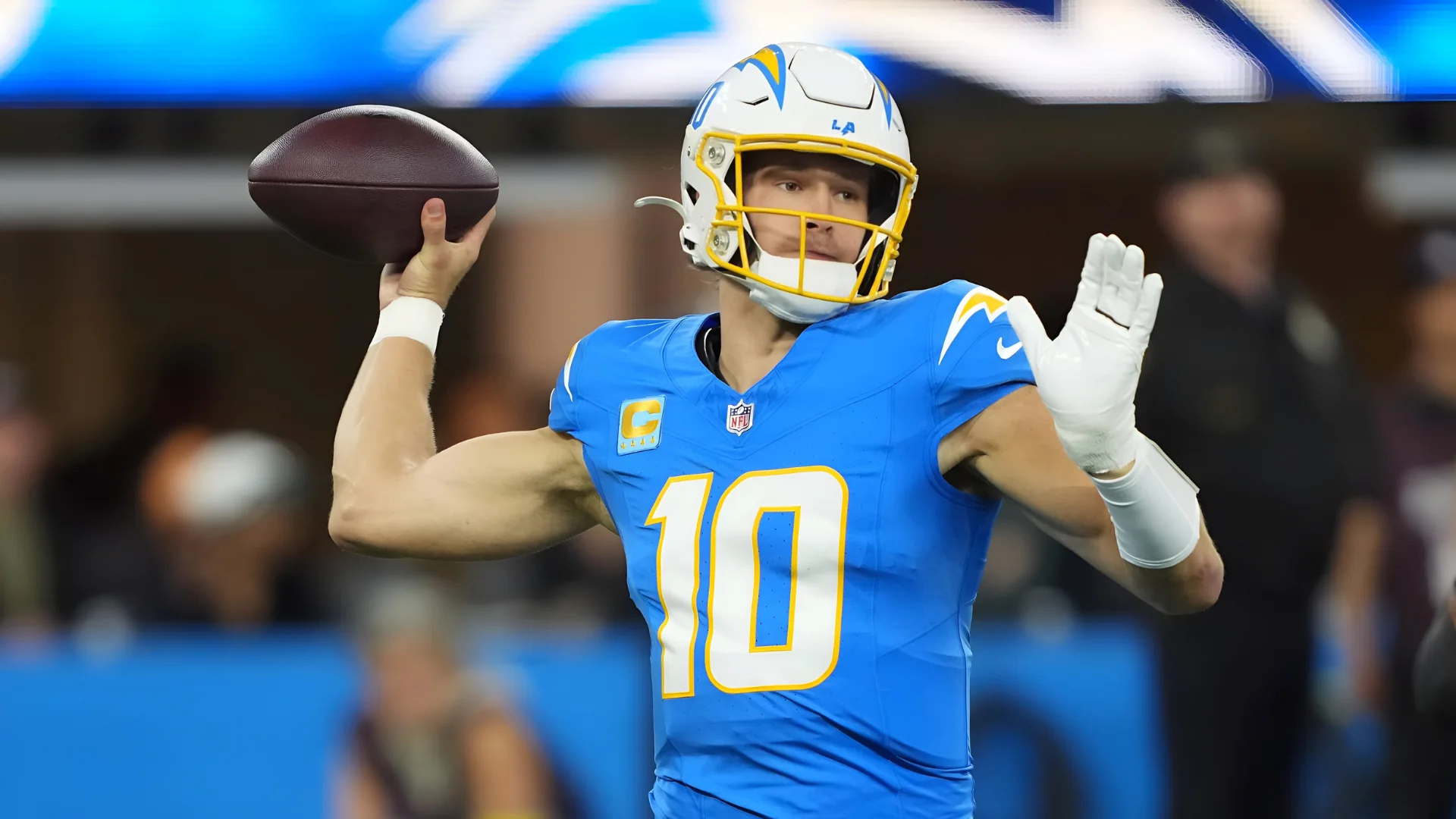
Justin Herbert's Footwork Overhaul Under Mike McDaniel
The Chargers' new OC is rebuilding Herbert's footwork from scratch, syncing his steps to route timing to neutralize the pass rush that battered him in 2025.
Comments (0)
Please sign in to join the discussion.
No comments yet.
Be the first to share your perspective on this topic.