

Results from a 500-patient trial of daraxonrasib, presented at the ASCO Annual Meeting in June 2026, showed median survival of 13.2 months in patients with previously treated metastatic pancreatic cancer — roughly double the historical benchmark for standard chemotherapy. The data drew a standing ovation in Chicago. It also comes with important caveats that any patient or family should understand before drawing conclusions.
Why KRAS Has Been So Hard to Drug Until Now
Pancreatic cancer is unusually lethal because it is usually caught late and because its dominant driver mutation has resisted treatment for decades. KRAS mutations — which act as a stuck "on" signal for cell growth — are present in more than 90% of pancreatic cancers, according to reporting on the trial by UCHealth. For most of that time, KRAS was considered effectively undruggable: the protein's surface offered few places for a small molecule to bind and hold.
Daraxonrasib takes a different approach. Rather than blocking the mutation site directly, it works as a pan-RAS inhibitor, binding the RAS protein to a chaperone protein that prevents it from signaling. That mechanism is meaningfully different from earlier targeted therapies that addressed only specific KRAS variants, and it is why oncologists describe the drug as the first of an entirely new class. Dr. Wells Messersmith of UCHealth said it adds substantial benefit with fairly manageable side effects — a combination that has been elusive in this disease.
The side effect profile also differs markedly from cytotoxic chemotherapy. Patients taking daraxonrasib do not experience hair loss or drops in blood counts. The reported side effects — rashes (occasionally severe), diarrhea, nausea, and inflammation of mucous membranes and fingernails — were largely manageable with supportive care in trial participants, according to multiple accounts of the ASCO presentation.
The chart below compares the median survival reported in the RASolute 302 trial against the historical chemotherapy benchmark for this patient population.
What the RASolute 302 Trial Found — and Where the Evidence Gets Complicated
The RASolute 302 trial enrolled 500 patients with advanced pancreatic cancer who had already received prior treatment. At a 300mg daily dose, about 30% of patients showed a measurable positive response — meaning tumors shrank. More broadly, approximately 90% of patients experienced what the trial classified as disease control, which encompasses both tumor shrinkage and tumor stabilization. Dr. Brian Wolpin of Dana-Farber Cancer Institute, the lead investigator, described that disease control figure as "extremely exciting." Dr. Rachna Shroff of the University of Arizona Cancer Center called the survival results "landscape-changing," citing what she described as unprecedented survival times for this population.
Those numbers deserve careful reading alongside their limitations. The trial was a Phase 1/2 study — designed primarily to establish safety and dosing, with efficacy measured as a secondary endpoint. Crucially, it did not include a randomized control arm running concurrently: the 6.6 to 6.7-month chemotherapy comparator is drawn from historical data on similar patients, not from a parallel group in the same study. That makes the survival comparison strongly indicative but not formally head-to-head. Whether daraxonrasib performs as well or better as a first-line treatment — before any prior chemotherapy — is also not yet known. The trial population was specifically patients who had already been treated.
These are not reasons to dismiss the findings. Pancreatic cancer has so few effective options, and the historical chemotherapy benchmarks are so well established, that the magnitude of the survival difference carries weight even without a concurrent control. But they are reasons why the medical community will be watching the next phase of data closely. The following cards summarize the three key quantitative results from the trial.
From Trial to Patients: The Regulatory Path and Who Can Access It Now
Before the full trial results were presented in Chicago, the FDA had already moved to widen access to the drug. In February 2026, the agency granted daraxonrasib Breakthrough Therapy designation, which accelerates development and review for treatments showing preliminary evidence of substantial improvement over available therapies. It also received Orphan Drug designation, which applies to treatments for diseases affecting small patient populations and comes with extended market exclusivity and other incentives.
More consequentially for patients alive today, the FDA greenlit the drug for Expanded Access on May 1, 2026. That program allows patients with life-threatening conditions to use investigational drugs outside of clinical trials when no comparable alternatives exist. For pancreatic cancer patients who have already received prior treatment — the same population studied in RASolute 302 — this means access is available now, before full approval. Full approval is widely anticipated later in 2026, according to multiple accounts of the ASCO presentation.
One high-profile case underscored both the drug's potential and the limits of drawing general conclusions from individual outcomes. Former U.S. Senator Ben Sasse was diagnosed with stage 4 pancreatic cancer in December 2025 and told he had roughly three to four months to live. After taking daraxonrasib, his tumor volume shrank by 76%, and he publicly described it as a transformative response. That result is remarkable, but individual cases — however striking — do not substitute for population-level trial data. Sasse's response may reflect the 30% of patients who showed strong objective responses; it says nothing about the 70% who did not. The timeline below shows the key regulatory milestones in the drug's path toward approval.
What daraxonrasib represents, at minimum, is the first drug of a new mechanistic class to show this scale of effect in a cancer that has resisted nearly every prior attempt to extend survival meaningfully. Whether it holds up in a randomized Phase 3 trial, whether it works earlier in disease progression, and how it performs in combination with other agents are all open questions. For a disease where six months had been the ceiling, 13.2 months — with a pill taken daily and without the hardest side effects of chemotherapy — is a result the field will be studying closely for years.

Alpha-Gal Syndrome: What a Tick Bite Does to Your Diet
Alpha-gal syndrome is a delayed food allergy caused by tick bites that sensitizes the immune system to a sugar molecule found in mammalian meat. Cases are surging in the Midwest and Northeast, with new state-level reporting mandates and federal labeling legislation underway.

ACOG Breaks from CDC on Maternal Vaccines in 2026
American College of Obstetricians and Gynecologists releases its own maternal vaccine schedule backing influenza, COVID-19, Tdap, and RSV shots, defying CDC rollbacks and countering RFK Jr.-era misinformation.
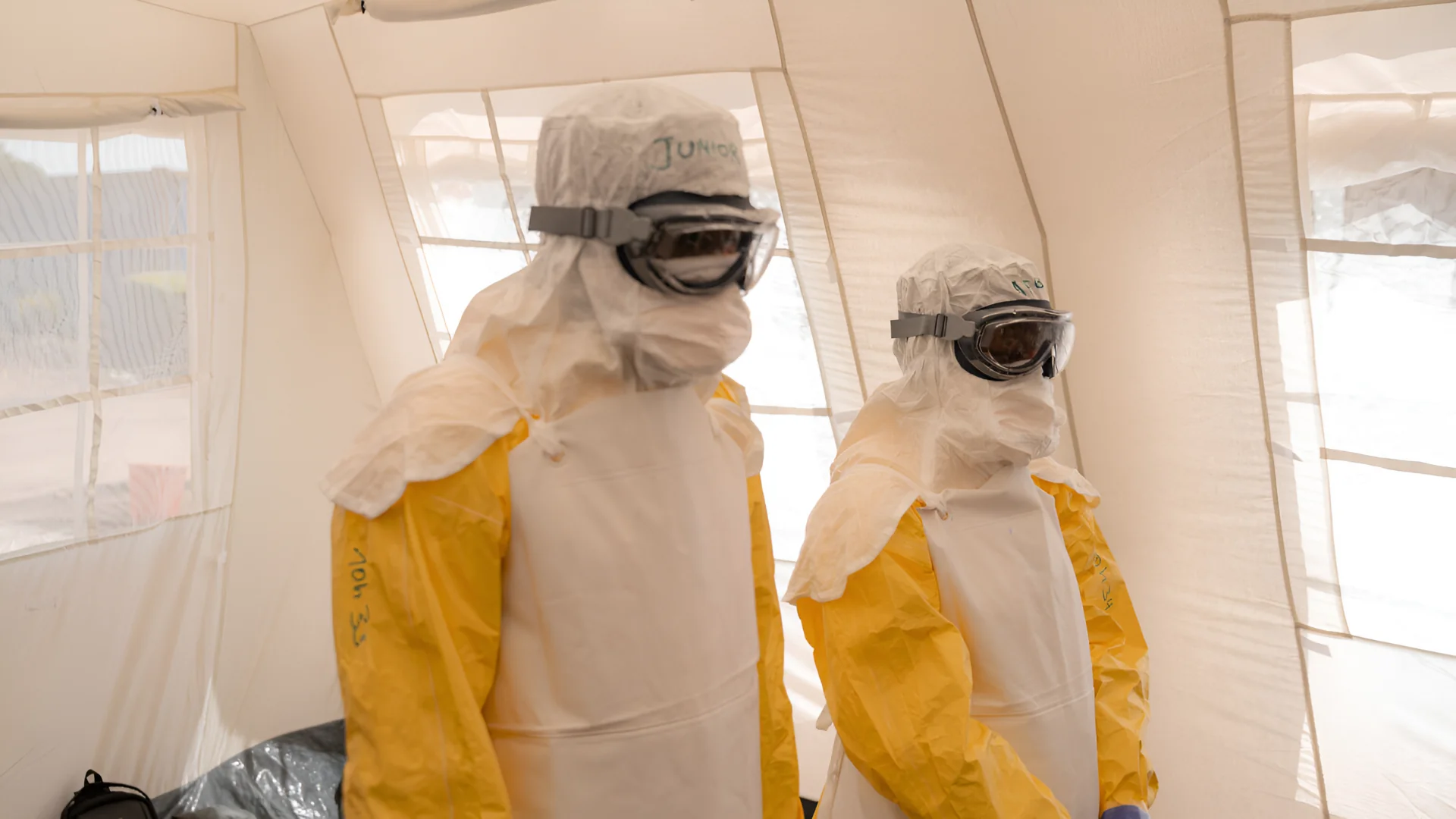
Ebola Bundibugyo Outbreak DRC: 676 Cases, No Vaccine
As of mid-June 2026, a rare Bundibugyo Ebola outbreak in DRC's Ituri Province has killed 138 people, spread to Uganda, and reached packed displacement camps with no licensed medical countermeasures available.
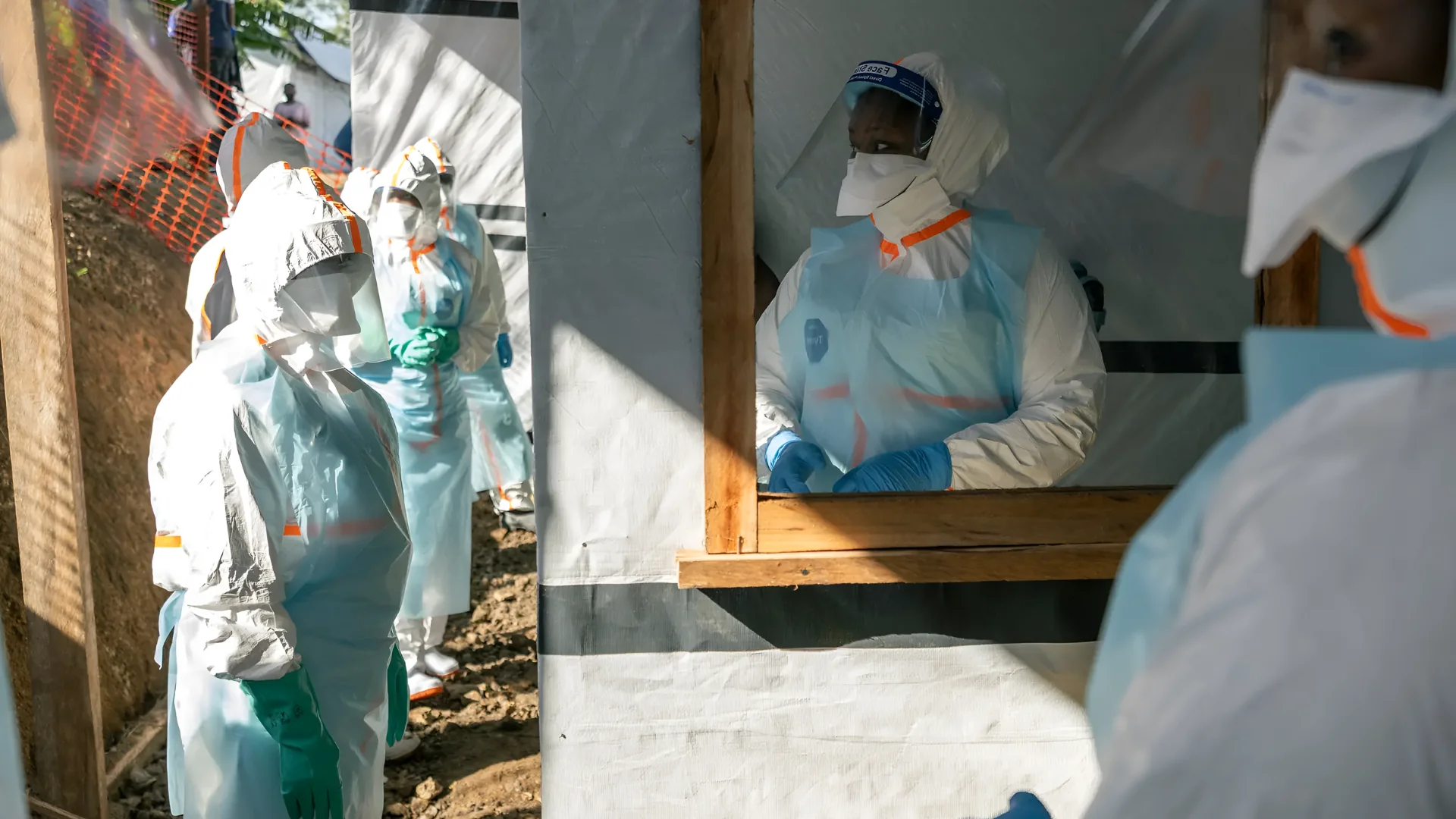
CDC Ebola Model Warns of 20,000 Cases in Congo
New CDC modeling shows the DRC Bundibugyo Ebola outbreak on a dangerous trajectory. With no approved vaccine and active conflict blocking contact-tracing, experts warn the current isolation rate is critically insufficient.
Comments (0)
Please sign in to join the discussion.
No comments yet.
Be the first to share your perspective on this topic.