
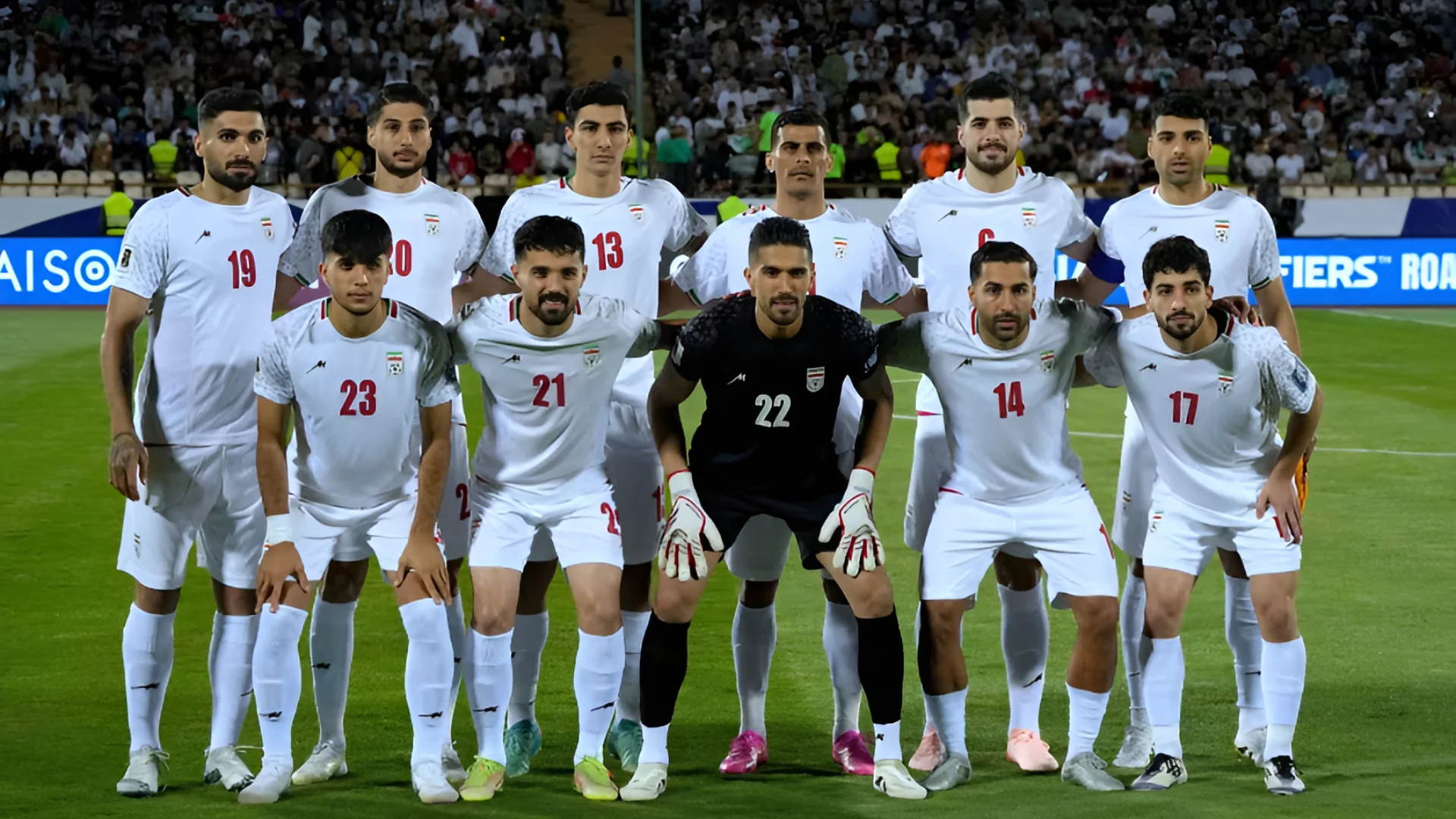
Iran's national soccer team will train and sleep in Tijuana, Mexico, during the 2026 FIFA World Cup — crossing the border to play all three of its group-stage matches in the United States — after FIFA relocated the squad's base camp from its originally planned site in Tucson, Arizona.
Why Tucson Was Replaced and How Tijuana Was Confirmed
Mexican President Claudia Sheinbaum confirmed the arrangement on Monday, May 25, 2026, saying Mexico has "no issue" hosting the Iranian squad. Her statement came after FIFA informed Mexican officials that the United States was reluctant to allow Iranian players and staff to stay overnight on American soil.
The precise mechanism behind that reluctance — whether a formal visa restriction, executive-level guidance, or State Department policy — was not specified in any of the sources covering the announcement. A U.S. State Department statement noted that President Donald Trump made clear the Iranian team is welcome to participate in the tournament, but it did not address the overnight accommodation question or respond directly to Sheinbaum's comments.
Iran's football federation, the FFIRI, requested the base camp change to avoid visa complications and to accommodate direct travel via Iran Air into Mexico. FIFA officially approved the move on Monday, the same day it finalized all 48 team base camps for the tournament.
The decision sits against the backdrop of a broader conflict involving the United States, Israel, and Iran that escalated in late February 2026. The raw content notes reference that conflict as context for the diplomatic friction, though no source draws a direct causal line between the military situation and the overnight restriction specifically.
The timeline below traces the sequence from the original Tucson assignment through Monday's Tijuana confirmation.
Iran Will Still Play Every Match in the United States
Despite the base camp relocation, Iran's schedule inside the tournament remains unchanged. All three of its group-stage matches are set for U.S. venues. The squad faces New Zealand on June 15 at SoFi Stadium in Inglewood, California; Belgium on June 21, also in Inglewood; and Egypt on June 26 at Lumen Field in Seattle, Washington.
That means the team will cross the Tijuana–San Diego border corridor repeatedly during the group stage — sleeping and recovering in Mexico while competing on U.S. soil. The logistical demands of that arrangement, including daily international border transit for a squad of players, coaching staff, and support personnel during an active geopolitical dispute, have no direct precedent in modern World Cup history.
No source confirmed what specific travel documentation or border-crossing procedures FIFA or the U.S. government arranged for the squad. Whether players will require individual U.S. entry authorizations for each match day, or whether a blanket tournament credential covers transit, was not addressed in the available reports.
The three match venues and dates are shown below.
What the Cross-Border Setup Reveals About the 2026 Tournament's Structural Risks
The Tijuana arrangement is the most visible sign so far that the tri-nation format — with host duties shared by the United States, Mexico, and Canada — creates logistical dependencies that have no equivalent in single-host tournaments. When a national team's country is in active geopolitical conflict with the primary host nation, the fallback is a border-adjacent city in a co-host country. That option exists only because Tijuana happens to sit 30 kilometers from San Diego, which is itself near the Inglewood venue cluster where Iran plays twice.
The arrangement worked here by geographic coincidence as much as by design. A team in comparable political circumstances assigned to matches in Dallas, New York, or Miami would face a version of the same overnight restriction with no comparable cross-border solution available.
It is also worth noting what did not happen: Iran was not excluded from the tournament, its matches were not relocated, and Mexico's participation as co-host created a practical channel for a resolution that would not otherwise exist. Sheinbaum's public statement — framing the decision as straightforward — reflects the diplomatic function Mexico is playing in a tournament where its neighbor is both the primary host and a party to an active international dispute involving one of the competing nations.
Whether FIFA updated its base camp planning framework for future tri-nation or multi-host tournaments to account for this class of scenario was not addressed in any of the available reports.
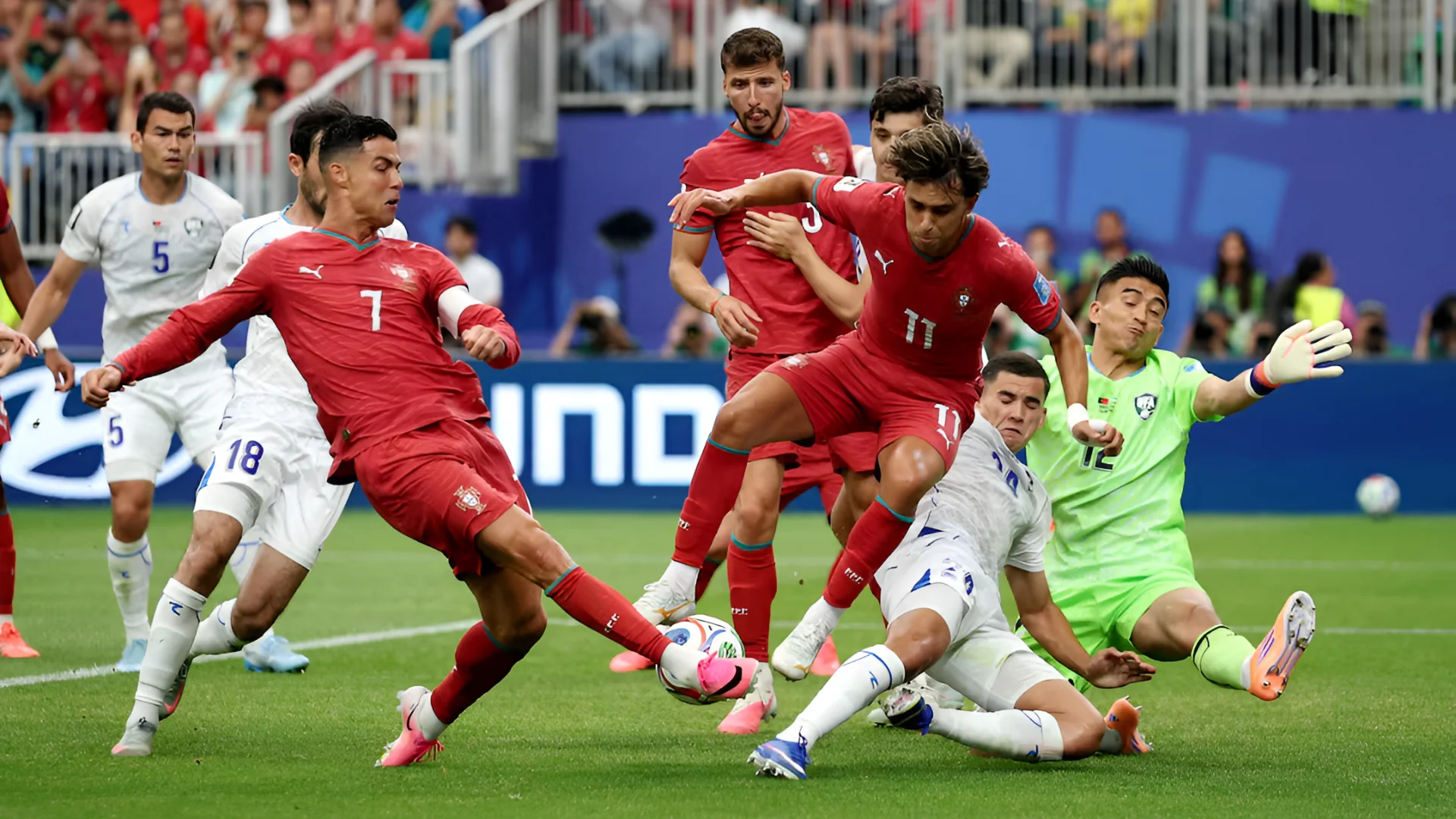
Ronaldo Scores in 6th World Cup in Portugal's 5-0 Win
Ronaldo's brace against Uzbekistan made him the first player to score in six different Men's World Cups and Portugal's all-time leading scorer at the global finals with 10 goals.
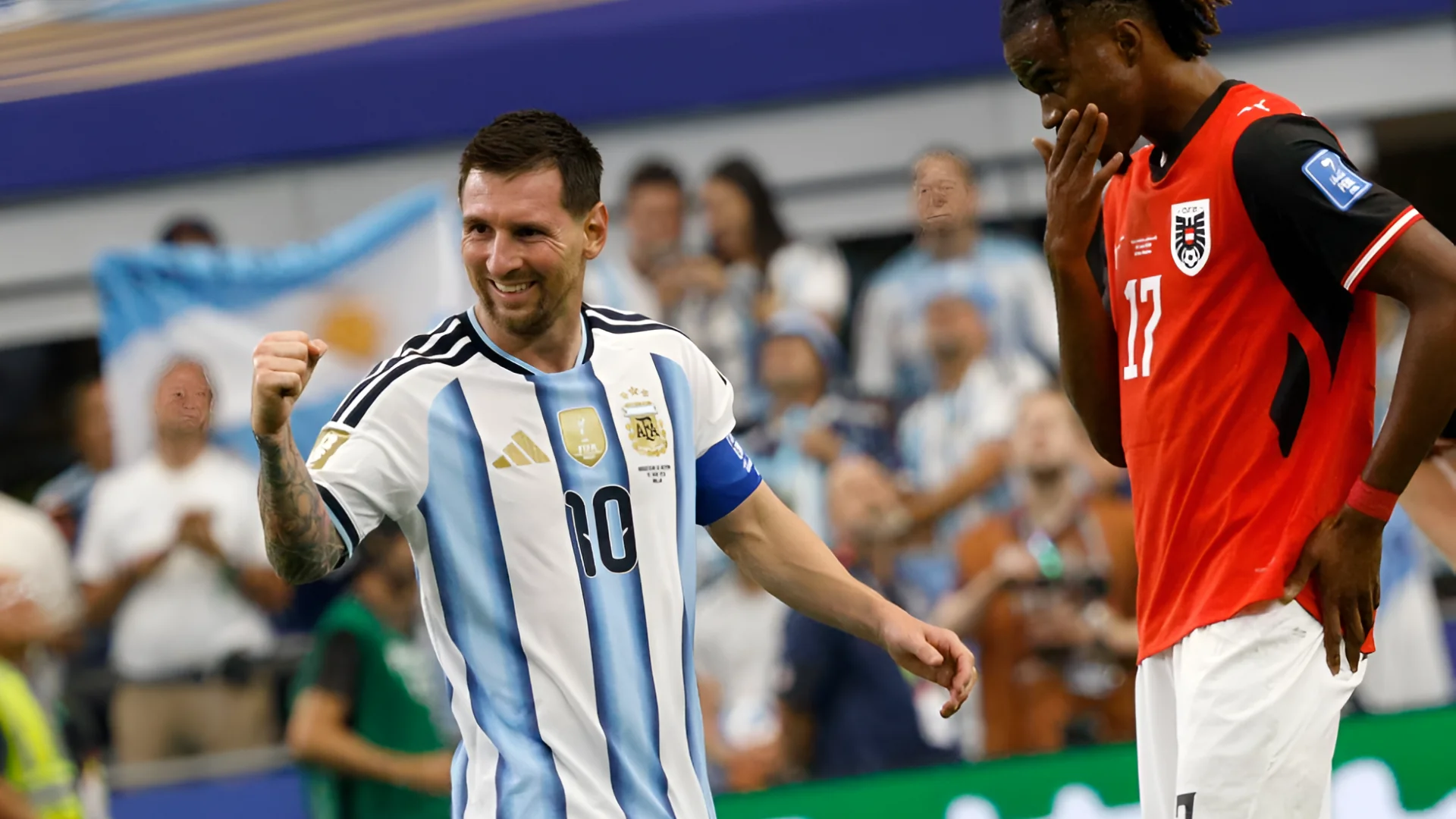
Messi, Mbappé, Haaland Dominate 2026 World Cup
Lionel Messi leads the Golden Boot race, Kylian Mbappé's France are the clear favorites, and Erling Haaland is scoring freely as the 2026 World Cup group stage produces a spectacular opening.

Canada's Historic Win Marred by Koné Injury and Brawl
Canada defeated Qatar 6-0 on June 18 for their first FIFA World Cup win. Jonathan David scored a hat-trick, but the night was marked by Ismaël Koné's broken leg and a post-match altercation between coaching staffs.

Justin Herbert's Footwork Overhaul Under Mike McDaniel
The Chargers' new OC is rebuilding Herbert's footwork from scratch, syncing his steps to route timing to neutralize the pass rush that battered him in 2025.
Comments (0)
Please sign in to join the discussion.
No comments yet.
Be the first to share your perspective on this topic.