
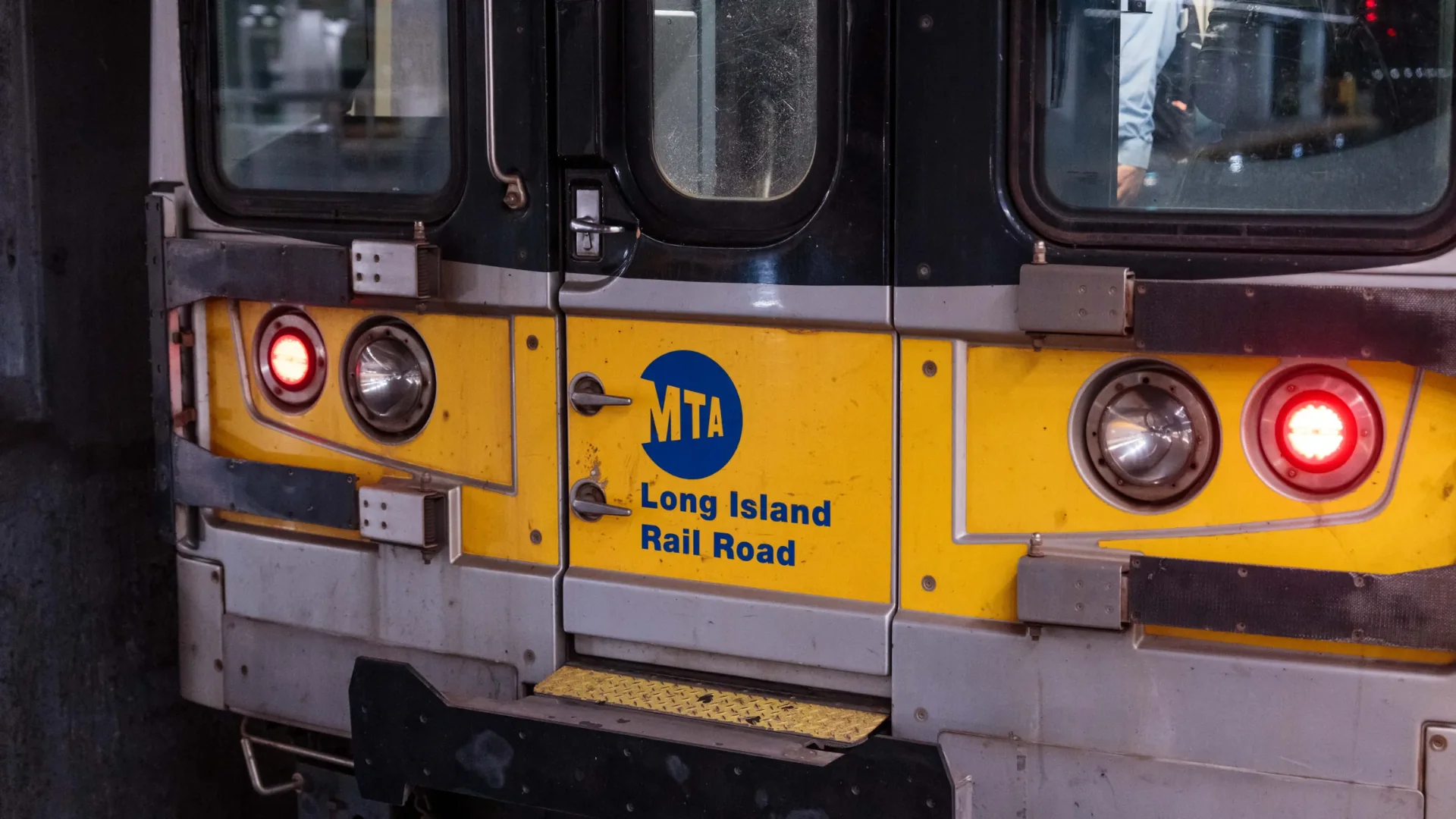
Federal mediators and union representatives returned to the bargaining table Monday morning after overnight talks on the Long Island Rail Road strike ended without a deal. The walkout, now in its third full day, has halted all service on North America's busiest commuter rail line and is costing the regional economy an estimated $61 million each day it continues.
A One-Point Wage Gap That Wasn't the Breaking Point
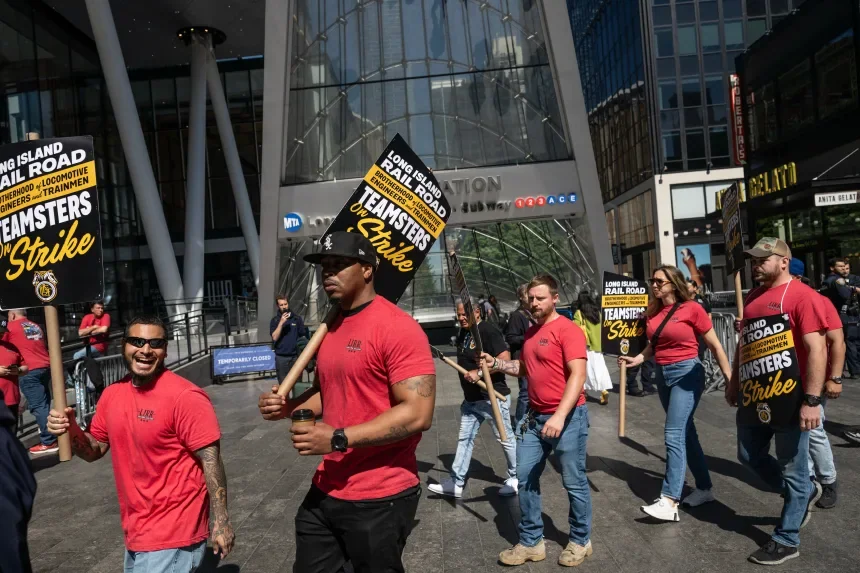
The LIRR strike began at 12:01 a.m. on Saturday, May 16, when approximately 3,500 workers represented by a coalition of five rail unions walked off the job. The MTA had already agreed to a 9.5 percent wage increase over the length of the four-year contract, and reporting on the final bargaining positions indicates the two sides were separated by a single percentage point on the final-year raise — a gap that, on its face, was narrow enough to suggest a deal was close.
What reportedly broke the talks at that stage was not the wage figure but a separate demand. Union sources say the MTA abruptly proposed raising health insurance premium contributions for new hires from 2 percent to 10 percent. Raymond Delio, representing the unions at the table, said flatly that health insurance should not have entered the negotiation at that point. The MTA has not confirmed the sequence in those terms, but the framing matters: if accurate, it means the headline dispute over wages had effectively been contained while a distinct benefit demand reopened the breach.
MTA Chairman and CEO Janno Lieber pushed back on the overall cost picture, noting that LIRR workers currently average $136,000 annually — among the highest compensation figures for railway workers in the United States — and that meeting the full union demands would force an 8 percent fare increase on riders. As of Monday morning, Lieber described himself as cautiously optimistic that talks could produce an agreement. Union officials separately characterized the tone of Monday's resumed negotiations, which began at 7:30 a.m. EDT, as cordial with visible progress.
What 300,000 Daily Commuters Are Facing on Day Three
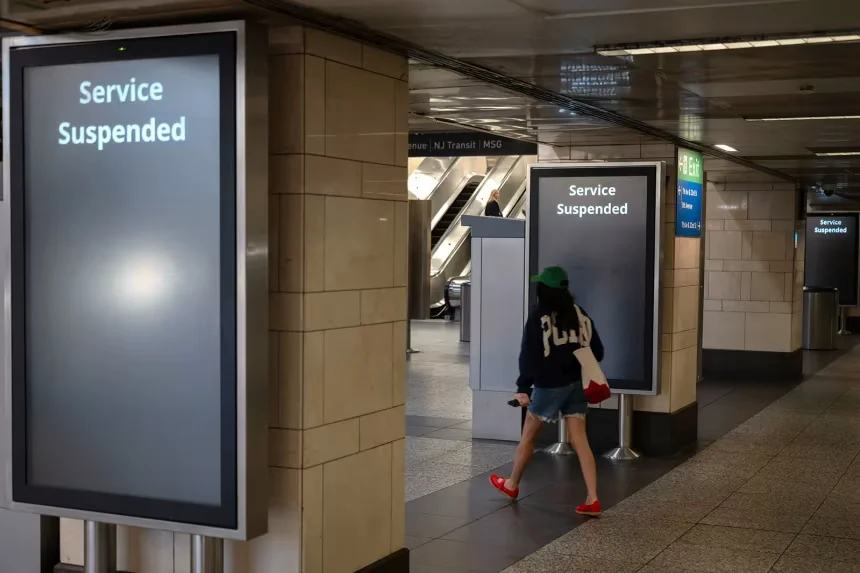
The scale of disruption on Monday — the first full workday of the strike — was significant across multiple transportation systems simultaneously. Commuters who depend on the LIRR to travel between Long Island and New York City faced what transit officials described as marathon-level delays. The Belt Parkway and Gowanus Expressway logged heavy gridlock from early morning, and the New York City subway system reported severe overcrowding on lines absorbing displaced LIRR riders.
The MTA deployed 275 free shuttle buses from six LIRR stations to Queens as an emergency alternative. According to coverage of the operational response, those shuttles can accommodate roughly 13,000 riders per day — a fraction of the 250,000 to 300,000 passengers who rely on LIRR service under normal conditions. Commuters without remote-work options had few practical alternatives.
The New York State Comptroller's office estimated the strike's economic toll at up to $61 million per day in lost regional activity. That figure reflects not just lost fares but the broader drag from reduced worker productivity, altered business operations, and diverted spending across the metro area. With Memorial Day weekend approaching, transit planners have noted that a prolonged standoff would extend disruptions into one of the heaviest leisure travel periods of the year.
How Federal Law Shaped the Path to a Strike — and What Comes Next
LIRR workers are covered by the Railway Labor Act of 1926, a federal framework that governs labor disputes in the rail and airline industries and requires an extended multi-step process before workers can legally walk out. The law's intent is to prevent work stoppages through mandatory mediation, cooling-off periods, and, where warranted, Presidential Emergency Board intervention.
In this case, the dispute resolution process ran through two Presidential Emergency Board interventions — once in late 2025 and again in January 2026 — each imposing a 60-day cooling-off period. Both expired before the two sides reached a voluntary agreement, leaving the unions legally free to strike when National Mediation Board mediation also concluded without resolution.
The political dimensions escalated alongside the labor dispute. Governor Kathy Hochul, who faces reelection later in 2026, attributed part of the breakdown to what she described as a premature release of the unions from federal mediation last fall, placing responsibility on the Trump administration's handling of the National Mediation Board. President Trump responded on Truth Social by denying involvement and stating he had not heard about the strike until the morning of his response. The exchange illustrates how a transit labor dispute governed by federal statute has become entangled with state and federal political positioning.
Even if negotiators reach an agreement Monday or in the days that follow, transit officials have been clear that service will not resume immediately. Rail operators require a minimum of 24 hours to inspect the full network of tracks, signals, and safety equipment before trains can run again. Commuters and employers should plan for at least one additional disrupted workday after any deal is announced.

Best Places to Visit in the US in June 2026
A practical regional guide to the best US destinations to visit in June 2026, covering national parks, coastal escapes, and city breaks with timing and booking advice.
10 U.S. Towns That Feel Like Europe
Discover ten U.S. towns that look and feel like Europe, from Solvang's Danish windmills and Leavenworth's Bavarian chalets to New Orleans' French Quarter and St. Augustine's Spanish colonial forts.

Comments (0)
Please sign in to join the discussion.
No comments yet.
Be the first to share your perspective on this topic.