
June occupies a narrow but useful window in the domestic travel calendar: warm enough for full summer activity, long enough to make good use of daylight, but not yet running at the peak-season prices and crowd volumes that arrive with July. The destinations below reward that timing — some because access physically opens up in June, others because festivals or natural phenomena peak, and a few simply because the shoulder-season gap makes them easier to enjoy.
National Parks That Open Fully in June
For the major western parks, June is less about mild weather and more about access. At Yosemite, Tioga Road — the high-altitude crossing to Tuolumne Meadows — typically reopens after winter snow clears, unlocking more than 800 miles of backcountry trails that are completely inaccessible earlier in the year. Waterfall flows on routes like the Mist Trail are at their strongest, fed by melting snowpack. Sequoia National Park follows a similar pattern.
Yellowstone in June sees a convergence of factors that are harder to find in July: wildflower blooms across the valleys, peak wildlife activity including newborn bison and elk calves, and average highs in the low-to-mid 60s°F that make long hiking days comfortable rather than taxing. Glacier National Park in Montana follows a similar logic — June arrives after the spring mud season but before the heavy summer influx, and white-water rafting runs at its highest velocity on snowmelt-swollen rivers.
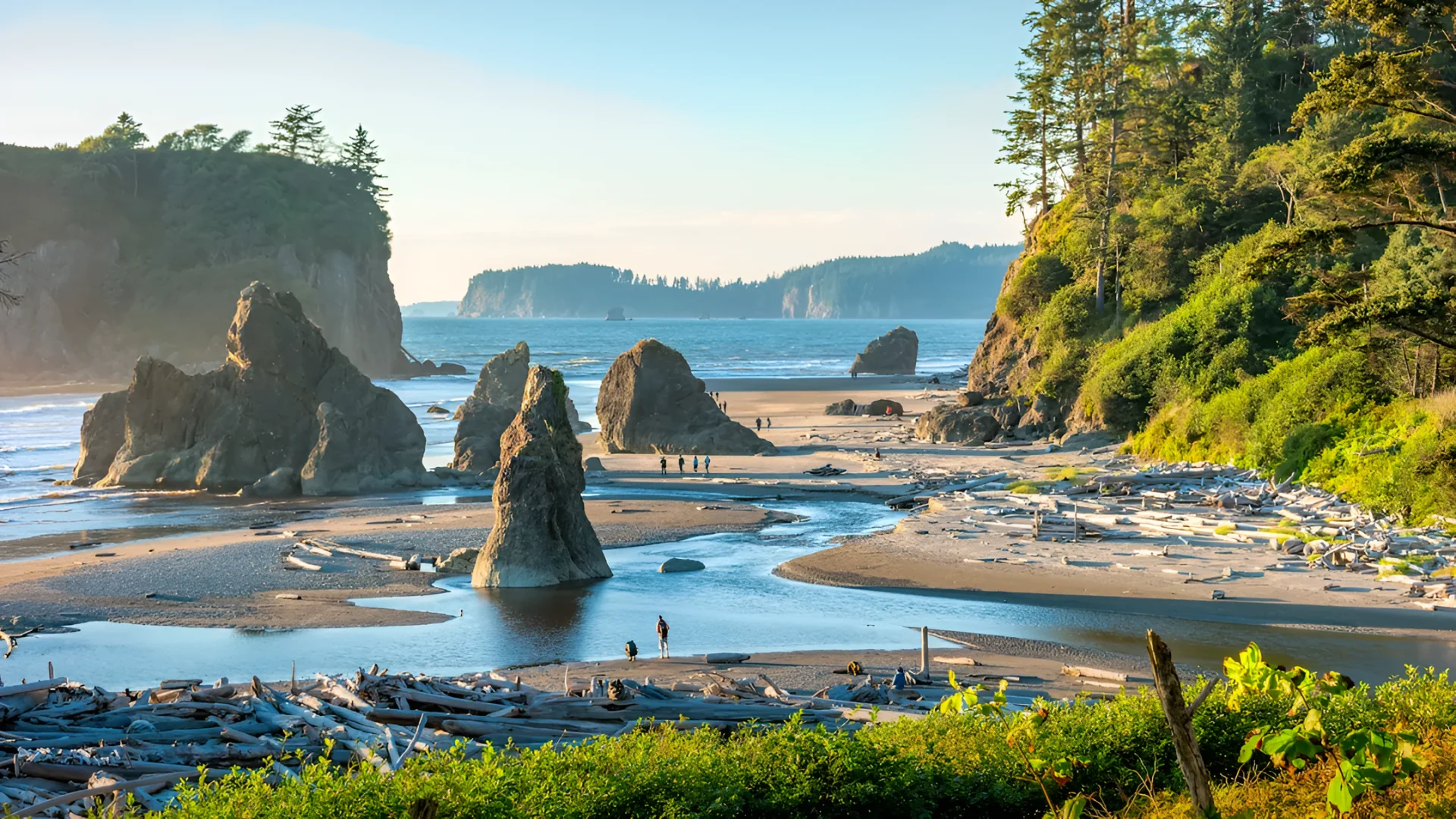
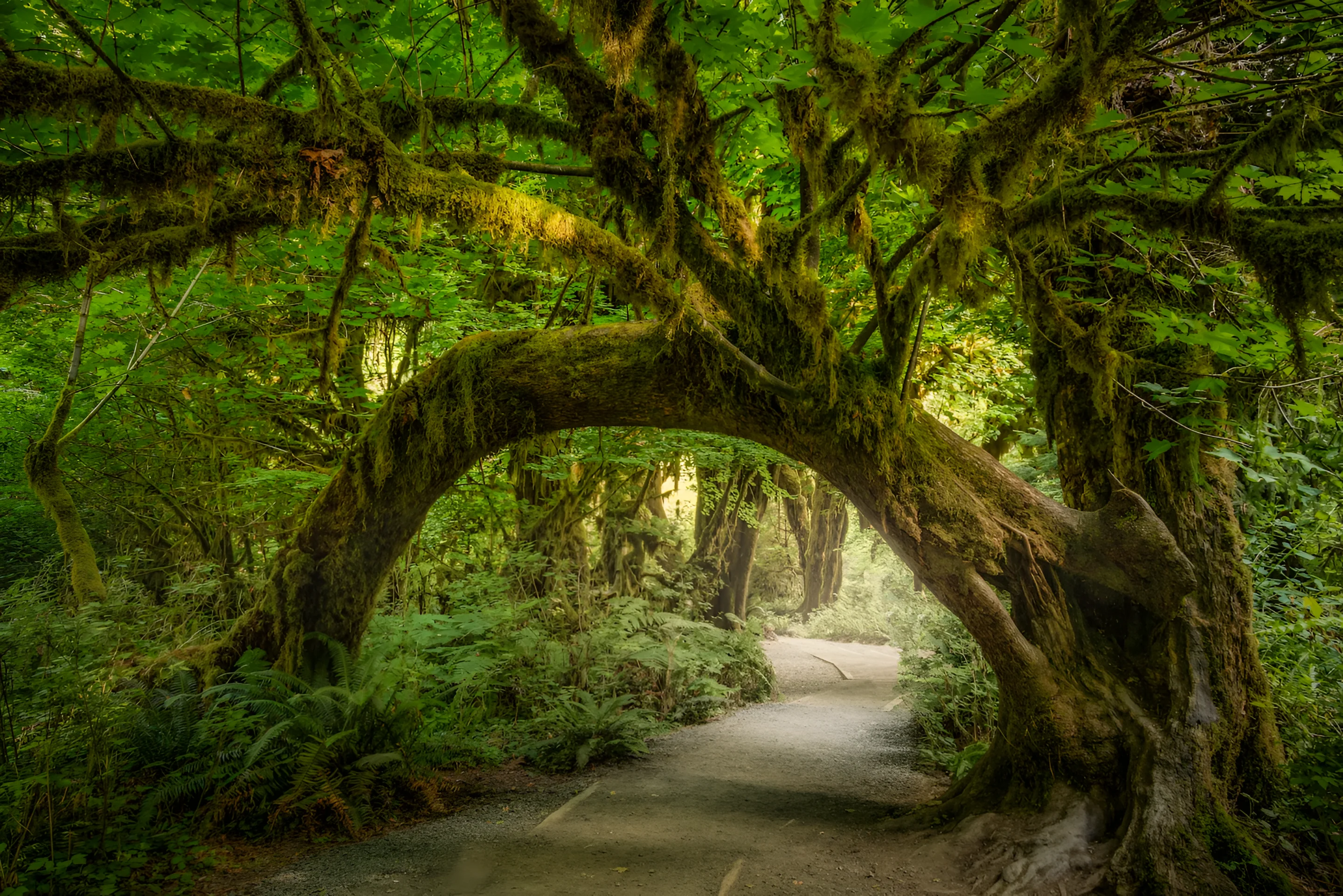
Olympic National Park in Washington offers something different: three distinct ecosystems — alpine ridges, wildflower meadows, and temperate rainforest running into a rugged coastline — that are all accessible in a single trip without competing for the same trailheads.
One caveat worth noting: the Adirondacks in New York are technically in the same early-summer category but come with their own June complication. Black Fly season runs through early June, and for 2026, parking reservations are mandatory at Adirondack Mountain Reserve trailheads, which requires planning that some visitors overlook.
Coastal and Lake Destinations With a June Advantage
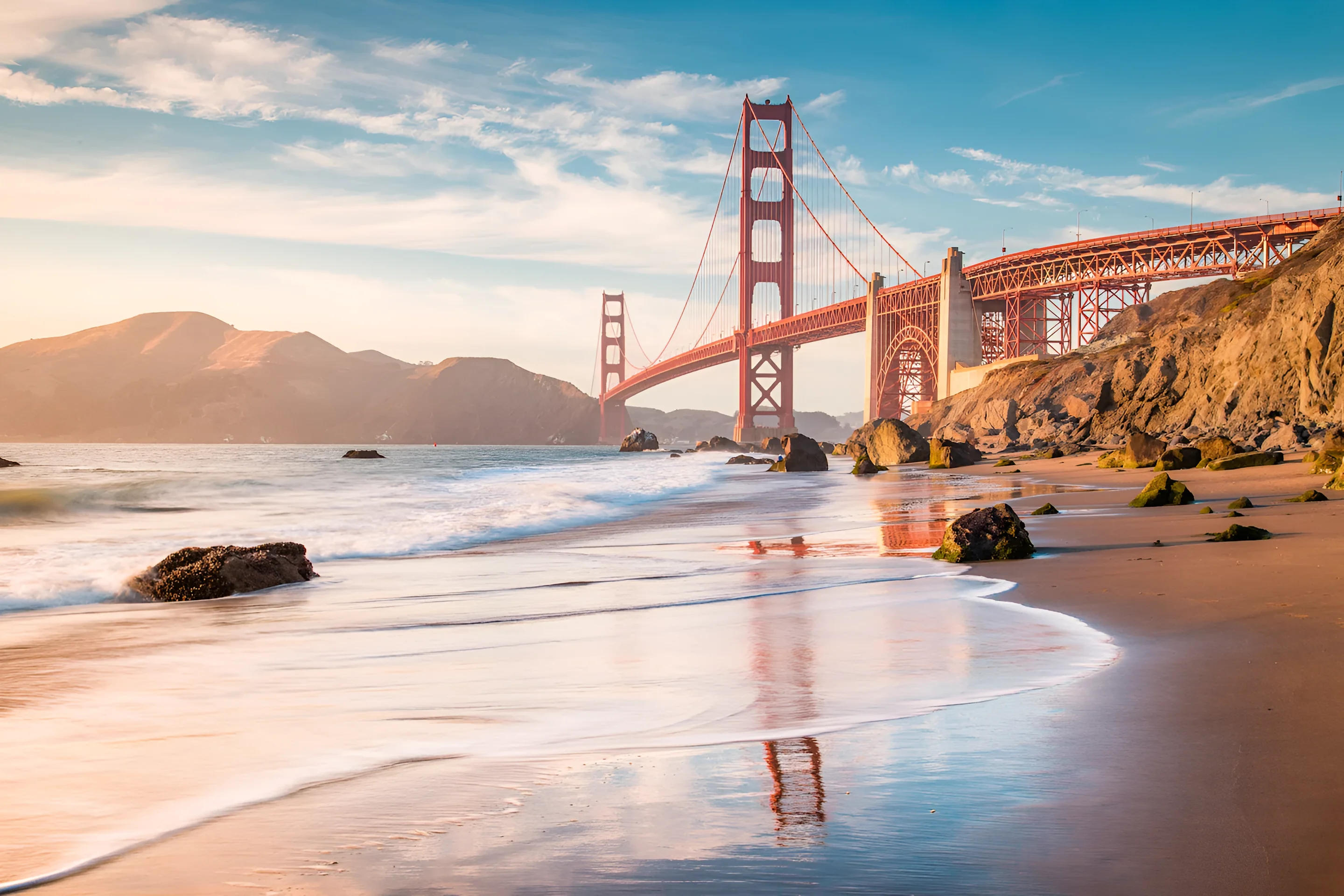
Bodega Bay on California's northern coast sits in a temperature band of roughly 55°F–70°F in June, moderated by coastal airflow. That keeps it comfortable on days when inland California is already hot. June also marks active humpback whale-watching season, and blooming purple lupines line the coastal trails. It reads as an easy Northern California day trip but works equally well as a two-night stop.
Santa Cruz, reachable via Highway 1, pairs a vintage beach boardwalk with Henry Cowell Redwoods State Park in the hills above town — a combination that avoids the interior heat that makes much of California less appealing by August. Lake Tahoe offers clear alpine water ideal for boating and hiking, with notably cooler evenings than the surrounding lowlands; travel sources suggest booking early-season boat rentals at least two months ahead to access lower off-peak pricing.
In the Upper Midwest, Traverse City and the M-22 highway corridor in Michigan, and Door County in Wisconsin with its lavender fields and Eagle Tower views, both operate in a June window before peak summer crowds arrive. Similar logic applies to Nantucket, Martha's Vineyard, and Bar Harbor on the East Coast: June offers the full coastal experience without the pricing pressure that July holiday weekends bring. Mackinac Island in Michigan — a car-free destination reachable by ferry — is at its most manageable in June, when biking the trails and visiting Fort Mackinac can be done without navigating peak visitor volumes.
City Breaks Built Around June Events
Chicago is consistently named as one of the strongest June city destinations in the country, and the case is largely event-driven. The Chicago Blues Festival, Taste of Chicago, and open-air concerts in Millennium Park all cluster around June. Architectural boat tours on the Chicago River run on a full summer schedule, and average temperatures around 76°F make outdoor time in the lakefront parks comfortable for most of the day.
Portland's June calendar is anchored by the Rose Festival and Grand Floral Parade, which runs in early June and draws a concentrated window of city visitors. The surrounding parks also benefit from high-altitude snowmelt at this point in the season, keeping waterfall flows strong into early summer.
Anchorage, Alaska presents the most extreme June case: the city approaches 19 to 24 hours of daylight around the June 21 solstice, which fundamentally changes how much outdoor activity is possible in a single day. The Summer Solstice Festival runs alongside wilderness tour options that aren't practical at other times of year. It's a longer trip investment than a coastal weekend, but June is structurally the right month for it.
San Diego rounds out the city options as a lower-stakes June pick: marine layer keeps temperatures reliably under 80°F during mornings, and the city operates at full capacity without the extreme heat that pushes inland Southern California destinations into the shoulder tier by midsummer.
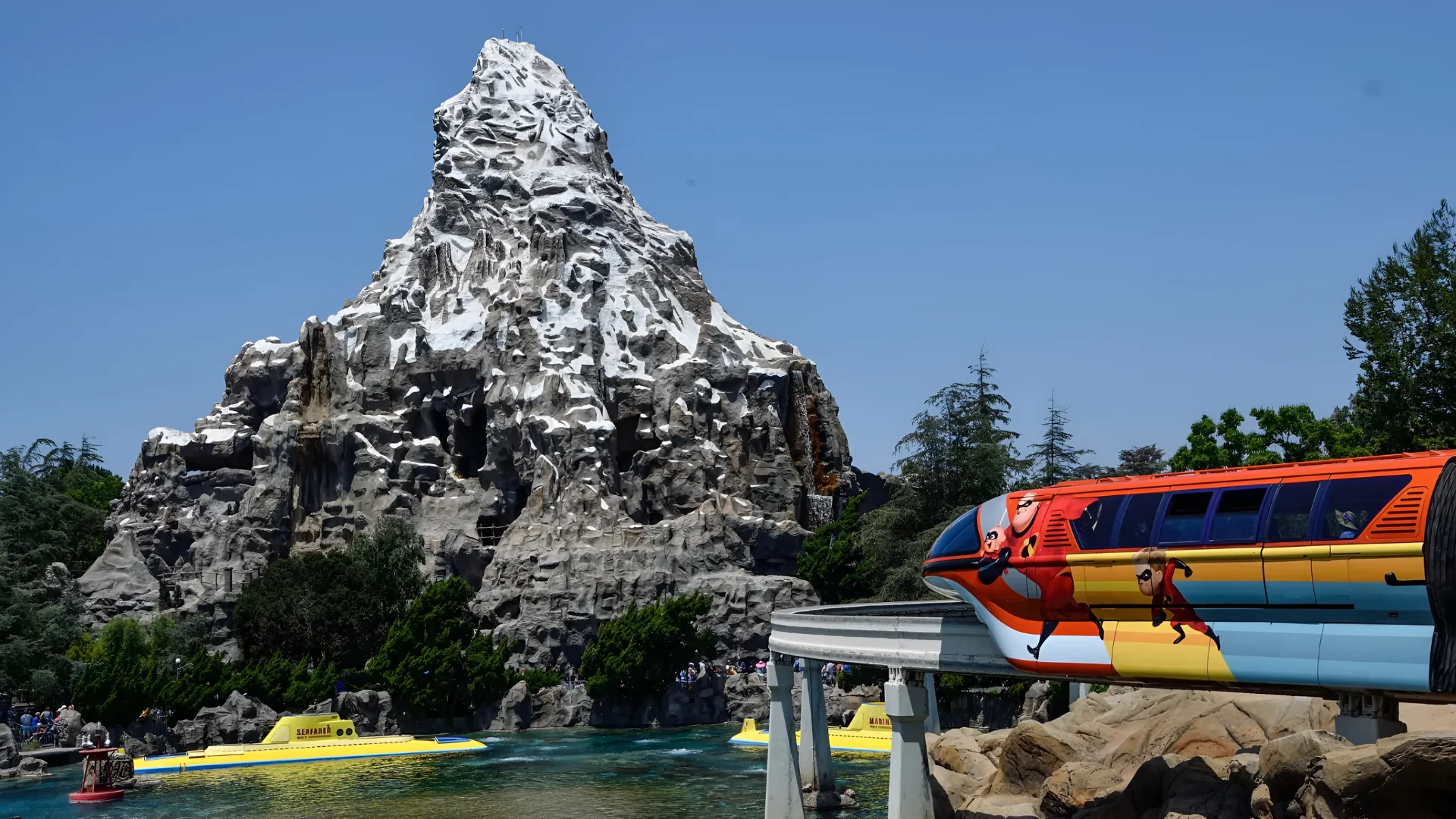
Disneyland Shuts Six Attractions as Its 70th Anniversary Winds Down
A guide to which Disneyland attractions close, reopen, or run reduced hours in August 2026 as the resort's 70th anniversary celebration wraps up.
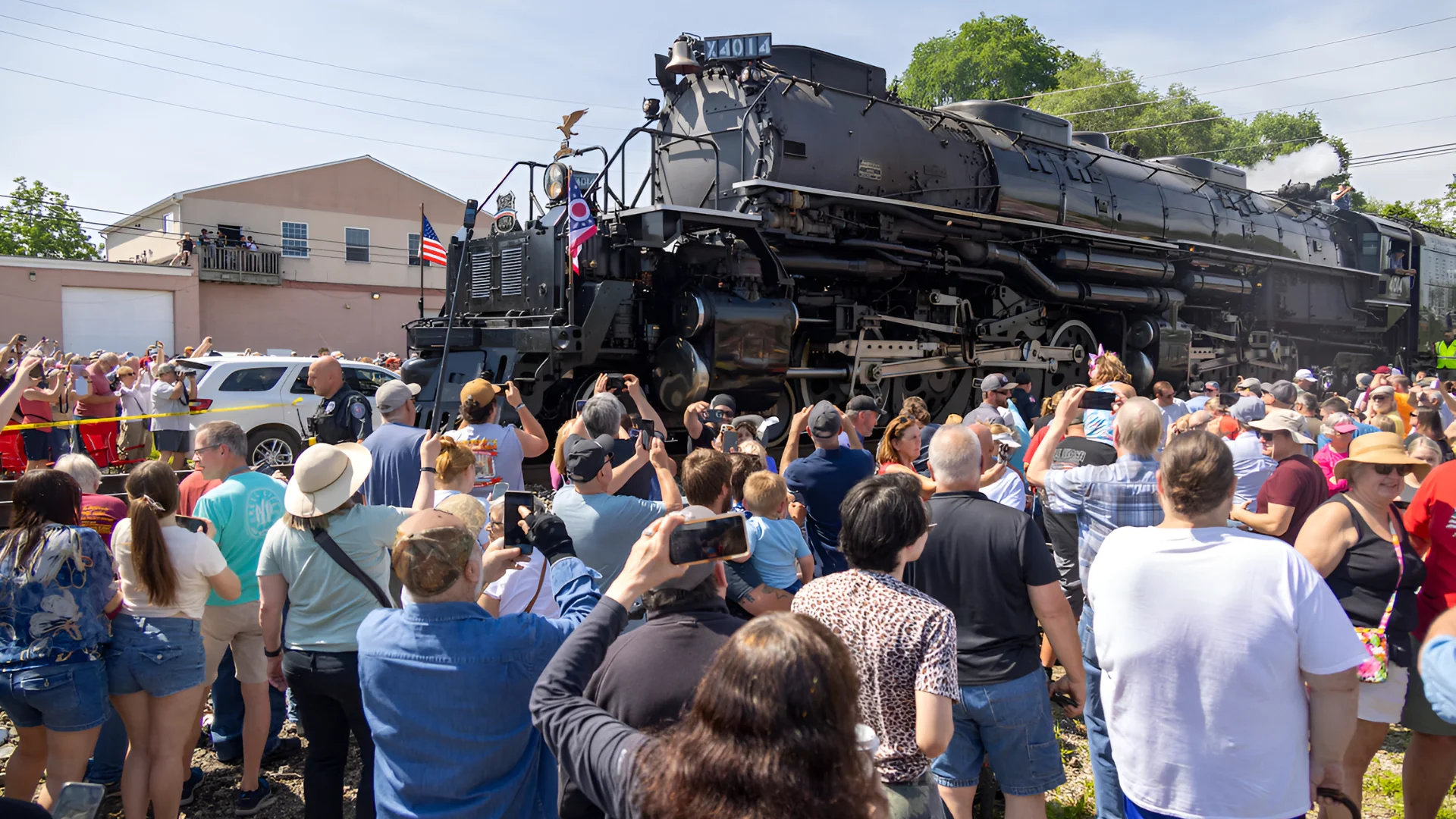
Big Boy No. 4014 Becomes First Locomotive of Its Size to Cross Horseshoe Curve
Union Pacific's Big Boy No. 4014 crossed Horseshoe Curve and rolled through Western Pennsylvania towns Saturday on its first-ever East Coast tour marking America's 250th anniversary.
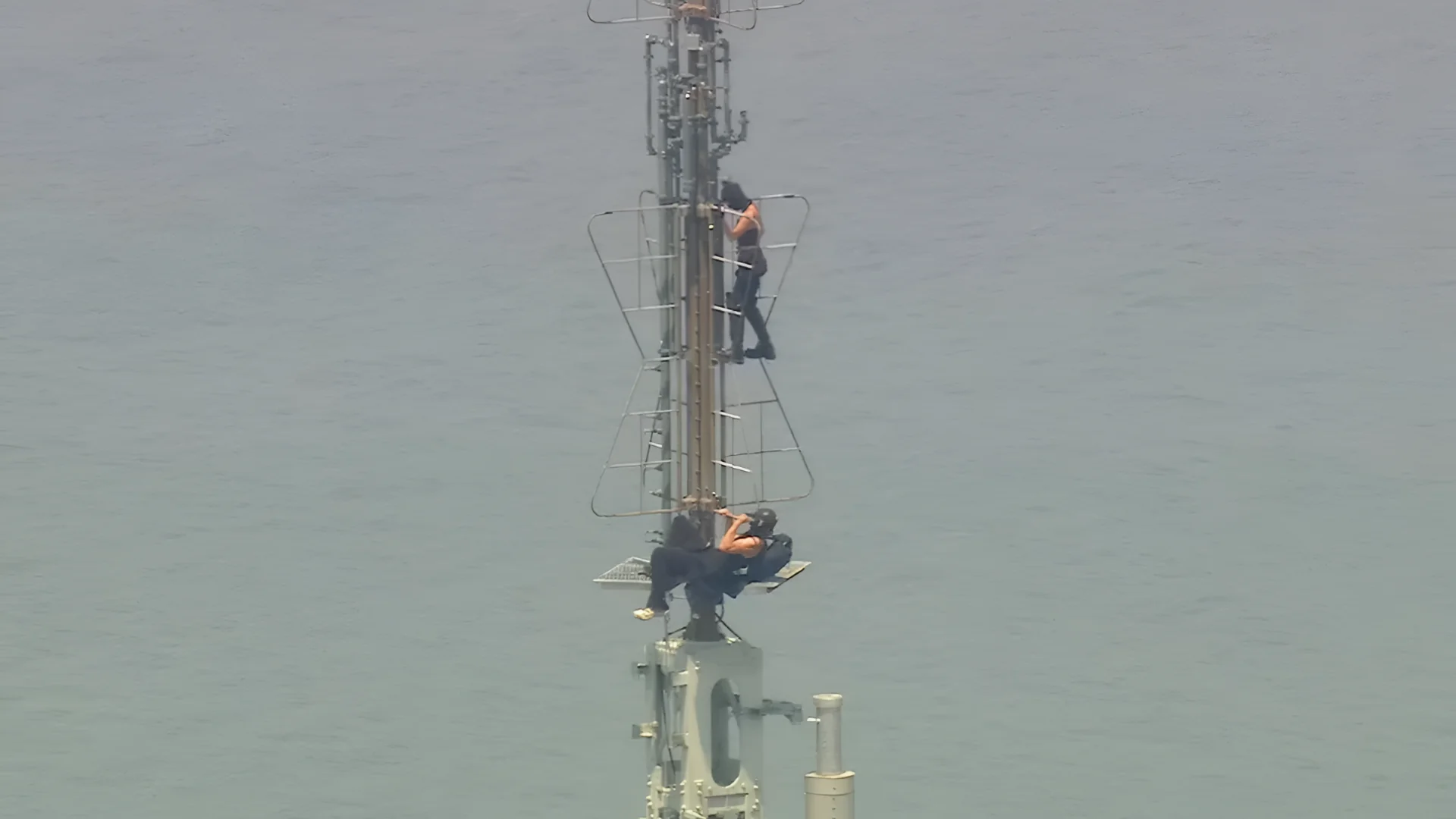
Empire State Building Climbers Face Court Thursday
A daredevil couple known for skyscraper stunts scaled the Empire State Building's spire, unfurled a peace banner, got engaged, and were arrested on multiple charges.
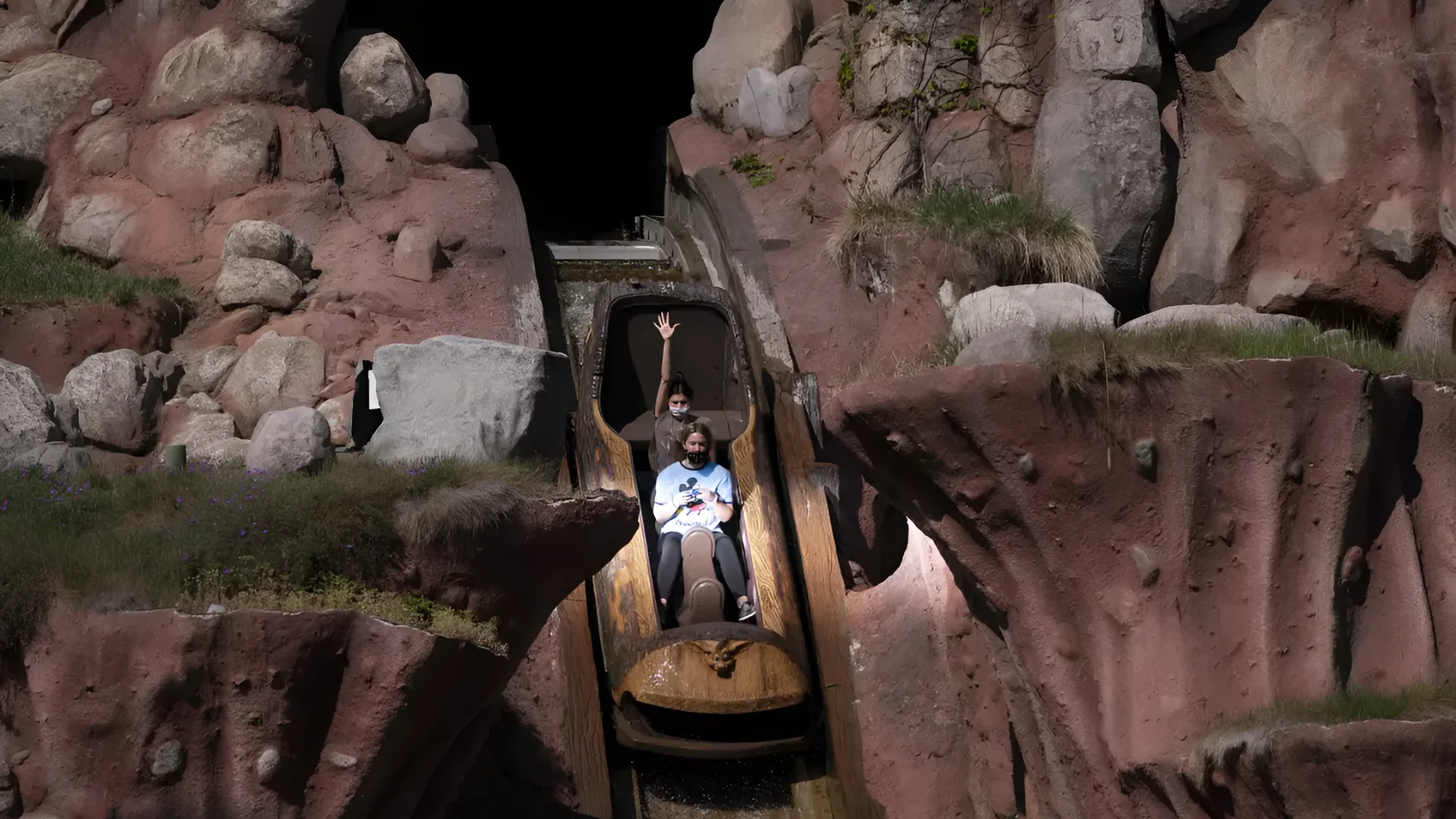
Teen Falls Down Disneyland Ride Drop, Escapes Serious Injury
A teenager climbed out of a moving log on Tiana's Bayou Adventure at Disneyland, fell down the 50-foot waterfall drop, and was released from hospital with minor injuries. Cal/OSHA cleared the attraction after inspection.
Comments (0)
Please sign in to join the discussion.
No comments yet.
Be the first to share your perspective on this topic.