
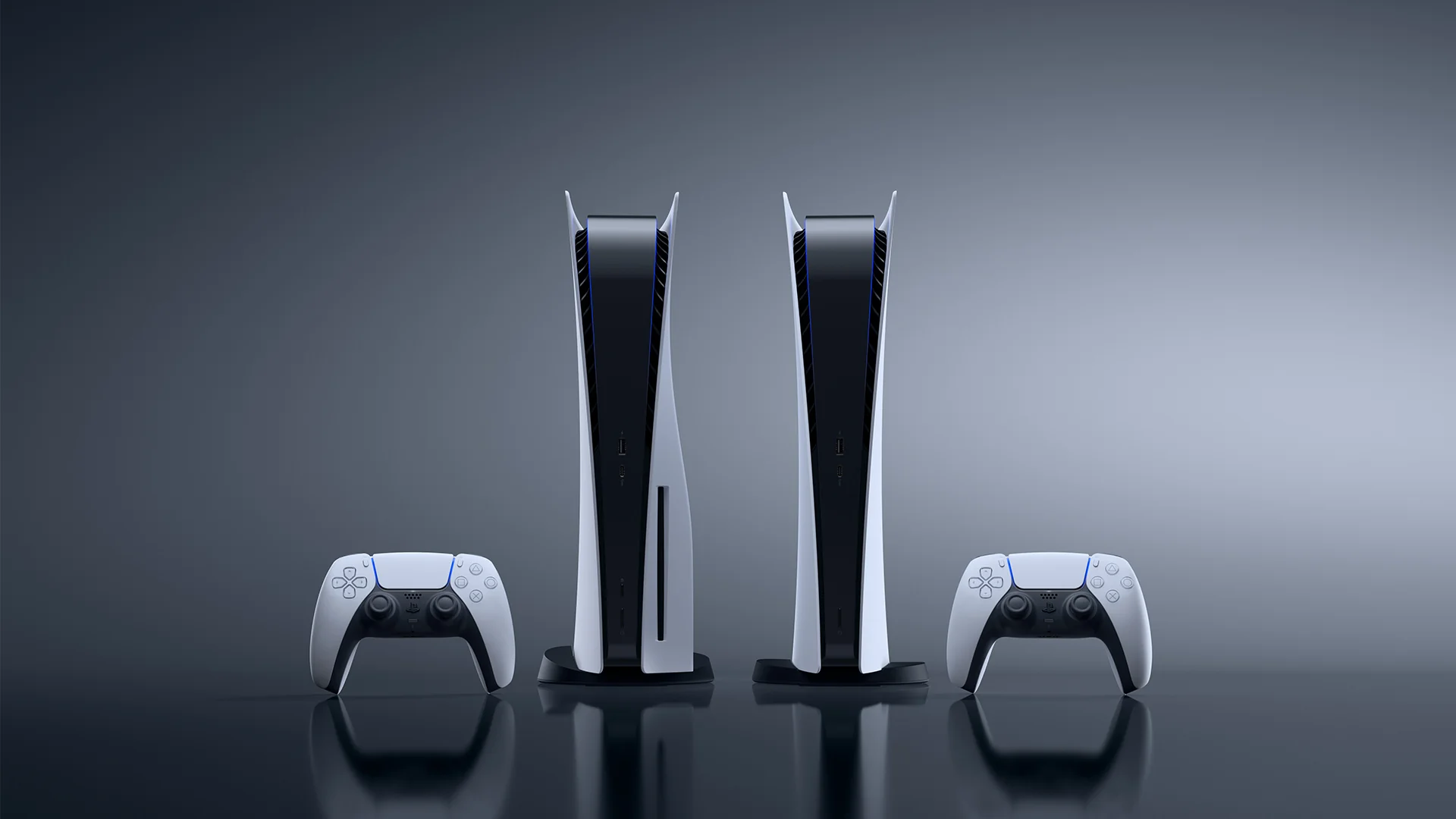
The component crisis driving up the cost of AI data centers is now reaching into living rooms. A sustained global shortage of DRAM and NAND flash — fueled almost entirely by demand from AI infrastructure — is compressing hardware timelines for both Sony and Microsoft, and threatening to make the next console generation the most expensive in history.
A DRAM Shortage With No Near-Term Exit
The supply constraint at the center of the delay picture is not cyclical. It is structural, and it is being driven by a sector with purchasing power that consumer electronics cannot match.
IDC data projects that data centers will consume roughly 70% of global DRAM production by 2026 — a concentration of demand that leaves console manufacturers competing for a shrinking share of available memory components. The pricing consequences are already visible in the market. RAM prices jumped approximately 90% between Q4 2025 and Q1 2026, with further increases of around 70% forecast across the remainder of 2026. Relief is not anticipated on a short horizon: analysts do not expect the hardware supply chain crunch to ease until 2027 or 2028 at the earliest.
For a console manufacturer, that timeline is not an abstraction. It maps almost directly onto the window in which custom silicon orders need to be locked and production runs need to start for a viable consumer launch. The three figures below capture the scale of the squeeze in concrete terms.
Sony and Microsoft Are Both Recalibrating — In Different Ways
Neither Sony nor Microsoft has emerged from the supply squeeze with an unaltered plan, but their responses differ in character and in what they have been willing to say publicly.
On the Sony side, some analysts now believe the company is considering pushing the PS6 back from its previously rumored 2027 window to 2028 or even 2029, according to a signal that surfaced in Embracer Group's June 2026 annual report. Sony itself has not confirmed this. During a May 2026 earnings presentation, Sony Interactive Entertainment President Hiroki Totoki stated that a fixed price and release schedule for the next-gen console had not been finalized, pointing to volatile memory markets and shifting business models as the reason. Market oddsmakers have absorbed that uncertainty: betting specials currently put the odds of a formal next-gen announcement even occurring within 2026 at roughly 7/2.
Microsoft's posture is more public but not necessarily faster. The company officially unveiled its next-generation hardware plans under the codename Project Helix at GDC in March 2026. Project Helix is built around a custom AMD SoC targeting next-generation DirectX and FSR pipelines, with a design emphasis on bridging the gap between traditional consoles and PC gaming, including support for multiple PC storefronts such as Steam and GOG alongside native Xbox titles through a system-level Xbox Mode in Windows 11. Alpha developer kits are confirmed to begin shipping to studios in 2027, with a consumer launch now expected closer to the 2027–2028 window rather than the earlier speculation of a 2026 arrival. New Xbox CEO Asha Sharma is reported to be overseeing adjustments to balance the platform's feature ambitions against soaring manufacturing costs.
The timeline below maps the confirmed and projected milestones across both platforms.
What This Means If You Are Buying Hardware Now
The delay picture actually clarifies a decision that was already confusing for consumers holding off on a PS5 or PS5 Pro purchase.
Analysts argue that buying into the current PlayStation generation now remains a viable path, precisely because the extended delay forecast means the current hardware will receive a longer-than-usual tail of cross-generational software support. The pressure to upgrade immediately is lower than it would be in a normal console cycle.
The harder question is what next-gen hardware will actually cost when it does arrive. Sony's traditional approach has been to launch close to the cost of goods and recoup margin through software sales. Component volatility is now threatening that model directly, with analysts warning that next-gen systems could launch at retail prices up to 50% higher than the PS5 and Xbox Series X baseline, potentially exceeding $1,000 for top-tier configurations. Against a PS5 launch price of $499 and a PS5 Pro at $699, that trajectory represents a meaningful step change — not just inflation.
The chart below places those figures in sequence, using the current console price ladder as a baseline.
The $1,000 ceiling is an analyst projection, not a confirmed price. But the logic behind it is not speculative. If DRAM costs rise another 70% through the remainder of 2026 and supply relief does not arrive until 2027 or 2028, a manufacturer attempting to lock production costs in 2026 for a 2027 or 2028 launch faces a component environment unlike anything that shaped the PS4, PS5, or original Xbox Series pricing. Sony's preference for launching near cost does not disappear — it simply becomes harder to execute without passing the pressure somewhere. At current trajectories, that somewhere is the consumer.
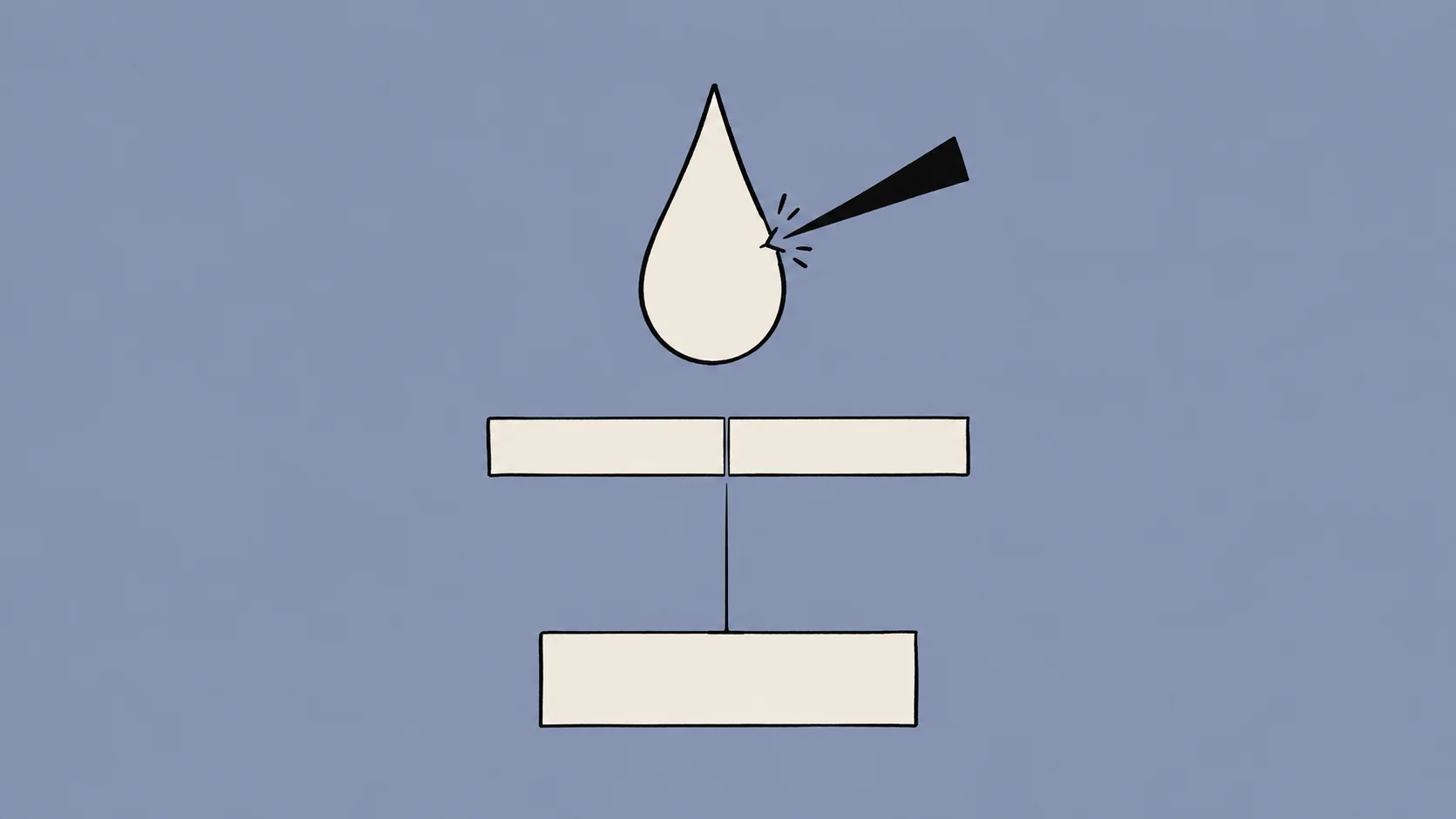
How EUV Lithography Prints Chips: Tin Plasma, 13.5 nm Light and High NA Optics
EUV lithography fires a CO2 laser at tin droplets to make 13.5 nm light. See how source power grew from 75 W to 1,000 W and what High NA at 0.55 NA changes.

SSR vs. SSG vs. ISR in 2026: What the Caching and Cost Data Actually Show
SSR vs SSG vs ISR compared with Vercel's 2026 ISR pricing and Google's CrUX field data, showing why revalidation frequency drives cost more than traffic.
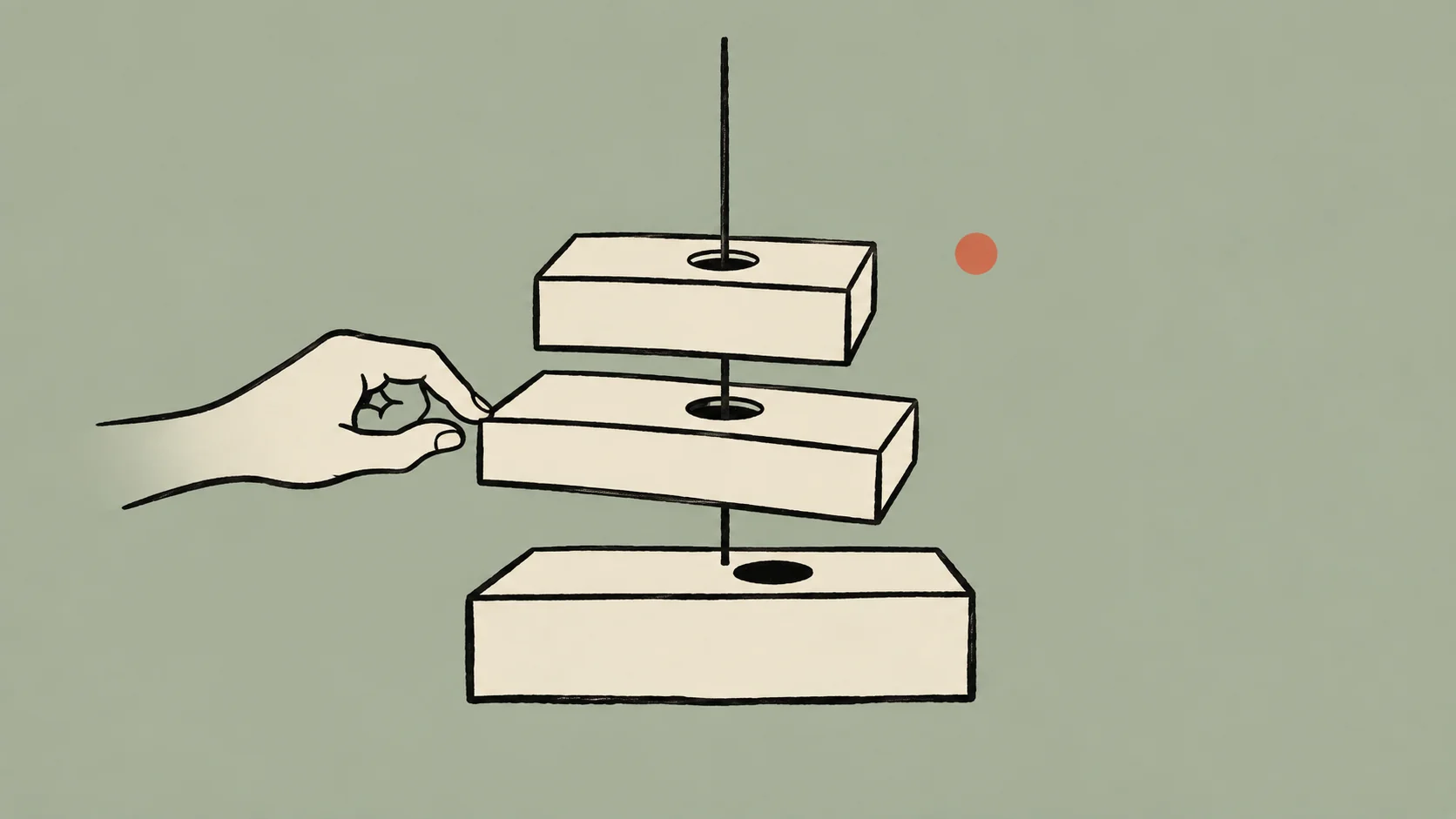
Cache Invalidation Isn't One Problem: It's Three Layers With Different Guarantees
RFC 9111, Cloudflare's rebuilt purge pipeline, and Facebook's memcache paper show cache invalidation as three layers, each with a trigger and failure mode.

zk-SNARKs vs zk-STARKs: What Benchmark Data Shows About Speed, Size, and Quantum Risk
zk-SNARK and zk-STARK proof size, speed, and quantum-resistance data, and how that tradeoff shapes ZK-Rollups, digital identity, and compliance today.
Comments (0)
Please sign in to join the discussion.
No comments yet.
Be the first to share your perspective on this topic.