
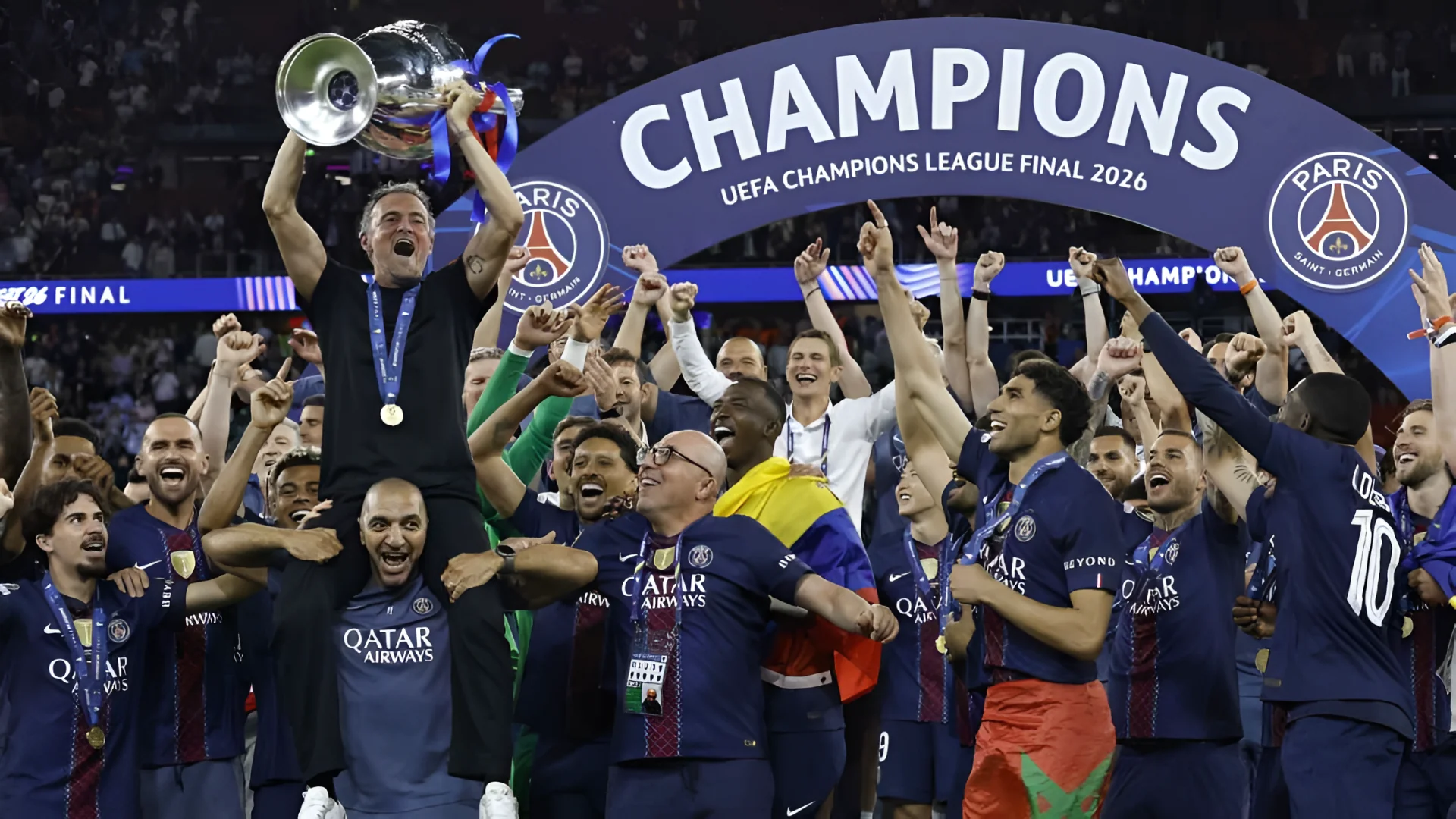
Paris Saint-Germain retained the UEFA Champions League on Saturday, defeating Arsenal 4-3 in a penalty shootout after a tense 1-1 draw at the Puskás Aréna in Budapest — becoming only the second club to win consecutive Champions League titles since the competition was restructured in 1992.
A Shootout Decides What 120 Minutes Could Not
Arsenal took the lead through Kai Havertz in the sixth minute, but PSG equalized when Ousmane Dembélé converted from the penalty spot after Cristhian Mosquera fouled Khvicha Kvaratskhelia. The match remained level through extra time, forcing the first final decided on penalties since Real Madrid beat Atlético Madrid in 2014.
In the shootout, Eberechi Eze missed an earlier spot kick, but David Raya kept Arsenal level by saving from Nuno Mendes. Lucas Beraldo scored the last of PSG's penalties, meaning Gabriel had to convert to avoid sudden death — but he blasted his effort high over the bar into a section of celebrating PSG supporters, handing the French club a 4-3 victory.
Despite Arsenal recording just 26% possession over the course of the contest — the lowest in a Champions League final since records began in 2004, according to Opta — PSG could not find a second goal before a shootout was needed. Arsenal defended in a compact low block and remained dangerous on the counterattack throughout the 120 minutes, a tactical shape that kept them in contention despite rarely controlling the ball.
This was the 12th European Cup or Champions League final to go to a penalty shootout, and neither Arsenal nor PSG had previously been involved in one at that stage. The last 11 Champions League finals had been won by the team that scored first — a run that ended here, given Arsenal opened the scoring.
The following chart summarizes the key match figures confirmed by sourced reporting from ESPN and UEFA.com.
How the Match Unfolded in Budapest
Arsenal arrived in Budapest having clinched their first Premier League title in 22 years on 19 May, while PSG entered as defending champions and Ligue 1 winners. Luis Enrique appeared to make a tactical switch at half-time, pushing Vitinha further forward, which unsettled Arsenal for a period in the second half. Vitinha was the primary reason why PSG kept the field tilted their way and were almost never in danger in transition.
Arsenal came into the final full of confidence but it was a scrappier contest than many anticipated. PSG bossed possession while Arsenal defended resolutely and remained a threat on the counterattack. Most players looked fatigued in extra time, with a late Noni Madueke penalty appeal waved away after a shoulder challenge involving Nuno Mendes.
Arteta pointed to that incident as a potential turning point, telling TNT Sports: "I watch it back and it could easily be a penalty. Especially we see the penalty they gave me this year in the competition. This season, the referee made a decision, and he made a different one with Cristhian Mosquera and that is an important one."
The timeline below maps the confirmed key moments of the match, drawn from ESPN and UEFA match reporting.
PSG Join Exclusive Company as Back-to-Back Champions
Paris Saint-Germain became just the second team to win back-to-back Champions League titles since the competition was restructured in 1992, joining Real Madrid, who won three successive titles between 2016 and 2018. Overall, PSG is the 10th team in European Cup history, dating back to 1955, to win consecutive titles. The win secured Luis Enrique's third Champions League title as a head coach.
Arteta told reporters after the final: "It's very tough when you are so consistent in the competition all the way to the final, and at the end you lose the trophy on a penalty kick. It's difficult. I'm so proud of them. They're giving us so much joy. It's just a privilege to manage this group of players. Paris are really difficult to play against. That's why they are champions two times in a row. They are a top, top team."
Arsenal had invested heavily — roughly £250 million across eight new players the previous summer — to compete across four fronts, and Saturday's final was the 63rd game of a grueling season. Arteta made six changes to his starting forward line for the final, and yet Piero Hincapié was struggling through extra time visibly injured, with no substitutions remaining. For Arsenal, who had not reached a European final in over two decades, the penalty defeat will sting — but the question heading into next season is whether the squad depth and league-winning momentum can carry them back to the same stage.
Both PSG and Arsenal will enter the 2026/27 UEFA Champions League in the league phase, with the draw for next season scheduled for 27 August.
The chart below places PSG's achievement in historical context, showing the clubs that have won consecutive Champions League titles since 1992, based on official UEFA records.
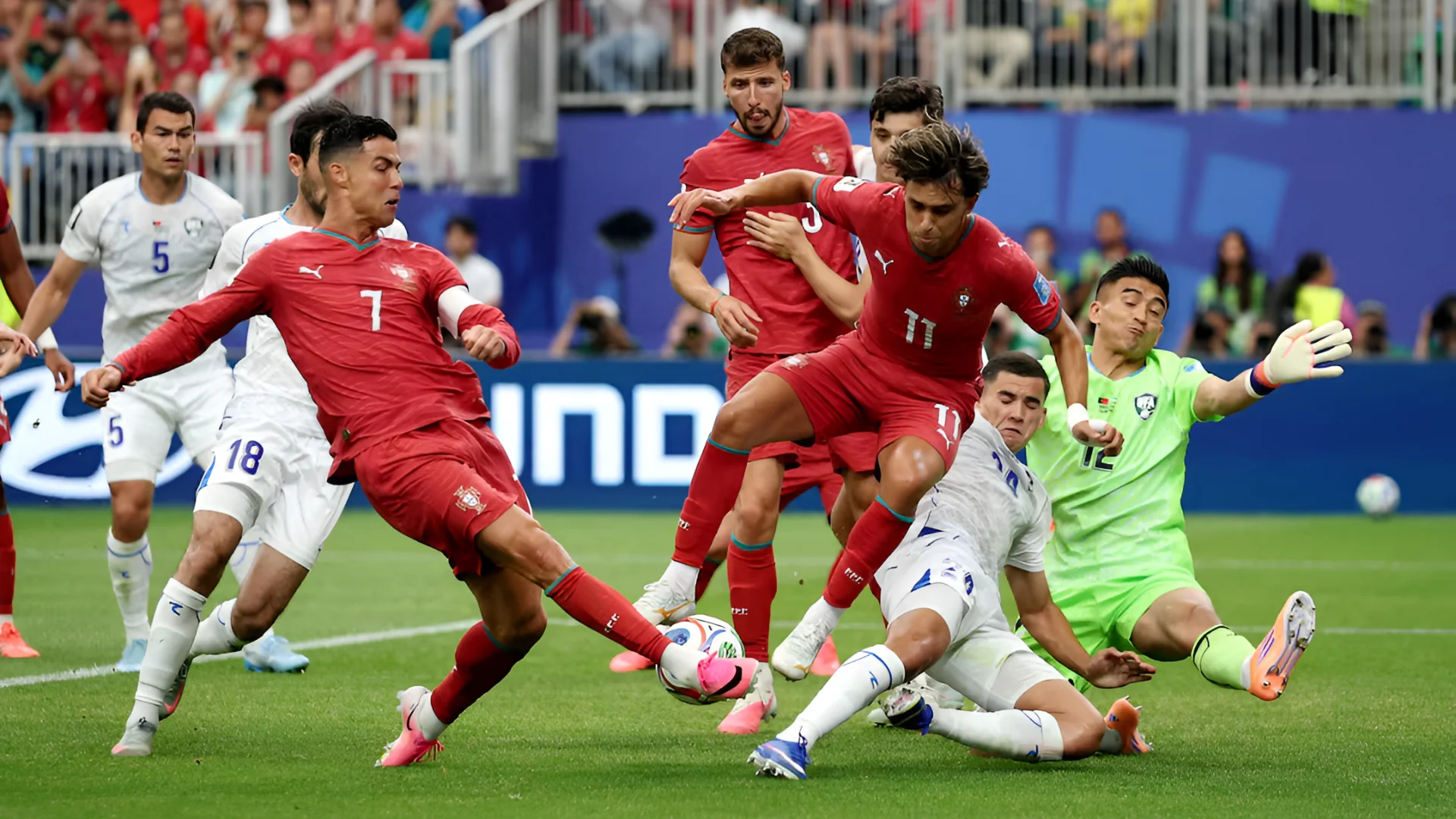
Ronaldo Scores in 6th World Cup in Portugal's 5-0 Win
Ronaldo's brace against Uzbekistan made him the first player to score in six different Men's World Cups and Portugal's all-time leading scorer at the global finals with 10 goals.
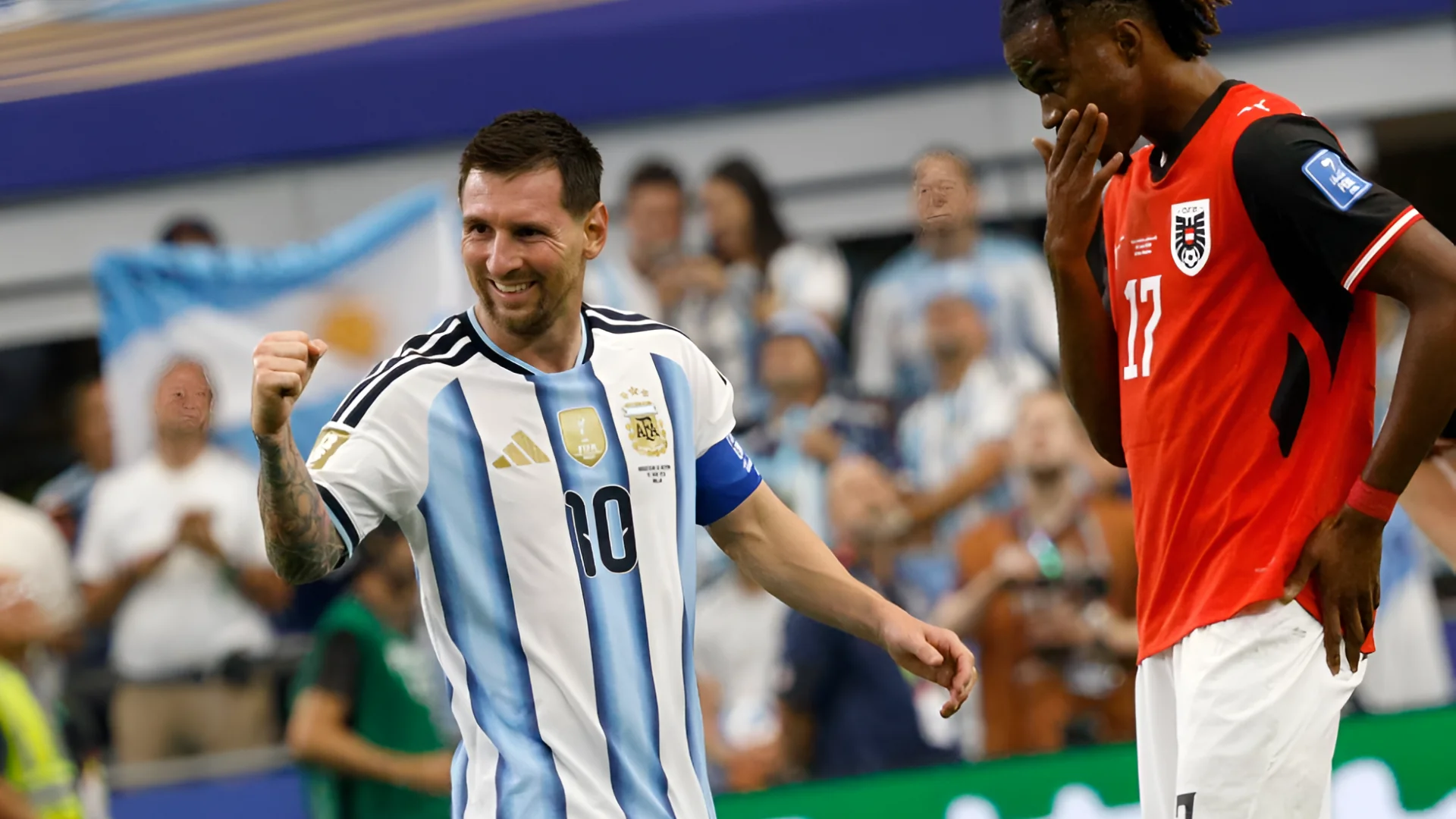
Messi, Mbappé, Haaland Dominate 2026 World Cup
Lionel Messi leads the Golden Boot race, Kylian Mbappé's France are the clear favorites, and Erling Haaland is scoring freely as the 2026 World Cup group stage produces a spectacular opening.
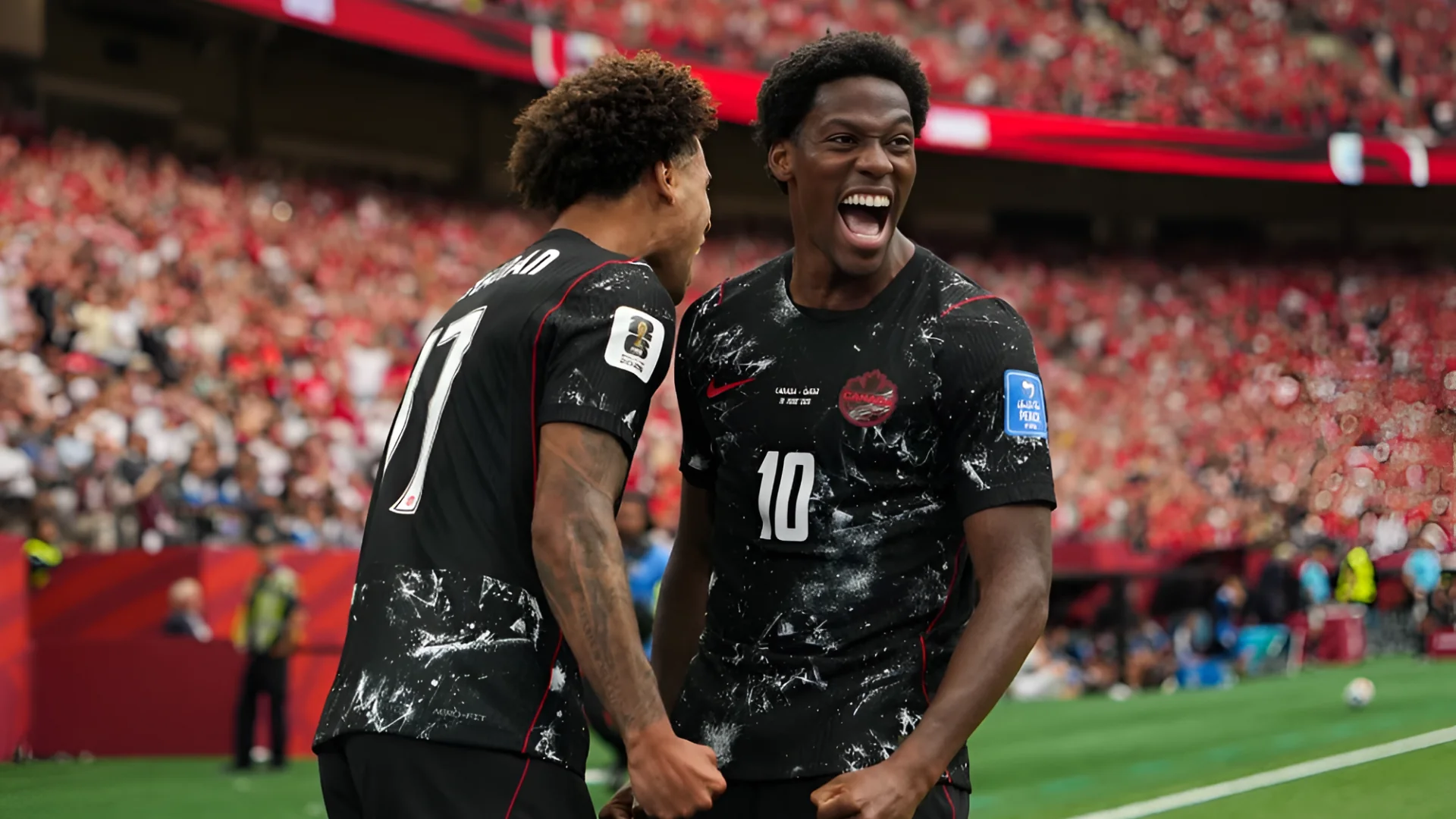
Canada's Historic Win Marred by Koné Injury and Brawl
Canada defeated Qatar 6-0 on June 18 for their first FIFA World Cup win. Jonathan David scored a hat-trick, but the night was marked by Ismaël Koné's broken leg and a post-match altercation between coaching staffs.
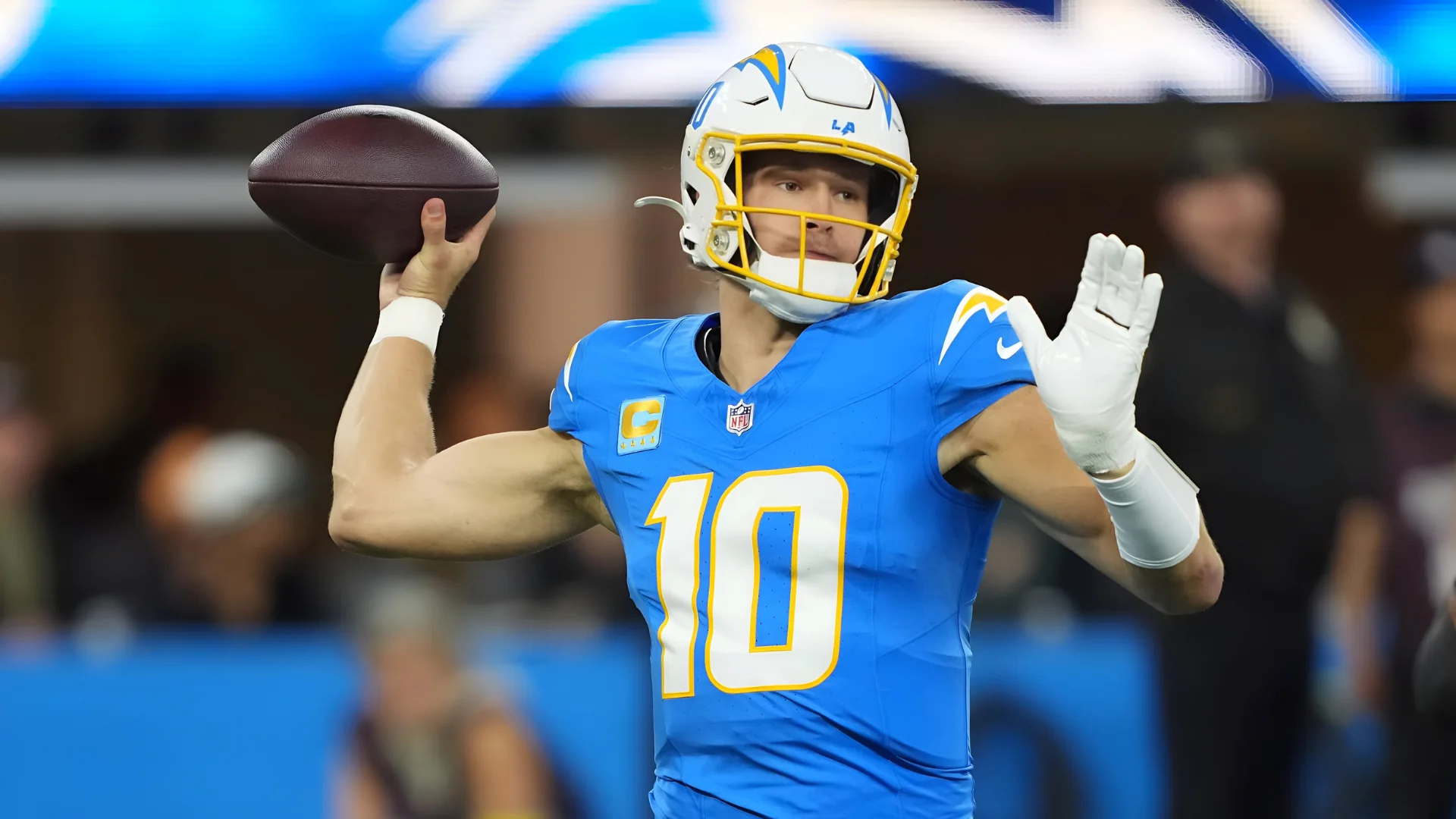
Justin Herbert's Footwork Overhaul Under Mike McDaniel
The Chargers' new OC is rebuilding Herbert's footwork from scratch, syncing his steps to route timing to neutralize the pass rush that battered him in 2025.
Comments (0)
Please sign in to join the discussion.
No comments yet.
Be the first to share your perspective on this topic.