SpaceX has agreed to acquire Anysphere, the company behind the AI coding assistant Cursor, in an all-stock deal valuing the startup at $60 billion. The agreement, announced June 16, turns an option SpaceX secured in April into a definitive purchase, giving its AI division xAI an enterprise software foothold it had struggled to build on its own.
A Floating Exchange Rate Tied to SpaceX's Own Stock
SpaceX confirmed Tuesday it had signed a merger agreement to acquire Anysphere, the San Francisco company behind Cursor, in a transaction structured entirely in stock. Under the terms of the agreement, every outstanding share of Cursor's common and preferred stock will convert into shares of SpaceX Class A common stock once the deal closes, with no cash changing hands.
The exact number of shares is not fixed yet. SpaceX has said the conversion ratio will be set using the volume-weighted average closing price of its own stock over the seven trading days immediately before closing, which the company expects in the third quarter of 2026, pending regulatory approval. That detail matters more than it might in an ordinary deal: SpaceX completed its own Nasdaq debut earlier this month, an offering that initially valued the company above $2 trillion and has since pushed its market capitalization to roughly $2.8 trillion, surpassing Amazon. Pricing the deal off a week-long average rather than a single day's close spreads the effect of that still-fresh, actively trading stock over a longer window.
SpaceX has also said the acquisition will not draw on proceeds from that IPO. Paying in equity rather than cash keeps that capital untouched, though it also means Anysphere's shareholders are taking SpaceX stock rather than walking away with cash.
An Option Exercised After a Premium Funding Round Was Already in Motion
Tuesday's announcement formalizes an arrangement SpaceX first disclosed in April, when it said it had secured the right to either buy Cursor outright for $60 billion or pay $10 billion for a more limited partnership. SpaceX chose the full purchase.
At the time that option was struck, Anysphere was in the middle of closing a separate funding round — roughly $2 billion from Andreessen Horowitz, Thrive Capital, and Nvidia — that would have valued the company above $50 billion. The $60 billion acquisition price comes in roughly $10 billion above that pending round, suggesting SpaceX placed a premium on outright ownership rather than taking a position alongside those other investors.
The deal also follows interest SpaceX did not have to outbid. Cursor had already turned down two separate acquisition approaches from OpenAI, and Microsoft examined a potential purchase of its own before deciding not to submit a formal bid. Repeated outside interest, a premium private round already underway, and an option SpaceX could simply exercise left Anysphere in a position to set, rather than negotiate down from, its price.
Closing a Gap xAI Had Not Closed On Its Own
The acquisition builds directly on SpaceX's February merger with xAI, the maker of the Grok chatbot. Cursor, which launched in 2022 and helped popularize the AI-assisted "vibe coding" workflow, arrives with an enterprise foothold xAI had not managed to build: the company's annualized revenue has surpassed $4 billion, with roughly $2.6 billion of that tied to enterprise customers.
Vital Knowledge analyst Adam Crisafulli told clients the deal was meant to help Grok's coding business catch up to frontier rivals, pointing to xAI's struggle to make inroads against AI coding tools from Anthropic, OpenAI, Google, and Meta.
Enterprise coding is also one of the small number of AI categories that has converted into substantial, recurring business revenue rather than pilot-stage experimentation. Cursor's growth from a niche developer tool to billions of dollars in annualized revenue within a few years illustrates that shift, and helps explain why SpaceX valued an established developer audience as highly as it did the underlying technology.
The companies have also described a resource exchange running the other way. Cursor's engineering team gains access to tens of thousands of xAI's chips to train its next generation of models — computing capacity that would be costly for a standalone startup to assemble on its own. Read together, the two halves of the deal point to a trade of distribution for compute: xAI gains a developer audience it had not built itself, and Cursor gains training capacity it would otherwise have had to buy or rent on the open market.
Why the $60 Billion Figure Could Still Move
The acquisition is not finished. SpaceX still needs regulatory approval before the deal can close, and the company has set a third-quarter target rather than a fixed date. Until the seven-day pricing window opens just before closing, neither company can say exactly how many SpaceX shares Cursor's investors will end up holding — only that the value of those shares, at signing, is meant to equal $60 billion.
For Cursor's existing investors and employees, that structure means the worth of their stake will keep moving with SpaceX's newly listed shares through the second and third quarters of the year, rather than settling the moment the agreement was signed. A deal priced in dollars but paid in stock will, in the end, be worth whatever SpaceX's stock is worth on the days that determine it.
Why Japan Is Losing the AI Race It Helped Create
From language tokenization barriers to corporate risk aversion and venture capital gaps, this explainer breaks down why Japan's AI position lags the US and China.
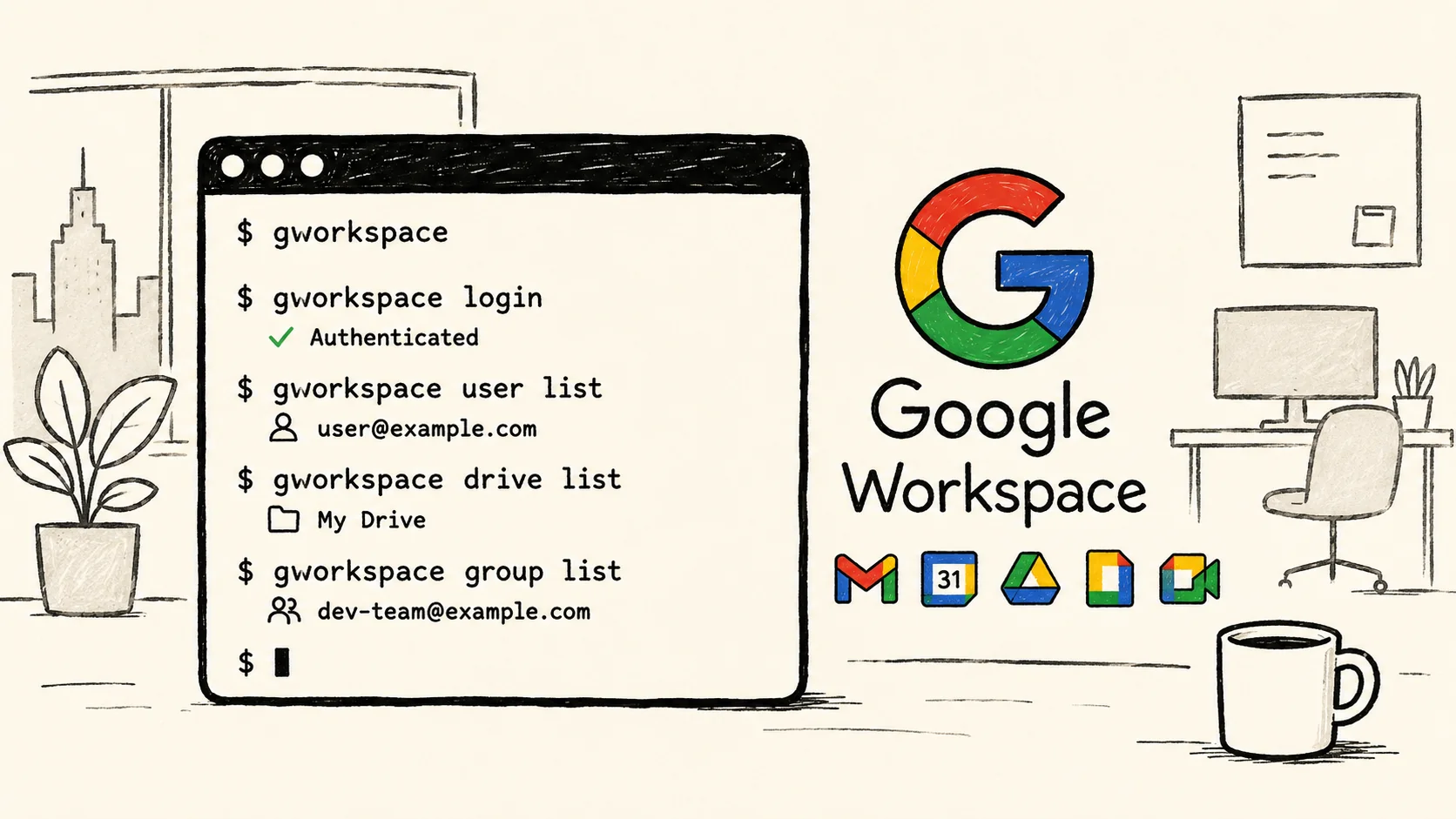
Google Fires DevRel Engineer Over Workspace CLI
Justin Poehnelt says Google fired him for building a Workspace CLI under the official GitHub org, two days before Google unveiled its own version.
The AI Subsidy Era Is Ending — and Enterprise Buyers Are Getting the Bill
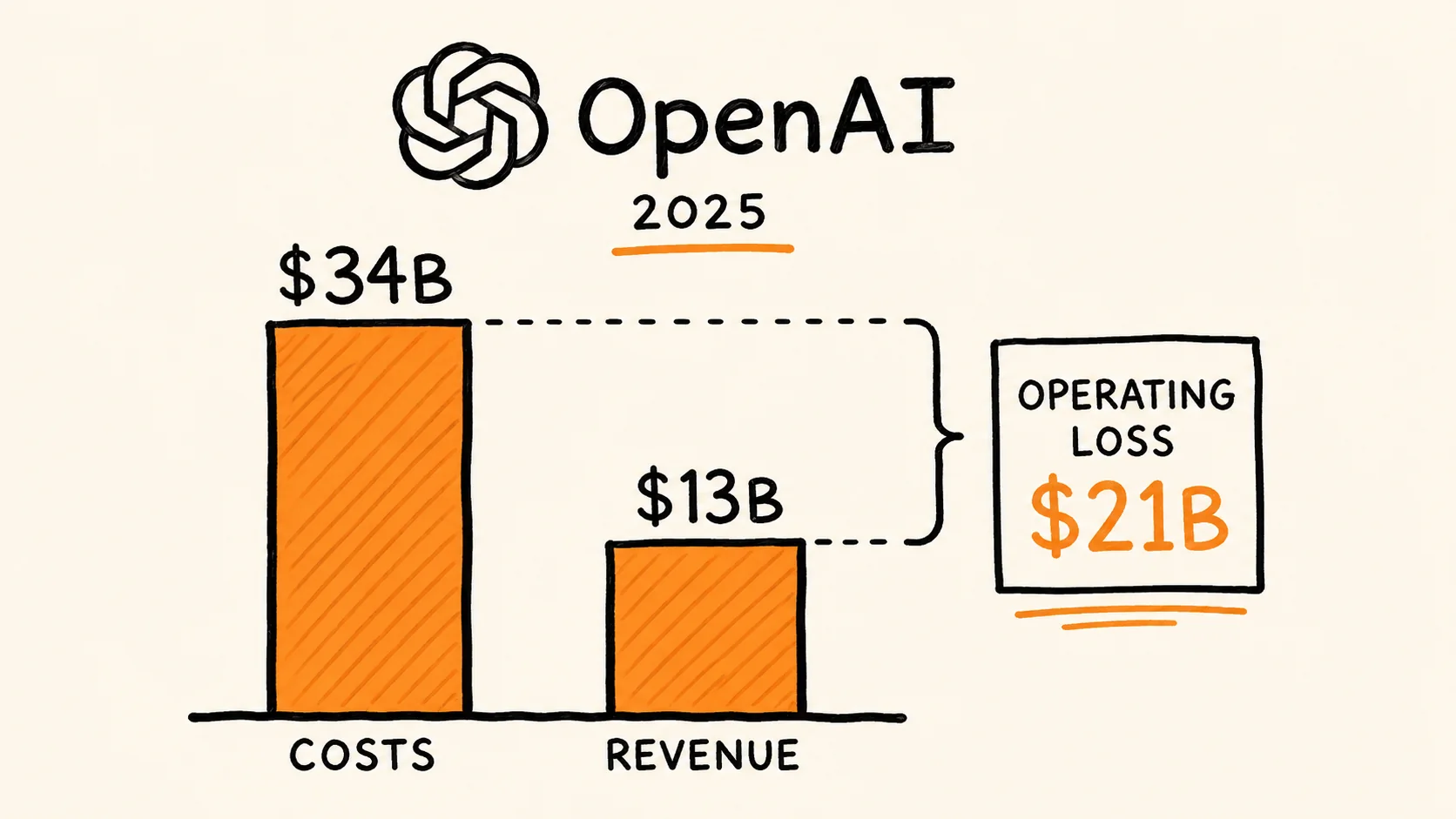
A data-grounded analysis of the AI subsidy model's structural unsustainability, OpenAI's 2025 financial losses, and the 2026 pivot to token-based pricing that is already shocking enterprise customers.
Honor's X80 Pro Max Pairs an 11,000mAh Battery With a Two-Year Free Screen Warranty
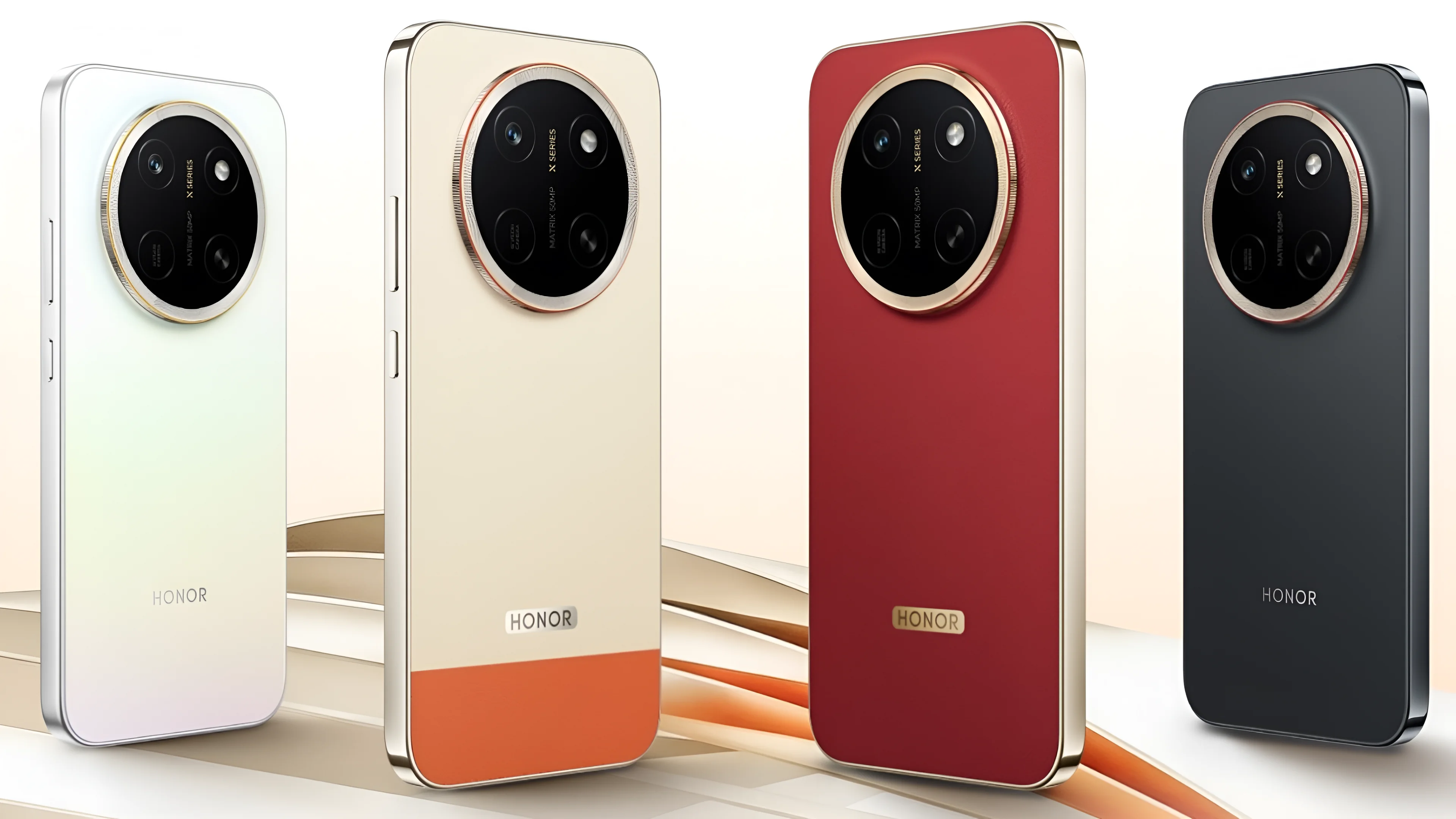
Honor launched the X80 Pro Max in China on June 22, 2026, with a record battery, SGS-certified drop resistance, and a free two-year screen warranty.
Comments (0)
Please sign in to join the discussion.
No comments yet.
Be the first to share your perspective on this topic.